
Masonry Sealing / Waterproofing · Chicagoland, IL
Breathable vs. Film-Forming Brick Sealers: Which One Your Masonry Actually Needs
Sealing brick can protect it for years — or quietly destroy it. The difference comes down to one property: whether the sealer lets the wall breathe. Here is how to tell the two types apart and choose right.
2026-06-22
Quick Answer
Breathable (penetrating, vapor-permeable) brick sealers block liquid water while letting water vapor escape, protecting masonry without trapping moisture. Film-forming sealers create a surface coating that can seal water inside brick and cause spalling in freeze-thaw climates. For most Chicago-area brick, a breathable penetrating repellent is the right choice. Emerald Masonry LLC seals masonry across Chicagoland — (708) 288-1696.
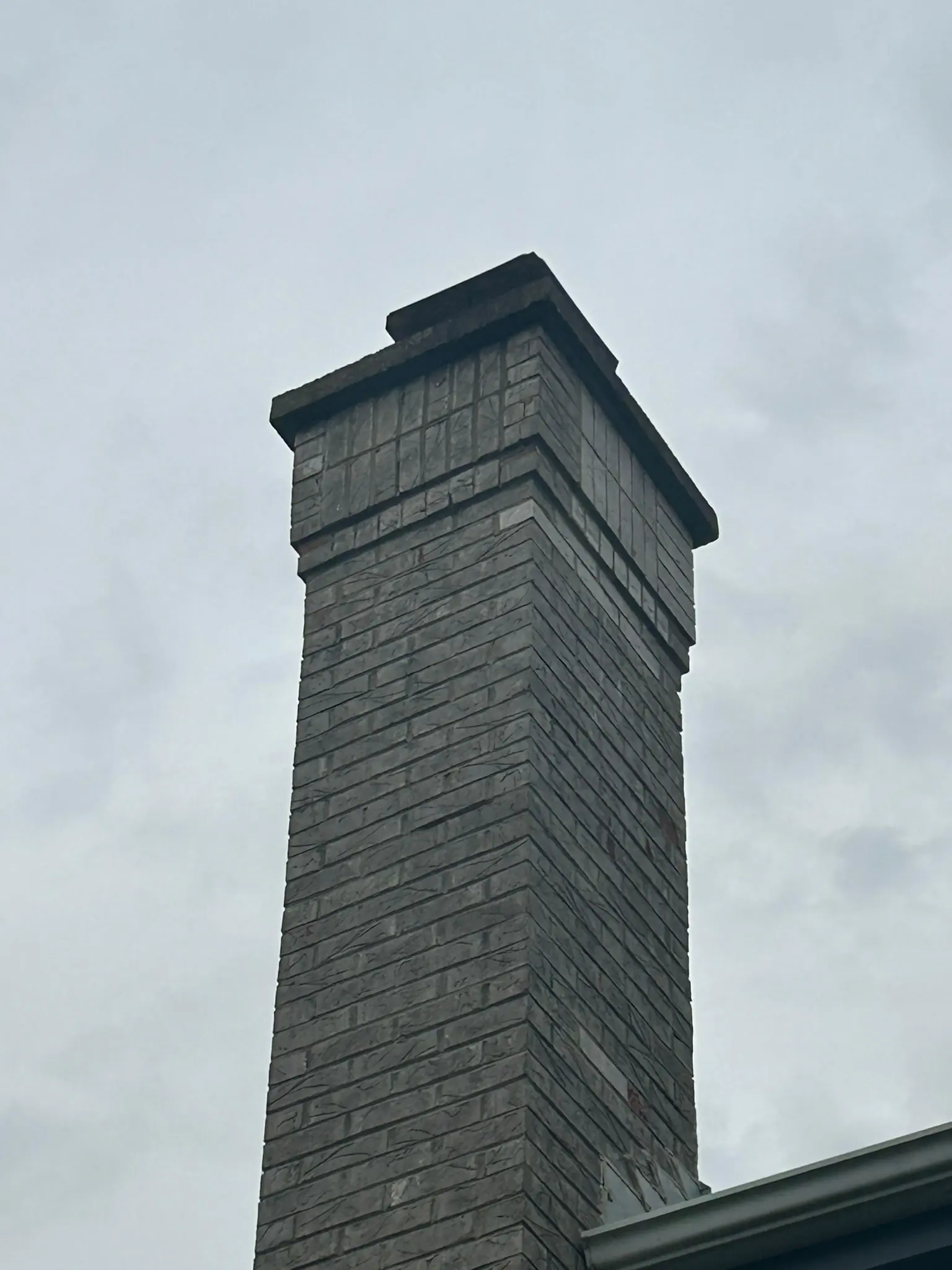
Sealing brick is one of those jobs that sounds simple and goes wrong constantly. Applied correctly, a masonry sealer adds years of protection to a sound wall. Applied with the wrong product, it can trap water and cause the very spalling it was supposed to prevent. The entire difference comes down to one property: whether the sealer lets your wall breathe. At Emerald Masonry LLC we seal brick, block, and limestone across Chicagoland the right way — (708) 288-1696 — and this guide explains the choice so you can make it with your eyes open.
First Principle: Brick Has to Breathe
Brick, mortar, and stone are porous by design. They take on water and release it as vapor — a wall is constantly absorbing and drying. In the Chicago area, the danger isn't water getting into masonry (that's normal); it's water getting in and being unable to dry before winter, when it freezes, expands, and breaks the brick face off. The goal of a good sealer is to keep liquid water out while still letting trapped moisture escape — protection without suffocation. Hold that idea and the two product categories sort themselves out instantly.
Breathable (Penetrating) Sealers
A breathable sealer — typically a silane/siloxane penetrating water repellent — soaks into the masonry and chemically lines the pores. Water beads and runs off the surface instead of being absorbed, but the pores are not plugged, so water vapor still passes freely. The wall stays dry inside but retains its ability to breathe and dry out.
Pros:
- Blocks liquid water while letting the wall release moisture — the right behavior for a freeze-thaw climate.
- Invisible finish — no sheen, no color change, the brick still looks like brick.
- Reduces efflorescence and slows freeze-thaw spalling on sound masonry.
- Reapplied periodically as it weathers, with no peeling film to strip first.
Cons:
- Not a "fix" — it does nothing for failed joints or cracks, which must be repaired first.
- Needs correct product selection and coverage for the specific substrate.
For the large majority of Chicago-area brick and stone, this is the correct choice.
Film-Forming Sealers
A film-forming sealer leaves a coating on top of the masonry — the glossy or "wet-look" products, acrylics, and many off-the-shelf "waterproofers." They do block surface water. The problem is they also block vapor.
Why that's risky here: water always finds other ways into a wall — over the top of a parapet, through a hairline crack, from the back side, up from grade. A film-forming coating lets that water in but won't let it out. Come winter, the trapped moisture freezes inside the brick and pops the face off. Sealing brick with a film-forming, vapor-blocking coating in a freeze-thaw climate is one of the more common ways homeowners accidentally cause spalling. Film coatings also peel and flake as they fail, leaving an ugly surface that has to be stripped before anything can be done correctly.
There are narrow, specialized uses for coatings — certain below-grade or specific commercial conditions — but for typical exposed above-grade brick, they are the wrong tool.
Side by Side
| | Breathable (penetrating) | Film-forming (coating) | |---|---|---| | How it works | Lines the pores; water can't enter, vapor can leave | Forms a surface film; blocks water and vapor | | Appearance | Invisible, natural | Often glossy / "wet look" | | Freeze-thaw risk | Low — wall can dry | High — can trap water and spall brick | | Failure mode | Gradually weathers off | Peels and flakes, must be stripped | | Right for most Chicago brick? | Yes | No |
The Rule That Matters Most: Repair Before You Seal
No sealer of any kind is a substitute for masonry repair. A sealer cannot bridge an open joint or a crack — applied over failed mortar, it simply lets water in behind it and may even hold that water there. Sealing is the final protective step after the masonry is sound, not a shortcut around tuckpointing and repair. The correct sequence is: repair and repoint, let new mortar cure, gently clean, then apply a breathable repellent. Anyone offering to "just seal it" over crumbling joints is selling you a problem.
How We Approach It
On a sealing job we inspect the wall first and tell you honestly whether it needs repair before it needs sealing. If repairs are needed, we tuckpoint and fix them first. Then we select a breathable penetrating repellent matched to your specific brick, block, or limestone — limestone and soft older brick absorb very differently from hard modern brick — and apply it at the correct coverage rate for full penetration. The result protects the wall without changing how it looks and without trapping a drop of moisture inside.
Emerald Masonry LLC is a family-owned, licensed and insured masonry contractor serving Chicago and the Chicagoland suburbs led by career masons with decades of hands-on experience in tuckpointing, chimney repair, brick repair and replacement, lintel and parapet repair, foundation and limestone/sill repair, caulking, power washing, sealing, and commercial, residential, and historic masonry restoration. Free on-site estimates — call (708) 288-1696.
For related reading and services, see our masonry sealing and waterproofing, tuckpointing and repointing, limestone and sill repair.
Frequently Asked Questions
Should I seal my brick at all?
Often, yes — if the masonry is sound. Sealing a porous, weather-exposed brick wall with a breathable repellent reduces water absorption, slows freeze-thaw damage, and cuts down efflorescence. But sealing is never a substitute for repair: failed joints and cracks must be tuckpointed first, because no sealer can bridge a gap.
What is the difference between a breathable and a film-forming sealer?
A breathable (penetrating) sealer soaks into the masonry and lines the pores so liquid water can't get in, while still letting water vapor pass out — the wall stays dry but can still breathe. A film-forming sealer leaves a coating on the surface that blocks vapor too, which can trap moisture inside the brick and cause spalling in a freeze-thaw climate.
Why did sealing my brick make it spall?
Almost always because a film-forming or glossy "wet-look" sealer was used. Water still entered the wall from other paths — the top, a crack, the back — but the coating wouldn't let it dry out, so it froze inside the brick and popped the face off. A breathable penetrating repellent avoids this by never trapping vapor.
Frequently Asked Questions
Should I seal my brick at all?
Often, yes — if the masonry is sound. Sealing a porous, weather-exposed brick wall with a breathable repellent reduces water absorption, slows freeze-thaw damage, and cuts down efflorescence. But sealing is never a substitute for repair: failed joints and cracks must be tuckpointed first, because no sealer can bridge a gap.
What is the difference between a breathable and a film-forming sealer?
A breathable (penetrating) sealer soaks into the masonry and lines the pores so liquid water can't get in, while still letting water vapor pass out — the wall stays dry but can still breathe. A film-forming sealer leaves a coating on the surface that blocks vapor too, which can trap moisture inside the brick and cause spalling in a freeze-thaw climate.
Why did sealing my brick make it spall?
Almost always because a film-forming or glossy 'wet-look' sealer was used. Water still entered the wall from other paths — the top, a crack, the back — but the coating wouldn't let it dry out, so it froze inside the brick and popped the face off. A breathable penetrating repellent avoids this by never trapping vapor.