
Masonry Knowledge
The Emerald Masonry Blog
Project updates, maintenance guides, warning signs to watch for, and straight talk about masonry repair from a family-owned Chicagoland team led by career masons with decades of hands-on Chicagoland experience.

Raised Ranch and Split-Level Masonry Problems in the Chicago Suburbs: A Homeowner's Guide to the 1950s–1970s House
Raised ranches and split-levels look simple, but they put brick in places older houses never did: veneer hung on a frame upper storey, a half-buried lower level, a garage tucked under a bedroom. Here is where their masonry fails, why, and what the right repair looks like.
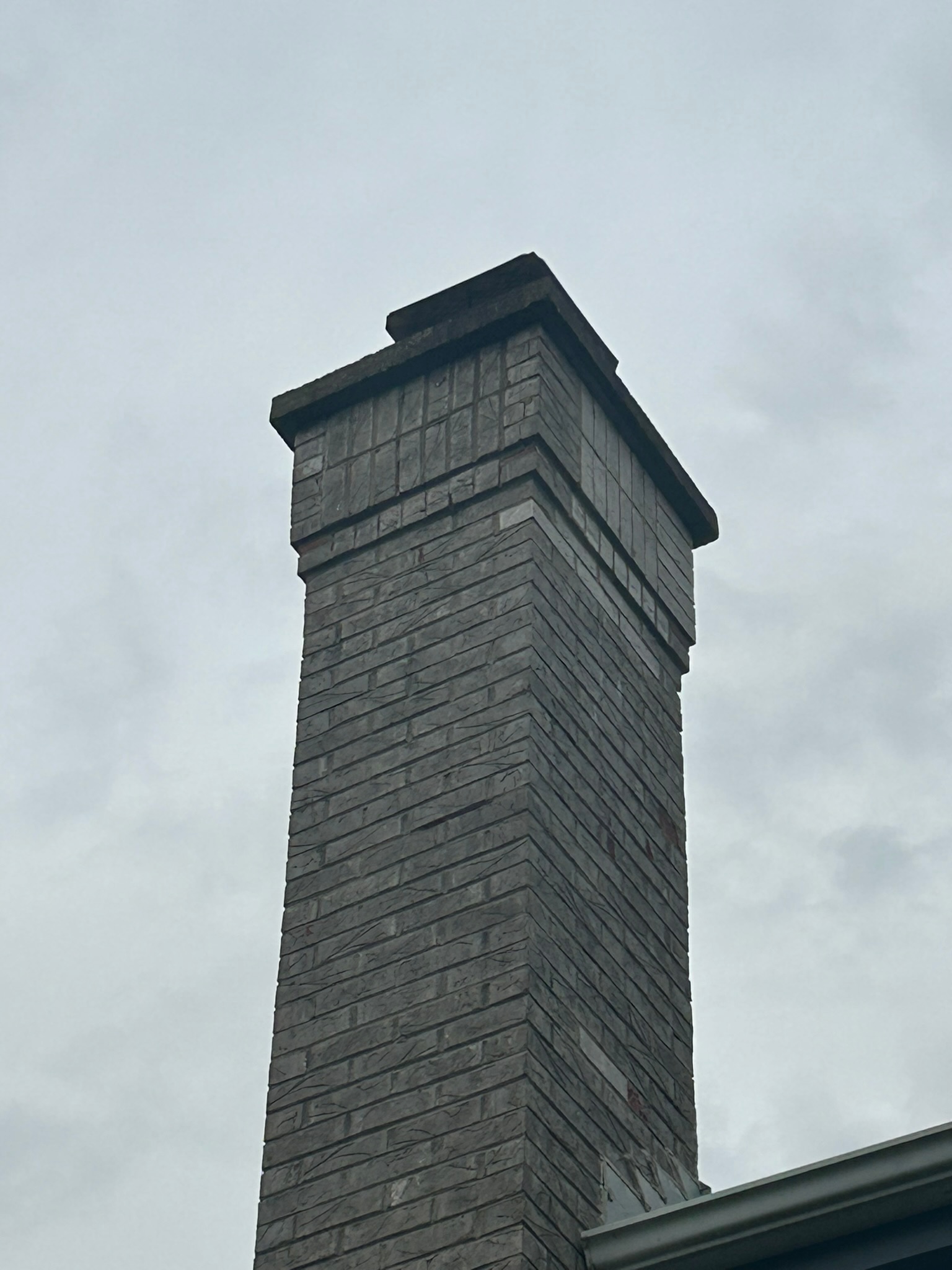
Chicago Georgian Brick Homes: A Masonry Repair Guide for the House Built to Last a Century
The Chicago Georgian — the square, symmetrical brick house with a hip roof, limestone sills and a centred front door — was built of solid masonry and soft lime mortar. Most of its problems come from the last fifty years of repairs, not the first fifty years of weather.
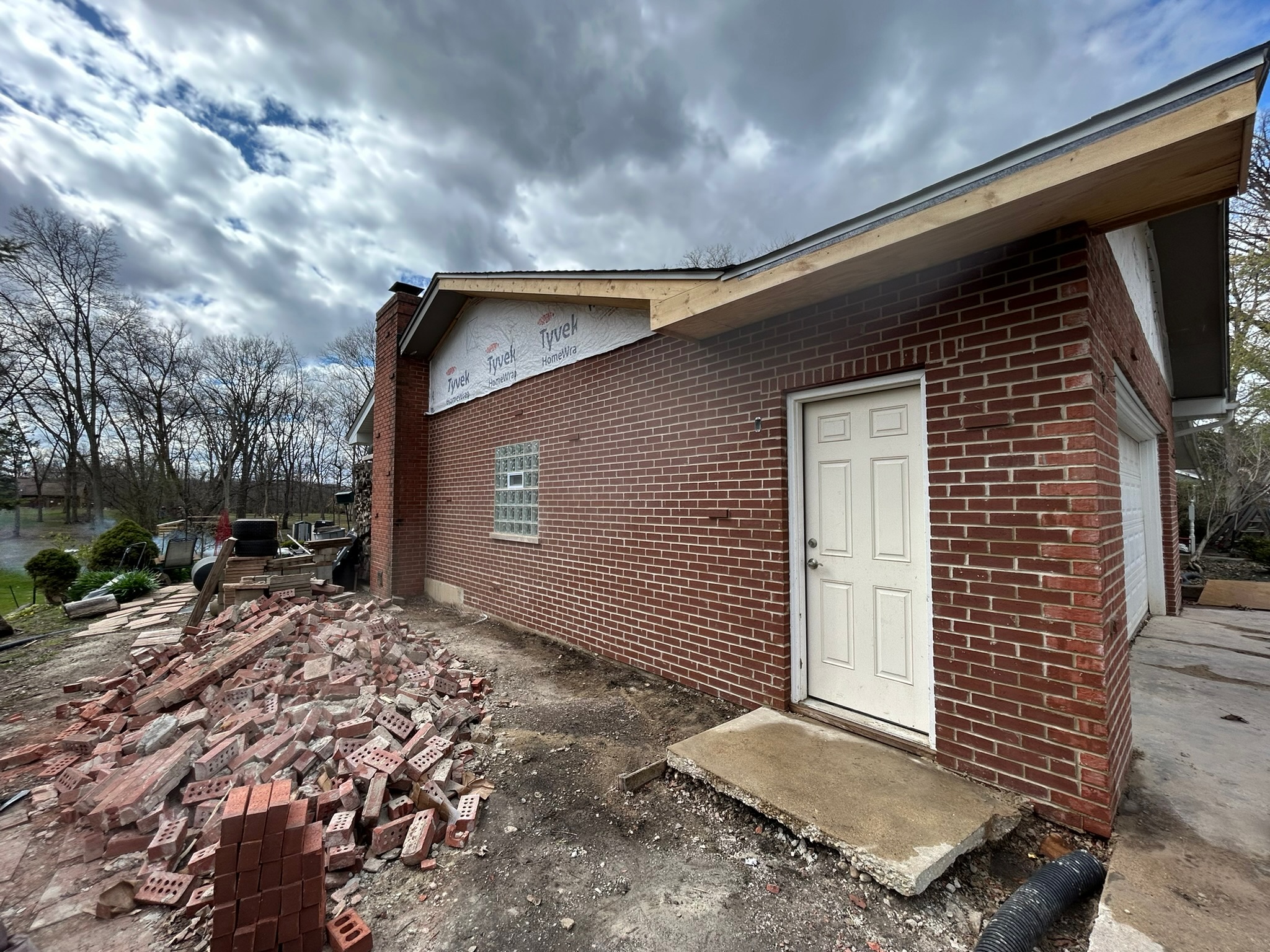
Senior Living Masonry Repair in Chicagoland: Working on a Building Nobody Can Leave
An office empties at five. A senior living community never does. Masonry repair on assisted living, memory care and nursing buildings has to be planned around residents who live behind every wall the crew touches — day and night, for the whole project.
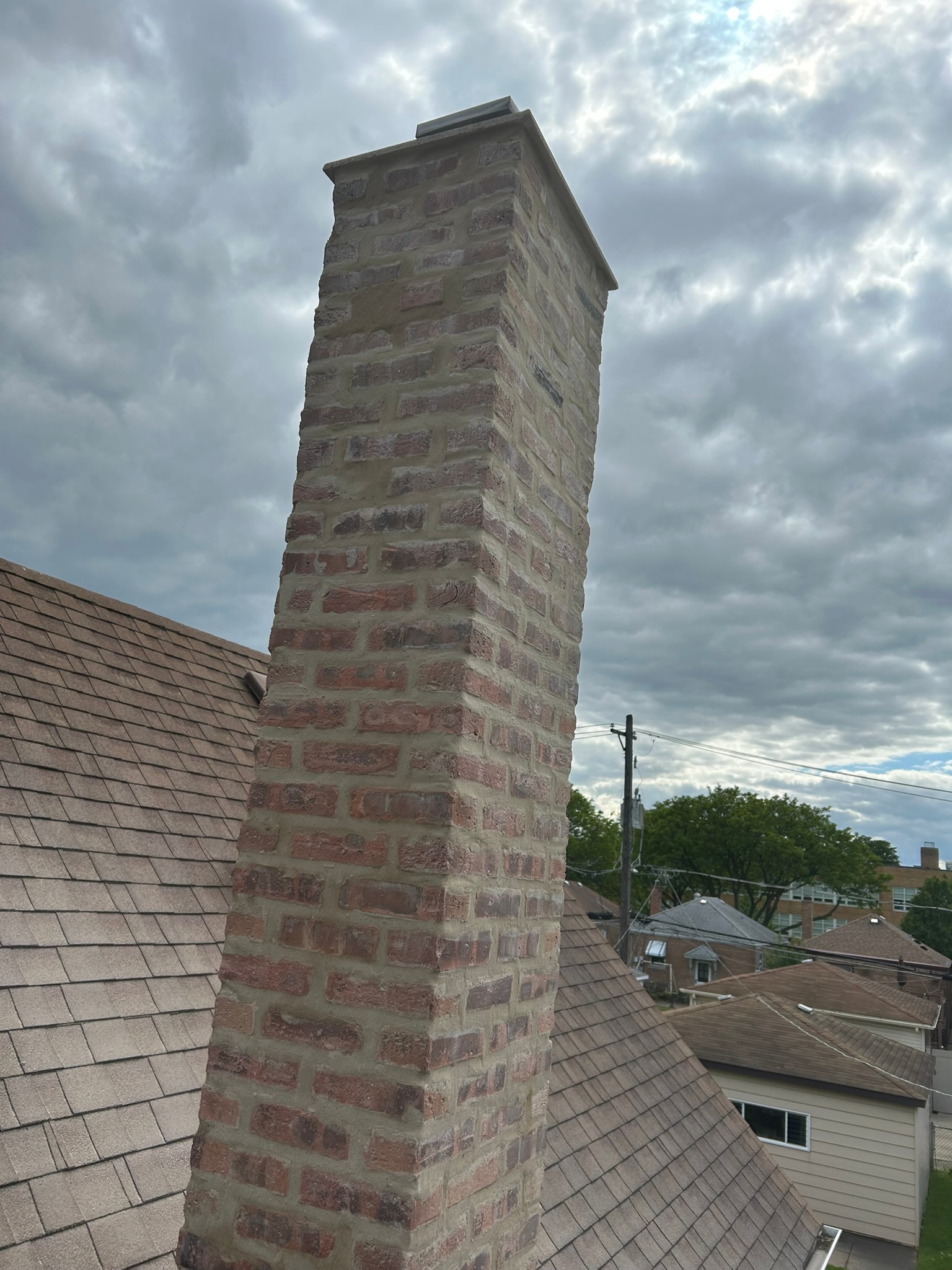
Abandoned Chimneys on Apartment, Condo and Church Buildings: Repair, Rebuild, Lower or Remove?
When a building switches to high-efficiency boilers, the old masonry stack stops doing anything — and starts falling apart faster than it ever did in service. Here is how property managers, condo boards and parishes decide what to do with it.
Your Brick House Just Turned 25: What Fails on 1990s and 2000s Brick Homes in the Southwest Suburbs
The brick on a 1990s or 2000s house in Orland Park, Tinley Park or Homer Glen will outlast the mortgage. The flashing, sealant, weep holes and steel behind it will not. Here is what starts failing at 20 to 30 years, and in what order.
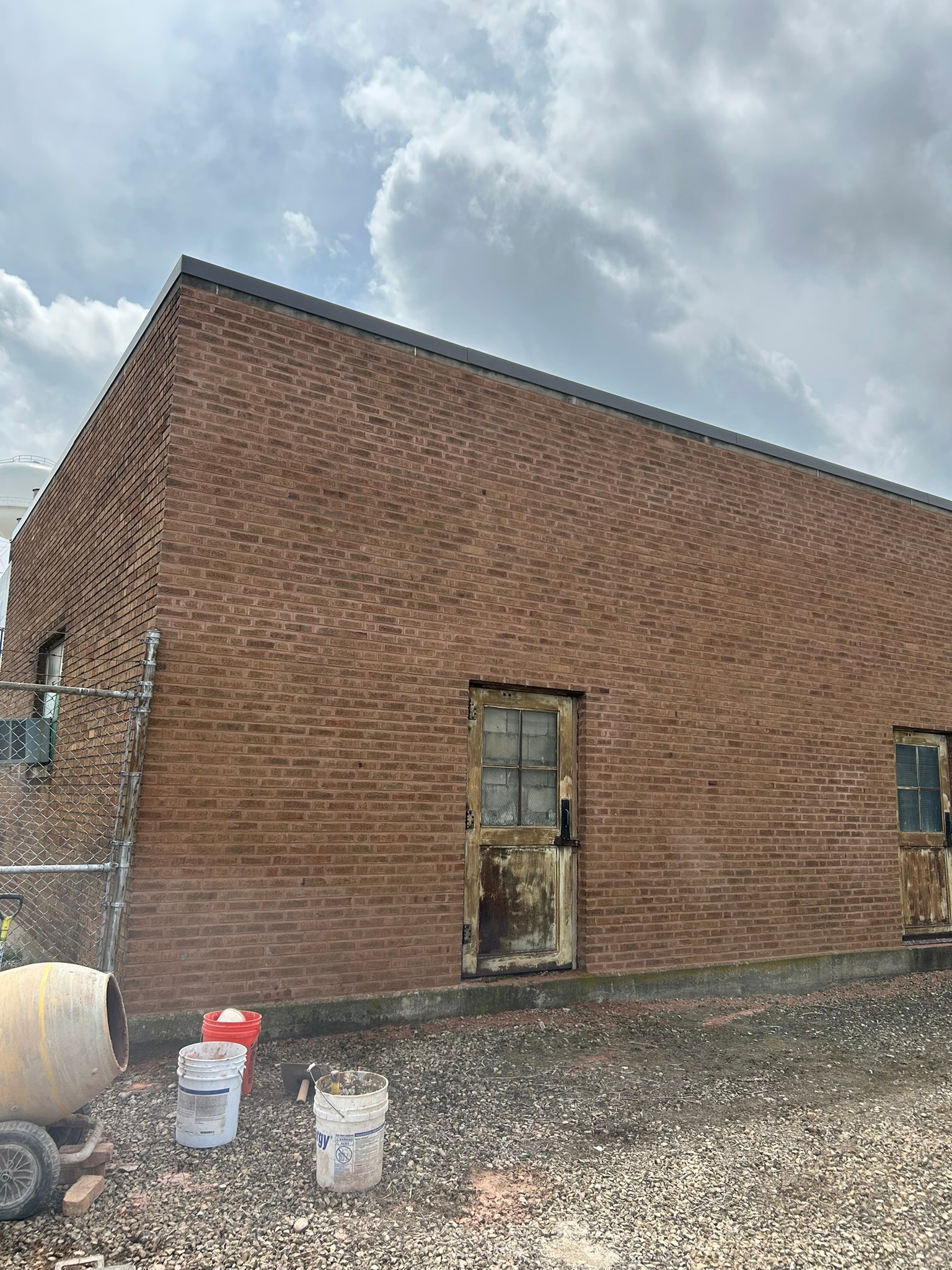
Strip Center Masonry Repair in Chicagoland: The Elevations Nobody Looks At
Every owner of a strip center knows what the front looks like. Almost none of them know what the back wall, the dumpster enclosure or the parapet above the tenant signs looks like — and that is where the money goes.
Mixed-Use Building Masonry Repair: One Wall, Two Kinds of Tenant
A corridor building with a shop on the ground floor and apartments above is one masonry wall serving two tenants with opposite needs — a retailer who must stay open and residents who must be able to sleep, park and get in the door. Here is how to scope, sequence and budget the repair so neither one becomes the reason it goes wrong.
Medical Office Building Masonry Repair in Chicagoland: Working Around Patients
A medical office building never really closes. Patients arrive on walkers, air intakes sit three feet from the wall you need to grind, and the entrance you want to scaffold is the one the ambulance uses. Here is how masonry repair changes when the building is a clinic.
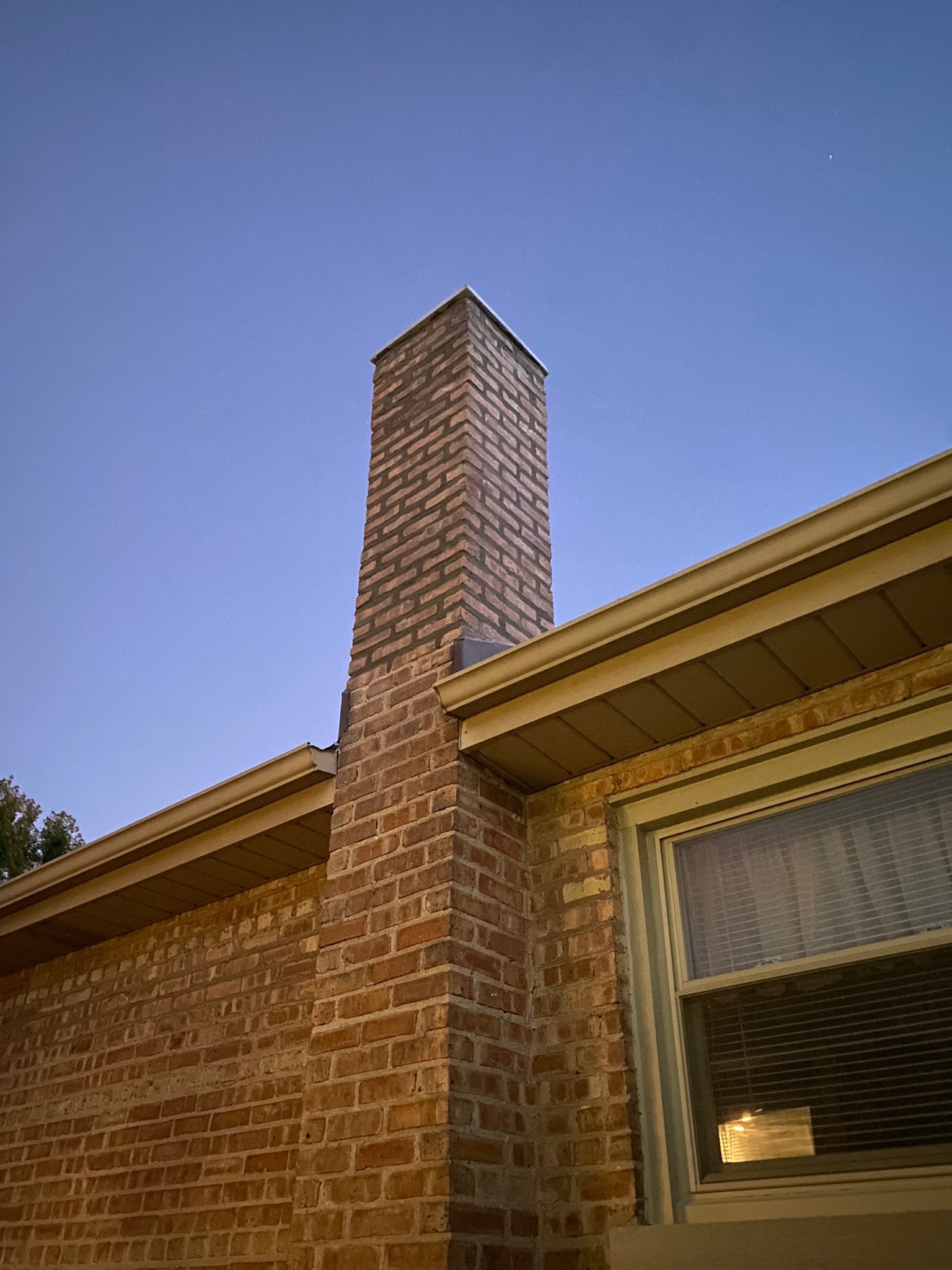
Masonry Repairs Before Winter: What Can't Wait Until Spring in Illinois
Every Chicagoland masonry problem gets worse over a winter, but only a handful get dramatically worse. Here is how to sort the open chimney crown and the loose brick over the front door from the efflorescence and the tired joints that can safely wait for spring.
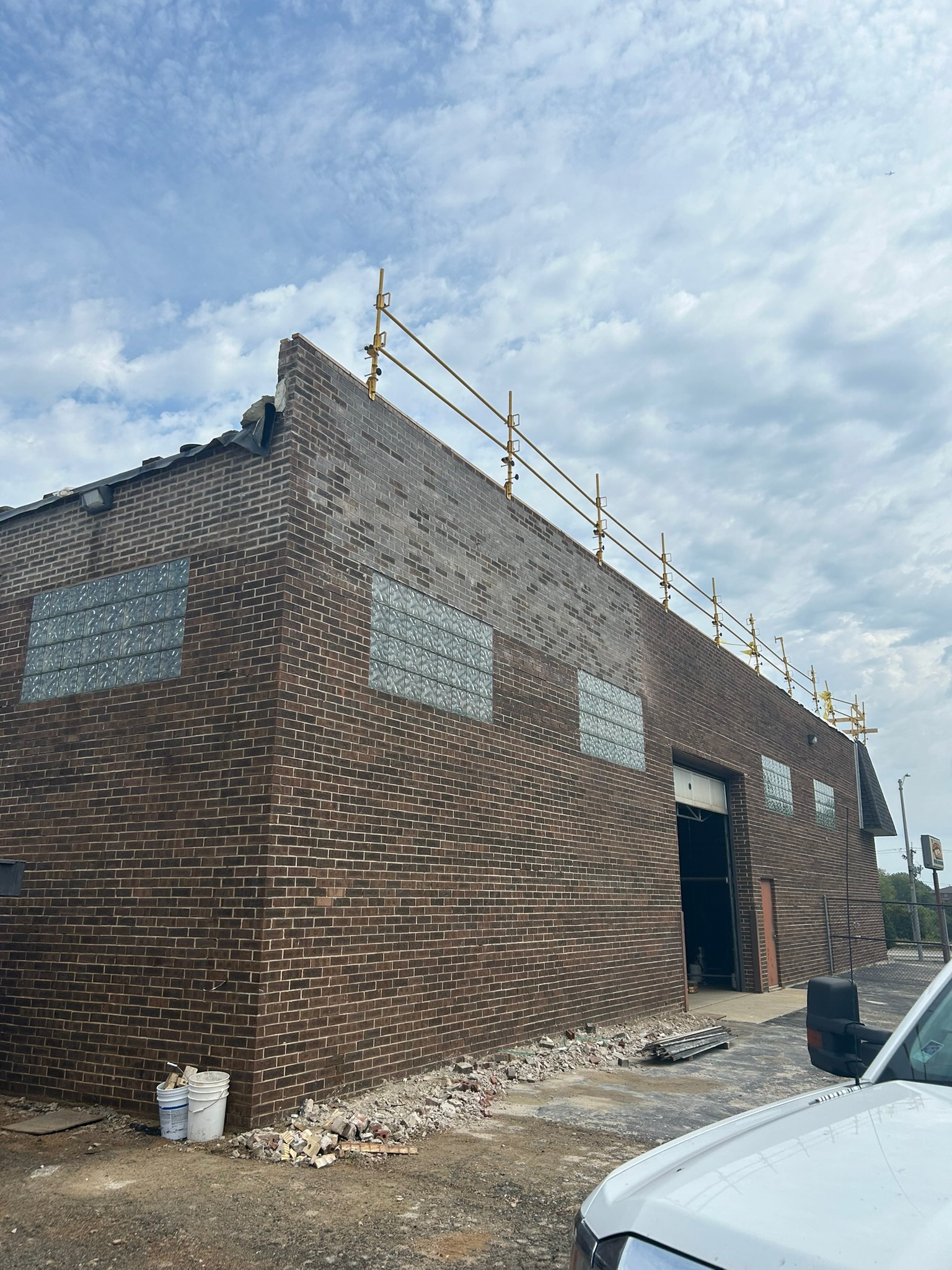
Bid Your Masonry in the Fall: Why Next Summer's Project Is Won or Lost Between October and December
The masonry season in Chicagoland runs roughly April to November, but the decisions that control it — the assessment, the scope, the budget vote, the bid, the contract — all happen in the months when no mortar is being laid. Property managers and boards who start in October get the first slot on the calendar. The ones who start in April get what is left.
Courtyard Apartment Building Masonry Repair in Chicago: One Building, Four Different Walls
A Chicago courtyard building looks like one wall wrapped around a garden. It is really four buildings' worth of masonry — face brick for show, common brick for the light wells, a parapet around the whole U and a rear porch bolted into the back — and each one ages on its own clock.
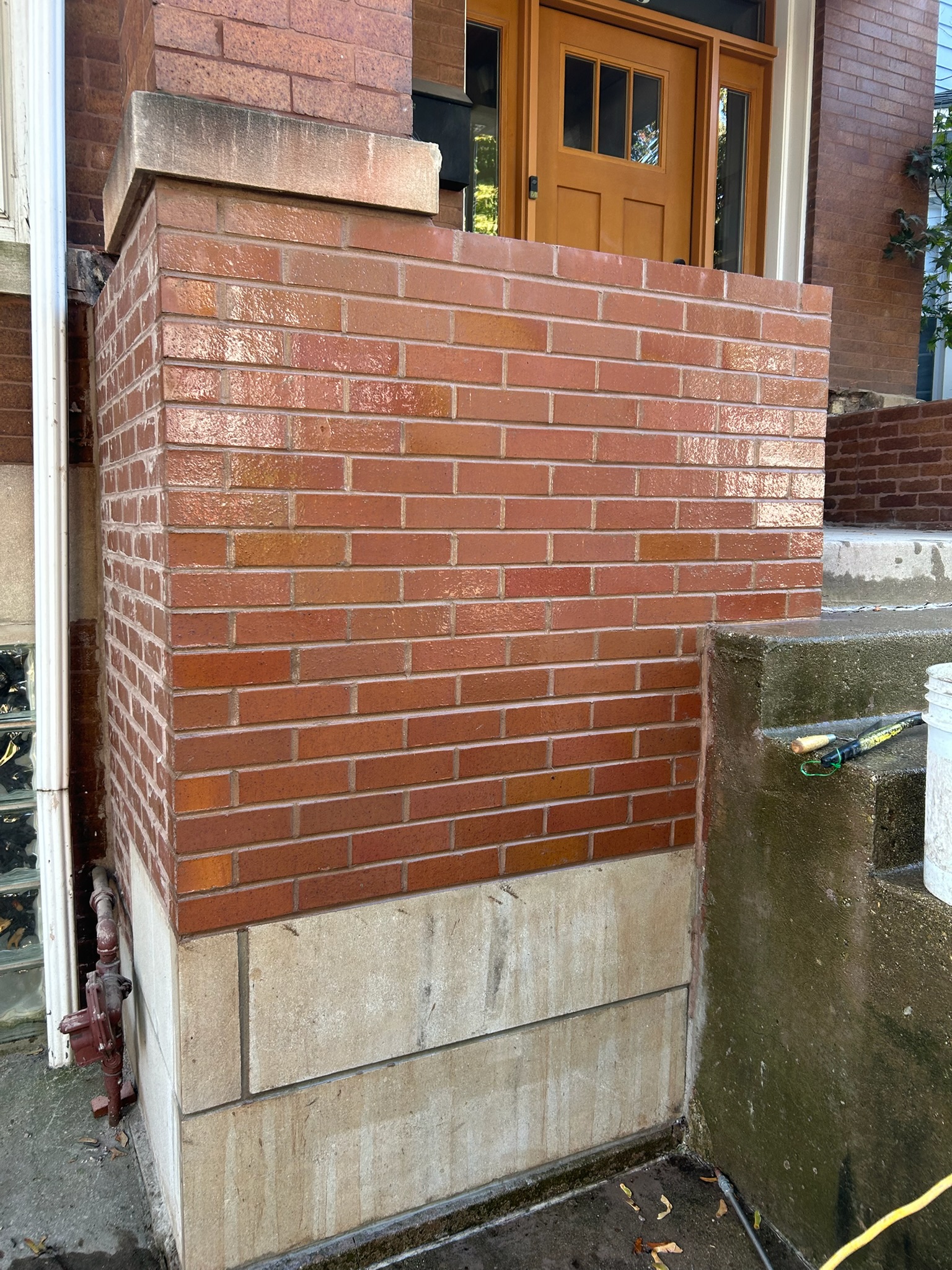
Your Two-Flat Has a Parapet: The Roofline Problem on Chicago Residential Masonry
A Chicago two-flat has a commercial roof detail on a residential building — a flat roof hidden behind a masonry parapet, with a decorative cap on top and nobody at all responsible for inspecting it.
Ready to Talk About Your Masonry Project? We're Here.
Get a Free Estimate