
Efflorescence Removal & Waterproofing
White stains are a symptom. Water in the wall is the problem.
Overview
Efflorescence — the white or gray powder that appears on brick and masonry surfaces — is dissolved mineral salts being carried to the surface by water moving through the wall. The staining itself is cosmetic, but it's a reliable indicator that water is finding its way through the masonry and depositing material as it evaporates. Left unaddressed, the underlying water movement causes ongoing mortar deterioration and eventual brick damage.
We identify the source of water entry first, address the masonry deficiencies causing it, then treat and seal the surface. Waterproofing applied over failed joints or active water infiltration doesn't work — it traps water inside the wall and makes things worse. Sequence matters.
Scope of Work
- Efflorescence cleaning and removal
- Penetrating masonry sealant application
- Surface waterproofing coatings
- Joint sealing and caulking
- Weep hole cleaning and restoration
- Water infiltration source identification
Quick Answer
Emerald Masonry LLC removes efflorescence and waterproofs brick and masonry across Chicagoland. We find and fix the water source first, then clean and apply a breathable penetrating sealer — never a film coating that traps moisture. Family-owned, licensed and insured, led by career masons with decades of hands-on Chicagoland experience. Call (708) 288-1696.
Warning Signs
When to Call Us
01
White or Gray Powder on Brick
Classic efflorescence — dissolved salts deposited on the surface as water evaporates. The mineral deposit itself is harmless but indicates active water movement through the wall. The source needs to be found and addressed.
02
Dark Staining or Wet Spots After Rain
Areas of brick that remain visibly darker or wet for longer periods after rain are absorbing more water than surrounding masonry. This indicates higher porosity in those sections — from failed joints, damaged brick, or inadequate waterproofing.
03
Recurring Efflorescence After Cleaning
If efflorescence has been cleaned previously but returns within a season or two, the underlying water path hasn't been addressed. Cleaning without source repair is temporary.
04
Interior Damp Walls
Moisture on interior wall surfaces adjacent to exterior masonry, especially at lower levels or below grade, can indicate water moving through the masonry wall assembly. The exterior surface treatment needs to accompany any interior remediation.
05
Rust Staining
Orange or brown staining on masonry surfaces typically indicates a metal component — lintel, tie, or reinforcement — is rusting inside or behind the wall. Water is the cause; the rust staining is the signal.
06
Staining at Horizontal Joints Only
When efflorescence or staining appears specifically at horizontal mortar joints, the cap joints at wall tops, window sills, or copings are allowing water in. These horizontal surfaces collect standing water and deteriorate faster than vertical joints.
Materials We Use
- Breathable penetrating silane/siloxane water repellents
- Masonry-safe efflorescence and stain cleaners
- Backer rod and elastomeric sealant for control joints
- Replacement weep-hole vents for cavity drainage
What Affects the Price
- Square footage of wall to clean and treat
- Extent of underlying joint or brick repair needed first
- Product selected and number of coats
- Access and surface height
Every building is different. We provide free on-site estimates so you get a real number for your property — call (708) 288-1696.
Making the Right Call
Sealing vs. repointing — order matters
Sealer applied over failed joints traps water inside the wall and accelerates spalling. The correct sequence is to repoint and repair first, then clean, then seal. Waterproofing protects sound masonry — it does not fix a wall that is still letting water in.
Past Work
Project Gallery
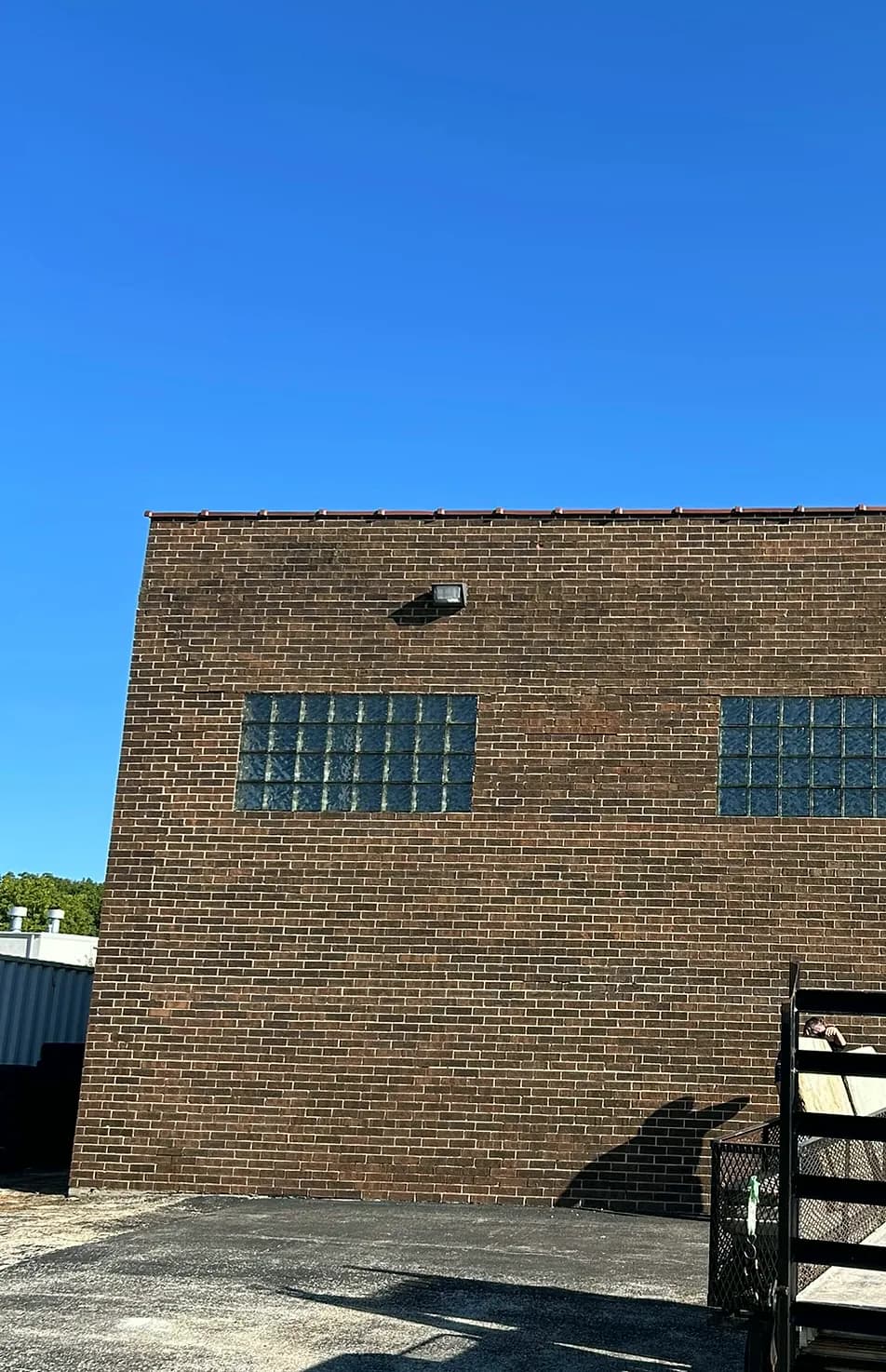
Commercial elevation sealed after repointing
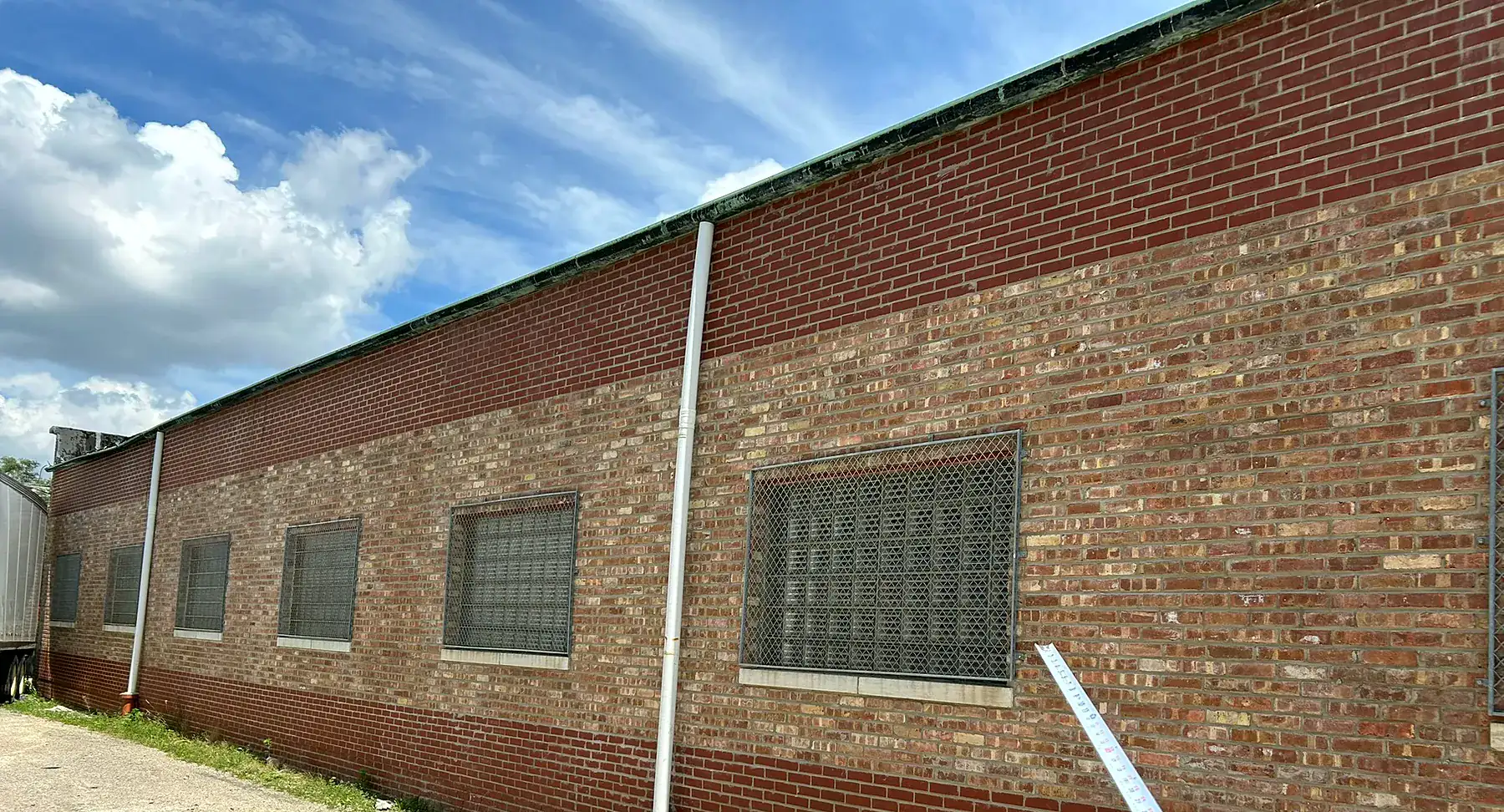
Repairs completed before any sealer is applied
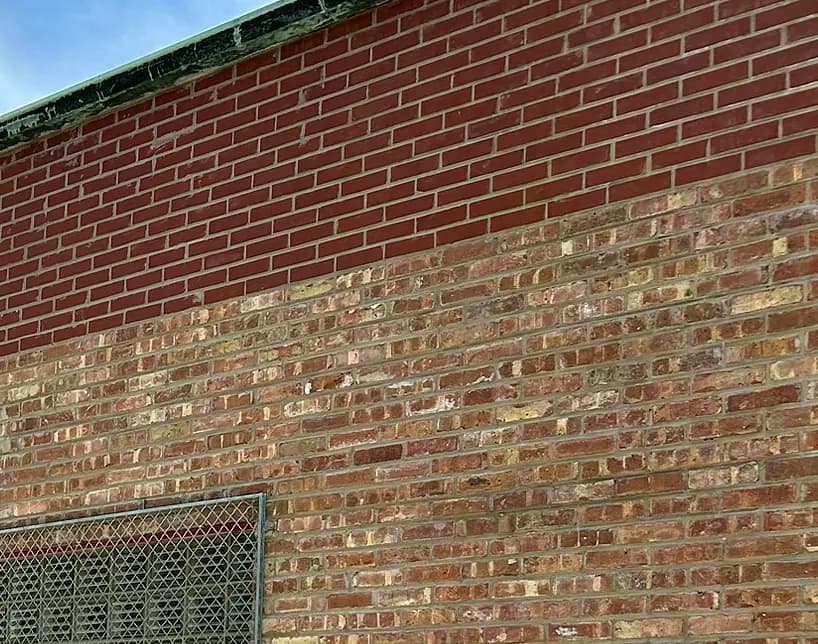
Breathable penetrating repellent — never a film coating
FAQ
Common Questions
A properly applied penetrating sealer significantly reduces water absorption into the masonry. It is not a substitute for proper mortar joints and sound brick. Sealers applied over failing mortar or active infiltration paths don't work — the water finds another way in, often with worse results because it can't escape.
Surface efflorescence can be cleaned with diluted muriatic acid or specialized masonry cleaners. The cleaning is secondary to finding and addressing the water source. If you clean it and it returns within a season, the underlying problem hasn't been solved.
Quality penetrating sealers last 5–10 years depending on the product, the porosity of the substrate, and the weather exposure of the surface. Parapets, north-facing walls, and below-grade surfaces need more frequent attention.
Penetrating sealers absorb into the masonry and are invisible once cured — they don't change the appearance of the surface. Surface coatings can add a slight sheen. We discuss the product options and their visual effects before application.
Get Started
Request a Free Efflorescence Removal & Waterproofing Estimate
Free on-site estimates for commercial and large-scale residential projects across Chicagoland. Upload diagnostic photos and we'll get back to you the same day.
Phone
(708) 288-1696Other Services
Service
Tuckpointing & Repointing
Stop water intrusion at the source — before it reaches the structure.
Service
Brick Repair & Replacement
Individual bricks fail. We replace them before the damage spreads.
Service
Chimney Repair & Rebuilds
The chimney is the most exposed masonry on the building. It shows first.
Service
Masonry Restoration
Large-scale deterioration requires a systematic approach — not a patch.
Service
Commercial & Industrial Masonry
Commercial masonry requires a contractor who shows up, communicates, and delivers.
Service
Brick Replacement
When a brick can't be saved, the right replacement disappears into the wall.
Service
Lintel Repair & Replacement
Rusting steel lifts the brick above it. Caught early, it's a contained repair.
Service
Parapet Wall Repair
Exposed on three sides with no roof above it, the parapet fails first.
Service
Foundation Masonry Repair
Where the building meets the ground, water and movement do the most damage.
Service
Limestone & Sill Repair
Stone sills shed water for the whole wall — until they crack and start holding it.
Service
Masonry Caulking & Joint Sealant
The right joint moves with the building. Mortar there just cracks.
Service
Masonry Sealing & Waterproofing
Keep liquid water out while letting the wall breathe — sequence and product matter.
Service
Commercial Masonry Restoration
Large footprints, occupied buildings, and boards that need documentation.
Service
Residential Masonry Restoration
When a home needs more than one repair, a coordinated plan beats years of patching.
Service
Historic Masonry Restoration
Old buildings need soft mortar and a light hand — modern materials damage them.