
Historic Masonry Restoration · Chicagoland, IL
How to Choose a Masonry Contractor for an Older Brick Home Near Chicago
An older brick home doesn't need the cheapest mason — it needs one who understands soft brick, lime mortar, and why the wrong materials can do more harm than the weather ever would. Here's what to ask, what to look for, and the red flags that should end the conversation.
2026-06-18
Quick Answer
Choosing a masonry contractor for an older brick home means hiring someone who matches mortar color and hardness, understands lime versus Portland mortar, and never sandblasts soft historic brick. Verify licensing, bonding, and insurance, and ask how they will match materials. Emerald Masonry LLC restores older Chicagoland brick homes — call (708) 288-1696 for a free estimate.
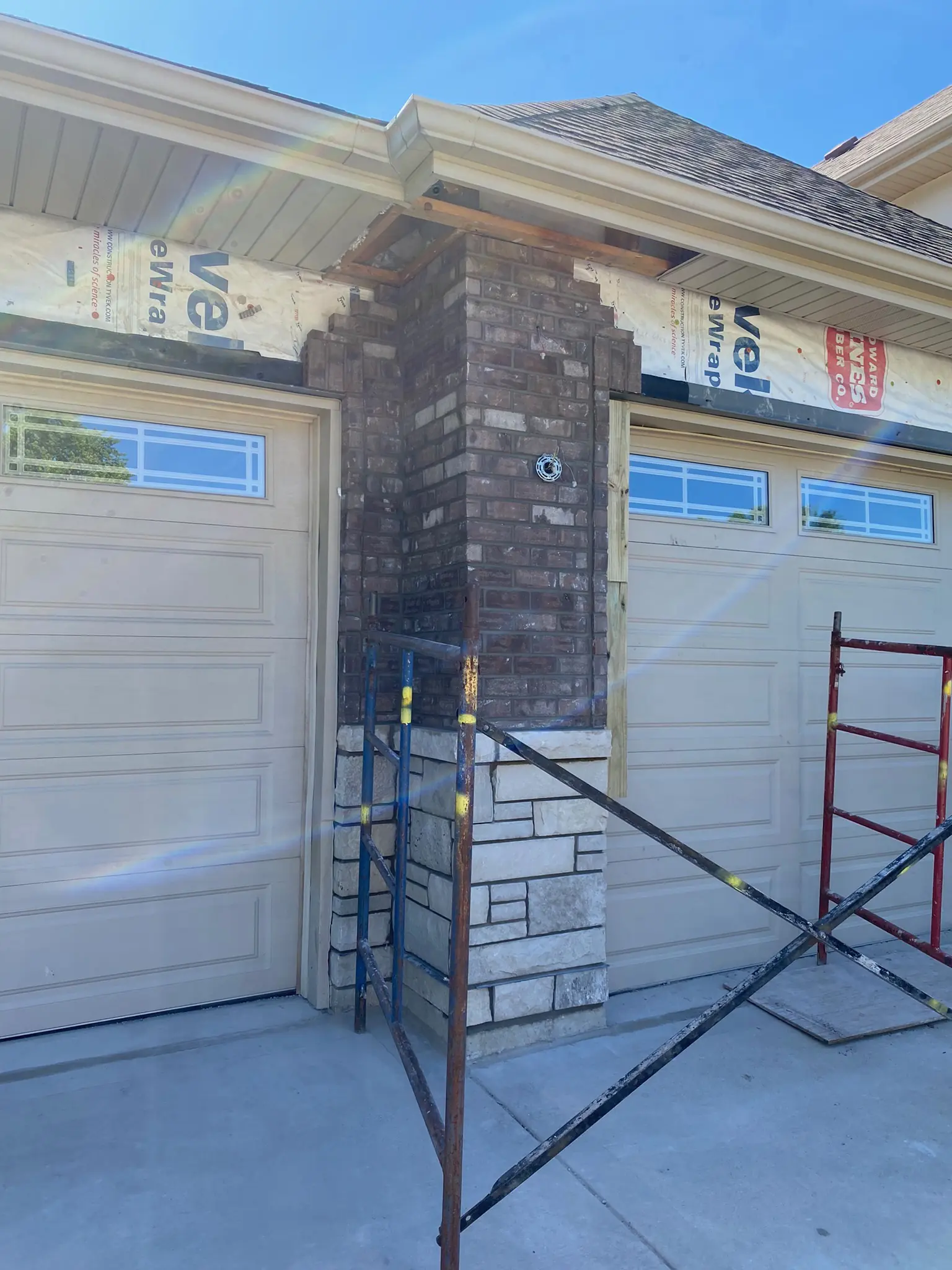
Choosing a masonry contractor for an older brick home comes down to one thing: hiring someone who understands that old masonry behaves differently from new. The right contractor matches mortar to your wall in both color and hardness, knows when a soft lime-based mortar is called for instead of hard Portland, will never sandblast your brick, and is licensed, bonded, and insured. The wrong one treats your 1910 greystone like a new build, uses whatever mortar is in the truck, and leaves the house worse off than the weather ever would. This guide gives you the questions to ask and the red flags that should end the conversation.
Why Older Brick Is a Different Job
Brick made decades or a century ago is usually softer and more porous than today's brick. The whole wall was designed as a system: soft brick paired with soft mortar, so the mortar — not the brick — takes the movement and weathering. Many of the worst masonry problems on older Chicago homes are not from age alone; they are from well-meaning repairs that ignored how the original wall was built.
That is why the cheapest bid is so often the most expensive choice on an old house. A crew that does not understand soft brick can lock in damage that costs far more to undo than the original repair would have cost to do right.
Mortar Matching: Color and Hardness
There are two halves to matching mortar, and a good contractor takes both seriously.
Color
New gray mortar packed into a warm, century-old wall reads as a scar. Matching color means matching the result of the original recipe — largely the sand and any pigment — as it looks aged on the wall today, not its day-one color. If a contractor cannot tell you how they will match the color, expect a permanent eyesore.
Hardness — the one that actually protects the brick
This is the part price-driven crews skip, and it is the most important. Mortar must be softer than the brick. When the mortar is softer, it absorbs the building's movement and the freeze-thaw stress, sacrificing itself slowly so the brick survives. When the mortar is harder than the brick — as modern Portland-heavy mixes often are — the brick has nowhere to give, so the brick face cracks and spalls instead. On a soft old wall, a hard mortar repair quietly destroys the very brick it was supposed to protect.
Lime vs. Portland Mortar
This is the technical heart of older-masonry work. Traditional lime mortar is soft, breathable, and slightly self-healing — it flexes and lets the wall release moisture. Modern Portland cement mortar is hard, strong, and far less breathable. On a new building, Portland is fine. On a soft historic wall, a Portland-heavy mix is too rigid and too dense; it traps moisture and forces the soft brick to take stress it cannot handle.
A contractor who understands older homes will talk about a lime-based or lime-Portland blend matched to the existing wall's hardness, not just default to standard bagged mortar. If you want the full breakdown, our deeper post on lime vs. Portland mortar explains exactly when each belongs on a wall.
Why Sandblasting Is the Wrong Way to Clean Old Brick
If a contractor proposes sandblasting to clean or "brighten" your brick, find another contractor. Historic brick has a hard, dense, fired outer skin that does the weather-resistance work. Sandblasting strips that skin off, exposing the soft, absorbent interior to rain and freeze-thaw. The brick may look cleaner for a season, then starts soaking up water and spalling for years. Aggressive grinding and high-pressure power washing do similar damage.
The correct approach is gentle: appropriate cleaning agents and low-pressure methods that lift dirt without removing the brick's protective face. A contractor who reaches for the sandblaster does not understand what they are working on.
Questions to Ask Before You Hire
Use these to separate restoration masons from general crews:
- "How will you match the mortar color and hardness to my existing wall?" Look for a specific process, not "we use a standard gray."
- "Will you use lime or Portland mortar here, and why?" The reasoning matters more than the word.
- "How will you clean the brick?" The right answer is gentle and low-pressure. "Sandblasting" or "high-pressure" is a dealbreaker.
- "Are you licensed, bonded, and insured, and can I see proof?" A confident yes with documentation.
- "Can you show work on homes like mine?" Older brick experience is its own skill set.
Red Flags That Should End the Conversation
- Proposes sandblasting or aggressive high-pressure cleaning.
- Cannot explain how they will match mortar hardness (not just color).
- Defaults to standard Portland mortar for every wall regardless of age.
- Will not provide proof of license, bond, and insurance.
- Pushes a same-day, sight-unseen price with no on-site look at the brick.
Licensing and Insurance Aren't Optional
On a major repair to your home, hiring a contractor who is licensed, bonded, and insured protects you if something goes wrong on the property or with the work itself. Always confirm coverage before anyone starts. It is a basic safeguard, and any legitimate contractor will provide proof without hesitation.
Why Homeowners Trust Emerald With Older Brick
Emerald Masonry LLC has spent 40-plus years working on Chicagoland's older brick homes — the greystones, bungalows, and pre-war two-flats where soft brick and matched mortar make all the difference. We are family-owned, non-union, licensed, bonded, and insured, and we match mortar in color and hardness, use lime-based mixes where the wall calls for it, and never sandblast historic brick. Estimates are free and on-site, with a $5,000 project minimum.
If you own an older brick home and want it repaired by someone who treats it like the system it is, schedule a free on-site estimate with Emerald Masonry or call (708) 288-1696. We will walk the house, explain what your specific brick and mortar need, and put it in writing.
FAQ
Why does mortar hardness matter on an old brick house?
Older brick is often softer than modern brick, and mortar must be softer than the brick so the mortar absorbs movement and weathering instead of the brick. A hard Portland mortar on soft historic brick forces the brick to crack and spall. Matching hardness is as important as matching color.
Is sandblasting a good way to clean old brick?
No. Sandblasting strips the hard, weather-resistant fired skin off historic brick, exposing the soft interior to water and accelerating decay. It is one of the most damaging things you can do to an older brick home. Gentle, low-pressure cleaning methods are the right approach.
What should I ask a masonry contractor before hiring them?
Ask how they will match mortar color and hardness, whether they use lime or Portland mortar for your wall, how they clean the brick, and whether they are licensed, bonded, and insured. Their answers reveal whether they understand older masonry or treat every wall the same. Vague answers are a warning sign.
Does my masonry contractor need to be licensed and insured?
Yes. Hiring a licensed, bonded, and insured contractor protects you if something goes wrong on your property or with the work. Emerald Masonry LLC is family-owned, licensed, bonded, and insured, with 40-plus years of Chicagoland experience. Always confirm coverage before work begins.
Frequently Asked Questions
Why does mortar hardness matter on an old brick house?
Older brick is often softer than modern brick, and mortar must be softer than the brick so the mortar absorbs movement and weathering instead of the brick. A hard Portland mortar on soft historic brick forces the brick to crack and spall. Matching hardness is as important as matching color.
Is sandblasting a good way to clean old brick?
No. Sandblasting strips the hard, weather-resistant fired skin off historic brick, exposing the soft interior to water and accelerating decay. It is one of the most damaging things you can do to an older brick home. Gentle, low-pressure cleaning methods are the right approach.
What should I ask a masonry contractor before hiring them?
Ask how they will match mortar color and hardness, whether they use lime or Portland mortar for your wall, how they clean the brick, and whether they are licensed, bonded, and insured. Their answers reveal whether they understand older masonry or treat every wall the same. Vague answers are a warning sign.
Does my masonry contractor need to be licensed and insured?
Yes. Hiring a licensed, bonded, and insured contractor protects you if something goes wrong on your property or with the work. Emerald Masonry LLC is family-owned, licensed, bonded, and insured, with 40-plus years of Chicagoland experience. Always confirm coverage before work begins.