
Commercial Masonry Restoration · Chicagoland, IL
Commercial Storefront Masonry Repair in Chicago: A Building Owner's Guide
The masonry on a commercial storefront takes more weather, more deferred maintenance, and more consequences than any house — a loose parapet brick over a public sidewalk is a very different problem than a spalled bungalow face. This guide walks property managers and building owners through how commercial facades fail, how repairs are staged on an occupied building, and what a real scope of work includes.
2026-07-28
Quick Answer
Commercial storefront masonry repair covers facade brick and tuckpointing, parapet walls, lintels over storefront openings, cornices, sills, and sealing on occupied commercial buildings. Emerald Masonry LLC restores storefronts and commercial facades across Chicagoland for property managers, HOAs, and building owners — phased to minimize business disruption. Family-owned, 40+ years, licensed and insured. Call (708) 288-1696.
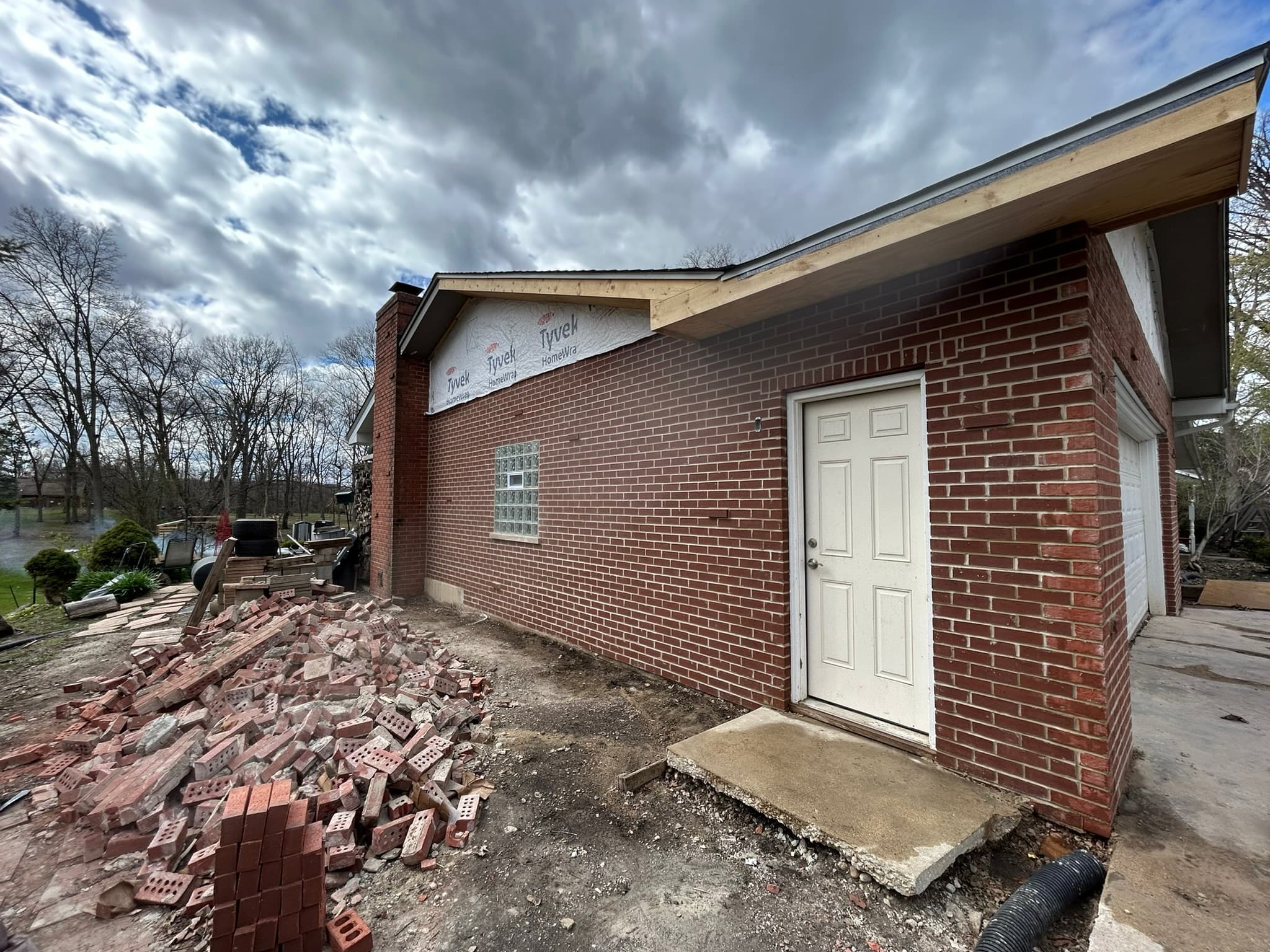
When masonry fails on a house, the stakes are a homeowner's comfort and repair bill. When it fails on a commercial storefront, the stakes include tenants, foot traffic, a public sidewalk below the parapet, an insurance file, and — for taller buildings — a facade ordinance. A loose brick over a busy Chicago retail entrance is not the same problem as a spalled bungalow face, and it shouldn't be managed the same way.
Emerald Masonry LLC repairs and restores commercial storefront masonry across Chicagoland for property managers, building owners, HOAs, and churches. This guide is written for the person who actually has to make the call — the manager or owner deciding what to fix, when, and how to keep the business running while it happens. It covers what commercial storefront masonry repair includes, why these facades deteriorate, how the work is staged on an occupied building, and what a real scope of work looks like.
What Commercial Storefront Masonry Repair Covers
A commercial facade is a system, and a proper repair scopes the whole system rather than chasing one visible crack. On Chicago storefronts and commercial buildings, that typically includes:
- Facade brick repair and tuckpointing — replacing spalled or cracked brick and repointing failed mortar joints across the elevation.
- Parapet wall repair — the most weather-exposed masonry on a flat-roofed building, and a frequent source of leaks and falling brick.
- Lintel repair and replacement — the steel beams spanning storefront windows, doors, and openings, which rust and lift the brick above.
- Cornice and coping repair — the projecting and capping elements that shed water off the top of the facade.
- Sill repair — stone or masonry sills that channel water away from openings.
- Sealing and waterproofing — breathable protection where appropriate, after the masonry is sound.
The through-line on nearly every commercial job is water and steel: water getting into the wall through failed joints, parapets, and coping, and embedded steel lintels and shelf angles rusting and expanding as a result.
Why Commercial Storefronts Deteriorate
Commercial masonry fails faster than residential for structural and human reasons both.
Freeze-thaw and exposure
Like every Chicago masonry surface, commercial brick drinks water and endures the freeze-thaw cycle all winter. But a storefront's parapet is exposed on both faces and takes concentrated runoff from the roof edge, so it weathers faster than the wall below.
Rusting steel — lintels and shelf angles
Most commercial storefronts span wide window and door openings with steel lintels, and multi-story facades often hang on shelf angles. As that hidden steel corrodes, it expands — a phenomenon called rust-jacking — and lifts and cracks the brick above. This is both the most common and the most safety-critical commercial repair, because the failure mode is brick dropping onto a sidewalk.
Failed flashing and coping
Water that gets past coping stones and through-wall flashing at the parapet and roof edge runs straight into the wall, washing out mortar and rusting steel from the inside.
Deferred maintenance
The quiet killer. On an owner-occupied house, small problems get noticed. On a leased commercial building, open joints and a hairline parapet crack are invisible to tenants and easy to defer — until they become water in a tenant's ceiling or a chunk of parapet on the pavement.
Signs a property manager should act on
- Cracking above storefront windows and doors, often with orange rust staining.
- White efflorescence or damp patches on interior tenant walls.
- Loose, bulging, or displaced brick, especially at the parapet.
- Open, receding, or sandy mortar joints across the facade.
- Water stains at the top-floor ceiling or roof line.
The Process on an Occupied Commercial Building
The defining challenge of commercial work isn't the masonry — it's doing the masonry while the business runs. Our process is built around that.
- Inspection and assessment. We evaluate the full facade — brick, joints, lintels, parapet, coping, sills — and document conditions with the detail a manager, board, or insurer needs.
- Scope and phasing. We build a scope that can be phased to minimize disruption: sequencing the facade, scheduling loud or access-blocking work around business hours, and keeping the storefront usable throughout.
- Access and safety. We set up scaffolding or lift access, and — critically on a storefront — sidewalk and entrance protection so customers and the public stay safe below the work.
- Repair. We tuckpoint and replace brick, repair or replace lintels and shelf angles, rebuild parapets, and address coping and flashing so water stops getting in.
- Seal and finish. Where appropriate, we finish with breathable masonry sealing and waterproofing once the wall is sound.
Because commercial facades touch so many elements at once, this work draws on commercial masonry restoration, commercial-grade tuckpointing, and parapet wall repair in a single coordinated project.
Materials and Technique
Commercial repairs use Type N and Type S mortar matched to the existing wall, matched face brick for replacements, galvanized or coated steel for lintel and shelf-angle work, and proper flashing and coping to keep water out for the long term. On a commercial building especially, the goal is a repair that lasts through many winters with minimal re-entry — every return trip to a multi-story facade means scaffolding again, so getting the water management right the first time is where the real savings live.
What Drives the Cost
Commercial pricing has a wide range, and the biggest drivers are:
- Height and access — scaffolding or lifts on a multi-story facade is often the largest single factor.
- Scope — isolated lintel and spot repointing versus a full-facade restoration.
- Occupied-site logistics — phasing, off-hours scheduling, and public protection.
- Extent of hidden steel — how many lintels and shelf angles are involved.
- Parapet and coping condition — often more deteriorated than the visible wall.
We scope commercial work with a free on-site assessment, and we can phase it to fit a maintenance budget across a season or a fiscal year.
Who This Is For
Commercial storefront masonry repair is the daily work of the people responsible for buildings: property managers juggling tenants and budgets, condo and homeowner associations maintaining a shared facade, churches preserving decades-old masonry, and retail and mixed-use owners — the two-flat-over-storefront that defines so many Chicago commercial streets. It's also frequently insurance-claim work after storm or impact damage. Emerald Masonry works with all of them and provides the documentation boards and carriers need.
A Note on Facade Compliance
Taller buildings in Chicago fall under a facade-inspection ordinance that requires periodic assessment of exterior walls and prompt correction of unsafe conditions. What applies depends on your building's height and location, and this isn't legal advice — but the practical point for an owner is that a deteriorating parapet or a rust-jacked lintel over a public way isn't only a maintenance issue, it's a liability and compliance one. A masonry contractor experienced with commercial facades can help you understand an inspection's findings and act on them.
The Chicago Context
Chicago and its inner suburbs are built on masonry commercial corridors — brick storefronts, mixed-use two-flats over retail, and older commercial blocks from Cicero and Berwyn through the South and Southwest sides and out into Oak Lawn, Evergreen Park, and the rest of Cook County. Much of it is a century old, built with softer historic mortar and now carrying steel that has spent decades quietly rusting. The same freeze-thaw climate that attacks houses works even harder on parapets and cornices with weather on every side. Keeping these facades sound is both an operating cost and a public-safety responsibility.
Maintenance and Prevention
- Schedule routine inspections — every few years and after severe weather, plus any required facade-ordinance cycle.
- Keep water managed — sound coping, flashing, and roof-edge details.
- Repoint failing joints early, before water reaches the steel.
- Address rust staining promptly — it's the visible warning of a lintel or shelf angle beginning to fail.
- Budget proactively — phased maintenance is far cheaper than emergency repair and the liability of falling masonry.
Emerald Masonry LLC is a family-owned, licensed and insured masonry contractor serving Chicago and the Chicagoland suburbs with 40+ years of experience in tuckpointing, chimney repair, brick repair and replacement, lintel and parapet repair, foundation and limestone/sill repair, caulking, sealing, and commercial, residential, and historic masonry restoration. Free on-site estimates — call (708) 288-1696.
Scope Your Storefront With a Free Assessment
If you manage or own a Chicagoland commercial building, the smartest money in masonry is spent early — on an assessment that catches the parapet, the lintel, and the open joints before they become a leak, a claim, or a liability. Emerald Masonry LLC brings 40+ years of Chicagoland experience, works directly with property managers, HOAs, churches, and insurers, and phases the work to keep your business running. We're family-owned, licensed, bonded, and insured. Call (708) 288-1696 or reach us through our contact page for a free on-site commercial masonry assessment.
Frequently Asked Questions
What does commercial storefront masonry repair include?
It covers the whole exterior masonry system of a commercial building: facade brick repair and tuckpointing, parapet walls, steel lintels over storefront and window openings, cornices, sills, coping, and sealing. On most storefronts, water intrusion and rusting steel drive the biggest repairs. A proper assessment scopes all of it rather than patching one visible spot.
Can masonry repair be done without closing my business?
Almost always, yes. Commercial masonry repair is routinely staged and phased on occupied buildings — scheduling loud or access-blocking work around business hours, protecting entrances and sidewalks, and sequencing the facade so the storefront stays usable. Emerald Masonry plans the phasing around your operations before work begins.
Why is the brick above my storefront windows cracking?
The usual cause is a rusting steel lintel — the beam spanning the opening expands as it corrodes and lifts the brick above, cracking the joint. Left alone, it can drop brick onto the sidewalk. It's one of the most common and most safety-critical commercial masonry repairs.
What is a parapet wall and why does it matter on a commercial building?
A parapet is the section of exterior wall that extends above the roofline on a flat-roofed building. It's exposed to weather on both faces and takes water from the roof edge and coping, so it deteriorates faster than the wall below and is a frequent source of leaks and falling masonry. Parapet failures are a leading reason property managers call a mason.
How much does commercial tuckpointing or facade repair cost in Chicago?
It's driven by the building's height and access, the scope of work, and the logistics of working on an occupied site — scaffolding or lift access on a multi-story facade is a major factor. Because commercial buildings vary so much, a real number requires an on-site assessment. Emerald Masonry provides a free on-site estimate and can scope work in phases.
Do commercial buildings in Chicago require facade inspections?
Taller buildings in Chicago fall under a facade-inspection ordinance requiring periodic exterior-wall assessment and maintenance, and unsafe facades must be addressed. Requirements depend on the building's height and location, so owners should confirm what applies to their property. A masonry contractor experienced with commercial work can help you understand and act on the findings.
Do you work with property managers, HOAs, and insurance companies?
Yes. Emerald Masonry regularly works with property managers, condo and homeowner associations, churches, and insurance companies on commercial and multi-unit masonry. We can document conditions for boards and claims and scope work to fit a maintenance budget. Clear reporting and phasing are part of the job on commercial projects.
Is it better to repair or fully restore a commercial facade?
It depends on how widespread the deterioration is. Isolated spalling, a failed lintel, or a section of open joints is a targeted repair; a facade with failing mortar throughout, parapet problems, and multiple rusting lintels is better addressed as a coordinated restoration. An assessment tells you which is more cost-effective over the building's life.
How often should a commercial building's masonry be inspected?
A good baseline is a professional look every few years and after severe weather, with taller buildings following their required inspection cycle. Catching open joints, cracked lintels, and parapet movement early prevents both water damage inside and falling-masonry liability outside. Routine inspection is far cheaper than emergency repair.