
Brick Repair · Chicagoland, IL
Detached Garage & Shed Masonry Repair in Chicago: Why Your Brick Outbuildings Fail First
Brick garages, coach houses, sheds, and garden walls deteriorate before your house does. Here's why detached masonry fails first in Chicago's freeze-thaw climate — and what proper repair involves.
2026-07-04
Quick Answer
Detached brick structures — garages, coach houses, sheds, garden walls, and mailboxes — deteriorate before a house does because they get no interior heat, more freeze-thaw cycling, and constant ground splash from failing roofs and flashing. Emerald Masonry LLC repairs spalled brick, open joints, cracked garage-door lintels, and leaning walls across Chicagoland. Free on-site estimates — call (708) 288-1696.
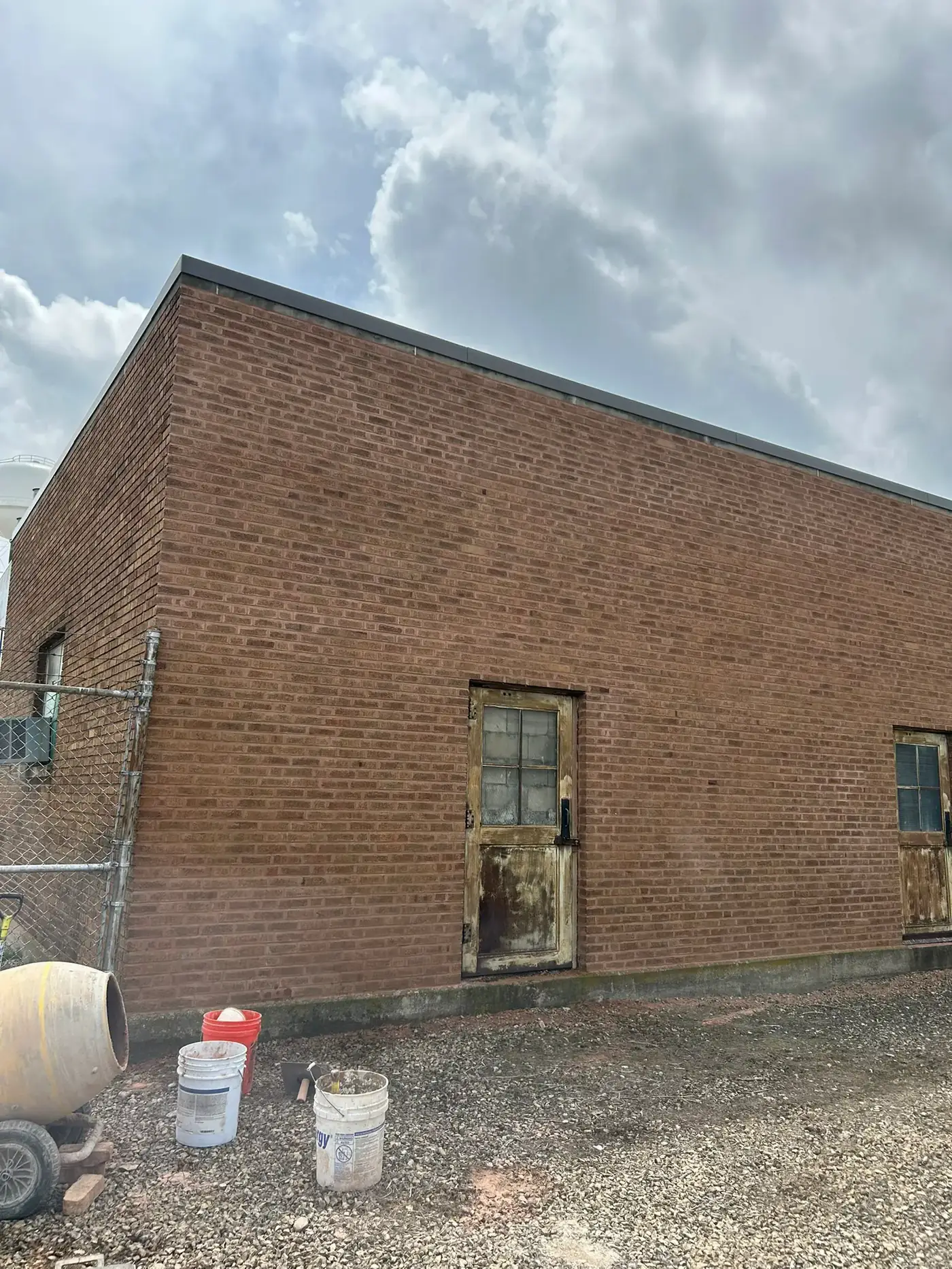
Detached Garage & Shed Masonry Repair in Chicago: Why Your Brick Outbuildings Fail First
If your brick garage, coach house, or garden wall looks noticeably rougher than your house, that's not your imagination — detached masonry almost always fails first. It gets no interior heat, so it cycles through more freeze-thaw damage, it sits closer to the ground where splash and standing water attack the brick, and it's usually the last structure anyone maintains. In Chicago, where entire alleys are lined with century-old brick garages and coach houses, these overlooked outbuildings are often the first place mortar crumbles and brick begins to spall.
Emerald Masonry LLC repairs these structures across Chicagoland every season, and the pattern is remarkably consistent. Below is why detached brick deteriorates ahead of everything else, the problems we see most, and what a proper repair actually involves.
Why detached structures deteriorate first
No interior heat means harsher freeze-thaw. Your house is warmed from the inside all winter, which keeps its masonry above freezing more of the time. A detached garage or shed has no such buffer. Every time it rains or snow melts, water soaks into the brick and mortar, then freezes overnight — expanding roughly 9% and prying the material apart from within. An unheated wall in Chicago can run through dozens of freeze-thaw cycles a winter, and each one does a little more damage. That single difference — no interior heat — is the biggest reason your garage ages faster than your home.
Deferred maintenance. Nobody notices a hairline crack in the alley the way they notice one on the front of the house. Small openings that would get sealed on a home go unaddressed on an outbuilding for years, letting water drive deeper into the wall until repointing alone is no longer enough.
Ground contact and splash. Detached garages and sheds often sit on grade with little or no overhang. Rain hits the pavement and splashes back onto the lower courses; snow piles against the base and melts slowly into the brick. The bottom two or three courses take the worst of it, which is exactly why foundation-course deterioration is so common on these structures.
Failing roofs and flashing. A tired garage roof or missing flashing doesn't just leak inside — it channels water directly down the masonry. That constant runoff saturates the same spots over and over, accelerating spalling and washing lime out of the mortar joints. Fix the water first, then the brick, or the repair won't last.
The problems we see most on detached masonry
- Spalling brick. The brick face flakes, pops, or crumbles as trapped water freezes behind it. Once the hard outer skin is gone, the softer core soaks up even more water and fails faster.
- Open and crumbling mortar joints. Mortar is sacrificial — it's meant to wear before the brick does. On unmaintained garages the joints recede, turn to sand, and stop keeping water out.
- Cracked lintels over garage doors. The steel or masonry lintel spanning a wide garage-door opening carries real load. When it rusts, sags, or cracks, the brick above it steps and separates — a classic detached-garage failure.
- Leaning walls. When lower courses or the footing wash out, a wall can bow or lean. This is a structural warning sign, not a cosmetic one.
- Deteriorated foundation courses. The bottom courses, closest to splash and standing water, are frequently the most eroded part of the entire structure.
- Freestanding brick failures. Garden and site walls, entry piers, and brick mailboxes take weather from every side and often have no protective cap, so they open up and lean sooner than anything.
Chicago's brick garage and coach house stock
Chicago and the surrounding suburbs have one of the largest inventories of alley brick garages and coach houses anywhere in the country — many built alongside two-flats and bungalows a century ago. That heritage is beautiful, but it also means a huge number of these structures are well past their original mortar's service life. We see this constantly in older neighborhoods and in suburbs like Oak Park and Berwyn, where mature brick garages and coach houses line nearly every alley. The good news: because the original craftsmanship was solid, most of these buildings are absolutely worth repairing rather than tearing down.
What repair actually involves
For most detached structures, restoration follows a clear sequence. First we stop the water — addressing roof, flashing, and grading issues that are feeding the damage. Then we address the masonry itself. Sound-but-worn joints get tuckpointing & repointing: the failed mortar is cut out to a proper depth and repacked with a mix matched to the original in strength and color, so the new work sheds water instead of trapping it.
Where the brick has spalled or crumbled, we handle brick repair — cutting out the damaged units and replacing them with matching brick, or rebuilding failed courses where the damage is widespread. Cracked or sagging steel over the doorway calls for lintel repair, which restores proper support so the brickwork above stops shifting. Leaning walls and washed-out foundation courses are stabilized and rebuilt from a sound base up.
Done correctly, a repaired brick garage, coach house, or wall can stand for another generation. The key is catching it before spalling and joint failure spread — a small repointing job today is far cheaper than rebuilding a leaning wall tomorrow.
Emerald Masonry LLC is a family-owned, licensed and insured masonry contractor serving Chicago and the Chicagoland suburbs led by career masons with decades of hands-on experience in tuckpointing, chimney repair, brick repair and replacement, lintel and parapet repair, foundation and limestone/sill repair, caulking, sealing, and commercial, residential, and historic masonry restoration. Free on-site estimates — call (708) 288-1696.
Get your detached structure assessed
If your brick garage, shed, coach house, garden wall, or mailbox is showing spalling, crumbling joints, cracks over the door, or any lean, don't wait for another Chicago winter to make it worse. Reach out through our contact page or call (708) 288-1696 for a free on-site estimate. We'll tell you honestly whether it needs a targeted repair or a partial rebuild — and give you an accurate price for your specific structure.
Frequently Asked Questions
Why does my detached brick garage look worse than my house?
Detached structures get no interior heat, so their masonry endures more freeze-thaw cycles, and they're usually the last thing on a maintenance list. Combined with roof and flashing water dumping onto the brick, they deteriorate years before an occupied, heated home does.
Is a leaning brick garage wall dangerous?
It can be. Leaning walls usually mean the foundation courses or footing have failed, or water has washed out mortar behind the face. A leaning wall should be assessed promptly — Emerald Masonry offers free on-site evaluations at (708) 288-1696.
Can spalling brick on a garage be repaired, or does the wall need rebuilding?
It depends on how deep the damage runs. Surface spalling on scattered brick can be cut out and replaced with matching units. When spalling is widespread or the wall has shifted, a partial rebuild of the affected courses is the durable fix.
Do you repair brick mailboxes, piers, and garden walls too?
Yes. Freestanding brick — mailboxes, entry piers, and garden or site walls — takes water from every side and often has no cap protecting it. Emerald Masonry repairs and rebuilds these structures along with garages and coach houses.
How much does detached garage masonry repair cost in Chicago?
Cost depends on the extent of spalling, joint deterioration, lintel condition, wall movement, and access. Emerald Masonry provides a free on-site estimate so you get an accurate price for your specific structure — call (708) 288-1696.