
Historic Masonry Restoration · Chicagoland, IL
Greystone Facade Restoration in Chicago — Saving the City's Limestone Homes the Right Way
Chicago's greystones are limestone-fronted survivors from the 1890s–1920s, and most of them are now failing quietly behind hard modern mortar, sandblasting scars, and eroded sills. Greystone facade restoration is a specialist repair — not a power-wash and a caulk gun — and doing it wrong permanently damages irreplaceable stone. Here's how the work is actually done, what goes wrong, and how a family-owned mason approaches a century-old facade.
2026-07-28
Quick Answer
Greystone facade restoration in Chicago is the specialist repair of limestone-fronted homes — gentle cleaning, repointing with soft lime-compatible mortar, Dutchman stone piecing, and sill and lintel repair. Emerald Masonry LLC is a family-owned, licensed and insured contractor with 40+ years of Chicagoland experience restoring greystones the right way. Free on-site estimates — call (708) 288-1696.
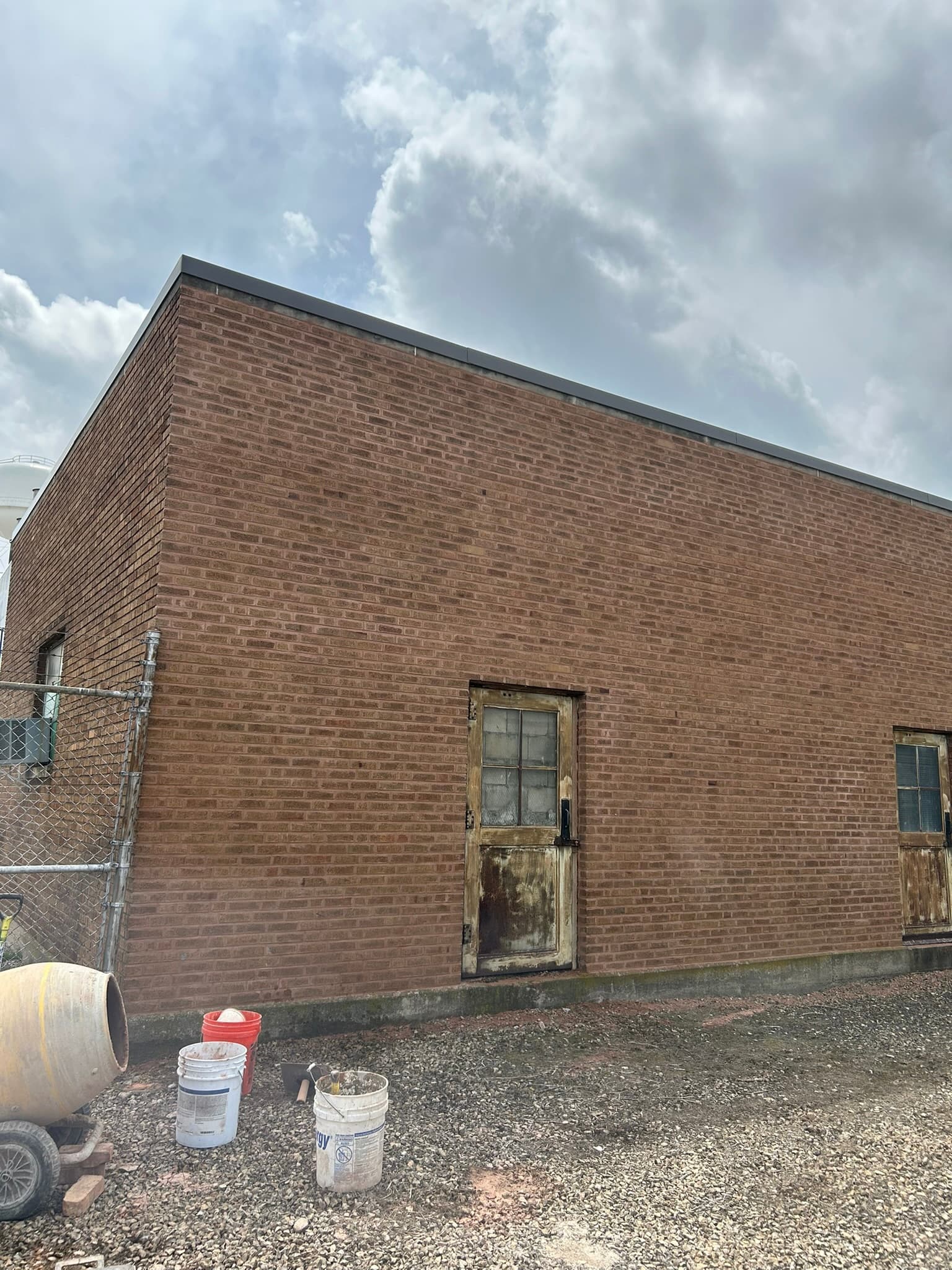
If you own a Chicago greystone, the limestone on the front of your home is almost certainly a century old — and it was never meant to be repaired the way most contractors repair it. Greystone facade restoration is the specialist work of cleaning, repointing, and rebuilding a historic limestone facade with materials and methods that match how the wall was originally built. Done correctly, it can add decades of life to irreplaceable stone. Done with the wrong mortar or a sandblaster, it does permanent, un-reversible damage. Emerald Masonry LLC is a family-owned, licensed and insured masonry contractor with 40+ years of Chicagoland experience restoring greystones the right way — call (708) 288-1696 for a free on-site estimate.
This guide explains what a greystone actually is, why these facades fail, and how the restoration is properly done — so you can tell a real restoration from a repair that will quietly ruin your stone.
What a Chicago Greystone Actually Is
The greystone is one of Chicago's signature building types. Built mostly between the 1890s and the 1920s, a greystone is a rowhouse, single-family home, or two-flat with a facade faced in gray Bedford (Indiana) limestone — the same stone quarried in southern Indiana that clads much of the city's landmark architecture. Behind that limestone front is a structural wall of common brick. The limestone you see is the finish layer: carved sills, lintels, water tables, cornices, and coursed ashlar blocks, all set in soft historic mortar.
That construction matters, because a greystone is not a solid stone building. It is a composite wall — limestone face, brick backup, and mortar tying it all together — and every part ages differently. The building science that keeps it standing depends on those materials working as a breathable system: moisture that gets in has to be able to get back out, and the mortar has to be the "sacrificial" part that gives way before the stone does.
Emerald Masonry LLC is a family-owned, licensed and insured masonry contractor serving Chicago and the Chicagoland suburbs with 40+ years of experience in tuckpointing, chimney repair, brick repair and replacement, lintel and parapet repair, foundation and limestone/sill repair, caulking, sealing, and commercial, residential, and historic masonry restoration. Free on-site estimates — call (708) 288-1696.
Why Greystones Deteriorate
Most greystone damage traces back to two things: water and the wrong mortar. Usually they work together.
Hard modern mortar against soft historic stone
Original greystones were laid in soft, lime-rich mortar. It's weaker than the limestone by design — so when the wall expands, contracts, and freezes, the mortar joints flex and crumble first, and the stone survives. When a later contractor repoints with hard, modern Portland-cement mortar, that relationship inverts. Now the joints are harder than the stone, and every cycle of movement drives stress into the limestone instead. The stone begins to spall — flaking and shearing off at the joint edges. This is the single most common way well-meaning "repairs" destroy a greystone, and it's why mortar-hardness compatibility is non-negotiable on historic limestone.
Freeze-thaw and moisture
Chicago's climate is brutal on masonry. Water soaks into open joints and porous stone, then freezes, expands, and pries the material apart — the freeze-thaw cycle repeating dozens of times each winter. Failed joints, clogged or missing flashing, and eroded sills all let more water in, which accelerates everything.
Sandblasting damage
Decades ago, "cleaning" a greystone often meant sandblasting it. That stripped away the dense, protective outer skin the limestone forms over time and left the surface soft and open-pored. A sandblasted greystone drinks water and erodes far faster than one that was never touched — and there is no way to put that skin back. Any restoration on a previously blasted facade has to account for stone that is already compromised.
Rusted embedded steel and eroded sills
Greystones often have steel embedded in or behind the facade — shelf angles, lintels over openings, and anchors. When water reaches that steel, it rusts and expands to several times its original volume, cracking and displacing the stone around it (sometimes called rust jacking). Carved limestone sills are also low points where water sits, so they're frequently the first elements to erode, crack, and lose their wash.
Warning Signs Your Greystone Needs Restoration
- Spalling or flaking limestone — thin sheets or crumbs shedding off the face, especially near joints and sills.
- Open, receding, or missing mortar joints you can slide a key into.
- Cracked or eroded sills and lintels, or sills that no longer slope water away.
- Dark staining, efflorescence (white salt bloom), or rust-colored streaks from embedded steel.
- Displaced, tilted, or bulging stones — a sign of moisture, rusting steel, or backup-wall movement.
- A chalky, overly rough surface — often the fingerprint of past sandblasting.
If you're seeing several of these, the facade is actively taking on water and the damage compounds every winter. Waiting turns a repointing job into stone replacement.
How Greystone Facade Restoration Is Properly Done
A real restoration follows a sequence built around preserving original material:
- Inspection and assessment. Identify failed joints, spalled and displaced stones, sill and lintel damage, prior hard-mortar repairs, sandblasting, and any rusting steel behind the facade.
- Gentle cleaning — never sandblasting. Low-pressure washing and appropriate, stone-safe masonry cleaners lift soiling and biological growth without stripping the stone's surface.
- Repointing with compatible mortar. Failed joints are carefully raked out and repacked with a soft, lime-based mortar matched to the original in strength, color, sand, and joint profile.
- Dutchman stone repair. Where the face has spalled or broken, a piece of matched limestone — a Dutchman — is cut and set in to restore the original profile, instead of smearing on cement patch that won't match or last.
- Sill and lintel repair. Eroded sills are rebuilt or replaced and re-pitched to shed water; rusted steel lintels are treated or replaced so the corrosion stops driving cracks.
- Sealing where appropriate. If the stone is sealed at all, it's with a breathable treatment that repels liquid water while still letting vapor escape — never a film that traps moisture inside.
How a Dutchman stone repair is actually done
A Dutchman repair is skilled bench-and-wall work, not a patch. When a section of the limestone face has spalled, cracked, or broken away, the mason:
- Sources matched stone. New Bedford or Indiana limestone is selected to match the original facade's color, grain, and bedding as closely as possible, so the repair reads as part of the wall rather than an insert.
- Cuts out the failed area cleanly. The damaged stone is squared off to a sound edge with a regular geometry, giving the Dutchman a solid seat instead of a feathered edge that would fail again.
- Cuts the new piece to profile. The replacement is shaped to the exact profile of what it's replacing — a flat ashlar face, a sill wash, a lintel edge, or a carved detail — so the restored line matches the surrounding coursing.
- Keys and pins it in place. The Dutchman is bedded in compatible mortar and, where needed, pinned with non-corroding stainless anchors so it can't shift or shear off.
- Dresses the finish. The new stone is finally tooled and dressed to match the texture of the aged facade, then the joints are pointed in soft mortar. Once a season or two of Chicago weather tones the new stone, a good Dutchman is nearly invisible.
Piecing in matched stone this way keeps the facade original — far better for both durability and historic value than smearing a cement patch across a hole, which never matches and pops off within a few winters.
Materials and Technique
| Element | The right approach | What causes damage | |---|---|---| | Mortar | Soft, lime-rich, matched to original | Hard Portland-cement mortar | | Cleaning | Low-pressure, stone-safe cleaners | Sandblasting / high-pressure blasting | | Spalled stone | Matched-limestone Dutchman piecing | Cement "patch" smears | | Sealer | Breathable, vapor-open repellent | Film-forming sealers that trap moisture | | Sills/lintels | Repair, re-pitch, treat/replace steel | Ignoring rust and standing water |
The through-line is compatibility: every material introduced should be as soft or softer than the historic stone and should let the wall keep breathing. That's the difference between restoration and slow demolition.
How greystones are cleaned without harming the stone
Cleaning is where a lot of irreversible damage happens, so the method is chosen to match the soiling — always at the gentlest effective level:
- Low-pressure water washing handles ordinary dirt and atmospheric grime. Soft water and time do the work, not force, so the stone's protective outer skin stays intact.
- Poultice cleaning draws out deep stains — oil, rust, or paint bleed — by pulling the staining material out of the porous stone into an absorbent paste rather than driving it deeper.
- Biological cleaners (mild, stone-safe D/2-type products) remove the green and black growth of algae, mold, and biological staining that's common on shaded north-facing greystone walls.
What a greystone should never get is sandblasting or high-pressure washing. Both strip the dense, weathered skin the limestone has built up over a century and leave the surface soft, open-pored, and permanently thirsty for water — accelerating exactly the spalling and freeze-thaw damage the restoration is meant to stop. There is no re-sealing a stone back to how it was before it was blasted.
Sill and lintel erosion — the most common failure point
If one part of a greystone fails first, it's almost always the limestone sills and lintels around the windows and doors. These are the horizontal ledges where rain, snowmelt, and ice sit longest, so they take the most freeze-thaw punishment. Over time a sill loses its wash — the slight slope that sheds water away from the wall — and once water pools instead of running off, the stone erodes, cracks, and can shear at the front edge. Lintels have the added problem of often carrying embedded steel, which rusts, expands, and cracks the stone from the inside.
Restoring these elements means re-establishing the profile and the drainage: badly eroded sills are rebuilt or replaced with matched limestone and re-pitched so water runs off again, minor losses are pieced in with a Dutchman, and rusting lintel steel is treated or replaced so the corrosion stops driving new cracks. Because sills and lintels are where water damage starts, catching them early is often what keeps a small repair from turning into full-facade work — which is exactly what dedicated limestone and sill repair is for.
Historic and Facade-Ordinance Context in Chicago
Many greystones sit in or near Chicago landmark districts, and a good number are individually protected. Landmarked properties and those in landmark districts can require review before facade work, and taller masonry buildings fall under the city's facade-inspection ordinance. For most single-family and two-flat greystones, like-for-like cleaning and repointing is treated as ordinary maintenance — but the responsible move is to confirm the specifics with the city up front. A licensed contractor handles that verification as part of the job rather than discovering it midway.
What Drives the Cost
Greystone restoration is priced by the actual facade, not a flat rate. The biggest cost factors are:
- Height and access — a three-story facade needs staging a garden-level two-flat may not.
- Scaffolding over a sidewalk or public way.
- How much stone must be pieced in (Dutchman work and matched limestone) versus simply repointed.
- Extent of sill, lintel, and embedded-steel repair.
- Prior damage — a previously sandblasted or hard-mortared facade takes more careful work.
Because no two greystones are alike, Emerald Masonry gives a free on-site estimate after inspecting the real wall, and never promises an exact price sight-unseen.
DIY vs. a Restoration Specialist
Greystone is one of the worst possible surfaces for DIY or general-handyman repair. The two most common "helpful" mistakes — repointing with hard cement mortar and pressure-washing or sandblasting to clean — both cause damage that cannot be undone. Matching historic mortar, cutting a Dutchman, and diagnosing rusting embedded steel are specialist skills. On a facade made of irreplaceable century-old limestone, the cost of getting it wrong is measured in stone you can't buy back.
Chicagoland Local Context
Greystones cluster across the city and near suburbs — the classic boulevard rows of Logan Square and Humboldt Park, the stately blocks of Kenwood and Bronzeville, and the greystone-and-brick homes of Beverly on the Far South Side, plus greystone two-flats scattered through neighborhoods across the South and West Sides. They share the same vulnerabilities: soft historic stone, a century of Chicago freeze-thaw, and too many past repairs done with hard modern mortar or a sandblaster. Taller greystone buildings — three- and four-story rows and mixed-use blocks — can also fall under Chicago's facade-inspection ordinance, which requires periodic inspection of exterior walls and appurtenances above a certain height; restoration on those buildings is coordinated with that requirement. Emerald Masonry restores these facades — and the brick backup walls behind them — across Chicago and the surrounding Chicagoland suburbs.
Maintenance That Protects a Greystone
- Keep water moving away — clear gutters, downspouts, and sills so water doesn't sit on or behind the stone.
- Repoint failing joints early, before open joints let water reach the backup wall and any embedded steel.
- Inspect after hard winters for new spalling, cracks, or displaced stones.
- Never let anyone sandblast or high-pressure wash the facade.
- Address rust stains promptly — they're often the first sign of steel corroding behind the stone.
Related Services
Greystone work overlaps with several Emerald specialties. Explore historic masonry restoration for full-facade projects, tuckpointing and repointing for failing mortar joints, and limestone and sill repair for eroded sills and lintels.
Restore Your Greystone With a Team That Respects the Stone
A Chicago greystone is a piece of the city's history, and its limestone facade can last another century — but only if it's cleaned, repointed, and repaired with historically compatible methods. Emerald Masonry LLC is a family-owned, licensed, bonded and insured masonry contractor with 40+ years of Chicagoland experience in historic limestone and greystone restoration. If your facade is spalling, staining, or opening at the joints, don't let another winter make it worse. Call (708) 288-1696 or reach us through our contact page for a free on-site estimate.
Frequently Asked Questions
What is greystone facade restoration?
Greystone facade restoration is the specialized repair of the limestone front on Chicago's historic greystone homes — gently cleaning the stone, repointing open joints with soft compatible mortar, piecing in matched limestone where the surface has spalled, and repairing eroded sills and lintels. It preserves the original stone rather than covering or replacing it. Emerald Masonry LLC restores greystones across Chicagoland — call (708) 288-1696 for a free estimate.
Why is my greystone crumbling or flaking?
Most greystone deterioration comes from moisture and the wrong mortar. When earlier repairs used hard modern Portland mortar, the stone becomes the softest part of the wall and spalls at the joints as it freezes and thaws. Open joints, rusted embedded steel, and past sandblasting accelerate the damage.
Can you sandblast or power-wash a greystone to clean it?
No — sandblasting strips the dense outer skin off limestone and leaves it permanently soft, porous, and fast-eroding, and high-pressure washing does similar harm. Greystone should be cleaned with gentle low-pressure and appropriate masonry cleaners so the stone's protective surface stays intact.
What mortar should be used to repoint a Chicago greystone?
A soft, lime-rich mortar matched to the original in strength, color, and joint profile — not hard Portland-cement mortar. The mortar must be weaker than the stone so the joints, not the limestone, take the stress of movement and freeze-thaw. Matching the historic mortar is one of the most important parts of the job.
What is a Dutchman repair?
A Dutchman is a piece of matched new limestone cut and set into the facade to replace a section of stone that has spalled or broken away. It restores the original profile and material rather than patching with mismatched cement. Done well, a Dutchman is nearly invisible once the facade weathers.
Do I need a permit or facade approval to restore a greystone in Chicago?
Like-for-like cleaning and repointing is usually treated as maintenance, but landmarked buildings, properties in landmark districts, and taller buildings under Chicago's facade-inspection ordinance can have added requirements. A licensed contractor confirms the specifics with the city before work begins.
How much does greystone facade restoration cost in Chicago?
It depends on the facade's height and access, the amount of scaffolding needed, how much stone must be pieced in versus simply repointed, and the extent of sill and lintel damage. Because every greystone is different, Emerald Masonry provides a free on-site estimate after inspecting the actual facade.
Who restores greystones near me in the Chicago area?
Emerald Masonry LLC is a family-owned, licensed and insured masonry contractor with 40+ years of Chicagoland experience restoring greystones and historic limestone facades across Chicago and the suburbs. Free on-site estimates — call (708) 288-1696.