
Tuckpointing & Repointing · Chicagoland, IL
What HOA Boards Get Wrong About Masonry Maintenance Budgets
Most HOA boards either underfund masonry maintenance or spend money on the wrong things at the wrong time. Here's what experienced masonry contractors see HOA boards consistently get wrong — and what better budget planning actually looks like.
2026-04-12
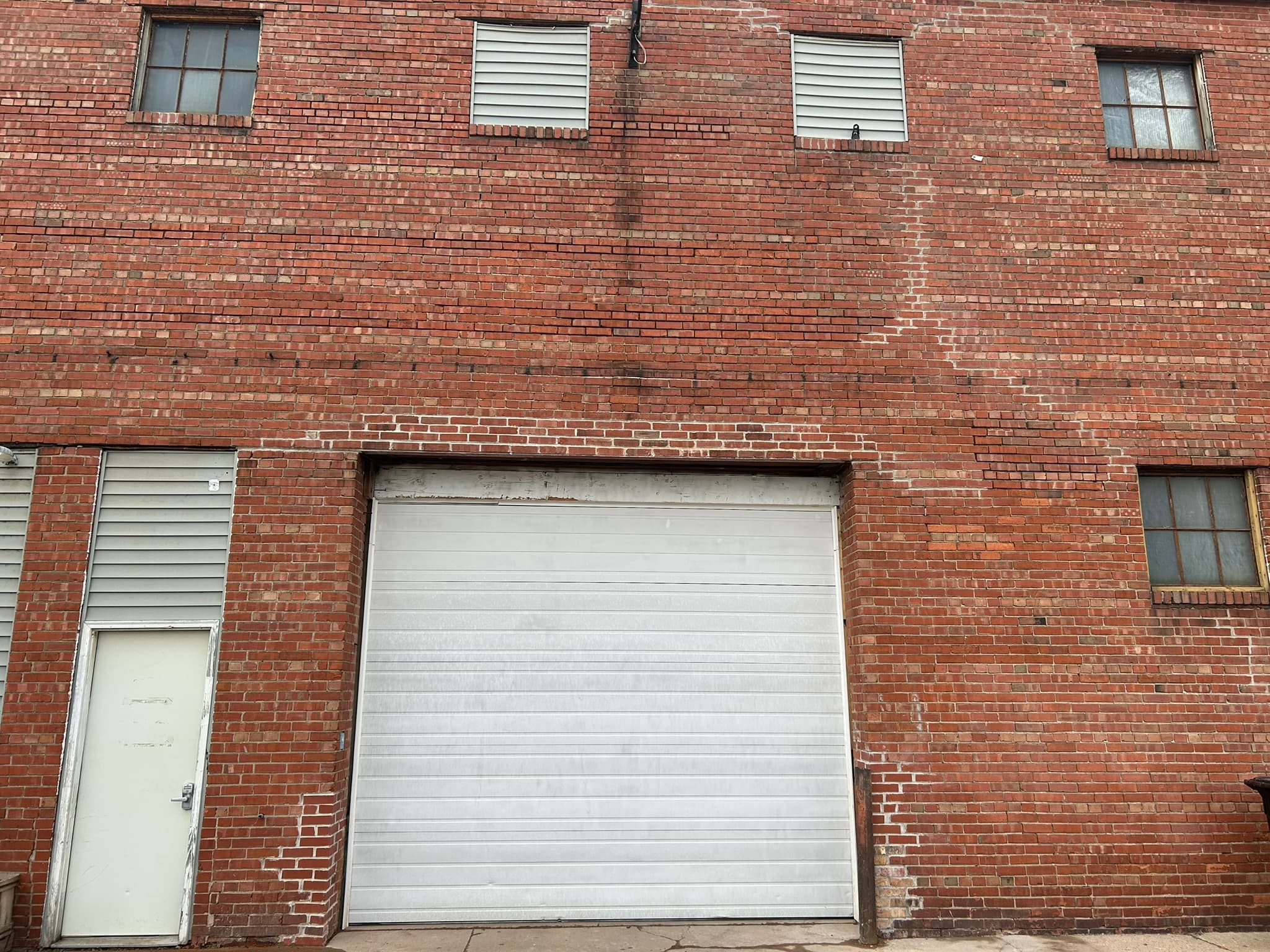
Homeowner associations managing multi-unit brick buildings face a consistent challenge: masonry deteriorates slowly, becomes expensive quickly, and is easy to defer until it isn't. The result, on properties with reactive rather than planned maintenance budgets, is a cycle of emergency repairs that cost far more than proactive work would have.
Having worked on HOA and condo association properties throughout the Chicago suburbs for decades, we see the same budget planning mistakes repeatedly. This isn't a criticism — it's a practical observation about how masonry maintenance tends to get mismanaged, and what to do differently.
Mistake 1: Treating Masonry Maintenance as a One-Time Event
The most common HOA budgeting error is funding a major tuckpointing project — usually after deferred maintenance has finally become urgent — and then treating it as "done" with no follow-up budget allocation.
Masonry is not a one-time maintenance category. A full tuckpointing job resets the clock on mortar joint condition, but the clock starts running immediately. Parapet sections deteriorate faster than field masonry. North-facing walls weather faster than south-facing. Expansion joints need re-caulking on a 7–10 year cycle regardless of when the tuckpointing was done.
The correct budget structure treats masonry as a recurring line item: a major-cycle allocation every 20–25 years for full tuckpointing, plus a smaller annual reserve for inspections, spot repairs, and expansion joint maintenance between full cycles.
Mistake 2: Scheduling Work Based on Appearance, Not Inspection
HOA boards often defer masonry work until the deterioration is visually obvious from the parking lot or common areas. By that point, the deterioration has been active for years — joints that are visibly failing from 30 feet away have been allowing water infiltration for a long time before anyone noticed.
The trigger for masonry work shouldn't be "it looks bad." It should be a regular inspection by someone who gets close to the wall — not just a ground-level visual. Close inspection reveals:
- Joint recession that isn't visible from distance
- Early-stage spalling before faces pop off completely
- Parapet condition (almost never visible from grade)
- Lintel rust staining that precedes structural cracking
- Expansion joint caulk failure
An inspection every 5–7 years by a qualified masonry contractor, with a written condition report, gives you the information you need to plan work before it becomes urgent. That report costs far less than the emergency repairs that result from not having it.
Mistake 3: Getting a Single Bid and Treating It as Authoritative
HOA boards under time pressure — a board meeting is coming, a unit owner is complaining, the property manager wants a number — sometimes get one bid, present it to the board, and move forward. A single bid from a single contractor gives you almost no information:
- You don't know if the scope is complete
- You don't know if the price is reasonable
- You don't know if the specifications are correct
- You don't know if the contractor understands the building's specific issues
Get at least two and ideally three bids. More importantly, make sure the bids are scoping the same work — it's common for masonry bids to vary significantly in scope, not just price. A bid that's 40% lower than others might be excluding parapet work, or scoping spot repointing where full elevation work is needed. Compare line items, not just totals.
Mistake 4: Choosing the Lowest Bid Without Evaluating the Specification
Price matters in HOA budget decisions — associations have limited funds and genuine obligations to owners. But on masonry, the cheapest work often produces the highest long-term cost.
The specific issues to watch for in low-cost masonry bids:
Inadequate joint depth. Proper tuckpointing requires removing mortar to at least ¾-inch depth. Surface packing — applying new mortar over existing deteriorated mortar — fails within a few years. A contractor pricing significantly below market may be pricing surface work.
Wrong mortar specification. On buildings with older soft brick — common in 1960s–1980s Chicagoland construction — using modern Type S Portland cement mortar instead of a softer lime-based mix will cause brick spalling within a few years of the "repair." This is a common and expensive mistake. Ask what mortar type is specified for your building.
Skipped parapet scope. Full-building tuckpointing bids that don't address the parapet separately are either including it in a way that's not adequately scoped, or excluding it. Parapet work requires aerial lift access and is a separate scope item. If it's not called out explicitly, ask.
Mistake 5: Not Accounting for Phased Deterioration
Masonry deterioration doesn't happen uniformly. North and west elevations typically deteriorate faster. Parapet sections deteriorate faster than field masonry. Buildings with previous improper repairs have accelerated deterioration in those areas.
An HOA that budgets a single "tuckpointing" line item every 25 years is often failing to account for the fact that some parts of the building need attention on a different cycle than others. A better approach:
- Schedule a full tuckpointing cycle every 20–25 years for field masonry
- Budget separate parapet inspection and maintenance every 7–10 years
- Budget expansion joint re-caulking every 10 years
- Maintain a repair reserve for spot work between cycles
This isn't complicated — it just requires treating masonry as a system with components on different maintenance schedules, not a single line item.
Mistake 6: Relying on Reserve Studies That Don't Reflect Actual Condition
Reserve studies — the engineering assessments HOAs use to plan long-term capital reserves — often include masonry on a generic cycle (e.g., "tuckpointing every 25 years, $X per unit"). The problem is that the assumed condition and the actual condition of a specific building's masonry frequently don't match.
A reserve study done in 2015 may assume the building was tuckpointed in 2005. If it wasn't, or if the 2005 work was done poorly, the building's masonry condition in 2025 is significantly worse than the study projects. Boards making budget decisions based on outdated or inaccurate reserve study assumptions often underfund until a condition crisis forces a large special assessment.
Update your reserve study's masonry assumptions with actual condition data from a physical inspection. The cost of an inspection is trivial compared to the cost of an incorrectly budgeted reserve.
What Proactive HOA Masonry Budgeting Looks Like
A well-managed HOA masonry budget has these characteristics:
Condition data drives the schedule. Work is planned based on inspection findings, not appearances or generic reserve study cycles.
The parapet is a separate line item. It's treated as a distinct scope with its own inspection and maintenance schedule.
Specifications are documented. The association has a record of what mortar type was used on previous work, which contractor did the work, and when. This information is essential for specifying compatible materials in future repairs.
A repair reserve exists between major cycles. Not all masonry work can wait for the 25-year tuckpointing cycle. Spot brick replacement, lintel repairs, and caulk maintenance happen on shorter cycles. Budget for them.
Bids are compared on scope, not just price. The board understands what it's buying before approving the lowest number.
Emerald Masonry LLC works with HOA boards and property managers throughout Chicagoland on both assessment and repair. If you're planning a masonry budget cycle and want an honest condition report before you go to bid, call us at (708) 288-1696 or reach out here.
Also see: Tuckpointing | Masonry Restoration