
Tuckpointing & Repointing · Chicagoland, IL
How Brick and Masonry Condition Affects Your Home's Resale Value in Chicagoland
Failing brick and masonry quietly chip away at your home's resale value through lower appraisals, inspection red flags, and weaker curb appeal. Here's how Chicagoland appraisers, inspectors, and buyers really see your masonry — and which repairs pay you back before you list.
2026-06-29
Quick Answer
Failing masonry — open mortar joints, spalling brick, a leaning chimney — lowers appraisals, scares off buyers, and shows up in home inspections, becoming price-reduction leverage. Sound tuckpointing and brick repair protect and often improve resale value. Emerald Masonry LLC restores Chicagoland brick — free estimates (708) 288-1696.
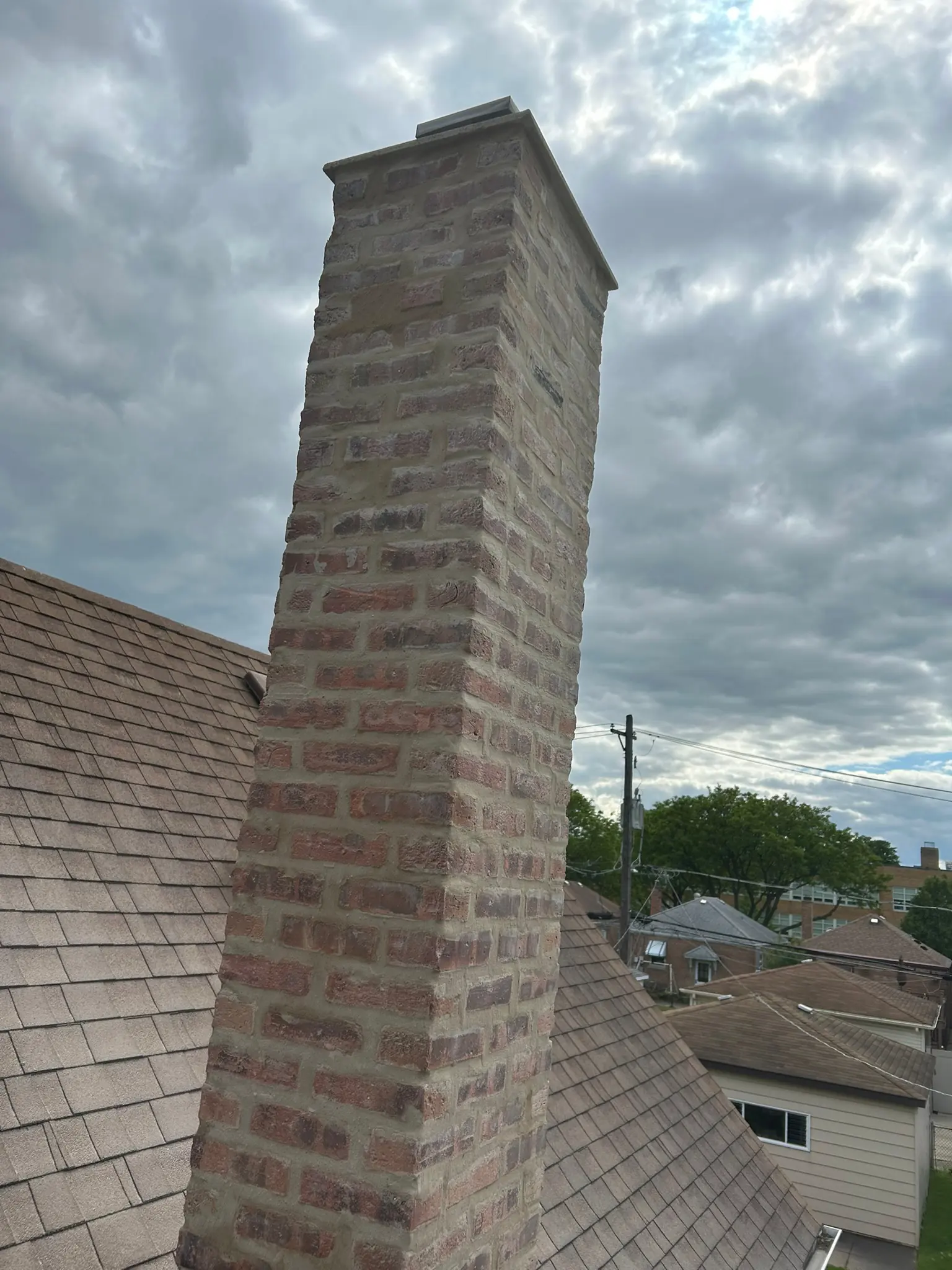
Failing masonry quietly costs you money at resale — and most sellers never see it coming. It shows up three ways: a lower appraisal, inspection findings that hand the buyer negotiating leverage, and curb appeal that turns interested buyers lukewarm before they reach the front door. The good news is the reverse is just as true. Sound tuckpointing, solid brick repair, and a clean chimney protect your value and often nudge it upward. If you're weighing whether to invest in your brick before you list, here's exactly how the people deciding your sale price — appraisers, inspectors, and buyers — actually look at your masonry.
How appraisers and inspectors view your masonry
An appraiser is asked one core question: what is this home worth compared to similar homes that recently sold? Visible masonry deterioration works against you in that comparison. Open or crumbling mortar joints, cracked and spalling brick, and a leaning chimney all signal deferred maintenance — and deferred maintenance pulls a home toward the bottom of its comparable range. Appraisers aren't masons, but they're trained to spot the obvious red flags, and they note "condition" deductions for them.
Home inspectors go deeper, and they're the ones buyers actually pay attention to. A good inspector will walk your exterior and document open mortar joints, step-cracking through the brick, bowing or bulging walls, water staining, efflorescence (that white chalky residue), and any chimney that's tilting, shedding brick, or missing a sound crown. Every one of those findings goes into a written report the buyer reads line by line. In Chicagoland, where homes endure relentless freeze-thaw cycles, inspectors know to look closely at masonry — water that seeps into failing joints freezes, expands, and pries the brick and mortar apart a little more each winter.
What buyers actually notice
Most buyers aren't masonry experts, but they don't need to be. They notice the things that read as "this house hasn't been cared for":
- Open or missing mortar joints between bricks, especially gaps you can see from the sidewalk
- Spalling brick — faces that are flaking, crumbling, or popping off, which looks like decay
- A leaning or crumbling chimney, one of the most visible and alarming defects from the curb
- Water stains, efflorescence, and dampness that hint at moisture getting behind the wall
These details register instantly, often before a buyer can put words to them. A home in Oak Park with crisp, full mortar joints simply feels better maintained than an identical one with crumbling brick — and that feeling shapes the offer.
How masonry issues turn into price cuts and blown deals
Here's the chain reaction. The inspection report lists your open joints, spalling brick, or leaning chimney. The buyer's agent gets a contractor quote — often a worst-case, padded number — and brings it to the negotiating table. Now you're not discussing a few hundred or few thousand dollars of repointing; you're defending against an inflated estimate during the most leverage-sensitive moment of the sale. Buyers frequently ask for a credit several times the real repair cost, "just in case." Some walk away entirely if a chimney or wall looks structurally scary, even when the actual fix is routine.
The frustrating part: you usually pay either way. Either you fix it on your own terms, at a fair price, before listing — or you "pay" through a discount, a credit, or a deal that falls through and forces a relist. Controlling the repair yourself almost always costs less and protects your timeline.
If you're already seeing crumbling joints or a chimney you're not sure about, the simplest next step is a free on-site assessment so you know exactly what you're dealing with before a buyer's inspector tells you. Emerald Masonry LLC has restored Chicagoland brick for decades and can tell you straight whether it's a quick repoint or something more.
The repairs that give the best return before listing
Not every masonry project makes sense before a sale. Focus your money where buyers and inspectors look:
- Tuckpointing — replacing failed mortar joints is often the single highest-impact pre-listing masonry repair. It removes the most common inspection finding, sharpens curb appeal, and stops water intrusion that would otherwise keep getting worse through Illinois winters.
- Chimney repair — because a chimney is so visible and so commonly flagged, fixing a leaning stack, rebuilding deteriorated brick, or restoring the crown removes a major buyer objection.
- Brick repair — swapping spalled or cracked brick and addressing step-cracking eliminates the "this house is falling apart" impression that no amount of staging can fix.
- Sealing — after repairs, a quality masonry sealant helps protect fresh work from moisture, which matters in a freeze-thaw climate and reassures buyers the wall is buttoned up.
You don't need a full restoration to move the needle. Targeted repointing and chimney work usually deliver far more at the closing table than their cost.
Curb appeal: clean brick sells the house
Before a buyer reads a single inspection line, they form an opinion from the curb — and brick is the first thing they see. Tight, uniform mortar joints and clean, intact brick read as solid, cared-for, and move-in ready. That first impression carries through the showing and into the offer. In neighborhoods where brick homes are the norm — think the classic brick bungalows of Beverly or the established streets of Naperville — well-kept masonry is what buyers expect, and visible deterioration stands out for the wrong reasons. Restored brick photographs better for your online listing too, where most buyers decide whether to visit at all.
Timing your repairs before the sale
Schedule masonry work early — ideally a few weeks before you list. That gives the mortar time to cure properly, lets you capture the improved curb appeal in your listing photos, and builds in a buffer against weather. In Chicagoland, tuckpointing and brick repair go best in mild, dry stretches; booking ahead means you're not scrambling when a cold snap or rainy week hits. Realtors who flag masonry early for their sellers consistently see smoother inspections and fewer last-minute credit demands.
If you're getting ready to sell — or you're a realtor whose listing has brick that needs attention — get ahead of the inspection. Emerald Masonry LLC is a family-owned, non-union masonry company serving Chicagoland from Palos Heights, licensed, bonded, and insured, with career masons restoring brick across the suburbs. We'll give you a free, honest on-site estimate so you know exactly what protects your sale price — and what isn't worth doing. Call (708) 288-1696 or reach out through our contact form to get on the schedule before you list.
Frequently Asked Questions
Does tuckpointing increase your home's value before selling?
Yes — sound tuckpointing protects and often improves resale value by removing a visible defect that appraisers note and buyers negotiate against. Fresh, full mortar joints signal a well-maintained home, improve curb appeal, and keep masonry off the inspection report. It's one of the most cost-effective pre-listing masonry repairs in Chicagoland.
Will masonry problems show up in a home inspection?
Almost always. Home inspectors routinely flag open or crumbling mortar joints, spalling brick, step-cracking, water stains, and leaning or deteriorated chimneys. Once those land in the report, buyers use them as leverage for price reductions or repair credits — so it's usually cheaper to fix them before you list.
Should I repair my chimney before selling my house?
If the chimney is leaning, has crumbling mortar, spalling brick, or a damaged crown, repairing it before listing is worth it. Chimney issues are highly visible from the curb and are a common, expensive-sounding inspection finding that scares buyers. A solid, repaired chimney removes a major objection and protects your sale price.
How long before listing should I have masonry repairs done?
Plan masonry repairs at least a few weeks before listing so the work is fully cured, photographed for your listing, and reflected in curb appeal. Booking early also avoids weather delays — in Chicagoland, tuckpointing and brick repair go best in mild, dry conditions. Schedule a free on-site estimate as soon as you decide to sell.