
Tuckpointing & Repointing · Chicagoland, IL
Masonry Repair on a Budget: How to Prioritize When You Can't Fix Everything at Once
Got a long masonry repair list and a short budget? Here's how to decide what to fix first — safety and water intrusion before cosmetics — and how a good contractor helps you phase the work over several seasons without wasting money.
2026-07-02
Quick Answer
When you can't afford all masonry repairs at once, prioritize anything letting water in or posing a safety risk — a failing chimney, open or receding mortar joints, loose or bulging brick, and rusted lintels — first, then move to preventative sealing and cosmetic work. Emerald Masonry LLC helps Chicagoland owners phase repairs sensibly. Free estimates: (708) 288-1696.
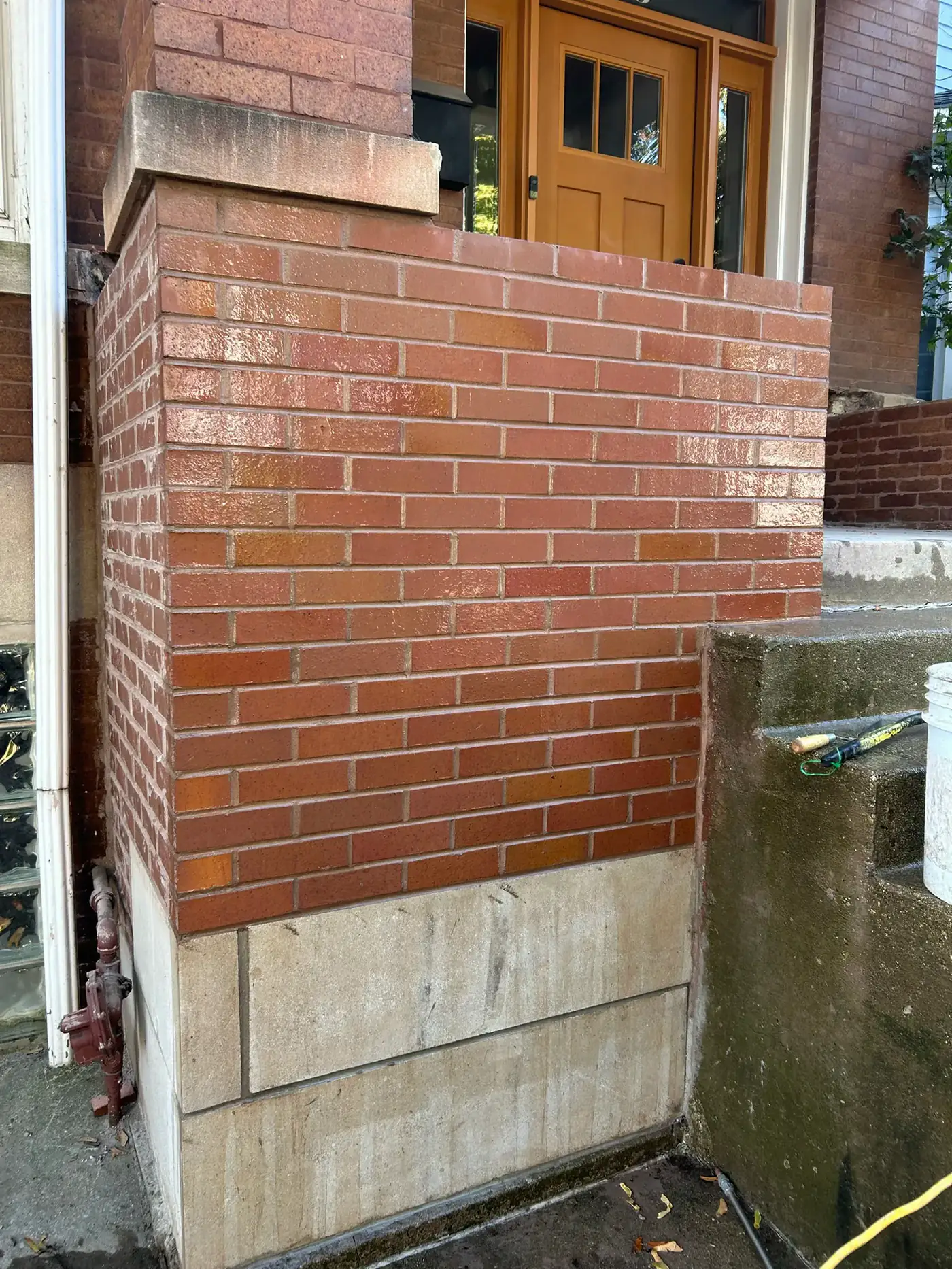
If your masonry repair list is longer than your budget, here is the honest answer: fix what is letting water in or creating a safety hazard first, then everything else. That means a failing chimney, open or receding mortar joints, loose or bulging brick, and rusted steel lintels come before anything cosmetic. The pretty stuff — matching a color, cleaning up an old patch, sealing a wall that is otherwise sound — can wait a season or two without costing you anything. Water and safety problems cannot.
We hear the same worry from homeowners and property managers across Chicagoland all the time: "The estimate covers more than I can do this year — where do I start?" That is a completely normal position to be in, especially on older brick homes and buildings. Below is the exact priority order we walk owners through, and how a family-owned crew helps you phase the work so you are never wasting money.
The priority order that protects your budget
Think of your repair list in four tiers. Fund them roughly in this order.
Tier 1 — Safety and structural. Anything that could fail and hurt someone, or that is compromising how the wall carries load, goes first. Loose or bulging brick, a leaning or cracked chimney, a spalling parapet, badly rusted lintels pushing brick apart above windows and doors. These are not "watch it" items. If a chimney is failing, chimney repair jumps to the front of the line regardless of what else is on the list.
Tier 2 — Water intrusion. Open, cracked, or receding mortar joints are the single biggest way water gets behind your masonry. This is where tuckpointing earns its keep — replacing failed mortar before moisture works its way into the wall. Cracked brick, failed caulk at windows, and bad flashing details belong here too. Stopping water is almost always the highest-return dollar you can spend on masonry.
Tier 3 — Preventative. Once the wall is sound and dry, protecting it makes sense. Masonry sealing with a breathable water-repellent slows future absorption and buys years of life. But sealing a wall that still has open joints just traps the problem — which is exactly why this tier comes after the water work, not before it.
Tier 4 — Cosmetic. Color matching, replacing an ugly old patch, cleaning stains, tidying up a previous contractor's mismatched mortar. This work matters for curb appeal and resale, and it is real — but it is the safest thing to defer when money is tight.
Why deferring water repairs costs more later
Illinois weather is the reason this order is not just theory. We swing from humid summers to deep winter freezes, and Chicagoland masonry lives through dozens of freeze-thaw cycles every cold season. Here is what that does: water gets into an open joint or a hairline crack, freezes, and expands. Ice is bigger than the water it came from, so it pushes the crack wider. Then it thaws, more water seeps in, and it freezes again. Repeat that cycle across a Palos Heights winter and a joint that needed simple repointing becomes a crumbling section that needs brick replacement.
That is the trap of "I'll deal with the wall next year." A tuckpointing repair deferred through one or two winters often is not the same repair anymore — it has grown into structural work, which is far more expensive. This is why water intrusion outranks nearly everything except an outright safety hazard. You are not just fixing today's problem; you are stopping tomorrow's much bigger one.
If you take one thing from this article, let it be this: spend your first budget dollars on keeping water out. If you are unsure which of your issues actually let water in, a walkthrough sorts it out fast — call us at (708) 288-1696 for a free on-site look.
How a good contractor helps you phase the work
Phasing is not about doing a worse job. Done right, it is about doing the right job in the right order over two, three, even four seasons — and a contractor who knows the trade should map that out with you, not just quote the whole thing and walk away.
When we look at a property in Orland Park or anywhere across the south suburbs, we do not just list every flaw. We rank them: what has to happen this year, what can safely wait, and roughly when the "wait" items will become "now" items if left alone. That way you are budgeting against reality instead of a scary lump-sum number.
Bundle to save on setup. A lot of a masonry project's cost is not the mortar or the brick — it is getting the crew, equipment, and access set up. Scaffolding a three-story wall, staging materials, mobilizing to the site: those costs are largely the same whether we fix one section or several while we are up there. So if the chimney needs work and the upper joints on that same elevation are failing, doing both in one phase is far smarter than making two trips up. A good contractor points these bundling opportunities out to you, because it saves you money and it is simply the honest way to plan the work.
Group by elevation and by access. Repairs that share the same wall, the same scaffold run, or the same setup should travel together in a phase. Splitting them across years usually means paying for that access twice. We would rather help you sequence phases around what is already going to be set up.
Get it in writing so every phase is clear
Before you start a phased project, get a written scope. Not a napkin number — an actual document that lists what is being done, what is being deferred, and which phase each item lives in. A written scope does three things for you:
- It shows you the whole picture, so no surprise "well, we also need to..." mid-job.
- It makes future phases predictable, so you can budget season by season.
- It protects you from paying twice for the same setup, because the plan is on paper.
For property managers juggling multiple buildings, this is doubly important — a clear phased scope is something you can take to an owner or board and defend line by line.
Emerald Masonry LLC — planning masonry work that fits your budget
We are a non-union, family-owned masonry company based in Palos Heights, with more than decades working on Chicagoland brick and stone. Licensed, bonded, and insured. We have walked a lot of owners through exactly this decision, and we would rather help you spend a smaller budget in the right order than sell you everything at once.
If you have a repair list that is bigger than what you can fund right now, let us come out, look at it with you, and build a phased plan that protects your home or building first and your wallet second. Free on-site estimates, no pressure.
Call (708) 288-1696 or reach out through our contact form to get started. Tell us what is on your list, and we will help you decide what fixes first.
Frequently Asked Questions
Which masonry repair should I do first if I can't afford everything?
Fix whatever is letting water in or posing a safety risk first — a failing chimney, open or receding mortar joints, loose or bulging brick, and rusted steel lintels. These problems get worse and more expensive every winter, while cosmetic issues can safely wait. Sealing and appearance work should come last in the order.
Is it cheaper to do all my masonry work at once or in phases?
Doing everything at once usually saves on setup, mobilization, and scaffolding because those costs are shared across the whole job. But if the full scope is beyond your budget, a good contractor can group the most urgent items together so you still capture some of those savings while spreading the rest across future seasons.
Why is it a mistake to delay water-related masonry repairs?
In Illinois, water that gets into open joints or cracked brick freezes and expands through the winter, then thaws — a cycle that repeats dozens of times a season. Each cycle widens the damage, so a small repointing job left alone can turn into brick replacement or structural work. Stopping water early almost always costs less than fixing the aftermath.
Should I get a written scope before starting phased masonry repairs?
Yes. A written scope lets you see the full picture, agree on which items belong in which phase, and avoid paying twice for the same setup. It also makes future phases predictable so you can budget season by season instead of guessing.