
Masonry Restoration · Chicagoland, IL
How Insurance Claims for Masonry Damage Work in Illinois — A Property Owner's Guide
Masonry damage claims in Illinois are more complicated than they look. What's covered, what's excluded, and how to document damage effectively can determine whether you get a fair settlement or a denial. Here's what property managers and building owners need to know before filing.
2026-04-12
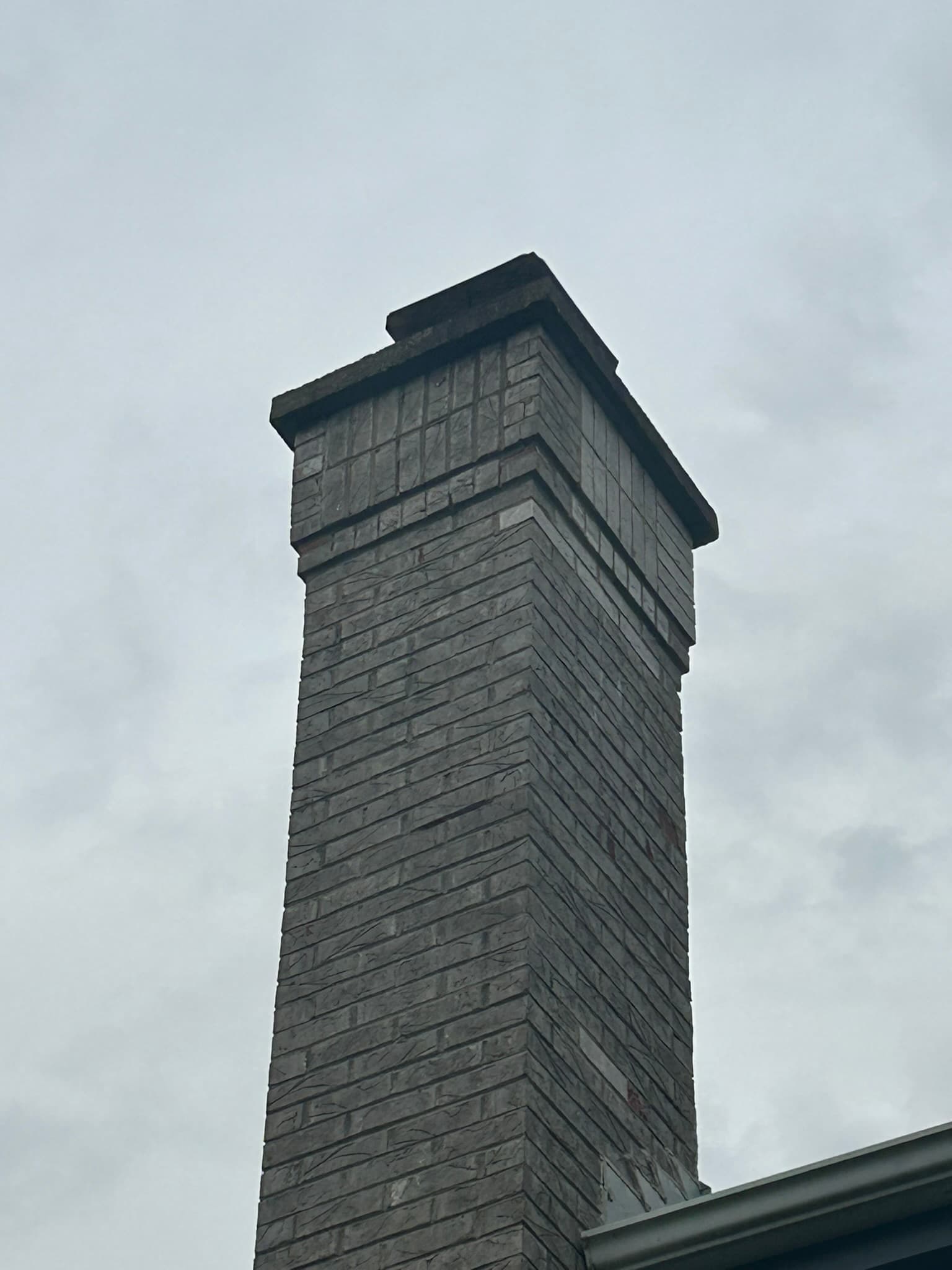
When a hailstorm, wind event, or water damage incident affects the masonry on a commercial or residential building in Illinois, the first question most owners ask is: will insurance cover this? The answer is more nuanced than most people expect, and navigating it poorly can mean the difference between a fully covered repair and an out-of-pocket bill for work that should have been reimbursable.
This guide is for property managers, building owners, and HOA boards dealing with masonry damage claims in Illinois. The insurance angle here is separate from the masonry work itself — we're a masonry contractor, not an insurance adjuster. But we've been on enough job sites during insurance assessments to understand where claims go wrong, what documentation helps, and how to work effectively with adjusters and restoration specialists.
What Property Insurance Typically Covers
Most commercial property policies and homeowners policies cover masonry damage caused by:
Sudden, accidental, physical damage. A hailstorm that spalls brick faces. Wind-driven rain that penetrates a failed cap and damages interior finishes. A vehicle impact that collapses a wall section. These are the clearest coverage scenarios — sudden event, documented damage, clear causation.
Storm-related water intrusion. When storm damage — a cracked crown, displaced flashing, blown-off cap units — allows water into the building and damages interior finishes or structural components, that downstream damage is typically covered if it resulted from a covered event.
Collapse. If a masonry wall or chimney collapses suddenly and unexpectedly, most policies cover resulting damage to the structure. The specific language varies significantly by policy.
What Property Insurance Typically Does Not Cover
Gradual deterioration and deferred maintenance. This is the most common reason masonry claims are denied or reduced. If mortar joints have been failing for years, the insurance carrier will often argue that the damage resulted from deferred maintenance — not a covered event. Adjusters look for signs of pre-existing deterioration: efflorescence on the brick face, recessed mortar in areas away from the claimed damage, multiple courses of spalling rather than a concentrated impact pattern.
Seepage, leakage, and gradual water intrusion. Water that enters slowly through failing mortar over time is typically excluded under the "seepage and leakage" exclusion found in most policies. Only sudden water intrusion tied to a covered event is typically recoverable.
Ordinance and code upgrades. If your building needs to be brought up to current code during a repair — different construction requirements for parapets, fire-rated assemblies, etc. — the upgrade costs above the repair cost are generally not covered unless you have specific ordinance-or-law coverage.
Cosmetic damage without structural impact. Some policies, particularly newer commercial policies with cosmetic exclusions, don't cover hail damage to brick or mortar that doesn't affect function — only surface appearance.
How Hail Damage to Masonry Gets Assessed
Hail damage to masonry is one of the most contested areas in commercial property insurance. Here's what happens in a typical assessment:
What insurers look for: impact marks on soft metals (gutters, downspouts, AC fins) as a baseline for hail size, then spall patterns on brick faces and mortar that are consistent with impact rather than freeze-thaw cycling. Freeze-thaw spalling tends to follow horizontal patterns and affected areas; impact spalling is more random and shows denting or fresh exposure marks.
How adjusters often undercount: many adjusters are not masonry specialists and will walk the perimeter quickly without close inspection of upper walls. They may count only the most obvious spalled bricks and miss marginal damage that will accelerate further. They may also classify pre-existing deterioration as the primary cause, reducing or eliminating coverage.
How to counter this: request a licensed public adjuster or masonry engineer to conduct an independent assessment before the insurance adjuster visits. Having your own documentation — photographs taken immediately after the event, a written assessment from a masonry contractor, measurements of hail stone size if available — puts you in a much stronger position.
Documentation That Supports a Masonry Claim
The quality of your documentation materially affects claim outcomes. What to capture:
Pre-loss documentation. This is the hardest to produce retroactively. If you have photos of the building taken before the event — even casual photos that show the brick condition — those help establish a baseline. Inspection reports or contractor invoices from prior masonry maintenance are also valuable.
Post-event documentation. Photograph the entire building perimeter within 24 to 48 hours of a storm or other event. Capture:
- Close-ups of every area showing fresh damage, with something for scale (a coin, a tape measure)
- Wide shots showing the location and extent of damaged areas
- Photos of soft metals showing hail impact marks
- Any interior damage that could be traced to exterior masonry failure
Contractor assessment in writing. A written masonry assessment that describes the damage, identifies probable cause, and provides a repair scope is standard documentation for insurance purposes. We provide this for clients going through the claims process. The assessment should separate pre-existing conditions from storm damage where distinguishable.
Dated weather records. National Weather Service records, CoCoRaHS reports, and local news archives for major hail events are available and can be cited in the claim file.
Working With a Masonry Contractor During a Claim
A few things to keep in mind when coordinating between your masonry contractor and the insurance process:
Get the masonry assessment before the adjuster visits if possible. Your contractor can document damage the adjuster might miss and be available to answer technical questions during the inspection.
Don't start repair work before the adjuster has seen the damage (in non-emergency situations). Beginning work before documentation is complete can complicate the claim.
Get at least two masonry estimates to support the claimed repair scope. Adjusters may challenge single-contractor estimates; competing estimates from reputable contractors validate the scope and pricing.
Understand the difference between actual cash value and replacement cost value in your policy. ACV policies deduct depreciation from the settlement; RCV policies pay for replacement at current costs. For older buildings with significant masonry deterioration, this distinction can substantially affect the settlement.
When to Bring in a Public Adjuster
If your claim involves significant masonry damage — a major parapet failure, widespread hail damage to a large commercial facade, chimney collapse — a public adjuster who specializes in commercial property claims may be worth the cost. Public adjusters typically work on contingency (a percentage of the settlement), so there's no upfront cost, and they are specifically trained to document and negotiate insurance claims.
They are not the same as the insurance company's adjuster, who represents the carrier's interests. A public adjuster works for you.
Emerald Masonry LLC provides written masonry assessments and repair documentation suitable for insurance claims throughout the Chicago southwest suburbs. If you've had storm damage and need a professional assessment, we offer free on-site estimates. Contact us or call (708) 288-1696.