
Masonry Restoration · Chicagoland, IL
Post-Storm Masonry Inspection Checklist for Commercial Property Managers
High winds, hail, and driving rain stress masonry in ways that aren't always obvious from the ground. This checklist walks property managers through what to inspect after a significant storm — and what to document before calling a contractor or filing an insurance claim.
2026-04-12
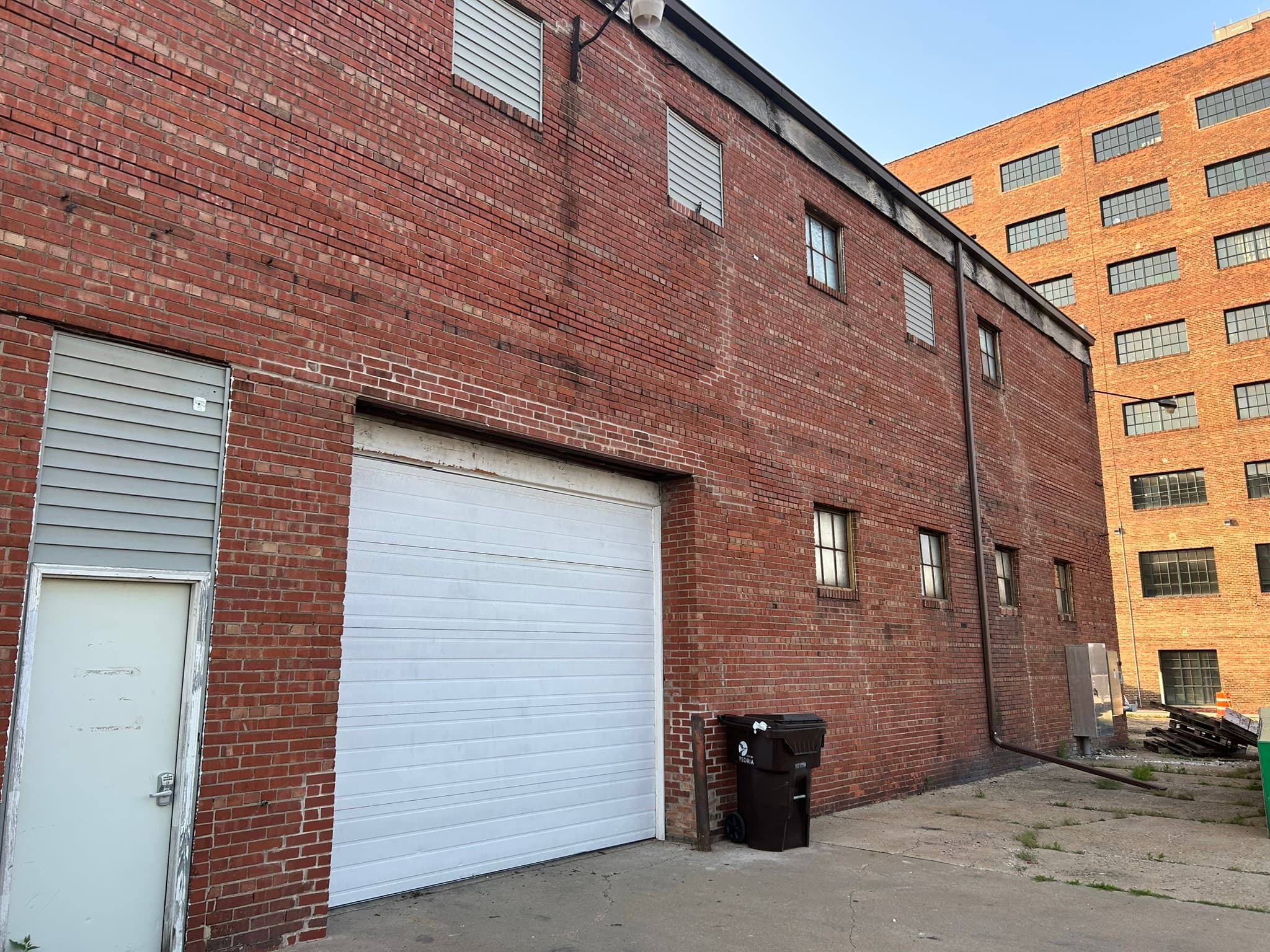
A significant storm in the Chicago area — high winds, heavy hail, driving rain — can accelerate masonry deterioration that was already progressing, and in some cases cause immediate structural damage to parapets, chimneys, and exposed wall sections. What property managers do in the 24–72 hours after a storm matters: it affects safety, documentation for insurance purposes, and how quickly repairs can be scoped and executed.
This checklist is designed for commercial property managers doing a ground-level assessment after a storm. It's not a substitute for a professional close inspection — some storm damage isn't visible from grade — but it will help you know what you're dealing with and what to document before calling a contractor.
Before You Start: Safety First
After any high-wind event, check for obvious hazards before walking the perimeter:
- Displaced masonry on the ground. Fallen brick, coping units, or chimney material is a sign that something above is structurally unstable. Do not stand beneath damaged sections.
- Visible parapet lean or displacement. If a parapet section looks out of plumb from a distance, treat the area below as a restricted zone until it's inspected up close.
- Overhead power lines. If any masonry material has fallen near lines, don't approach — call the utility company first.
If you see any of these conditions, restrict pedestrian access to the affected area and call a masonry contractor for an emergency assessment before doing anything else.
Section 1: Parapet and Roofline
The parapet — the wall section above roof level — is the most exposed part of any flat-roof commercial building and takes the most storm stress.
Check from grade using binoculars if possible:
- [ ] Are any coping units displaced, shifted, or missing?
- [ ] Is the parapet line visibly out of plumb on any section?
- [ ] Is there visible cracking in the top 12–18 inches of the parapet wall?
- [ ] Are there any sections where brick units appear to be pushing outward?
- [ ] Is there debris at the base of the wall below the parapet (loose mortar, fragments of coping, brick chips)?
What you're looking for: Coping displacement after high winds is the most common post-storm parapet finding. Shifted coping units open the top of the parapet wall to water entry and — if displaced significantly — can fall. Even a partially displaced coping unit is a priority repair.
Section 2: Chimneys
Chimneys are particularly vulnerable in high-wind events — they're tall, isolated masonry elements without lateral support from surrounding structure.
- [ ] Is the chimney stack still plumb and intact?
- [ ] Is there brick or mortar debris at the base of the chimney?
- [ ] Is any section of the chimney visibly offset from the course below?
- [ ] Has the chimney cap (crown) moved, cracked, or been displaced?
- [ ] If the chimney passes through the roof, check the interior ceiling near the chimney for water staining after the storm.
What you're looking for: Chimney displacement — where the top section of the chimney has shifted relative to the lower section — is a serious structural concern and a falling hazard. Don't use the fireplace or HVAC system connected to a visually damaged chimney.
Section 3: Wall Face and Mortar Joints
High-wind-driven rain at 50+ mph pushes water into masonry walls at pressures far beyond normal rain events. For walls with pre-existing joint deterioration, this can force water deep into the wall and show interior infiltration within hours of the storm.
Exterior:
- [ ] Is there fresh mortar debris or crumbling at the base of any wall section? (indicates joints have failed under storm pressure)
- [ ] Are there any new visible cracks in the wall face that weren't there before?
- [ ] Are there sections with brick units that appear pushed outward from the wall plane?
Interior (check immediately adjacent to exterior walls):
- [ ] Water staining on interior walls or ceiling near exterior wall?
- [ ] Wet or damp floor adjacent to exterior masonry?
- [ ] Any active dripping at window or door frames adjacent to masonry walls?
What you're looking for: Interior water infiltration after a storm can indicate that pre-existing joint failures have allowed wind-driven water into the wall cavity. Document water locations with photos — these are the spots a contractor needs to trace back to exterior failure points.
Section 4: Window and Door Surrounds
The masonry immediately around window openings is often the most vulnerable section of a commercial facade. Steel lintels above openings can corrode and expand; sills can crack and allow water in.
- [ ] Any new cracking visible in brick immediately above window openings?
- [ ] Mortar debris below window openings?
- [ ] Water infiltration around window frames from the interior?
- [ ] Any window frames that appear to have shifted or racked?
What you're looking for: Storm pressure can pop window frames that were already loose due to failed caulk or mortar. Water infiltration at window perimeters after a storm often indicates the caulk joint between frame and masonry has failed.
Section 5: Expansion Joints
Vertical expansion joints run the full height of the wall every 25–30 feet on most commercial masonry buildings. After a storm, check:
- [ ] Are expansion joints (vertical open joints, typically filled with dark caulk) still intact?
- [ ] Is there water infiltration at interior locations near expansion joint lines?
What you're looking for: Failed expansion joint caulk allows wind-driven water to enter the wall at these joints. Interior water near a vertical joint line often points to expansion joint caulk failure rather than mortar joint failure.
Documentation: What to Photograph Before Calling Anyone
Before calling a contractor or an insurance adjuster, document conditions photographically. Use a phone camera and get:
- Wide shots of each elevation showing overall wall condition
- Close-ups of any displaced coping or chimney sections
- Interior water staining with the date and time photographed
- Ground-level debris (fallen brick, mortar chunks, coping pieces) with a scale reference
- Any new exterior cracks with a ruler or hand for scale
This documentation serves two purposes: it establishes the pre-repair condition for insurance purposes, and it gives a contractor accurate information about where to inspect first.
When to Call Immediately vs. When It Can Wait
Call immediately (same day):
- Displaced or fallen coping units
- Chimney displacement or visible structural instability
- Any masonry with brick units pushed outward from the wall plane
- Active interior water infiltration in occupied spaces
Schedule within 1–2 weeks:
- New surface cracks without displacement or infiltration
- Mortar debris at grade without visible wall damage
- Post-storm efflorescence (white staining)
- Window frame infiltration without interior structural damage
Document and monitor:
- Interior water staining that appears minor and doesn't recur — this may be existing pre-storm deterioration, not new storm damage. Note the location and compare after the next rain event.
Insurance Claim Considerations
Masonry storm damage claims in Illinois require documentation that the damage was caused by the storm rather than pre-existing deterioration. This is where pre-storm inspection records are valuable — if you have a masonry condition report from before the storm, it establishes a baseline.
If you don't have prior records, a professional masonry contractor can document condition findings in terms that distinguish storm-caused damage (fresh fractures, displaced units, new infiltration patterns) from chronic pre-existing deterioration. Get this documentation before repairs are made — photos of the repaired wall don't support a claim the way pre-repair condition documentation does.
Emerald Masonry LLC provides storm damage assessments for commercial properties throughout Chicagoland. If you're dealing with post-storm masonry concerns, call (708) 288-1696 or contact us here for a prompt assessment.
Also see: Masonry Restoration | Brick Repair | Commercial Masonry