
Power Washing · Chicagoland, IL
Power Washing vs. Soft Washing Brick: What Your Chicago Masonry Actually Needs
High-pressure power washing can erode mortar and chip soft Chicago brick, while soft washing cleans gently and safely. Here is how to tell which one your masonry actually needs before you hire anyone.
2026-06-20
Quick Answer
High-pressure power washing can erode mortar and spall brick, while low-pressure soft washing with the right cleaners removes dirt, algae, and efflorescence safely. Most brick should be soft-washed, not blasted. Emerald Masonry LLC cleans masonry safely across Chicagoland — (708) 288-1696.
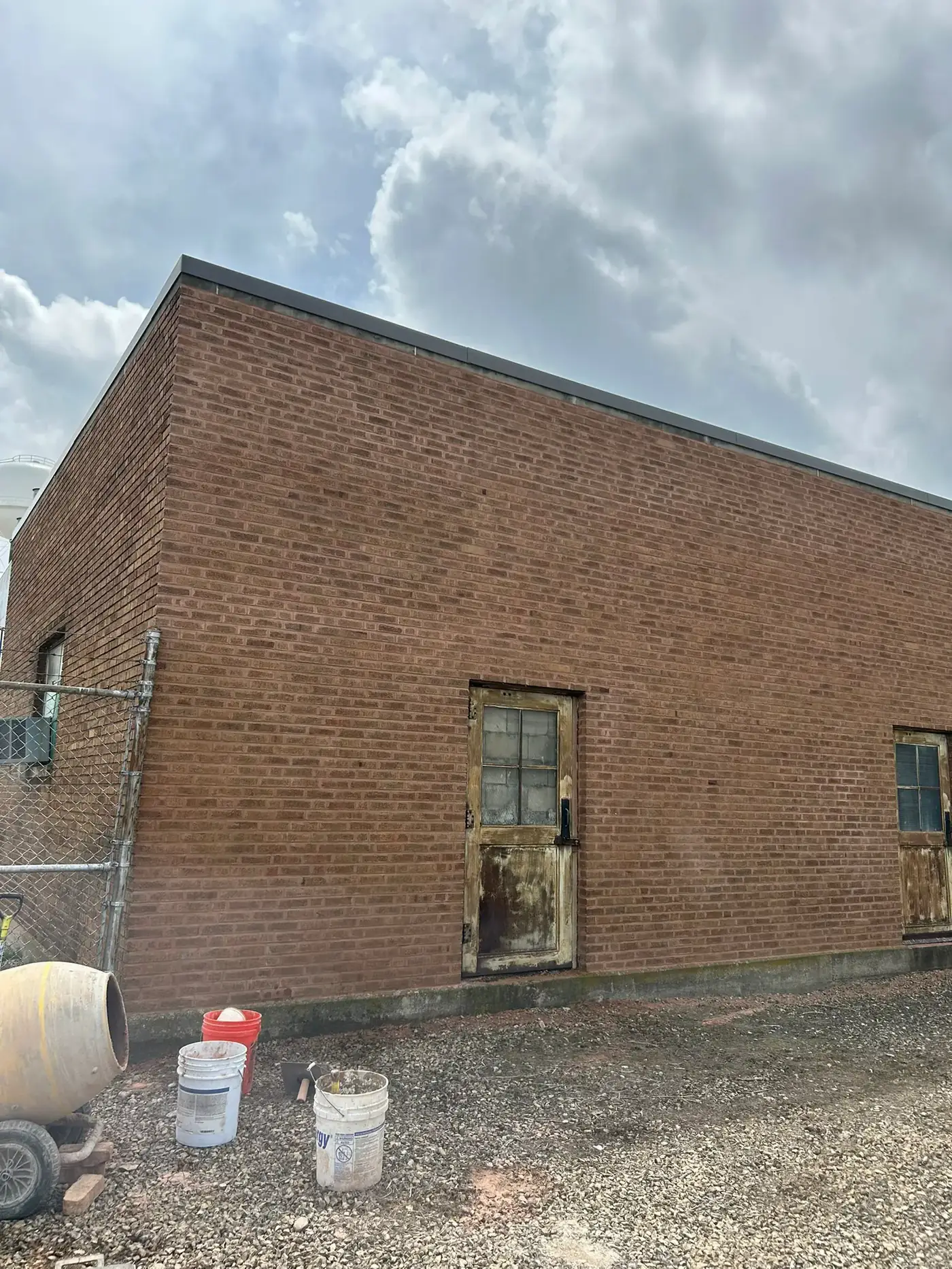
If you are choosing between power washing and soft washing for your brick, here is the short answer: most brick should be soft-washed, not blasted with high pressure. Aggressive power washing can erode mortar joints and chip the hard fired face off brick — especially the older, softer brick found all over Chicago. At Emerald Masonry LLC we clean masonry the safe way, and a quick call to (708) 288-1696 will tell you which approach your wall actually needs.
The problem is that "power washing" and "pressure washing" get used as catch-all terms, and a lot of services treat every surface the same way: crank the pressure and blast. On a concrete driveway that is mostly fine. On a 100-year-old greystone or a soft-brick bungalow, it can cause permanent, expensive damage. Let's break down the real difference.
Power Washing vs. Soft Washing: The Real Difference
The two methods sound similar but work in opposite ways.
Power washing (high-pressure washing)
Power and pressure washing rely on force. A high-PSI stream of water physically scours dirt, paint, and grime off a surface. The cleaning power comes from the pressure itself. That is great for stripping a concrete patio or a metal surface — but on masonry, that same force does not distinguish between dirt and the wall.
Soft washing
Soft washing flips the equation. Instead of force, it uses very low pressure combined with the right cleaning solution — detergents and a biocide — to break down dirt, algae, mildew, and organic growth chemically. The solution does the work, then the surface is gently rinsed. The brick and mortar are never subjected to a hammering stream of water. For the vast majority of brick homes and buildings, this is the correct method.
Why High Pressure Damages Masonry
Brick and mortar look tough, but they are more vulnerable than they appear — and high pressure exploits every weakness.
- It erodes mortar joints. The mortar between bricks is softer than the brick itself, especially the lime-based mortar in older Chicago buildings. A high-pressure stream scours it out, opening joints and inviting water in. That often turns into a tuckpointing and repointing bill that did not need to exist.
- It spalls soft brick. Brick has a hard, fired outer skin that protects the softer body underneath. Blast that face off and you expose the porous interior, which then absorbs water, crumbles, and flakes. Once the face is gone, it does not come back.
- It drives water into the wall. High pressure forces water deep behind the masonry. In Chicago's freeze-thaw climate, that trapped water freezes, expands, and pops brick and mortar apart from the inside.
- It strips the brick face permanently. This is the same reason sandblasting is so destructive to brick — aggressive abrasion or pressure removes the protective surface for good. We cover this in detail in why sandblasting and power-washing ruin brick, and it is one of the most common irreversible mistakes we see.
The danger is highest on the brick Chicagoland is full of: soft, century-old brick on greystones, two-flats, and bungalows in neighborhoods like Oak Park, and on older homes throughout suburbs like Mokena and Naperville. That brick was never designed to take a modern high-pressure washer.
What Soft Washing Actually Does
Done right, soft washing handles the things homeowners actually want gone:
- Dirt and atmospheric grime that dull the color of the brick.
- Algae, moss, and organic growth on shaded or north-facing walls.
- Mildew and biological staining that high pressure would only smear or temporarily mask.
- Some efflorescence — the white, chalky mineral deposits that bloom on brick — using the appropriate cleaner rather than brute force.
Because the cleaning agents do the heavy lifting, soft washing also lasts longer. Killing the organic growth at the root means it takes much longer to return, versus a pressure blast that just knocks the surface layer off and leaves the roots behind.
If you are unsure what is staining your wall, a free estimate is the easiest way to find out. Emerald Masonry LLC offers free, no-pressure assessments across Chicagoland — call (708) 288-1696 and we will tell you honestly what your brick needs.
What Each Method Is Appropriate For
It is not that pressure is always wrong — it is about matching the method to the material.
- Hard, modern brick and concrete flatwork (driveways, sidewalks, some newer block) can usually tolerate more pressure when handled by someone who knows the limits.
- Historic and soft brick, lime mortar, and any older Chicago masonry should almost always be soft-washed. The risk of permanent damage is simply too high to gamble with high pressure.
When in doubt, the safe default is the gentler method. You can always clean a wall again; you cannot un-spall a brick.
Sequencing: Repair First, Then Clean
Here is a point a pure pressure-washing service will rarely raise: cleaning is part of a bigger maintenance picture, not a standalone cosmetic step.
If your mortar joints are cracked or failing, washing water will pour straight into the wall. So in most cases failed joints should be repaired and repointed first, with final cleaning done after the new mortar has cured. The exact order depends on the wall's condition, which is why it should be assessed before any water touches it.
Just as important: never clean brick to hide a problem. A fresh-looking wall over deteriorating mortar or spalling brick is a problem deferred, not solved. After cleaning, applying masonry sealing and waterproofing at the right stage can help protect sound brick — but sealing should go on healthy masonry, not over hidden defects.
What to Ask a Contractor
Before you hire anyone to wash your brick, ask:
- Will you soft wash or pressure wash my brick, and at what PSI? A good answer involves low pressure and a cleaning solution for brick — not a number measured in thousands of PSI.
- How do you protect the mortar joints? They should know the joints are the weak point and adjust accordingly.
- Do you inspect for failing mortar or spalling before cleaning? This separates a masonry company from a generic washing service.
- Are you licensed, bonded, and insured? Non-negotiable for any work on your home.
Why Hire a Masonry Company, Not Just a Washing Service
A pressure-washing service is in the business of cleaning. A masonry contractor is in the business of protecting the wall. That difference matters, because the person cleaning your brick should be able to recognize when the brick is too soft for pressure, when mortar needs to be repaired first, and when "just cleaning it" is the wrong call entirely.
Emerald Masonry LLC is a family-owned masonry contractor led by career masons with decades of hands-on bricklaying and restoration experience, based in Palos Heights and serving Chicagoland. We are licensed, bonded, and insured, and we treat masonry cleaning and sealing as restoration work — protecting your investment, not just rinsing it. We have seen too many walls damaged by a quick, cheap high-pressure job, and we would rather get it right the first time.
Frequently Asked Questions
Is power washing bad for brick?
It can be. High pressure can erode soft mortar joints and spall the fired face off older or softer brick, and it drives water deep into the wall. Pressure level and technique matter far more than how clean it looks the day it is done.
What PSI is safe for cleaning brick?
Low pressure is safest — true soft washing relies on appropriate detergents and biocide doing the work, not raw force. High PSI should be avoided entirely on old or soft brick and lime mortar, and even hard modern brick should be cleaned with the lowest effective pressure.
Should I repoint before or after cleaning my brick?
Generally repair and repoint failed joints first so cleaning water cannot pour into open gaps. Final cleaning is then done after the new mortar has cured. The right sequence depends on the wall, which is why a masonry contractor should assess it before any washing begins.
Protect Your Brick — Clean It the Right Way
Your brick is one of the most durable parts of your home, but only if it is cared for correctly. The wrong wash can undo a century of resilience in an afternoon. Before anyone points a pressure washer at your masonry, talk to a contractor who knows the difference.
Call Emerald Masonry LLC at (708) 288-1696 for a free estimate on safe masonry cleaning anywhere in Chicagoland — or email emeraldmasonryil@gmail.com. Family-owned, career masons with decades of experience, licensed, bonded, and insured.
Emerald Masonry LLC · (708) 288-1696 · emeraldmasonryil@gmail.com · 7156 W. 126th St. Suite 136, Palos Heights, IL 60464 · https://emeraldmasonryil.com
Frequently Asked Questions
Is power washing bad for brick?
It can be. High pressure can erode soft mortar joints and spall the fired face off older or softer brick, and it drives water deep into the wall. Pressure level and technique matter far more than how clean it looks the day it is done.
What PSI is safe for cleaning brick?
Low pressure is safest — true soft washing relies on appropriate detergents and biocide doing the work, not raw force. High PSI should be avoided entirely on old or soft brick and lime mortar, and even hard modern brick should be cleaned with the lowest effective pressure.
Should I repoint before or after cleaning my brick?
Generally repair and repoint failed joints first so cleaning water cannot pour into open gaps. Final cleaning is then done after the new mortar has cured. The right sequence depends on the wall, which is why a masonry contractor should assess it before any washing begins.