Chimney Repair · Chicagoland, IL
Signs of Chimney Damage Every Chicago Homeowner Should Know
A masonry chimney is the most weather-exposed part of your house, and Chicago winters work it hard. Here are the warning signs — from crown cracks and spalling brick to white staining, rust, and a leaning stack — and which ones mean you should stop waiting and call someone.
2026-06-18
Quick Answer
The main signs of chimney damage are crown cracks, spalling or flaking brick, white efflorescence staining, rust on the damper or firebox, water inside the firebox, and any lean. A leaning chimney or water entering the firebox is urgent. Emerald Masonry LLC inspects and repairs Chicagoland chimneys — call (708) 288-1696 for a free estimate.
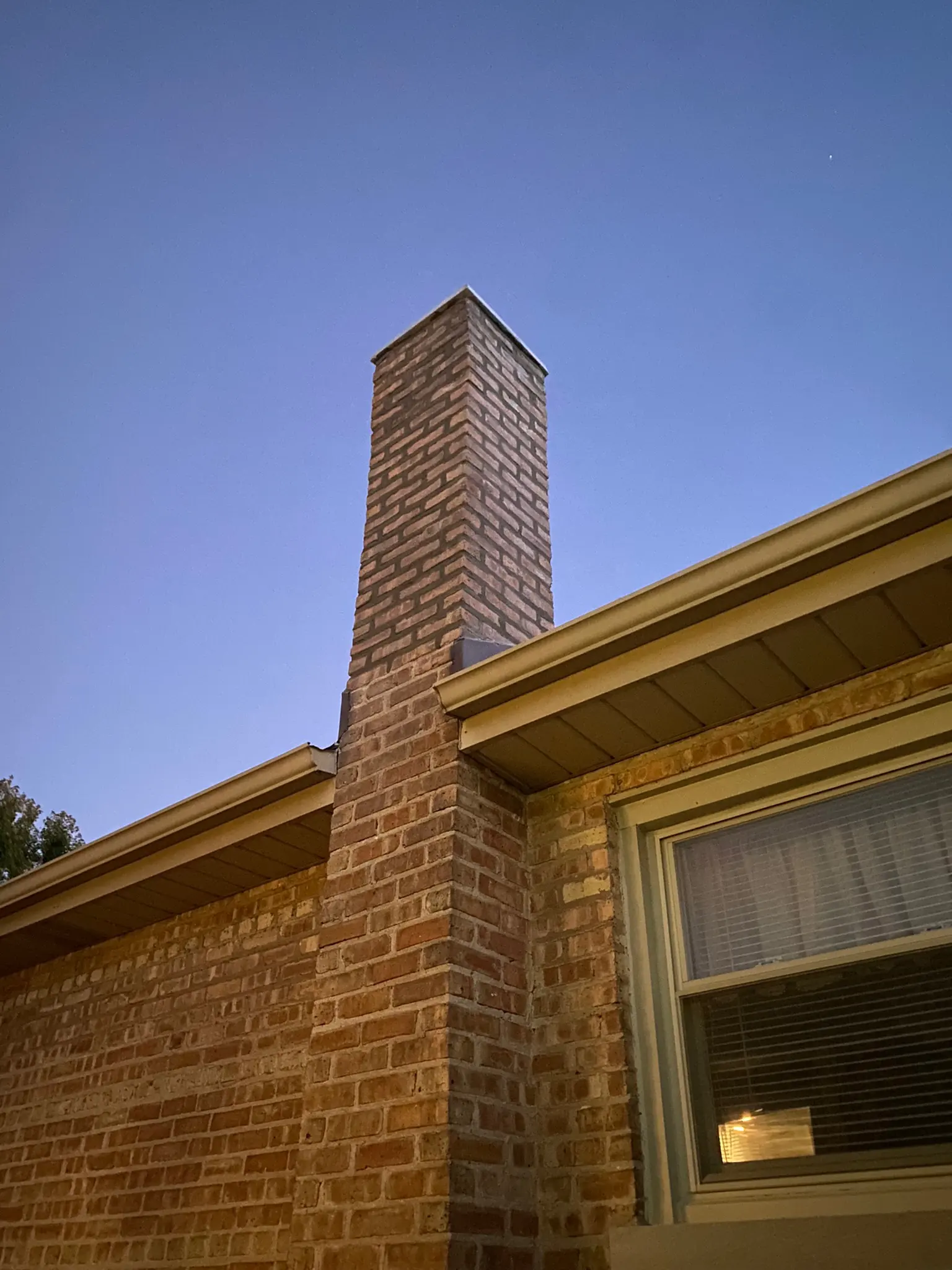
The clearest signs of chimney damage are visible from the ground or the roofline if you know what to look for: cracks in the concrete crown at the top, brick that is flaking or chipping (spalling), white chalky staining on the masonry, rust streaks around the damper or cap, water showing up inside the firebox, and any lean or separation from the house. Of those, a leaning stack and water entering the firebox are the ones that mean stop waiting and get it looked at. The rest are warnings that the chimney is taking on water and heading the same direction.
Chicago is unusually hard on chimneys. The masonry sits fully exposed to driving rain, then cycles through dozens of freeze-thaw swings every winter. Here is how to read what your chimney is telling you.
Start at the Top: Crown Cracks
The crown is the concrete or mortar cap at the very top of the chimney that sheds water away from the flue and brick. It is the chimney's roof, and when it cracks, water pours straight into the structure.
Hairline crazing is common and minor. Open cracks, missing chunks, or a crown that has no overhang are not — they funnel rain into the masonry below, where it then freezes and breaks brick apart from the inside. A failing crown is the single most common starting point for the rest of the problems on this list, which is why it is worth checking first.
Spalling: Brick That's Flaking and Popping
Spalling is when the face of the brick flakes, chips, or pops off, often leaving a pitted, crumbly surface and a pile of brick fragments at the base. It is the visible result of the freeze-thaw cycle Chicago specializes in: water gets into the brick, freezes, expands, and blows the face off.
Spalling matters because it does not reverse. Once the hard outer face of a brick is gone, the soft interior soaks up even more water and deteriorates faster. A few spalled bricks can be cut out and replaced; widespread spalling on a stack usually points to a water-source problem — a bad crown or flashing — that has to be fixed too, or the new brick will go the same way. Our overview of what causes brick to spall in Illinois walks through the mechanism in more detail.
White Staining (Efflorescence)
If you see a white, chalky, powdery film on the chimney brick, that is efflorescence — mineral salts carried to the surface by water moving through the masonry and left behind when it evaporates. The stain itself is cosmetic and brushes off. The message is not: it means water is actively getting into and through your brick.
Think of efflorescence as a moisture flag. On its own it will not hurt the chimney, but the water causing it will eventually freeze and lead to spalling and joint failure. It is a good early prompt to find where the water is coming in.
Rust Stains
Brown or orange rust streaks on or around the chimney point to metal corroding from water exposure — usually the damper, the firebox components, or a steel chase cover or cap. Rust means moisture has been present long enough to attack metal, so the masonry around it has almost certainly been getting wet too. Rust on the damper in particular often goes hand in hand with crown or flashing failure above it.
Water in the Firebox
Finding water, damp soot, or a musty smell inside the firebox is one of the more urgent signs on this list. Rain is reaching the inside of your chimney, which typically means a cracked crown, a failed flue, or bad flashing where the chimney meets the roof. Left alone, that water rusts the damper, can crack the flue liner, and rots the masonry from the inside where you cannot see it. This one warrants a prompt inspection rather than a "next spring" plan.
A Leaning or Separating Chimney — The Urgent One
If the chimney leans, tilts away from the roofline, or shows a widening gap between the stack and the house, treat it as urgent. A lean can indicate badly deteriorated masonry, a failed connection to the structure, or even a foundation issue under the chimney. Because a chimney is heavy masonry sitting high up, a structural lean is also a safety hazard. Stop using the fireplace and get it inspected right away — do not let a season go by.
What's Urgent vs. What Can Be Scheduled
- Urgent — call now: a leaning or separating chimney, water actively entering the firebox.
- Soon — schedule promptly: an open or crumbling crown, active spalling, rust at the damper.
- Watch and address: efflorescence and minor staining, which are early warnings that the chimney is taking on water.
The common thread is moisture. Nearly every item here traces back to water getting into masonry that then freezes — so the fix is almost always about stopping the water and repairing what it has already damaged, not just patching the surface.
Get Your Chicagoland Chimney Looked At
Emerald Masonry LLC has spent 40-plus years repairing chimneys across Chicagoland, and we know exactly how the freeze-thaw winters here take chimneys apart. We are family-owned, non-union, licensed, bonded, and insured, with free on-site estimates and a $5,000 project minimum. If your chimney is showing any of these signs, request a free chimney inspection and estimate from Emerald Masonry or call (708) 288-1696 — we will tell you straight whether it is a watch-it situation or something that needs attention now.
FAQ
What is the most common cause of chimney damage in Chicago?
Freeze-thaw cycling is the biggest culprit — water soaks into brick and mortar, freezes, expands, and breaks the masonry apart over repeated winters. A cracked crown or failed flashing lets that water in faster. Chicago's swing between thaws and hard freezes accelerates the whole process.
Is a leaning chimney an emergency?
Yes. A chimney that leans, separates from the house, or shows a widening gap can indicate failing masonry or a foundation problem and is a safety risk. Stop using it and have it inspected promptly. Do not wait for a season to pass.
What does white staining on my chimney mean?
White, chalky staining is efflorescence — mineral salts left behind as water moves through and evaporates from the masonry. It is a clear sign water is getting into the brick. On its own it is cosmetic, but it tells you a moisture problem needs attention before it causes spalling.
Should I worry about water in my firebox?
Yes. Water in the firebox usually means a failed crown, cracked flue, or bad flashing is letting rain into the chimney. Left alone it rusts the damper, damages the flue, and deteriorates the masonry from inside. It warrants a prompt inspection.
Frequently Asked Questions
What is the most common cause of chimney damage in Chicago?
Freeze-thaw cycling is the biggest culprit — water soaks into brick and mortar, freezes, expands, and breaks the masonry apart over repeated winters. A cracked crown or failed flashing lets that water in faster. Chicago's swing between thaws and hard freezes accelerates the whole process.
Is a leaning chimney an emergency?
Yes. A chimney that leans, separates from the house, or shows a widening gap can indicate failing masonry or a foundation problem and is a safety risk. Stop using it and have it inspected promptly. Do not wait for a season to pass.
What does white staining on my chimney mean?
White, chalky staining is efflorescence — mineral salts left behind as water moves through and evaporates from the masonry. It is a clear sign water is getting into the brick. On its own it is cosmetic, but it tells you a moisture problem needs attention before it causes spalling.
Should I worry about water in my firebox?
Yes. Water in the firebox usually means a failed crown, cracked flue, or bad flashing is letting rain into the chimney. Left alone it rusts the damper, damages the flue, and deteriorates the masonry from inside. It warrants a prompt inspection.