
Tuckpointing & Repointing · Chicagoland, IL
Tuckpointing a Church: What Makes Institutional Masonry Different
Church masonry projects look like tuckpointing jobs but require decisions that most residential or commercial work doesn't — matching historic mortar profiles, working around services and events, navigating volunteer committee approvals, and preserving architectural character that took a century to develop.
2026-04-13
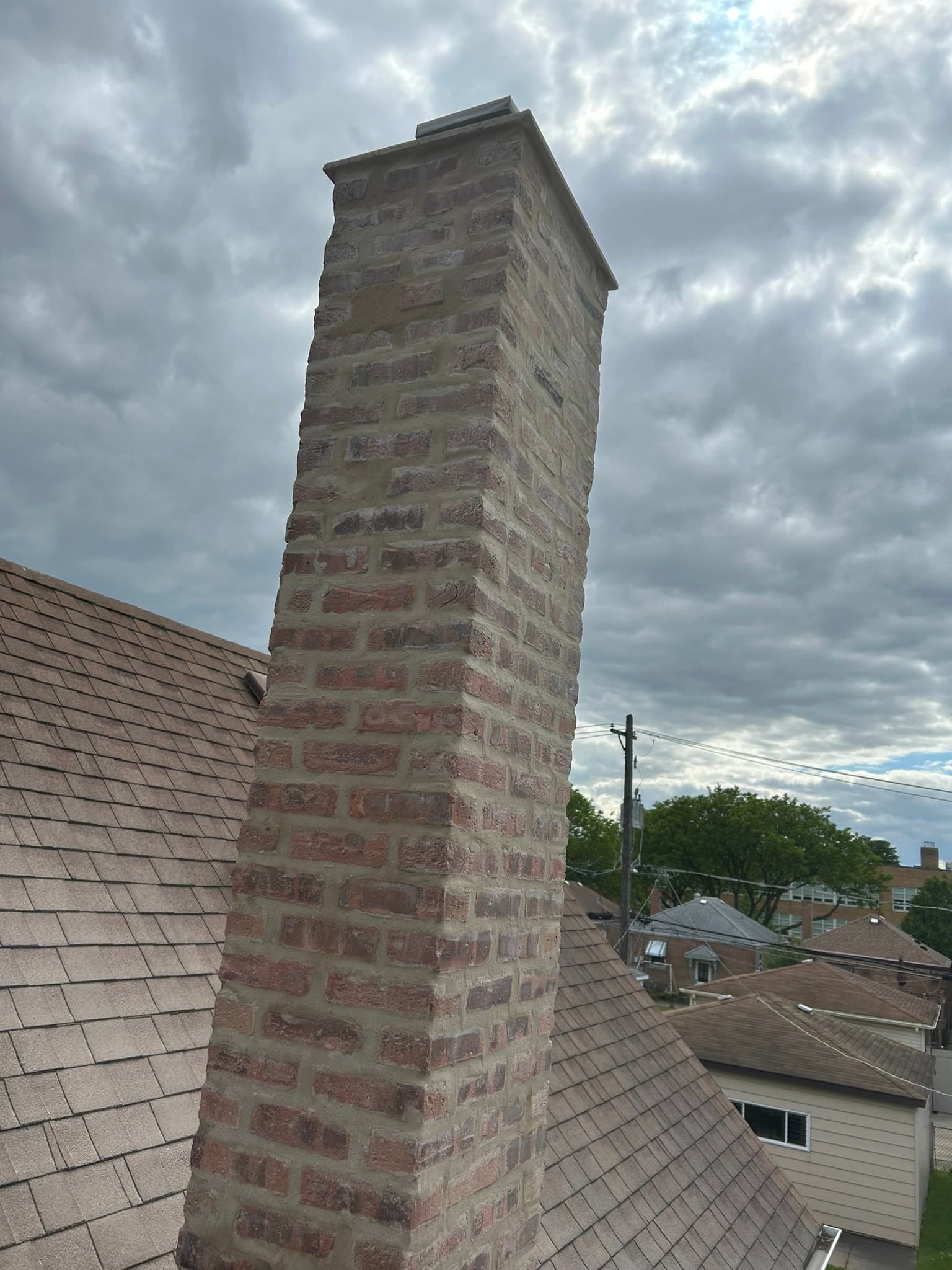
Churches are among the most demanding masonry projects a contractor can take on — not because the work itself is technically exotic, but because the context is different from everything else. You're working on a building that often has genuine historic character, a client structure that involves committees and congregational votes, scheduling constraints tied to services and events seven days a week, and an expectation that the finished result will be invisible — that the masonry will look exactly as it did, just sound.
After 40+ years working on institutional masonry in the Chicago suburbs, we've learned what makes church projects succeed and what causes them to go wrong. Most of the problems aren't technical. They're about preparation, communication, and understanding what the project actually involves before the first cut is made.
Why Church Masonry Is Its Own Category
Age of the structure. Many church buildings in the Chicagoland area were constructed between 1880 and 1940 using materials and techniques that differ significantly from modern construction. Older brick is softer and more porous. Mortar from that era was lime-based and behaved differently than Portland cement mixes. Stone accents — limestone, granite, and sandstone — require different tools and different mortar specifications than brick.
Using modern Type S or N Portland mortar on a pre-1940 church without understanding the original mix specification is one of the most common and damaging mistakes in historic masonry repair. Hard mortar can't flex with the building's thermal movement, and since it's harder than the old brick, stress concentrates at the brick face rather than the joint. The result is spalling — a consequence of the repair, not the original deterioration.
Joint profiles. Church architecture from the late 19th and early 20th century often features decorative joint profiles — struck joints, beaded joints, raked joints — that were part of the original design. Matching these profiles during repointing isn't optional on a character-sensitive building. Substituting a flat or concave joint on a facade with original struck joints changes the light and shadow character of the wall face and is immediately visible to anyone who knows what to look for.
Stone elements. Many Chicagoland churches have limestone sills, lintels, cornices, and ornamental elements alongside brick. Stone repair is a different discipline from brick repair — mortar composition, application technique, and tooling all differ. We see churches where previous contractors repointed brick correctly but used the same mix on limestone elements, causing staining and surface erosion on the stone. The two materials need to be treated separately.
Working Around Congregational Life
A church building is in use differently than a commercial or residential property. Events happen on Sundays, obviously — but also Tuesday evening council meetings, Wednesday services, Thursday choir rehearsals, Saturday weddings and funerals. There are often preschool or daycare programs in the building Monday through Friday.
Coordinating a masonry project around that schedule requires:
Early communication. Before we mobilize, we sit down with whoever manages the building and map out the project schedule against the church calendar. Grinding operations are the noisiest phase and need to be timed away from service times and any amplified event. Staging equipment and debris management need to account for congregation access to entrances.
Staging and access flexibility. Scaffold and lift positioning can't block primary entrances or parking lot egress. On projects where the primary facade faces the main parking lot, we sequence the work to maintain access throughout. This sometimes means starting on less visible elevations or working in sections rather than scaffolding the full building at once.
Dust and debris containment. Grinding mortar joints generates dust. Interior dust management matters when the building is in use — we use barrier sheeting at accessible entrances during grinding phases and schedule cleanup before weekend services.
The Committee Process
Church building projects typically require approval from a building committee, a board of trustees, or the full congregation depending on project size and the church's governance structure. That process takes time and may involve multiple rounds of questions that wouldn't come up on a commercial project.
We've learned to document our assessments in detail for church clients — photographs, written descriptions of conditions by elevation, explanation of why specific repairs are recommended — because that documentation goes into presentations and helps committees make informed decisions. A one-page quote isn't enough context for a congregational vote on a $50,000 restoration.
We also understand that approval timelines on church projects can extend months past the initial assessment. We hold our written scopes open accordingly and don't pressure for quick decisions on what is, for most congregations, a major expenditure.
What a Church Masonry Assessment Covers
When we inspect a church building, we're looking at more than joint condition:
- Mortar hardness and composition — is it lime-based historic mortar or Portland-modified? This determines what the repointing mix needs to be.
- Brick condition — are there spalled units? Hairline cracks running through courses? Evidence of previous incompatible repairs?
- Stone elements — condition of limestone sills, copings, belt courses, and ornamental details. Stone repair is scoped separately from brick.
- Flashing — is there through-wall flashing at window heads, shelf angles, and parapet courses? Is it intact?
- Chimney and tower masonry — often the most deteriorated elements because they're highest and most exposed.
- Drainage — weep holes, gutters, and downspout integration with the masonry assembly.
We document everything with photographs and provide a written report that separates urgent structural items from items that can be phased over multiple budget years.
Matching Historic Mortar
Getting mortar composition right on a historic church is one of the most technically demanding parts of the project. We use ASTM C270 as a framework and work with lime-Portland blends specified to match the existing mortar's compressive strength and porosity.
On significant projects with historic designation or donor oversight, we can coordinate laboratory analysis of existing mortar samples to develop a specification that matches the original mix as closely as modern materials allow. This is more involved than standard commercial tuckpointing but appropriate for genuinely significant structures.
For most suburban Chicagoland churches built between 1890 and 1960, a carefully selected Type O or NHL (natural hydraulic lime) blend will match the flexibility and porosity of the original mortar without requiring formal lab analysis.
Common Church Masonry Problems in the Chicago Area
Chimney deterioration. The bell tower or chimney is often the most deteriorated element on the building. Exposure at height, lack of maintenance access, and the thermal stress of a working flue all accelerate deterioration. We handle full chimney rebuilds as part of larger restoration scopes.
Parapet cap failures. Flat-roofed church fellowship halls and education wings often have brick parapets with deteriorated coping. Water saturating the parapet top is a primary source of interior water damage in these building types.
Previous incompatible repairs. We regularly find areas of a historic church facade where a previous contractor used hard Portland mortar. These sections are identifiable by adjacent brick spalling and the visual contrast between the bright white new joints and the aged surrounding joints. Correct remediation involves removing the incompatible mortar — carefully — and repointing with appropriate material.
Abandoned masonry openings. Churches frequently modify their buildings over time — sealing windows, changing door locations, modifying stairwells. These infill sections often don't bond well to the original masonry and show early water infiltration.
The Right Contractor for Church Work
A masonry contractor who primarily does residential repointing or commercial strip center work isn't necessarily wrong for church projects — the physical work is similar — but the project management and specification experience matters. We've worked on churches, synagogues, and institutional buildings throughout Chicagoland. We understand the committee process, the schedule constraints, and the material specification demands that older buildings require.
If your congregation is planning masonry work — whether a full restoration or targeted repairs — we're happy to provide a detailed assessment and written scope that supports your committee's review process.
Call (708) 288-1696 or reach out here. We serve churches and institutional properties throughout Cook, DuPage, Will, and Kane counties. There's no cost for the initial assessment and written report.