
Masonry Restoration · Chicagoland, IL
The Role of Weep Holes in Masonry Walls — What They Are and Why Missing Them Is a Problem
Weep holes are small openings at the base of brick wall assemblies that allow trapped water to drain out. They're easy to overlook during construction and maintenance — and their absence causes some of the most expensive water damage seen in commercial brick buildings.
2026-04-13
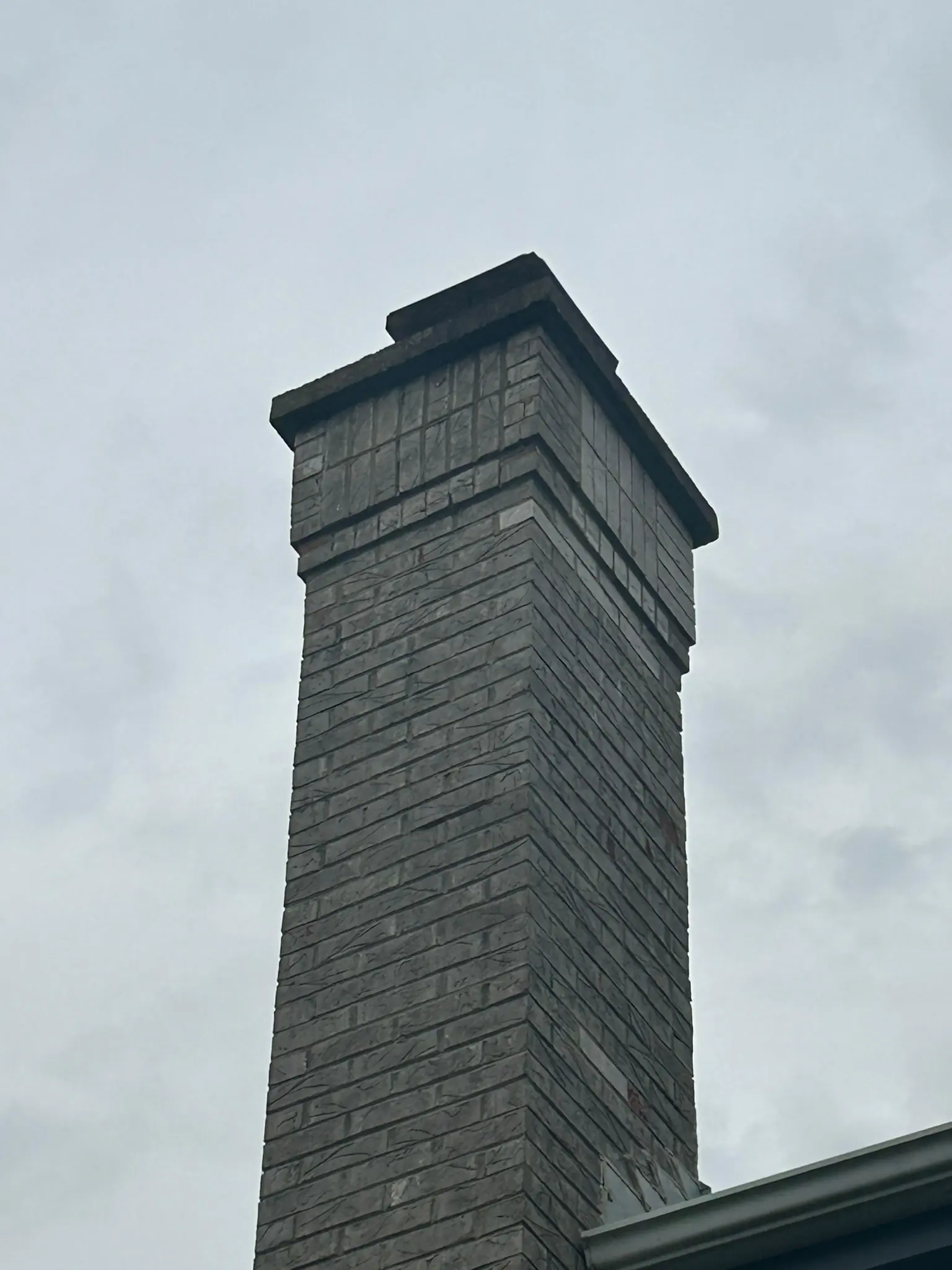
Most building owners and property managers have heard of weep holes — those small openings you occasionally see at the bottom of a brick wall, typically spaced every 24 to 32 inches along a course of mortar. What many don't know is what weep holes actually do, why they matter structurally, or what happens when they're missing, blocked, or improperly installed.
In Chicago's climate, where masonry walls absorb and release significant moisture through seasonal freeze-thaw cycling, the drainage function of weep holes isn't decorative. It's load-bearing for the system.
How Water Gets Into a Brick Wall
A brick facade is not watertight. Brick is porous. Mortar joints, especially aging ones, are more porous than brick. Even a well-maintained masonry wall absorbs water during heavy rain and releases it during dry weather. This is by design.
Modern brick wall assemblies — and properly built historic ones — include a cavity between the outer brick wythe and the backup structure (typically block, steel stud, or wood frame). This cavity creates an air gap that:
- Breaks the capillary path that would otherwise draw water continuously from the outer face to the interior
- Provides a drainage plane for water that does penetrate the face
The cavity works — but only if trapped water can exit the system. That's the job of weep holes.
What Weep Holes Do
Weep holes are openings at the base of the cavity, typically located in the mortar joint directly above a through-wall flashing. Water that enters the cavity — whether through porous brick, deteriorated joints, or failed flashing — runs down the back face of the outer wythe, hits the flashing, gets redirected to the front of the wall assembly, and exits through the weep holes.
Without weep holes, that water has nowhere to go. It pools at the base of the cavity, saturating the mortar bed and the base of the wall. In summer, it accelerates efflorescence and mortar deterioration. In winter, it freezes, expands, and attacks the brick courses from within.
This is one of the reasons why the most severe brick spalling in Chicagoland often appears at the lower courses of a wall — just above grade or above a floor line — rather than at the top. The top of the wall is where water enters. The bottom of the cavity is where it accumulates.
Common Weep Hole Problems We See in Chicagoland
No weep holes at all. Especially in commercial buildings constructed in the 1960s and 1970s, weep holes were sometimes omitted entirely during construction. This isn't always visible from the exterior — you have to know where to look and how to probe. Buildings with no cavity drainage often show chronic efflorescence at lower wall courses, persistent damp spots on interior walls, and early mortar deterioration at grade.
Blocked weep holes. Mortar dropped into the cavity during construction — called mortar bridging — fills the bottom of the cavity and blocks weep holes from functioning even when they're present. Old-school solutions include inserting a rope or porous material to keep the hole open; better practice is using open-head joints with mesh backing that keeps insects out while maintaining drainage.
Incorrect spacing. Code requires weep holes at regular intervals — typically every 33 inches or every third brick head joint. Incorrectly spaced weep holes create zones where water can't reach an outlet and pools laterally.
Filled or painted over. On buildings that have been painted or received a surface treatment, weep holes are sometimes inadvertently filled. This is a common problem on older Chicagoland commercial buildings that received sealant applications without masonry-specific knowledge.
Missing flashing behind the weep holes. A weep hole without through-wall flashing is only partially functional. The flashing is what directs water laterally to the holes. Without it, water may find other paths — or simply accumulate at the cavity bottom. Replacing or adding weep holes without also assessing flashing conditions misses half the system.
Weep Holes in Restoration and Repair
When we perform masonry restoration on commercial buildings, weep hole condition is part of every assessment. We probe holes to check for mortar blockage, inspect the coursework for evidence of missing holes, and look for flashing at the corresponding course.
On buildings where weep holes are missing or blocked, we restore them as part of the repair scope. This typically involves:
- Opening existing joints at the correct coursework location
- Installing open-cell backer material or copper mesh to maintain the opening while preventing insect entry
- Verifying flashing continuity at the same level — or installing flashing where it's absent
- Documenting locations for the property record
On older buildings with no cavity — solid masonry construction from the early 20th century — weep holes work differently and the system dynamics are distinct. Solid masonry buildings in Berwyn, Cicero, or Chicago's inner ring suburbs weren't built with cavities; they rely on wall mass and mortar breathability to manage moisture. We assess these differently and don't apply cavity-wall logic to solid masonry buildings.
What Property Managers Should Watch For
You don't need to be a mason to catch weep hole problems early. Watch for:
- Persistent white staining along lower wall courses that reappears after washing
- Wet or damp lower courses that take longer to dry after rain than the upper wall
- Brick spalling concentrated at lower elevations — especially on north and east-facing walls that stay wet longer
- Interior moisture or efflorescence on basement walls that don't have an obvious plumbing source
Any of these patterns warrants a masonry assessment that includes cavity and drainage evaluation — not just a repointing quote.
The Repair Is Rarely Just the Symptom
This is the broader lesson weep holes teach. Masonry walls are systems — brick, mortar, flashing, cavity, drainage, and backup structure all work together. When one component fails, the symptoms often appear somewhere else. A building with chronic efflorescence doesn't just need the staining removed; it needs the water source found and the drainage restored.
Emerald Masonry LLC approaches every commercial building assessment as a system problem, not a cosmetic one. We find the source before we address the surface.
For a masonry assessment that includes drainage evaluation and weep hole inspection, call (708) 288-1696 or reach us here. We serve commercial and residential properties throughout Chicagoland — southwest suburbs, DuPage County, Cook County, and Will County.