
Brick Repair & Replacement · Addison, IL
Brick Repair in Addison, IL — Spalling, Cracking, and Structural Repairs for DuPage County Brick Buildings
Addison's mixed commercial and residential character — including light-industrial parks, older subdivisions along Lake Street, and mid-century commercial strip development — creates a diverse brick repair caseload. The issues range from freeze-thaw spalling on postwar residential brick to lintel-driven cracking in 1960s and 1970s commercial facades. Emerald Masonry LLC diagnoses the cause, repairs the brick, and addresses the underlying water entry pathway so the repair holds long-term.
Quick Answer
Addison's mixed commercial and residential character — including light-industrial parks, older subdivisions along Lake Street, and mid-century commercial strip development — creates a diverse brick repair caseload. The issues range from freeze-thaw spalling on postwar residential brick to lintel-driven cracking in 1960s and 1970s commercial facades. Emerald Masonry LLC diagnoses the cause, repairs the brick, and addresses the underlying water entry pathway so the repair holds long-term.
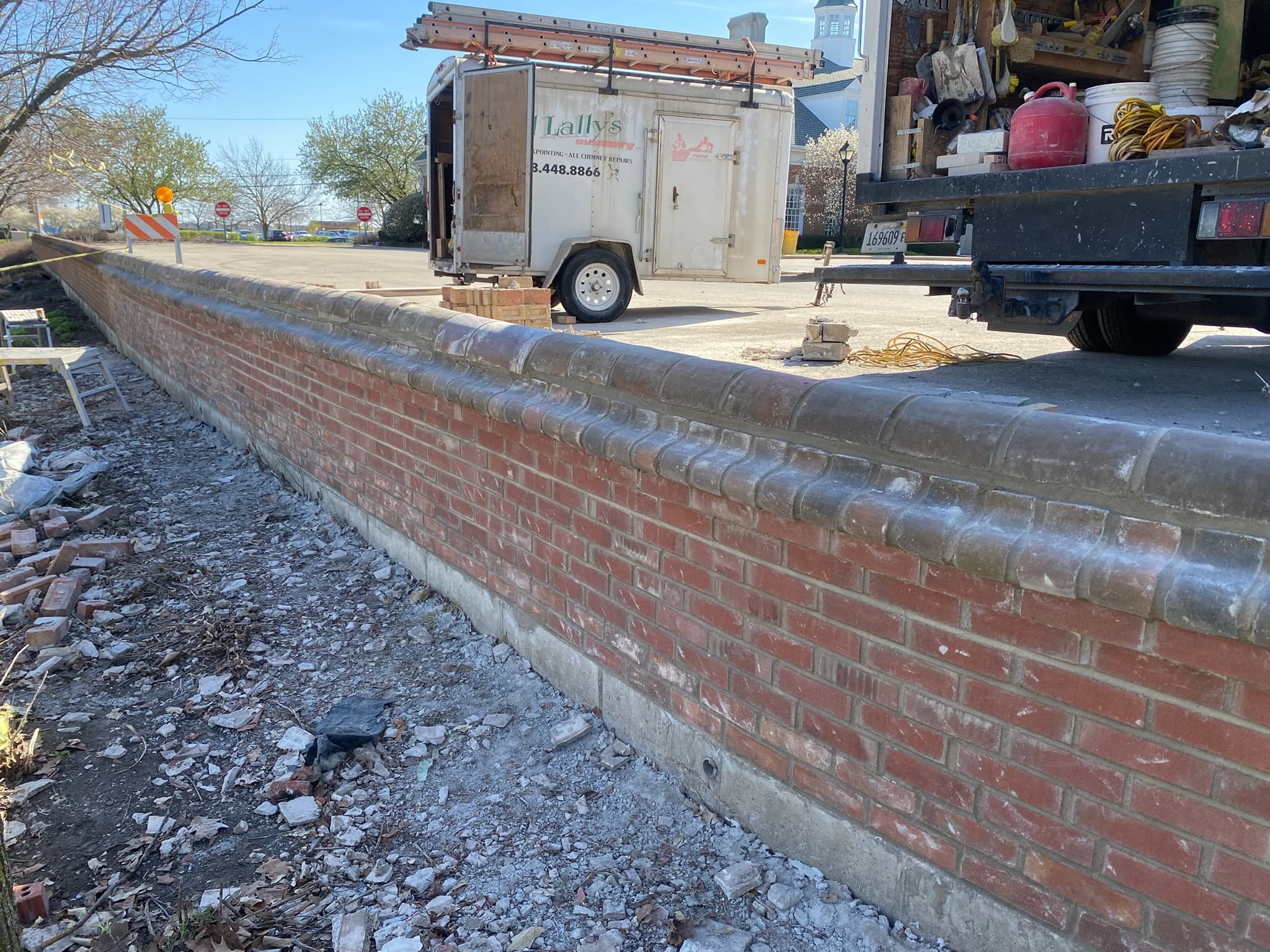
Every damaged brick tells you something if you read it correctly. The location of the spalling, the pattern of the cracks, whether the damage is distributed or concentrated — these details distinguish freeze-thaw fatigue from lintel failure from mortar-incompatibility damage, and each cause has a different repair requirement. Getting the diagnosis right before starting work is what separates a repair that lasts from one that fails in the same location within five years.
What Causes Brick Damage in Addison
Addison's building stock spans from the 1950s-1970s residential neighborhoods along Lake Street and North Avenue to newer commercial and industrial development along Route 53 and I-355. The brick failure mechanisms vary by era and building type.
Freeze-Thaw Spalling (All Eras)
The most common cause of brick face delamination in any Chicagoland community. Water enters brick through mortar joints, surface cracks, or inherent porosity. When it freezes, it expands approximately 9% in volume. In Addison's climate — with 100+ annual freeze-thaw cycles — the cumulative fatigue from repeated expansion events drives the outer fired face of the brick to separate.
Freeze-thaw spalling is distinguishable by its distribution: damage is relatively random across the brick face, often appearing on multiple courses, not concentrated in one zone. The pattern shows where water has been entering and saturating the brick.
Lintel Corrosion Cracking (1950s-1980s Commercial and Residential)
Steel lintels spanning window and door openings in brick walls corrode over decades of moisture exposure. Corrosion causes steel expansion — up to several times the original volume in advanced cases. The expanding lintel pushes against the surrounding brick and mortar, causing characteristic horizontal cracking above openings, stepped diagonal cracks at window corners, and eventual outward displacement of brick courses above the lintel line.
In Addison's commercial strip buildings from the 1960s-1970s, lintel corrosion is common and often underdiagnosed. Buildings where the windows have been replaced (sometimes multiple times) but no one has assessed the lintel condition are frequently showing the early-to-middle stages of lintel failure.
Mortar-Incompatibility Spalling (Pre-1950 Construction)
For Addison's older residential areas, the same mortar compatibility issue that affects Oak Park, Berwyn, Cicero, and other inner-DuPage communities applies. Pre-1930 brick laid with lime mortar, repointed at some point with hard Portland cement mortar, develops spalling specifically adjacent to the harder mortar joints. If the spalling on your building is concentrated around specific mortar joints rather than randomly distributed, this is the likely mechanism.
Settlement and Movement Cracks
Diagonal stair-step cracks following mortar joints across multiple courses, particularly at building corners or below large window openings, can indicate settlement or differential movement in the building's foundation or structural frame. These cracks are important to identify before repair — filling a crack in a wall that's still moving just re-opens the fill. Settlement cracks should be evaluated for cause and movement status before any repair approach is committed to.
The Right Repair for Each Cause
Freeze-thaw spalling: Individual brick replacement with matched material and new mortar, plus tuckpointing of adjacent eroded joints to close the water entry pathways that caused the original saturation.
Lintel cracking: Full lintel inspection of all affected openings. Depending on the extent of corrosion: structural repair involves temporary shoring, lintel removal, installation of a new galvanized or epoxy-coated lintel, and brick rebuild above the opening. Tuckpointing of the crack zone alone, without addressing the lintel, re-creates the failure.
Mortar-incompatibility spalling: Removal of the incompatible hard mortar from all joints adjacent to damaged brick, brick replacement with period-appropriate matched material where faces have spalled, and repointing with lime-compatible mortar matched to the brick's compressive strength.
Settlement cracks: Monitor for active movement (mark crack ends with pencil date marks and measure over time). If movement is stable, fill with flexible polyurethane or compatible mortar as appropriate. If movement is ongoing, structural assessment first.
Sourcing Replacement Brick
Matching replacement brick is one of the more challenging aspects of brick repair on Addison's older buildings. Brick color, texture, and size vary considerably across different eras and manufacturers — and weathering over 50-70 years changes the apparent color of the original brick significantly.
Sources for matching brick:
- Regional salvage yards specializing in historic building materials (best source for pre-1950 brick)
- Manufacturer closeouts and regional distribution for newer brick from identifiable manufacturers
- Owner's attic or basement for extra brick from original construction (ask — homeowners sometimes have leftover units)
A repair that uses obviously mismatched brick is permanent and visible. We take time to source matching material rather than defaulting to whatever's in stock.
Brick Repair vs. Full Tuckpointing
These aren't mutually exclusive — they're often part of the same scope. If a building needs individual brick replacement, the surrounding mortar joints almost certainly need assessment too. Water that damaged the brick entered through mortar joints. If those joints are still eroded and open, the new brick faces the same exposure conditions.
A complete repair scope for spalling brick typically includes:
- Brick replacement for damaged units
- Tuckpointing of the affected zone (not necessarily the whole building, but the zone around the repair)
- Assessment of whether a water entry source (failed flashing, damaged coping, failed lintel) needs to be addressed as well
FAQ: Brick Repair in Addison
How do I tell spalling from a bad brick (manufacturing defect)? Manufacturing defects in brick are rare and typically appear early — within a few years of construction, not decades later. Spalling in a building 40+ years old is almost always freeze-thaw fatigue or mortar-incompatibility, not manufacturing defect. If the damaged brick is on the north or west elevation and the south elevation is intact, freeze-thaw is the likely cause. If damage is adjacent to specific mortar joints and the mortar in those joints looks different from surrounding areas, mortar incompatibility is probable.
How long does brick repair last? Properly installed replacement brick with compatible mortar in a repaired zone that's also had the water entry source addressed should last as long as the original construction — decades. Brick repair that doesn't address the underlying water entry pathway fails faster because the new brick faces the same conditions that damaged the original. The diagnosis step before repair is what determines long-term durability.
Is brick repair expensive? Individual brick replacement ranges widely depending on the number of units, access requirements, and matching material availability. Single-wythe residential repairs are generally less expensive than multi-course commercial facade repairs. We provide detailed per-unit estimates and explain the full scope so you understand what you're purchasing.
Do I need a permit for brick repair in Addison? Routine individual brick replacement typically doesn't require a permit. Structural repairs involving lintel replacement, or work on buildings in designated historic districts, may require permits and review. We advise on permit requirements at the time of scoping.
Service Area
Emerald Masonry LLC serves Addison and the surrounding DuPage County communities from our base in Palos Heights. We work throughout Glendale Heights, Hanover Park, Villa Park, Lombard, Elmhurst, and the full central DuPage corridor. Our 40+ years of Chicagoland experience spans the complete range of DuPage County brick construction.
Contact us online or call (708) 288-1696 for a free on-site evaluation. We'll assess the brick condition, identify the cause, and give you a complete repair scope.
See also: Tuckpointing | Masonry Restoration | Commercial Masonry
Ready to get started?
Free on-site estimates for commercial and large-scale projects.