
Chimney Repair · Wheaton, IL
Chimney Repair in Wheaton, IL — Tuckpointing, Crown Repair & Masonry Restoration
Wheaton's established residential and commercial properties include thousands of brick chimneys that face the same enemy every winter: water. Emerald Masonry LLC provides chimney tuckpointing, crown repair, and full masonry chimney restoration for properties throughout Wheaton and DuPage County.
Quick Answer
Wheaton's established residential and commercial properties include thousands of brick chimneys that face the same enemy every winter: water. Emerald Masonry LLC provides chimney tuckpointing, crown repair, and full masonry chimney restoration for properties throughout Wheaton and DuPage County.
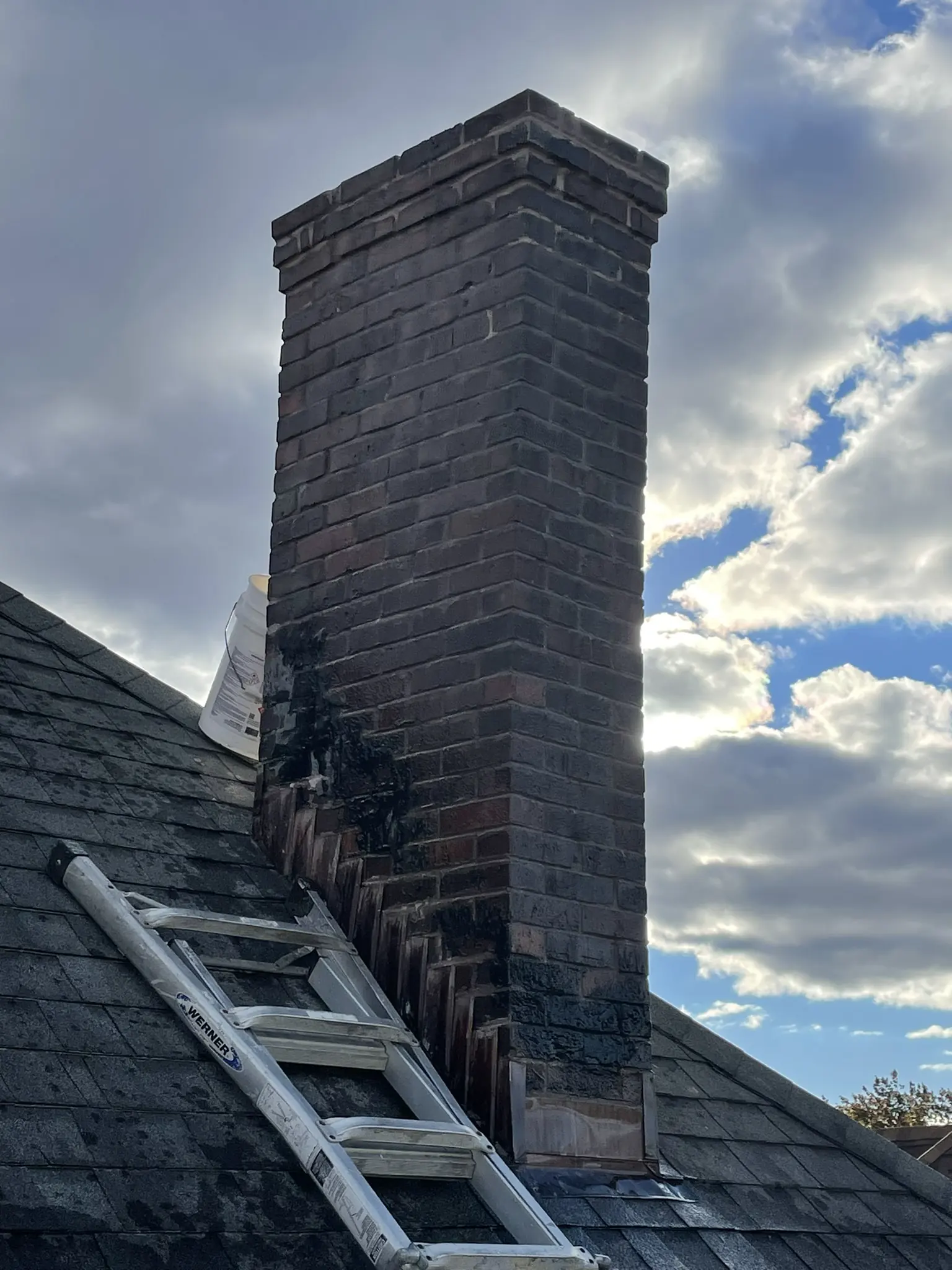
A brick chimney looks solid from the ground. What's happening up close — at the crown, in the mortar joints, around the flashing line — is often a different story. Wheaton's housing stock spans from early 20th century construction in the historic downtown neighborhoods to mid-century and newer homes throughout the DuPage County community. Every brick chimney on every one of those properties is fighting the same battle: water, freeze-thaw cycling, and time.
The damage that results is predictable, progressive, and — if caught early — fixable without a full rebuild. Emerald Masonry LLC handles chimney tuckpointing, crown repair, brick replacement, and full masonry restoration for residential and commercial properties throughout Wheaton.
Where Chimney Damage Starts
Most chimney deterioration follows the same sequence. Understanding where it starts tells you what to look for before it becomes expensive.
The Crown
The chimney crown — the concrete cap that seals the top of the chimney stack — is the first line of defense against water entry. On older Wheaton chimneys, crowns were often poured thin and without proper overhang, which means water doesn't drain away from the brick and runs directly over the flue opening. Over decades of freeze-thaw cycling, these crowns crack, shift, and eventually break apart.
A cracked crown lets water pour directly into the chimney stack and the surrounding mortar joints with every rain event. Once water is entering from the top, everything below degrades faster.
Mortar Joints at the Top Courses
The highest courses of a chimney take the most weather exposure — full sun, wind-driven rain from every direction, and no shelter from the roof. Mortar joints in the top 12–18 inches of a chimney stack deteriorate faster than joints lower on the wall. By the time they're visibly failing, water has already been entering for several seasons.
Flashing
The flashing line — where the chimney meets the roof — is a common water entry point that often gets misattributed to chimney masonry problems. Separated or corroded step flashing lets water behind the chimney and into the roof assembly rather than into the masonry itself. Distinguishing flashing failure from mortar failure requires close inspection.
What Chimney Repair Involves
The scope of chimney repair on a Wheaton property depends on what's actually failing. Not every chimney needs everything — a clear assessment determines which items are necessary and which can wait.
Tuckpointing
The most common chimney repair is tuckpointing deteriorated mortar joints. On a typical residential chimney, this involves cutting out recessed or crumbled mortar to ¾-inch depth, matching the replacement mortar to the original mix strength, and packing and tooling the new joints. Done correctly on a chimney with otherwise sound brick, tuckpointing restores the water resistance of the joint for 15–20 years.
Crown Repair or Replacement
Hairline cracks in a crown can sometimes be sealed with appropriate flexible sealant if the crown structure is still sound. Crowns with significant cracking, section loss, or poor original construction should be broken out and repoured — a flat-rate repair that, on most Wheaton chimneys, takes half a day and solves the primary water entry point.
Brick Replacement
Spalled or structurally compromised brick units above the roofline need to be replaced before they become a falling hazard. Replacement brick is sourced to match the original as closely as possible in size, color, and texture. Mortar is specified to match the building.
Full Stack Rebuilding
When multiple courses have failed structurally — or when a chimney has been struck, shifted, or severely neglected — rebuilding from the roofline up is sometimes the most practical option. This is a larger scope job but often more cost-effective than patching a chimney that's deteriorated beyond what individual repairs can restore.
Scheduling: Why Spring and Fall Are the Best Time
Chimney masonry work in Wheaton has a weather window. Fresh mortar needs temperatures above 40°F to cure properly — work done in late fall or winter either cures poorly (leading to early joint failure) or requires costly cold-weather precautions.
Spring — April through June — and fall — August through October — are the ideal windows. Spring work catches damage from the winter freeze-thaw season before the next round of summer moisture. Fall work prepares the chimney for winter before temperatures drop.
We schedule Wheaton chimney repairs in both windows. Booking in early spring means the work is done before summer, not after.
Residential vs. Commercial Chimneys in Wheaton
Residential chimneys in Wheaton — from the older homes near downtown to mid-century ranch construction further out — are typically 20–30 feet from grade to crown. Access is by ladder staging or adjustable pipe scaffolding positioned off the roof deck. Most residential chimney jobs are completed in one or two days.
Commercial and institutional chimneys — common on Wheaton's churches, older civic buildings, and multi-unit properties — are often larger, taller, and more architecturally complex. They may require aerial lifts or full scaffold staging. We handle commercial chimney scope as well, with the same approach: assess what's actually failing, specify repairs correctly, and execute them properly.
Frequently Asked Questions
How do I know if my chimney needs tuckpointing or a full rebuild? Tuckpointing is appropriate when the brick units are structurally sound and the mortar joints are the primary failure. Rebuilding is necessary when brick units have spalled or crumbled, when courses have shifted out of plumb, or when the masonry is compromised enough that patching won't hold. We assess this on-site — you won't get a rebuild recommendation when tuckpointing is sufficient.
Can I see chimney damage from the ground? Sometimes. Visible white staining (efflorescence), missing mortar chunks, or clearly displaced bricks are detectable from grade. But crown cracks, recessed joints, and early-stage spalling at the top courses often aren't visible without close inspection. If your chimney is more than 20 years old and hasn't been inspected up close, it's worth having someone look.
What's included in a chimney estimate from Emerald Masonry? We do a free on-site estimate that includes close inspection of the chimney — not just a ground-level look. We'll document what's failing, explain the repair options, and give you a clear scope and price before any work starts. No surprise add-ons once the job is underway.
Do you repair chimneys on active fireplaces? Yes. Masonry chimney repair addresses the exterior — mortar joints, crown, and brick — not the interior flue. If you're concerned about flue liner condition, that's a separate chimney inspection scope. We focus on the structural and weather-resistance aspects of the masonry.
Serving Wheaton and Surrounding DuPage County Communities
Emerald Masonry LLC is based in Palos Heights and serves Wheaton, Glen Ellyn, Carol Stream, Winfield, Warrenville, Naperville, and surrounding DuPage County communities. We've worked in the western suburbs for career masons.
Call (708) 288-1696 or request a free estimate for your Wheaton chimney repair.
Also see: Tuckpointing | Brick Repair | Masonry Restoration
Ready to get started?
Free on-site estimates for commercial and large-scale projects.