
Tuckpointing & Repointing · Cicero, IL
Tuckpointing in Cicero, IL — Mortar Joint Repair for One of Cook County's Densest Brick Communities
Cicero is one of the most brick-dense communities in Cook County — block after block of two-flats, three-flats, and bungalows built between 1910 and 1950, all with the mortar joint wear patterns that come with 70-100 years in Chicagoland's climate. Emerald Masonry LLC provides professional tuckpointing and repointing for Cicero's residential, commercial, and institutional properties.
Quick Answer
Cicero is one of the most brick-dense communities in Cook County — block after block of two-flats, three-flats, and bungalows built between 1910 and 1950, all with the mortar joint wear patterns that come with 70-100 years in Chicagoland's climate. Emerald Masonry LLC provides professional tuckpointing and repointing for Cicero's residential, commercial, and institutional properties.
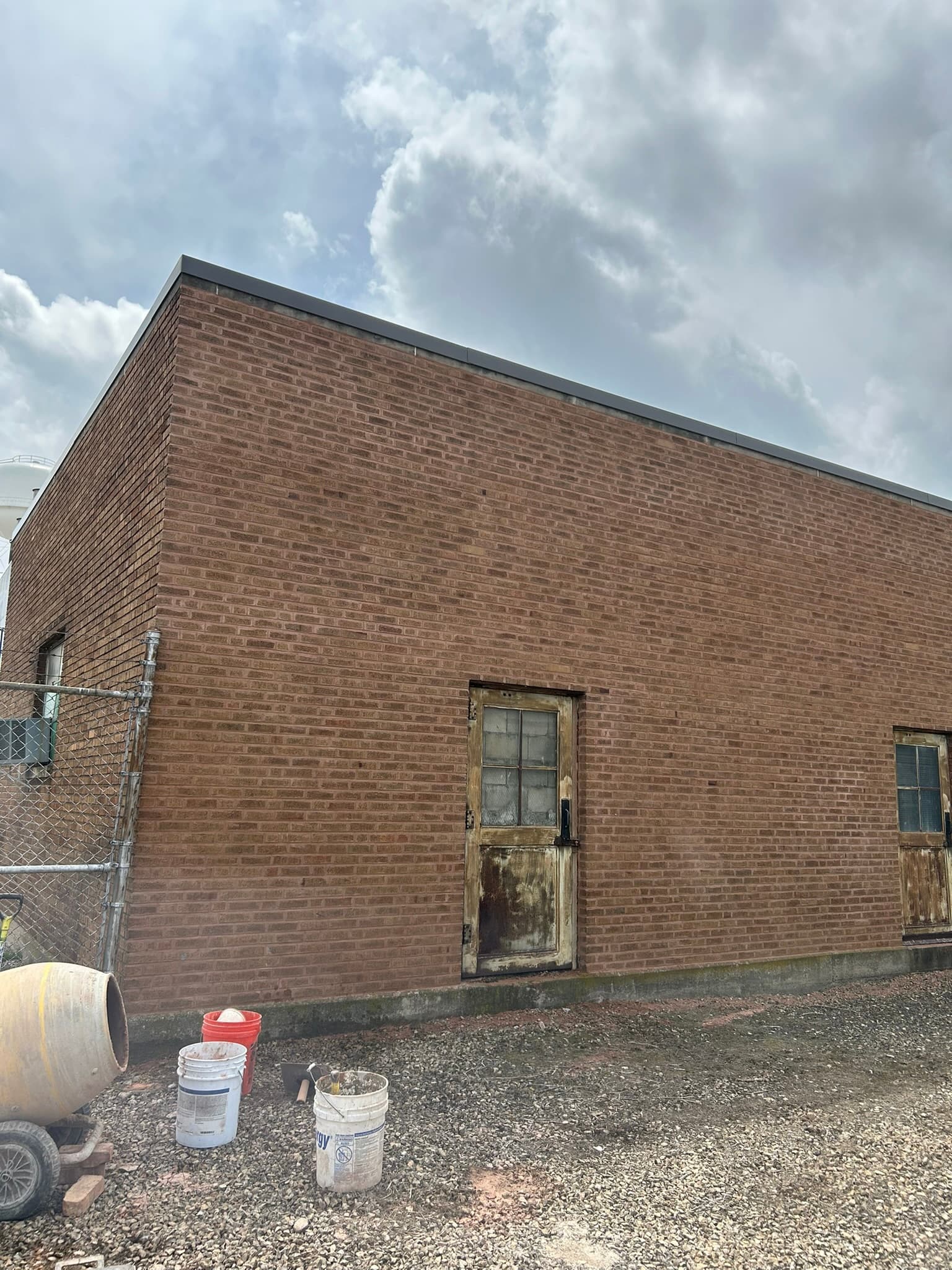
Few Chicago-area communities have as much brick per square mile as Cicero. Drive through the town's residential blocks along 16th Street, 22nd Street, or the numbered avenues heading north, and you're looking at block after block of brick construction — almost entirely built between 1910 and 1950, largely by immigrant craftsmen who knew brick and built it to last. That construction did last. It's also been accumulating mortar wear for 75 to 100 years.
Understanding what that means for the buildings you own or manage in Cicero — and what proper maintenance looks like — is what this page is about.
Cicero's Brick Building Stock
The housing stock that defines Cicero is predominantly two-flats, three-flats, and the classic Chicago bungalow, supplemented by larger six-flats, commercial storefronts, and institutional buildings. The residential construction dates primarily from 1910 through 1945, with some postwar additions through the early 1950s.
This era of construction used materials and methods that matter for modern maintenance:
Soft-fired clay brick. Pre-1930 brick was typically fired at lower temperatures than modern production brick, resulting in more porous, softer material. Compressive strength of 1,500 to 3,000 psi was common — compared to modern brick at 8,000 to 12,000 psi or higher. This brick is more susceptible to water absorption and freeze-thaw damage, but it was originally paired with lime-based mortar that was softer than the brick — the correct relationship.
Lime mortar joints. Original mortar in pre-1930 Cicero construction was lime-based: softer than the brick, flexible, vapor-permeable, and designed to fail before the brick does. When these joints reach the end of their service life and need to be replaced, the replacement mortar must match the original's properties — not exceed them.
Two-flat and three-flat construction details. Multi-unit residential buildings in Cicero typically have brick-to-grade construction, party walls between units, and often limited roof overhang protection for upper story masonry. These details create specific water infiltration pathways that tuckpointing must address.
The Mortar Problem in Cicero's Pre-War Buildings
The most common mistake made during previous tuckpointing cycles on Cicero's older buildings was using modern Type S Portland cement mortar in joints that require lime-compatible mortar. Type S mortar is appropriate for post-1950 brick; it has a compressive strength of approximately 1,800 psi — significantly harder than the 75-300 psi lime mortar it was replacing, and in many cases harder than the soft historic brick around it.
When mortar is harder than the brick it surrounds, thermal expansion, settlement, and freeze-thaw stress transfer into the brick rather than being absorbed by the mortar joint. The brick face cracks and spalls. The concentrated damage around new mortar joints tells you exactly where this incompatibility occurred.
If your Cicero building has been tuckpointed before — particularly if the work was done in the 1980s or 1990s — and you're now seeing spalling brick concentrated around certain joints, this is almost certainly the cause. The fix requires removing the hard mortar and replacing it with a compatible, softer specification.
For any building in Cicero constructed before 1930, the mortar specification for repointing should be verified before work begins. Type O or custom lime mortar is typically correct for this era. Any contractor who proposes Type S for a 1920s Cicero two-flat without testing the brick's hardness is not thinking about mortar compatibility.
What Tuckpointing Actually Involves
Proper tuckpointing is a methodical process. Here's what it should include on a Cicero building:
Joint preparation. Deteriorated mortar is removed to a minimum depth of ¾ inch using an angle grinder with a diamond blade, an oscillating tool, or hand chisels. The depth matters — shallow grinding produces shallow mechanical bond and shorter repair life. On soft historic brick, the grinder blade depth must be controlled carefully to avoid cutting into the brick arises (the inner joint surfaces).
Mortar selection and mixing. Based on the building's age and the tested or assessed hardness of the existing brick, the appropriate mortar is specified and mixed. For Cicero's pre-1930 buildings, this typically means a lime-rich mix — softer, more flexible, and vapor-permeable.
Joint packing. New mortar is packed into the joint cavity in layers, compressing each layer before adding the next. Shallow troweling of mortar into the joint face without proper packing produces mortar that looks fine but lacks bond to the joint sides.
Tooling. Once mortar reaches appropriate stiffness, joints are tooled to the original profile — typically concave, but occasionally flush or weathered on older buildings. Tooling density matters for water shedding.
Weather protection. In Chicago's climate, fresh mortar must be protected from direct hot sun (which dries it too fast) and from cold temperatures below 40°F (which prevents proper curing). Work in these conditions without protection produces mortar with reduced bond strength.
Signs Your Cicero Building Needs Tuckpointing
Walk a building's exterior and look for:
- Mortar erosion. Run your finger along a joint. If the mortar is recessed more than ¼ inch below the brick face, water is pooling in the joint cavity rather than shedding from the face.
- Crumbling joints. Mortar that comes away with moderate pressure, or that you can scrape with a key or tool, is too far deteriorated to be effective.
- Efflorescence. White mineral deposits on the brick face indicate water is moving through the wall. The water source is often joint erosion.
- Spalling brick. Delaminating brick faces indicate water has been entering and freeze-thaw cycling inside the brick pore structure. The source of the water entry is usually deteriorated mortar joints.
- Cracks above windows or doors. Horizontal or step-diagonal cracks in these locations can indicate mortar erosion combined with lintel issues.
What to Expect from a Tuckpointing Estimate
A thorough tuckpointing estimate for a Cicero building should specify:
- Which elevations are included and which are excluded
- How deep the existing mortar will be removed (should be at least ¾ inch)
- What mortar type will be used and why it's appropriate for this building
- What access method is planned (scaffolding, staging, or lift)
- What the warranty covers and for how long
If a contractor walks your property and hands you a price without discussing mortar specification, walk away. The mortar type is the most consequential decision in any tuckpointing project on an older building.
FAQ: Tuckpointing in Cicero
My building had tuckpointing done 20 years ago and now the brick is spalling near those joints. What happened? This is the classic mortar incompatibility failure pattern. If the previous contractor used Type S Portland mortar on pre-1930 soft brick, the harder mortar transferred thermal and freeze-thaw stress into the brick rather than absorbing it. The brick face cracks and spalls in the areas adjacent to the harder joints. The fix is removing the Portland mortar completely and replacing it with a softer, lime-compatible mix. Leaving the hard joints in place and just repointing around them extends the damage cycle.
How do I know if my building needs tuckpointing or full masonry restoration? Tuckpointing addresses mortar joint erosion. If the brick units themselves are spalling, cracking, or displaced — particularly above window openings or at the parapet — the scope goes beyond mortar joints. At that point, you need brick replacement as part of the repair, which is a masonry restoration scope. We'll assess the full condition at the time of estimate and be direct about what scope is actually warranted.
How long does tuckpointing last on a Cicero building? Properly installed lime-compatible mortar on a pre-1930 building should last 20-35 years. Type S mortar on appropriate post-1950 brick should last 25-35 years. North and west elevations reach the maintenance threshold first in this climate — typically 3-5 years ahead of south and east faces on the same building. Chicago's 100+ annual freeze-thaw cycles drive mortar wear faster than guidance written for other climates would suggest.
Can tuckpointing be done in sections, or does the whole building need to be done at once? Sections are fine and often the right approach for phasing cost. Priority order: address the most deteriorated elevations first (typically north and west), and any areas where active water infiltration is occurring regardless of orientation. The key is not to defer the high-priority areas while doing lower-priority ones first.
Service Area
Emerald Masonry LLC serves Cicero and the surrounding Cook County communities from our base in Palos Heights, IL. We work throughout Berwyn, Oak Park, River Forest, Stickney, Forest Park, and the near-west suburbs, as well as south Cook County and the broader Chicagoland area. Our 40+ years in the region means we've worked on the full range of Cook County brick — from 1910 two-flats to 1960s commercial facades.
Contact us online or call (708) 288-1696 for a free on-site estimate. We'll assess the mortar condition, identify the right specification for your building's brick, and give you an honest scope.
See also: Masonry Restoration | Brick Repair | Waterproofing
Ready to get started?
Free on-site estimates for commercial and large-scale projects.