
Tuckpointing & Repointing · La Grange, IL
Tuckpointing in La Grange, IL — Licensed Masonry Contractor for Cook & DuPage County
La Grange's older brick buildings — many built in the early-to-mid 20th century — need periodic mortar maintenance to stay structurally sound and water-tight. Emerald Masonry LLC provides licensed tuckpointing and repointing for commercial and residential properties throughout La Grange and the western suburbs.
Quick Answer
La Grange's older brick buildings — many built in the early-to-mid 20th century — need periodic mortar maintenance to stay structurally sound and water-tight. Emerald Masonry LLC provides licensed tuckpointing and repointing for commercial and residential properties throughout La Grange and the western suburbs.
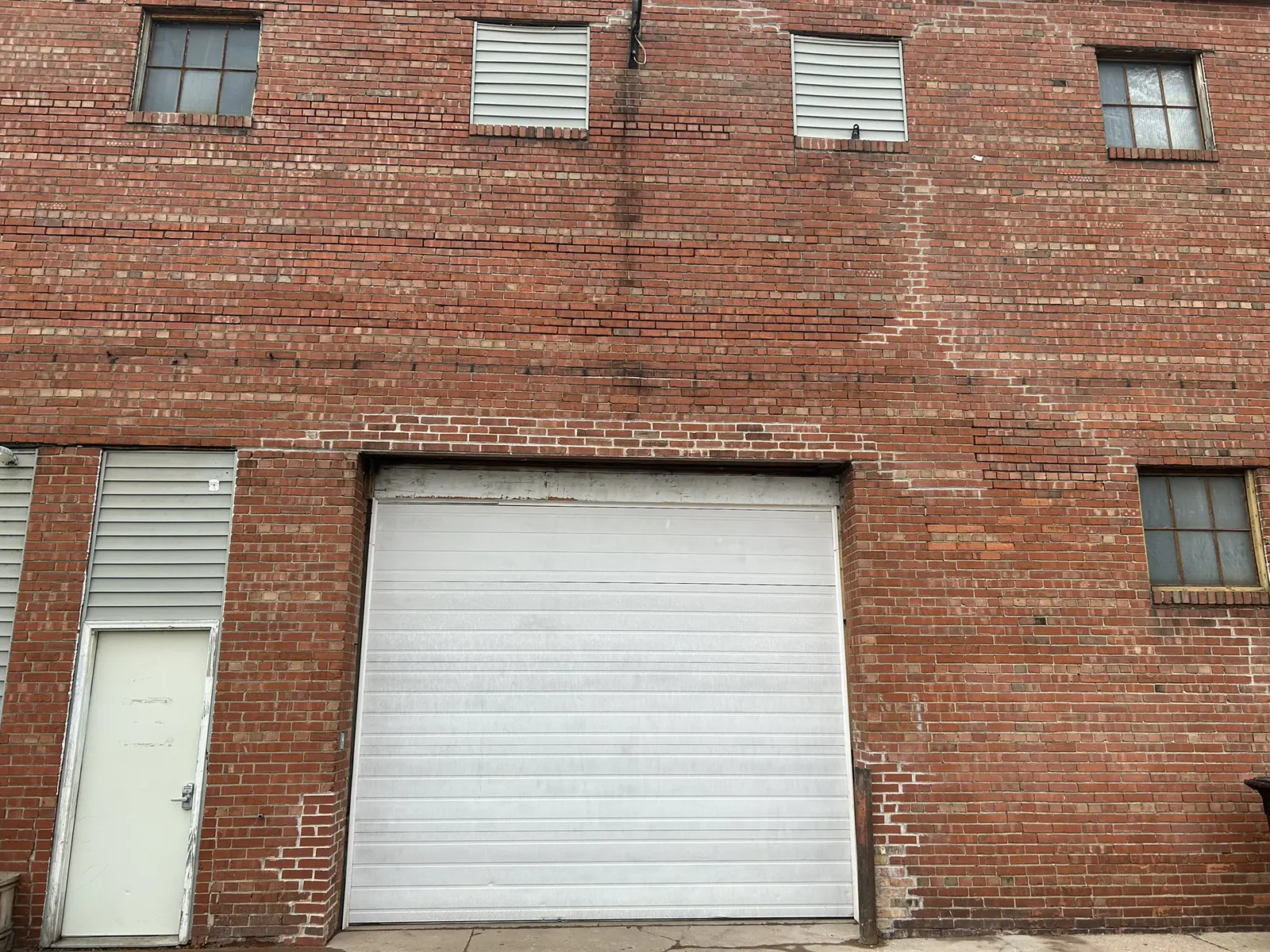
La Grange is one of the better-preserved historic suburbs on Chicago's western edge. The downtown district and surrounding residential blocks are thick with brick construction from the 1910s through the 1950s — buildings that were built to last but that now need mortar maintenance to keep doing it. Mortar is the first thing to go. It's softer than brick by design, and after 20–decades of Illinois freeze-thaw cycles, it recesses, cracks, and eventually fails entirely. That's where tuckpointing comes in.
Emerald Masonry LLC provides professional tuckpointing and repointing for commercial and residential brick properties throughout La Grange, La Grange Park, Western Springs, and the surrounding Cook and DuPage County area.
What Tuckpointing Is and Why It Matters
Tuckpointing is the process of removing deteriorated mortar from brick joints and replacing it with fresh mortar — typically to a depth of ¾ inch or more. The goal is straightforward: restore the joint's integrity so water cannot penetrate the wall.
Water in mortar joints doesn't just sit there. It migrates into the surrounding brick, freezes in winter, expands, and causes progressive damage to both the mortar and the brick face. In La Grange's climate — where temperatures swing through 30 or more freeze-thaw cycles between November and March — this process repeats year after year. Joints that fail in the 1980s but aren't addressed become significant brick damage problems by the 2000s.
Properly executed tuckpointing stops that cycle. It's the single most important maintenance task for any brick building, and it's far less expensive than the brick repair work it prevents.
Signs Your La Grange Property Needs Tuckpointing
Not all mortar deterioration is immediately obvious. Here's what to look for on a La Grange commercial or residential building:
Recessed Joints
The joint face should sit flush with or slightly behind the brick face. When mortar recesses more than ¼–½ inch, it's allowing water to collect in the joint rather than shed off the wall. Recessed joints on older La Grange buildings — especially those facing north or west — typically need attention.
Cracked or Crumbling Mortar
Hairline cracks in mortar joints are early-stage failure. Mortar that crumbles when touched, or that comes out in chunks with light pressure, has already failed. Both conditions allow water infiltration with every rain event.
Efflorescence Staining
White mineral deposits on brick faces are a sign that water is moving through the wall and depositing dissolved salts on the surface as it evaporates. Efflorescence doesn't cause structural damage on its own, but it indicates the wall is chronically wet — which means the joints are compromised.
Previous Repairs with Wrong Mortar
Older La Grange buildings — particularly pre-1960 construction — were built with softer brick that requires lime-based mortar. If a previous contractor used a hard Portland cement mix, those joints will be shedding stress into the surrounding brick faces rather than absorbing it. You'll see cracking along joint lines and, over time, brick spalling adjacent to "repaired" sections.
The Tuckpointing Process
Professional tuckpointing has three stages — preparation, application, and finishing — each of which affects how long the repair lasts.
Joint preparation: Deteriorated mortar is removed to a depth of at least ¾ inch using an angle grinder with a tuckpointing blade, an oscillating saw, or hand chisels. The depth matters: shallow surface packing doesn't bond properly and will fail again quickly.
Mortar selection: This is where most DIY repairs and some less experienced contractors go wrong. The replacement mortar must match the compressive strength of the original — for most pre-1960 La Grange construction, that means a lime-based Type N or O mortar, not the harder Type S or M mixes used in modern construction. Using incompatible mortar causes spalling.
Application and tooling: Fresh mortar is packed into the cleaned joint in lifts, then tooled to match the original joint profile — typically a concave or rodded joint on older construction. The tooled surface sheds water more effectively than a flat or flush finish.
Curing: Fresh mortar needs to cure slowly. In summer, that means misting the repaired sections over a few days to prevent rapid drying and cracking.
Commercial vs. Residential Tuckpointing in La Grange
The process is the same; the scope and staging differ.
Commercial buildings in La Grange's downtown district — retail blocks, office buildings, mixed-use construction — often need tuckpointing on multiple elevations at once, which requires aerial lifts or scaffold staging. These projects are typically scoped by elevation and priced by linear foot of joint.
Residential properties — the bungalows, two-flats, and larger homes that define La Grange's neighborhoods — often have more localized deterioration: a north-facing chimney, parapet sections on older flat-roof buildings, or specific elevations with failing joints. Residential tuckpointing is typically scoped by section or elevation.
Emerald Masonry handles both. We bring the same approach to a three-flat as to a commercial strip center: proper joint preparation, matched mortar, and tooled joints.
How Often Does Brick Need Tuckpointing?
For most La Grange properties, a realistic maintenance schedule is:
- Initial tuckpointing: 20–30 years after original construction
- Follow-up inspection: 15–20 years after a full tuckpointing job
- Localized repairs: As needed between full cycles, particularly on north-facing walls and parapet sections
Buildings that were never properly maintained — or that had previous repairs done with incompatible mortar — often need more intensive attention before returning to a standard cycle.
Frequently Asked Questions
How do I know if my mortar joints need tuckpointing or if I need brick replacement? Mortar joint failure and brick damage are two different problems, though one leads to the other. If your joints are recessed or crumbling but the brick faces are intact, tuckpointing is the right scope. If brick faces are chipped, popped off, or crumbling, you likely need brick repair alongside the tuckpointing. We assess both during a free estimate visit — you'll get a clear picture of what's actually needed before any work starts.
My building had tuckpointing done 10 years ago and the mortar is already failing. What went wrong? The most common cause is improper joint depth during the original repair. If mortar was surface-applied rather than cut back to proper depth, it didn't bond well and will fail prematurely. The second common cause is wrong mortar spec — too hard a mix for the building's brick type. We can assess which issue you're dealing with and correct it properly.
What's the difference between tuckpointing and repointing? The terms are often used interchangeably in the Chicago area, but there's a technical distinction. Repointing means removing old mortar and packing in new mortar — full stop. Traditional tuckpointing refers to a two-layer finish where a base mortar is applied and then a thin line of contrasting putty is laid on top to simulate fine joints. Most contractors in the Chicago area use "tuckpointing" to mean standard mortar joint repair. We'll be clear about exactly what's being done on your building.
Do you work on older or historic buildings? Yes. Many La Grange properties were built before modern Portland cement mortars were standard, and they require softer, lime-based mixes to avoid damaging the original brick. We specify mortar to match the building — not a one-size-fits-all modern mix.
Service Area from La Grange
Emerald Masonry LLC is based in Palos Heights and serves La Grange and the surrounding area including La Grange Park, Western Springs, Brookfield, Riverside, Lyons, Berwyn, Cicero, and other Cook and DuPage County communities. For commercial projects, we serve the full Chicagoland metro.
Reach us at (708) 288-1696 or request a free on-site estimate. No project minimum hassle — we're straightforward about scope and cost before any work begins.
Also see: Brick Repair | Masonry Restoration | Efflorescence & Waterproofing
Ready to get started?
Free on-site estimates for commercial and large-scale projects.