
Commercial & Industrial Masonry · Lockport, IL
Commercial Masonry Contractor in Lockport, IL — Industrial & Municipal Masonry Repair
Lockport's industrial corridor and its historically significant downtown represent two distinct ends of the commercial masonry spectrum — modern CMU block industrial facilities and century-old brick buildings that require careful, compatible repair methods. Emerald Masonry LLC handles both.
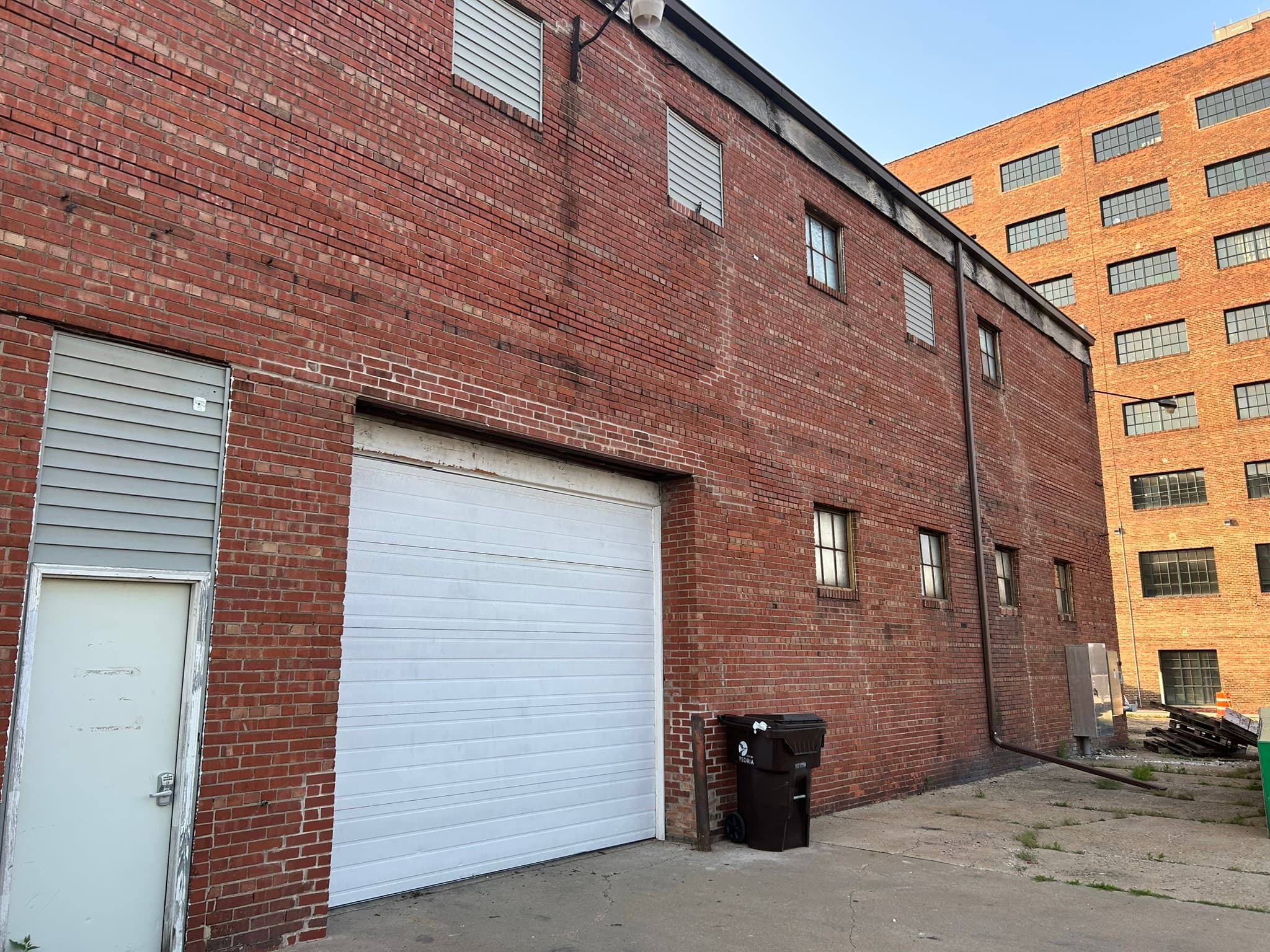
Lockport sits at the intersection of Will County's industrial growth and its historic preservation obligations. The Illinois & Michigan Canal National Heritage Corridor runs through the city, and downtown Lockport includes 19th and early 20th-century commercial masonry that requires a different hand than the modern CMU block warehousing and light industrial facilities along the Route 7 and 9th Street corridors.
Emerald Masonry LLC handles commercial masonry work across both contexts — historic tuckpointing and restoration on older downtown properties, and structural CMU repair, facade work, and industrial masonry maintenance on modern commercial facilities throughout Lockport and Will County.
Commercial Masonry Services in Lockport
Tuckpointing and Repointing
Commercial tuckpointing on Lockport's older downtown buildings is a recurring maintenance item for property owners who understand that mortar joint failure leads to water infiltration, and water infiltration leads to a much larger scope. The downtown corridor includes commercial brick buildings that are 80–120 years old, requiring mortar mixes that are compatible with soft historic brick — not the high-strength Portland cement mixes used in modern construction.
On newer commercial buildings in Lockport's industrial areas, tuckpointing uses standard Type S or M mortar appropriate for the higher-exposure masonry on warehouse and light industrial facades.
CMU Block Repair
Concrete masonry unit (CMU) block construction dominates Lockport's industrial and commercial warehouse sector. CMU block deterioration shows up differently than brick deterioration: efflorescence through the block face is common, cracked or displaced units at loading dock areas or forklift zones are typical, and joint failure accelerates when CMU walls aren't properly sealed.
We repair cracked and spalled CMU units, replace damaged blocks, repoint CMU joints, and apply appropriate sealers to reduce future water infiltration in industrial environments. For property managers handling large industrial facilities, we can prioritize repairs by severity and develop a maintenance plan across multiple buildings.
Parapet and Facade Restoration
Commercial buildings in Lockport's industrial parks tend to have flat-roof construction with exposed parapet walls. Parapet maintenance — coping replacement, repointing, flashing coordination — is the single most common source of deferred maintenance we see on buildings in this age range. A parapet inspection and repair program is far less expensive than addressing the water damage that accumulates when parapet maintenance is skipped.
For Lockport's downtown commercial facades, restoration work includes matching historic brick, repairing or replacing deteriorated terra cotta elements where present, and addressing window lintel failure that's common in early 20th-century construction.
Lintel Replacement
Stair-step cracking above window and door openings is one of the most common structural masonry issues on Lockport's older commercial buildings. Steel lintels corrode, expand, and crack the surrounding brick — a pattern that requires cutting out the lintel, installing a new properly-sized steel angle, and relaying the brick above. We handle lintel replacement on both historic downtown buildings and modern commercial construction.
Working on Lockport's Historic Properties
The Illinois & Michigan Canal Heritage Corridor designation and Lockport's local historic district status mean some commercial properties have review requirements for exterior work. We're familiar with the considerations that apply to historic masonry repair in this context:
Mortar compatibility is the non-negotiable. Using Type S or M mortar on 19th or early 20th-century brick will cause spalling within a few years. Historic repair requires lime-based mortars or specially formulated low-strength mixes that match the flexibility and hardness of the original materials.
Material matching for brick replacement needs to go beyond visual color match. Historic brick units are typically smaller than modern standard brick and have different texture profiles. For Lockport's downtown buildings, we source period-appropriate brick from salvage suppliers when standard stock doesn't match.
Documentation of existing conditions before any repair work is good practice on historic properties — both for your own records and for any applicable review requirements.
For Property Managers and Building Owners
Commercial masonry maintenance in Lockport doesn't need to be reactive. We work with property managers to establish regular inspection and maintenance programs that catch joint failure and minor deterioration before it compounds into structural damage.
For multi-property portfolios — common in Lockport's industrial parks where single ownership covers multiple warehouse buildings — we can prioritize repairs by urgency, develop multi-year maintenance budgets, and manage work sequencing to minimize operational disruption.
We provide written scopes, before/after documentation, and completion reports for all commercial projects.
Frequently Asked Questions
Do you work on both historic downtown properties and modern industrial facilities in Lockport? Yes. We handle both contexts regularly. Historic work requires different mortar specifications, more careful material sourcing, and attention to compatibility with original construction. Industrial CMU work requires different products and techniques. We assess each property on its own terms rather than applying a single approach to all masonry.
How do I know if my Lockport commercial building's masonry needs attention? Common indicators: white staining on exterior walls (efflorescence), visible gaps or recession in mortar joints, stair-step cracking above openings, rust staining near window frames (lintel corrosion), brick faces that are chipping or popping, and interior water staining near exterior walls. Any of these warrant a professional assessment. We provide free on-site evaluations with written findings.
Can you work around an occupied industrial facility? Yes. We schedule noisy work (saw cutting, demolition) during agreed hours, protect HVAC intakes and equipment from dust, and can sequence work by building section to keep operations running. We've worked alongside active manufacturing and distribution facilities throughout Will County.
What's your minimum project size? Our $5,000 minimum applies to all commercial masonry work. Most commercial masonry repair projects in Lockport fall well above that threshold. We provide free written estimates.
Contact Emerald Masonry LLC for Lockport Commercial Work
Based in Palos Heights, we serve all of Will County including Lockport, Joliet, Plainfield, New Lenox, Frankfort, and Romeoville. For commercial masonry assessments and estimates, call (309) 323-9959 or reach us online.
Also see: Commercial Masonry | Masonry Restoration | Tuckpointing
Ready to get started?
Free on-site estimates for commercial and large-scale projects.