
Lintel Replacement · Bolingbrook, IL
Lintel Replacement in Bolingbrook, IL — Commercial Masonry Opening Repair
Stair-step cracking above windows and doors on a commercial building isn't random — it almost always traces back to a failing lintel. In Bolingbrook's commercial corridors, lintel failure is among the most common masonry structural issues we see on buildings from the 1980s and 1990s.
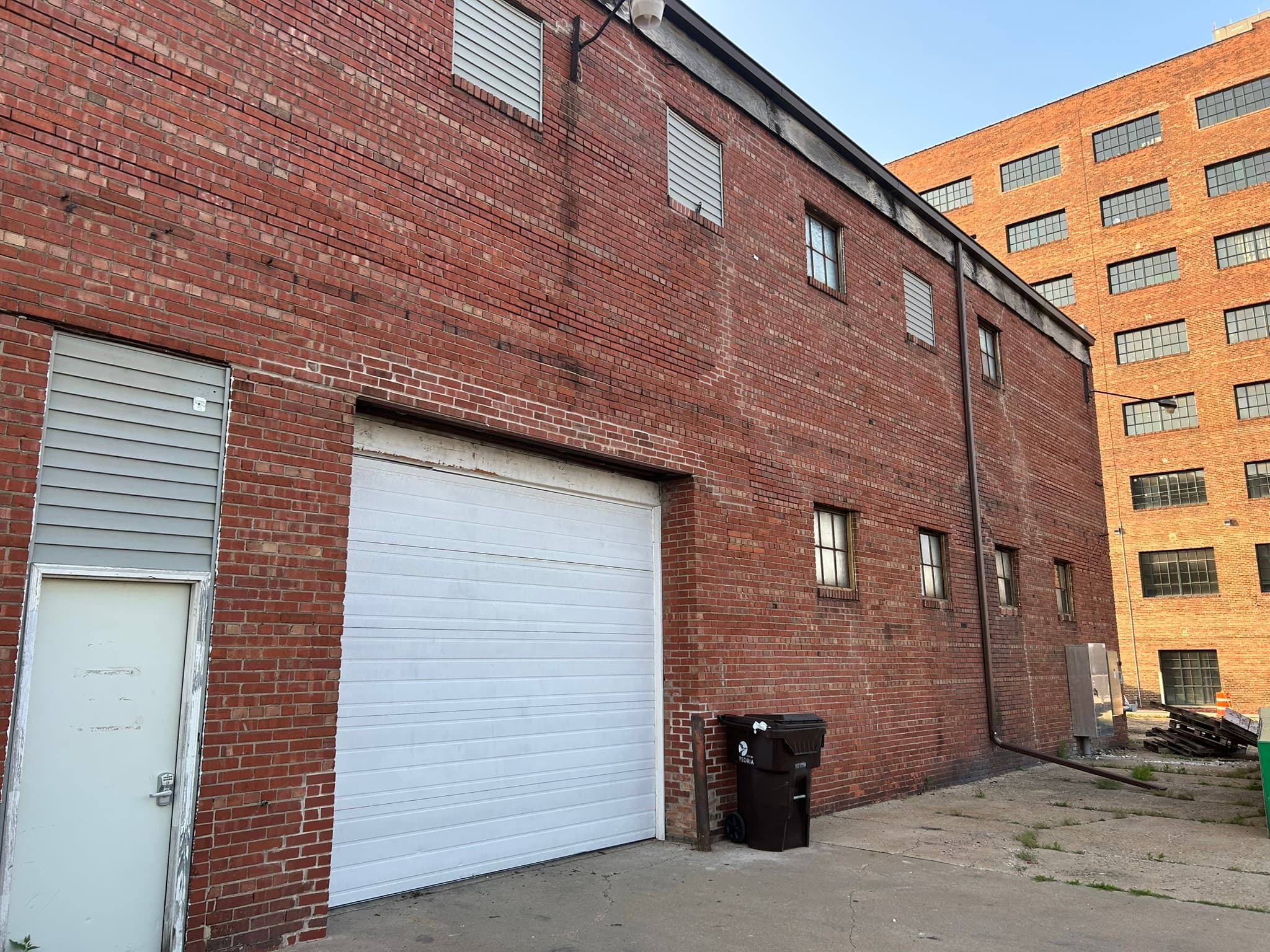
If you're looking at a commercial building and you see diagonal cracks running up from the corners of windows or doors — what's called stair-step cracking — the lintel above that opening is likely failing. This isn't cosmetic damage. Lintels carry the load of the masonry above every opening in a brick wall. When they fail, the wall above the opening loses structural support.
Emerald Masonry LLC handles lintel replacement and associated masonry repair for commercial properties throughout Bolingbrook and the surrounding Will and DuPage County area. We've been doing this work across the southwest suburbs for over 40 years.
Why Lintels Fail
Most commercial masonry buildings in Bolingbrook use steel angle lintels — a steel bar or angle iron spanning the width of windows and doors, carrying the brick courses above. Steel and masonry have similar thermal expansion rates, which is why the combination works. The problem is rust.
When moisture reaches the steel lintel — through open mortar joints, failed caulk, or direct water entry at the parapet — the steel begins to corrode. Rust expands. A steel lintel that has corroded even slightly can expand enough to crack and displace the brick above the opening. This is why you see stair-step cracking running diagonally from the upper corners of windows toward the nearest bed joint.
Left unaddressed, lintel failure follows a predictable path: cracking expands, brick loosens, water enters more aggressively, and the situation moves from a repair to a structural problem requiring more extensive intervention.
Buildings at Risk in Bolingbrook
Bolingbrook grew rapidly from the late 1960s through the 1990s. Its commercial strips — along Route 53, Weber Road, Boughton Road, and the industrial areas near I-55 — include a large stock of brick commercial buildings now 30–50 years old. That age range places many of them squarely in the window where first-generation steel lintels are showing corrosion.
Buildings with south and west exposures are at higher risk from wind-driven rain. Corner locations with more surface area exposed to the elements tend to show lintel failure earlier than interior-facing elevations.
What Lintel Replacement Involves
This isn't a patch job. Replacing a failing lintel requires removing the brick above the opening, extracting the old lintel, installing a new one, and relaying the brick. Here's what the process looks like:
Temporary shoring. Before removing any brick above the opening, we install temporary support to carry the masonry load safely during the repair. Skipping this step is what separates professionals from people who cause problems.
Brick removal. The courses above the opening are carefully removed — typically 3 to 5 courses depending on the lintel size and the extent of damage. We save undamaged brick for reuse where possible.
Lintel extraction and sizing. The old lintel is cut free and removed. We install a new galvanized or stainless steel angle lintel sized for the opening span and the load above. New lintels are hot-dip galvanized or shop-primed and field-painted with rust-inhibiting primer before installation.
Relaying brick. The courses are rebuilt to match the existing bond pattern and coursing. Where crack damage has affected brick beyond the lintel zone, we extend the repair as needed.
Repointing. Once the new brick courses are set and cured, we repoint the repair area and any adjacent joints that were disturbed.
Caulk at the lintel ends. The ends of the lintel where it seats into the wall need to be properly sealed to prevent future water entry at that transition.
Multiple Openings
On commercial buildings with multiple failed lintels — often the case on buildings that have been deferred for several maintenance cycles — we can sequence the work to address multiple openings efficiently. We'll assess all openings on the building as part of the initial estimate so you have a complete picture of the scope.
Signs Your Building Needs a Lintel Assessment
You don't need to be a masonry contractor to spot lintel trouble. Look for:
- Diagonal stair-step cracking running up from window or door corners
- Horizontal cracking just above an opening
- Brick bulging or leaning outward above a window or door
- Rust staining running down the wall from the bottom of an opening
- Brick that looks displaced or has dropped slightly at the corners of openings
If you're seeing any of these on your Bolingbrook commercial property, get an assessment before the cracks widen further. What's currently a lintel replacement can become a wall section rebuilding project if the damage progresses to where brick loses its structural connection.
Commercial Property Manager Considerations
For property managers, lintel failure presents two concerns: structural safety and water infiltration. Both need to be addressed before a building is re-leased or refinanced. Property condition assessments for commercial real estate transactions routinely flag lintel issues, and having a written repair scope and completed work documentation significantly smooths the process.
We provide:
- Written assessment with photos of each failing lintel
- Itemized repair scope by opening
- Completed work documentation with before/after photography
- Can coordinate with structural engineers if the scope of damage warrants a formal assessment
Frequently Asked Questions
How do I know if the cracking on my building is a lintel problem or something else? Stair-step cracking that runs diagonally from the corners of an opening is the classic lintel failure pattern. Horizontal cracking just above an opening is another. Structural settlement typically produces different crack patterns — long diagonal runs, separation at building corners — rather than cracks localized to openings. Our site assessment will distinguish between these and tell you what's actually driving the damage.
Can you just patch the cracked brick instead of replacing the lintel? Patching brick over a failing lintel doesn't fix the problem — the lintel will continue to expand, the brick will re-crack, and you'll have spent money twice. The lintel has to come out.
How much does lintel replacement cost in Bolingbrook? A single lintel replacement including brick removal, new lintel, and brick relay typically runs $2,500–$5,500 per opening depending on the span and the number of courses affected. Buildings with multiple failing lintels can often be addressed more efficiently when the work is scoped together. Our $5,000 project minimum applies. We provide free written estimates.
Do you pull permits for lintel replacement? Structural masonry repair in Bolingbrook typically requires a building permit. We handle permitting on your behalf and include that cost in the project estimate.
Schedule a Lintel Assessment in Bolingbrook
If your Bolingbrook commercial building is showing stair-step cracks, rust staining, or displaced brick above openings, don't wait for the next winter to accelerate the damage.
Call Emerald Masonry LLC at (309) 323-9959 or request a free estimate online.
Also see: Brick Repair & Replacement | Masonry Restoration | Commercial Masonry
Ready to get started?
Free on-site estimates for commercial and large-scale projects.