
Tuckpointing & Repointing · Orland Park, IL
Tuckpointing in Orland Park, IL — Commercial & Residential Mortar Joint Restoration
Deteriorated mortar joints are the leading cause of water intrusion in brick buildings across Orland Park. Emerald Masonry LLC provides professional tuckpointing and repointing for commercial properties, HOAs, and churches throughout the southwest suburbs.
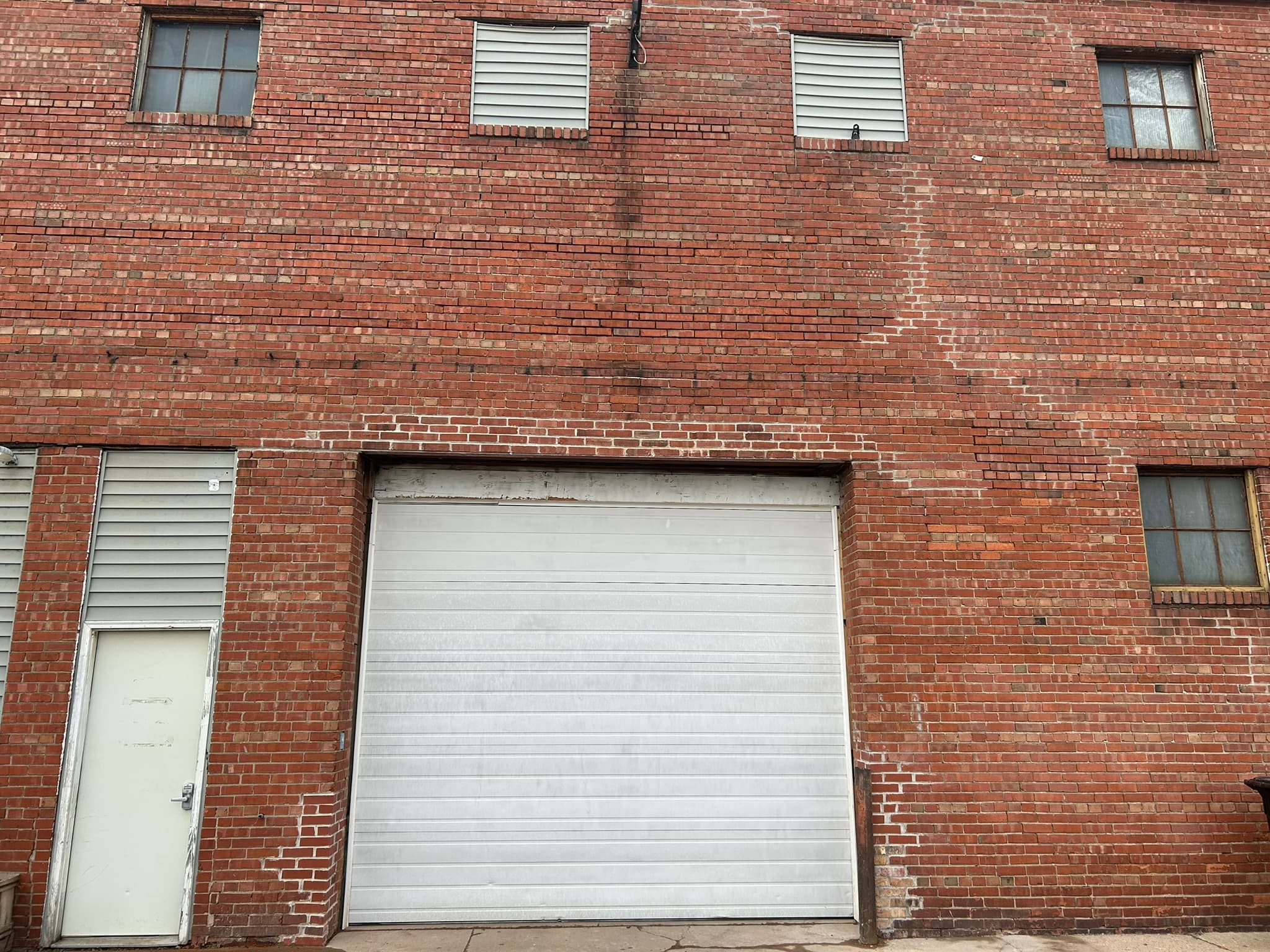
Why Orland Park Buildings Need Tuckpointing
Orland Park sits squarely in the Chicago freeze-thaw zone. Every winter, water works into mortar joints, freezes, expands, and forces those joints open a little further. By the time a property manager or building owner notices a problem, the damage has usually been building for years.
Brick is designed to outlast the building it's on. Mortar isn't. Mortar joints are the intentional weak point in a masonry wall — they're meant to absorb movement, shed water, and eventually be replaced. The problem is that most buildings get patched instead of properly tuckpointed, and patches over deteriorated mortar don't hold through even one Chicago winter.
Emerald Masonry LLC handles tuckpointing and repointing for commercial properties, HOAs, churches, and large-scale residential buildings throughout Orland Park and the southwest suburbs.
What Tuckpointing Actually Means
Tuckpointing — sometimes called repointing — is the process of removing deteriorated mortar from masonry joints and replacing it with fresh mortar that's properly mixed, matched, and tooled to seal the wall.
What it is not: surface patching, caulking over open joints, or applying a masonry coating over failing mortar. These shortcuts fail quickly. They hide the problem long enough for water to get further into the wall, and the repair that follows is always more expensive than the tuckpointing would have been.
The correct process:
- Grinding and cutting — All failing mortar is removed to a consistent depth, typically ¾" to 1", using angle grinders and oscillating tools. Nothing is left in place if it's soft, recessed, or cracked.
- Mortar matching — New mortar is mixed to match the original in color and composition. On older buildings, we assess whether the existing mortar is lime-based or Portland-based and match accordingly. Putting hard Portland mortar over soft historic brick transfers stress into the brick face rather than the joint — that causes spalling.
- Packing and tooling — New mortar is packed into the joint in lifts and tooled to match the surrounding profile. Tooling compresses the mortar surface and ensures the joint sheds water properly.
Warning Signs in Your Orland Park Property
If your building shows any of these, it's time to have the masonry assessed:
Recessed or missing mortar joints. Run your finger across the mortar line — if you can feel more than a ¼" recess from the brick face, the joint is no longer sealing the wall. Water pools in that recess and drives inward.
White or gray powder on brick faces (efflorescence). This is dissolved mineral salt being carried to the surface by water moving through the wall. The stain is cosmetic. The water path behind it is the problem.
Interior moisture near exterior masonry. Damp interior walls, stained plaster, or peeling paint near exterior brick walls often trace directly to failed mortar joints on the outside.
Previous patch repairs failing. If you can see old patches disbonding, cracking, or discoloring — the joint below the patch was never properly addressed. The wall needs to be done correctly this time.
Visible cracking at joints. Hairline cracks along mortar lines, especially diagonal cracks near corners or above window openings, indicate movement. The sooner those cracks are addressed, the less likely they are to widen and admit structural water.
What Buildings in Orland Park Are Most at Risk
Orland Park has a significant inventory of commercial and institutional masonry built between the 1960s and 1990s — buildings now hitting the point where mortar joints have reached end of service life.
HOA common areas and commercial frontage — Decorative brick entrances, perimeter walls, and multi-family building exteriors accumulate deferred maintenance quickly when no single party has clear ownership of the repair decision.
Churches and institutional buildings — Large footprints, complex rooflines, and parapet walls that are fully exposed to weather. These buildings often show deterioration across multiple elevations simultaneously.
Retail strip centers and office buildings — Commercial buildings with significant window and door openings are at elevated risk for lintel-area mortar failure. The joints above every opening see the highest load concentration in the wall.
Older residential with brick exteriors — Homes and multi-family buildings built before 1980 in Orland Park are at or past the point where original mortar joints need replacement.
How We Work With Property Managers and HOAs
For property managers and HOA boards, the tuckpointing process starts with an honest assessment — not a sales call.
We walk the property, document conditions on all elevations, and give you a written scope that prioritizes what needs immediate attention versus what can be deferred. For larger buildings or multi-phase projects, we help you build a phased plan that works within your budget cycle.
We don't oversell scope. If two elevations need work and two can wait, that's exactly what we tell you. Repeat business with property managers depends on trust, not volume.
Once work begins, we coordinate access, staging, and sequencing around your tenants, residents, or congregation schedule. Commercial masonry on occupied buildings requires a project plan — not just a crew showing up.
Cost and Timeline
Tuckpointing costs vary significantly based on building size, elevation height, accessibility, and the extent of deterioration. A single-story commercial building with one elevation needing repointing is a fundamentally different scope than a four-story multi-family building with deterioration on all sides.
We provide fixed-price written estimates before any work begins. No time-and-material billing. No scope creep.
Timeline depends on square footage and complexity, but most commercial tuckpointing projects in Orland Park run one to five days for single-building scopes. Multi-building or multi-phase projects are scheduled and sequenced during the estimating process.
Frequently Asked Questions
How long does tuckpointing last? Quality tuckpointing with properly mixed mortar and complete joint removal lasts 20–30 years. Patching over soft joints lasts 1–3 years.
Can tuckpointing be done in winter? Fresh mortar needs to stay above 40°F for 48 hours to cure properly. We schedule most tuckpointing between April and November. Winter work is possible with cold-weather protection, but it adds cost and complexity.
Do you match mortar color? Yes. Mortar color matching is part of every tuckpointing job. On historic or older properties, we also assess original mortar hardness and composition to ensure the new mortar doesn't damage the brick.
What's the minimum project size? Our minimum project size is $5,000. Most commercial tuckpointing scopes are larger. We don't take small patch jobs.
Service Area
Emerald Masonry LLC is based in Palos Heights and serves the entire southwest and south suburbs — Orland Park, Tinley Park, Oak Lawn, Homer Glen, Frankfort, New Lenox, Mokena, Matteson, Olympia Fields, and surrounding communities.
Ready to get started?
Free on-site estimates for commercial and large-scale projects.