
Tuckpointing & Repointing · Plainfield, IL
Tuckpointing in Plainfield, IL — Mortar Joint Repair for Newer and Established Masonry
Plainfield's rapid growth over the past two decades means most of its brick construction is 15–25 years old — exactly the age when mortar joint failure becomes visible and active water infiltration begins. Getting ahead of it now is far less expensive than addressing the damage it causes.
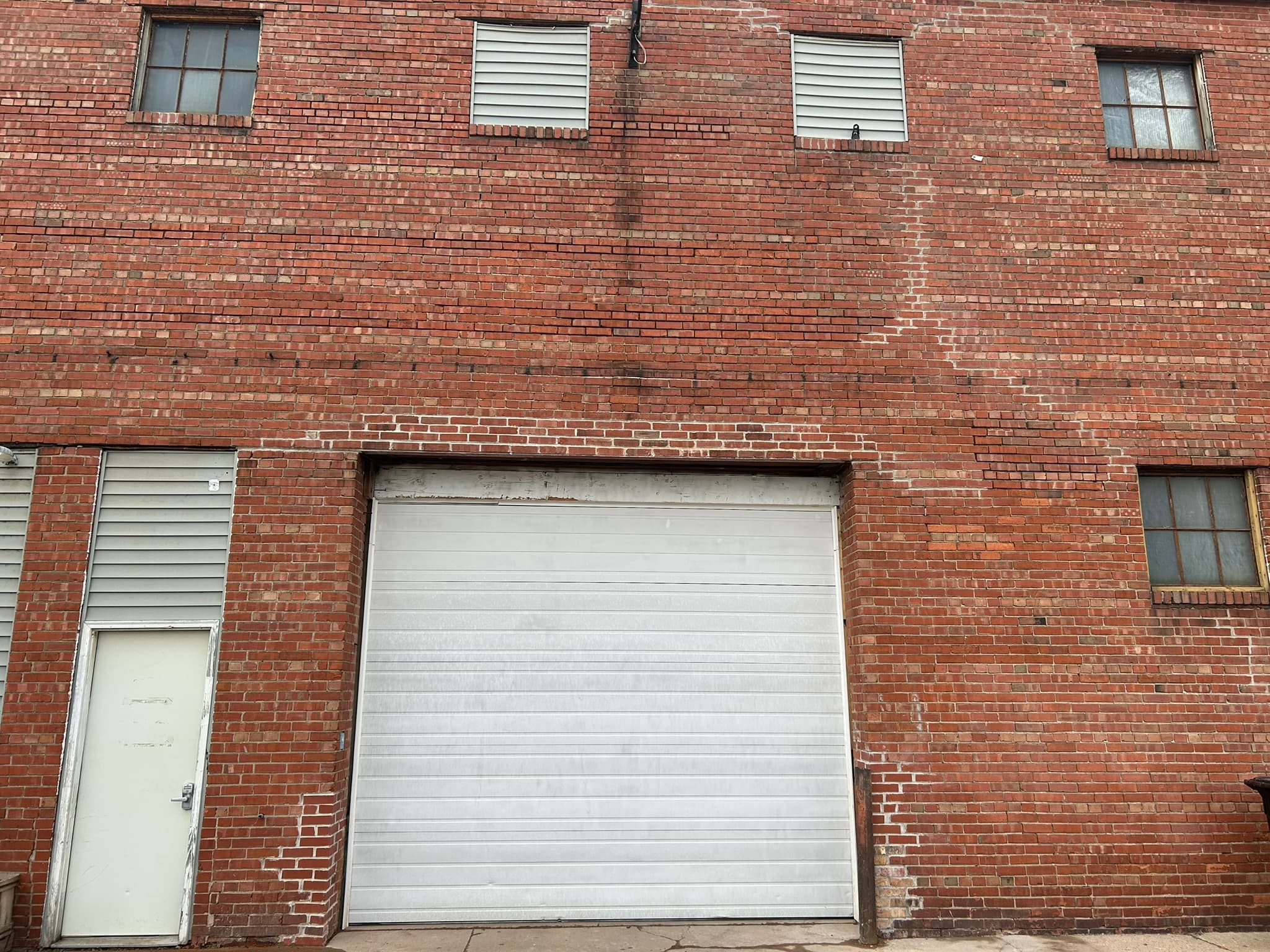
Plainfield is one of the fastest-growing communities in Will County, which means most of its residential and commercial brick construction was built within the last 20–25 years. That's an important number for masonry maintenance: Portland cement mortar used in construction from the 1990s through 2010s has a typical lifespan of 20–30 years in Chicagoland conditions, and the first signs of joint failure usually appear right around the 15–20 year mark.
For property owners and managers in Plainfield, now is the window to address mortar joint deterioration before it becomes water infiltration — and water infiltration before it becomes brick damage.
Emerald Masonry LLC is a licensed, bonded tuckpointing contractor based in Palos Heights. We serve Plainfield and the surrounding Will County area with commercial and residential tuckpointing, including full repointing programs for property managers handling multiple buildings.
Understanding Mortar Joint Failure in Newer Construction
There's a common misconception that newer brick buildings don't need masonry maintenance. They do — just on a different timeline than 1940s or 1950s construction. In fact, some newer masonry has a particular vulnerability: mortar that's stronger than the brick.
Portland cement-heavy mortars, which became common in commercial construction from the 1980s onward, are harder and less flexible than older lime-based mixes. When seasonal thermal movement occurs — brick expanding in summer heat, contracting in winter cold — the movement has to go somewhere. In well-specified masonry, it goes into the mortar joints, which are designed to flex. In over-stiff mortar, the movement cracks the brick face instead.
This is why you sometimes see vertical cracks in Plainfield's newer commercial brick construction that don't follow mortar joint lines. The mortar was stronger than the brick, and the brick gave way first.
Proper repair uses mortar matched to the existing masonry — not simply defaulting to the stiffest mix available.
What We Do on a Tuckpointing Job
Assessment first. Before pricing any tuckpointing job in Plainfield, we walk the full property. We look at joint depth and condition on all elevations (not just the street-facing wall), check for related problems — cracked lintels, failed caulk at window perimeters, parapet cap issues — and note any areas where mortar has failed beyond the joints and brick repair will also be needed.
Cutting out the old mortar. We remove deteriorated mortar to a minimum ¾-inch depth using angle grinders with appropriate diamond wheels or oscillating multi-tools for tighter joints. Shallow cuts — ¼ inch or less — don't give new mortar enough surface area to bond, and the repair fails early. This step takes more time than the packing itself, and it's where shortcuts show up later.
Mortar matching. We mix our own mortar to match the existing joint in type and color. For Plainfield's newer commercial construction, we typically use Type S mortar, which is appropriate for above-grade exterior exposure in a climate with significant freeze-thaw cycling. For any older residential construction in Plainfield's established neighborhoods, we assess the brick first to confirm mortar compatibility before mixing.
Packing and tooling. New mortar is packed into prepared joints in lifts, tooled to match the original joint profile (typically a concave or weathered joint on residential work, flush or struck on commercial), and allowed to cure with appropriate wet-curing in warm weather.
Commercial Tuckpointing in Plainfield
Plainfield's Route 59 corridor, the downtown business district, and the light industrial areas near I-55 include commercial masonry that's entering its first major maintenance cycle. Strip centers, office buildings, and industrial facilities built in the 2000s are showing the standard signs: hairline joint cracks on south and west elevations, early efflorescence, and beginning-of-cycle joint recession.
For property managers, catching this in the maintenance phase rather than the repair phase is significant. Repointing joints before water infiltration has occurred is straightforward work. Repointing after water infiltration has compromised brick and mortar means a larger scope and higher cost.
We work with property managers on multi-building portfolios, can phase work across budget cycles, and provide full documentation — written scope, before/after photography, completed work reports — for ownership and insurance records.
What to Ask a Tuckpointing Contractor
In a market like Plainfield with a lot of general contractors offering masonry work alongside their primary trade, it pays to ask a few questions before hiring:
- What mortar type are you specifying, and why for this building?
- How deep are you cutting out existing mortar?
- Do you mix your own mortar or use pre-mixed bags?
- Can you provide a written scope with defined inclusions and exclusions?
- Can you provide certificates of liability and workers' compensation insurance?
Pre-mixed mortar from bags is acceptable for small patches but produces inconsistent color matching on larger jobs. A contractor who can't explain their mortar type selection hasn't assessed your building.
Frequently Asked Questions
How often does tuckpointing need to be done in Plainfield? Quality tuckpointing lasts 20–30 years in Chicagoland conditions when done with proper joint preparation and mortar matching. On newer Plainfield construction (post-1990), the first repointing cycle is typically due between 15–25 years of age. Buildings on exposed sites — corner lots, west-facing walls — may need attention on the shorter end of that range.
Does tuckpointing fix efflorescence (white staining)? Tuckpointing addresses one of the main sources of efflorescence — open mortar joints that allow water to move through the wall. Once joints are repointed and mortar has cured, efflorescence typically stops recurring. Existing staining can be cleaned chemically after the repair work is complete. See our waterproofing services for buildings with persistent moisture infiltration history.
What's the difference between tuckpointing and repointing? In the trades, "repointing" means removing old mortar and replacing it — which is the actual work being done. "Tuckpointing" technically refers to a specific finish technique (a thin line of contrasting mortar over a base coat) but is commonly used as a synonym for repointing in the Chicago market. We use both terms interchangeably to mean the same thing: proper mortar removal and replacement.
How much does tuckpointing cost in Plainfield, IL? Commercial tuckpointing runs $8–$20 per linear foot of joint depending on joint size, mortar condition, and access requirements. A full exterior repoint on a typical Plainfield commercial building (3,000–6,000 sq ft) runs $12,000–$35,000. Residential work — chimneys, foundations, home exteriors — is typically smaller in scope. Our $5,000 project minimum applies to all projects. Free written estimates with no obligation.
Get a Free Tuckpointing Estimate in Plainfield
Call Emerald Masonry LLC at (309) 323-9959 or request an estimate online. We'll walk your property, identify the full scope, and give you a written quote.
Also see: Tuckpointing services | Efflorescence & Waterproofing | Masonry Restoration
Ready to get started?
Free on-site estimates for commercial and large-scale projects.