
Tuckpointing & Repointing · Chicagoland, IL
Masonry Maintenance for Multi-Family Buildings — What Two-Flats, Six-Flats, and Condo Associations Need to Know
Multi-family brick buildings in Chicagoland face a specific masonry maintenance challenge: the cost is shared, the decision-making is distributed, and the consequences of deferred maintenance fall on residents rather than an absent owner. Whether you're managing a two-flat, a 12-unit six-flat, or a larger condo association, the maintenance framework for the building's masonry needs to account for ownership structure, budget constraints, and the reality that brick buildings in Cook, DuPage, and Will Counties are now aging into their maintenance windows simultaneously.
2026-04-26
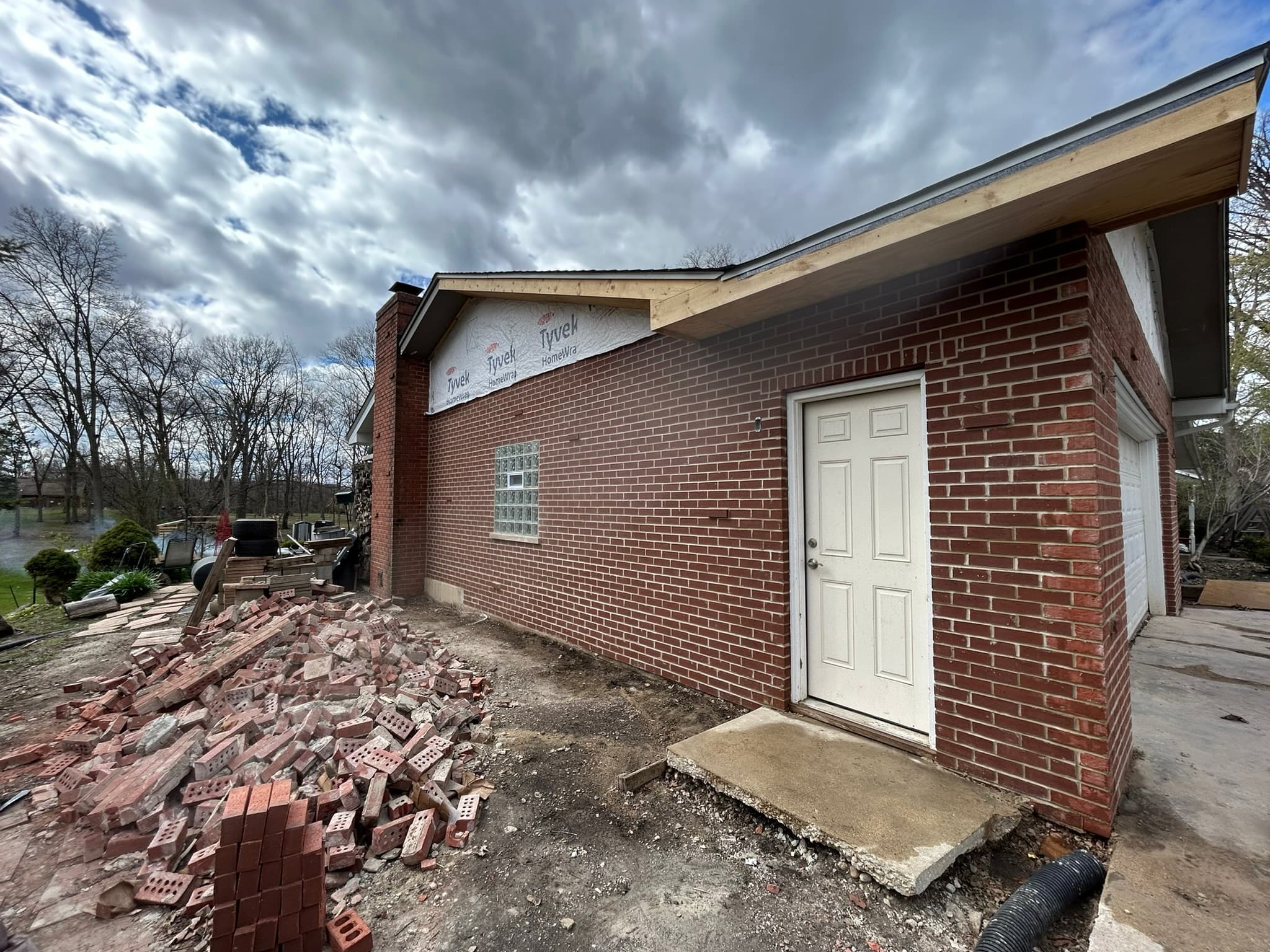
The two-flat is Chicago's native building type. Cook County alone has hundreds of thousands of them — two-story, full-brick structures built between 1900 and 1950, owner-occupied at the first floor with a tenant above, financed and maintained through the rental income. They're the backbone of the city's residential fabric and much of the inner-ring suburbs.
They're also, almost without exception, at or past their first major tuckpointing cycle.
The Multi-Family Masonry Problem
The masonry maintenance challenge in multi-family buildings has several dimensions that don't apply to single-family ownership:
Divided ownership and shared responsibility. In a two-flat, the owner is also the landlord and typically responsible for the exterior. But what about a three-flat where one owner has the garden unit and two siblings inherited the building together? Or a converted six-flat now operating as a six-unit condo association where each unit owner holds an equal share of common element responsibility? Decision-making is distributed. Getting agreement on a $30,000 tuckpointing project requires alignment from multiple stakeholders, not just one.
Deferred maintenance cycles. Multi-family buildings often defer maintenance when owners are juggling mortgage payments, rental income that doesn't reliably cover expenses, and capital needs for mechanical systems that feel more immediate than brick repointing. The result is that tuckpointing gets pushed year after year until the deferral itself has a cost — water infiltration into units, structural issues that force the work to happen at twice the cost of earlier maintenance.
Tenant relationships. Water infiltration through a failing brick wall isn't just a building maintenance issue in a rental property — it's a habitability issue. Tenants in buildings with visible water staining, musty walls, or visible efflorescence have grounds for complaint and, in Illinois, potential remedies under the Landlord Tenant Act. This creates legal urgency for maintenance that building owners sometimes don't recognize as time-sensitive.
Two-Flat and Six-Flat Maintenance Priorities
The North and West Elevation Rule
In Chicagoland, north and west-facing elevations on multi-family buildings deteriorate faster than south and east faces. Prevailing storm tracks bring the most precipitation contact to west and north-facing walls, and north walls have less opportunity to dry between wetting events (less sunlight). For a two-flat owner deciding where to start maintenance work, north and west elevations are always the first priority.
Ground-Floor and Basement Entry Points
Multi-family buildings often have at-grade or below-grade unit entries — basement apartments, ground-level unit doors, garden-level windows. These entry zones are the most vulnerable for moisture infiltration through the lower masonry courses. Ground-level splash-back from rain on hard surfaces, capillary moisture from grade, and the concentration of foot traffic and weathering all make the lower 3-4 courses of a multi-family building more vulnerable than the upper stories.
Efflorescence in the lower courses — white mineral deposits from water moving through the masonry — is one of the most consistent maintenance indicators on Chicago two-flats. It tells you water is moving through the wall, usually from either ground moisture or from eroded mortar joints just above grade.
Parapet and Roof Junctions
Six-flats and larger multi-family buildings typically have flat roofs with parapet walls — the most exposed masonry element on the building. Parapet coping joint failures are a primary water entry pathway in this building type. When coping joints open, water enters the top of the parapet wall and migrates down through the building, often appearing as water staining at the top floor ceiling before traveling to lower floors.
For multi-family building maintenance, parapet inspection should happen annually and parapet repointing should be budgeted at a shorter interval than wall masonry — typically 15-20 years versus 25-35 years for wall masonry.
Party Walls
Two-flats and six-flats share party walls with neighboring buildings. Party walls are shared structures — maintenance responsibility can be ambiguous, and water infiltration through a party wall can affect both buildings. Issues at party walls are worth monitoring and, when active water infiltration is present, worth discussing with the neighboring property owner.
Condo Association Masonry Governance
For buildings structured as condominium associations — common in converted older multi-unit buildings — masonry maintenance becomes a governance issue as much as a maintenance issue.
Reserve fund adequacy. Under Illinois condominium law, associations must maintain reserve funds for major capital repairs. The masonry envelope is typically the largest single capital item in a brick condo building. A reserve fund study that doesn't account for tuckpointing, brick repair, and parapet maintenance is not adequately planning for the building's actual capital needs.
Special assessment risk. When maintenance has been deferred and the reserve is inadequate, the association faces a special assessment — a lump-sum charge to unit owners for an immediate capital need. A $100,000 tuckpointing project on a 10-unit building is a $10,000 special assessment per unit. This is entirely preventable with adequate reserve planning and regular maintenance.
Contractor authorization process. Most association bylaws require board approval for capital expenditures above a threshold, with membership vote for expenditures above a larger threshold. Understanding the authorization process before getting bids helps manage the timeline for getting work approved and scheduled.
Getting multiple bids the right way. Multi-family buildings need to ensure bids are comparing the same scope. For associations, we recommend writing a brief project specification — which elevations, what mortar removal depth, what access method — and distributing it to all bidders so the comparison is meaningful. The process for evaluating masonry bids applies here directly.
What a Multi-Family Masonry Assessment Should Cover
For two-flats and small multi-unit buildings, a systematic visual inspection by the owner annually supplements professional assessment every 3-5 years. Look at:
- Mortar joint condition on north and west elevations at accessible height
- Lower course efflorescence or staining
- Parapet condition (where accessible — many two-flats require a ladder to see the parapet)
- Window head conditions for lintel cracking
- Chimney condition from ground and, when possible, roof level
For larger condo associations, a professional building envelope assessment every 5-7 years provides the documentation basis for capital planning and reserve fund updates.
Timing and Phasing for Multi-Family Buildings
For a two-flat owner working with a limited capital budget:
Year 1: North and west elevation tuckpointing + chimney inspection and any chimney work needed.
Year 2-3: East and south elevation tuckpointing, if required.
Year 3-5: Any brick replacement needs identified in Year 1 assessment.
This approach addresses the highest-priority water entry pathways first and spreads cost across multiple budget cycles.
For condo associations, building the masonry cycle into the reserve fund at regular intervals — allocating for tuckpointing approximately every 25-30 years, with parapet work at 15-20 years — prevents the special assessment scenario and keeps the building in continuous maintenance rather than reactive repair mode.
Illinois-Specific Context: Pre-War Two-Flat Masonry
The two-flats and six-flats built across Chicago and its inner suburbs from 1900 to 1945 have specific masonry characteristics:
Soft historic brick with lime mortar. The same mortar compatibility considerations that apply to any pre-1930 brick apply here. Previous repointing with hard Portland cement mortar may have caused spalling adjacent to those joints — look for spalling patterns concentrated around specific mortar areas rather than randomly distributed.
Brick-to-grade construction. Original construction often didn't include a capillary break between the foundation and the above-grade masonry. Ground moisture wicks up through the masonry, and lower course deterioration reflects both freeze-thaw cycling and sustained capillary exposure.
Party wall considerations. Historic Chicago brick construction often has party walls with minimal or no flashing. Moisture from adjoining properties can enter through shared masonry, particularly in buildings where neighbors have different maintenance histories.
Emerald Masonry LLC works with two-flat owners, multi-unit landlords, and condominium associations throughout Chicagoland. We provide detailed written scopes, phase work to match budget cycles, and explain options clearly so boards and owners can make informed decisions. Licensed, bonded, and insured with 40+ years of experience.
Call (708) 288-1696 or contact us online for a free on-site assessment.
See also: Tuckpointing | Masonry Restoration | Waterproofing