
Foundation Masonry Repair · Chicagoland, IL
Stone Foundation Repair: Caring for Chicago's Greystone and Rubble-Stone Foundations
Many of Chicago's pre-1930 greystones, two-flats, and bungalows sit on limestone and rubble-stone foundations laid in soft lime mortar that crumbles with age. Here's how those foundations were built, why the mortar fails, and the right way to repair them without trapping moisture.
2026-06-29
Quick Answer
Old Chicago stone, greystone, and rubble-stone foundations deteriorate when their soft lime mortar washes out from water intrusion, freeze-thaw cycles, and lost parging, leaving sandy, crumbling joints. Emerald Masonry LLC rakes out failed joints and repoints these foundations with compatible mortar — never hard Portland patches — across Chicagoland. Free estimates: (708) 288-1696.
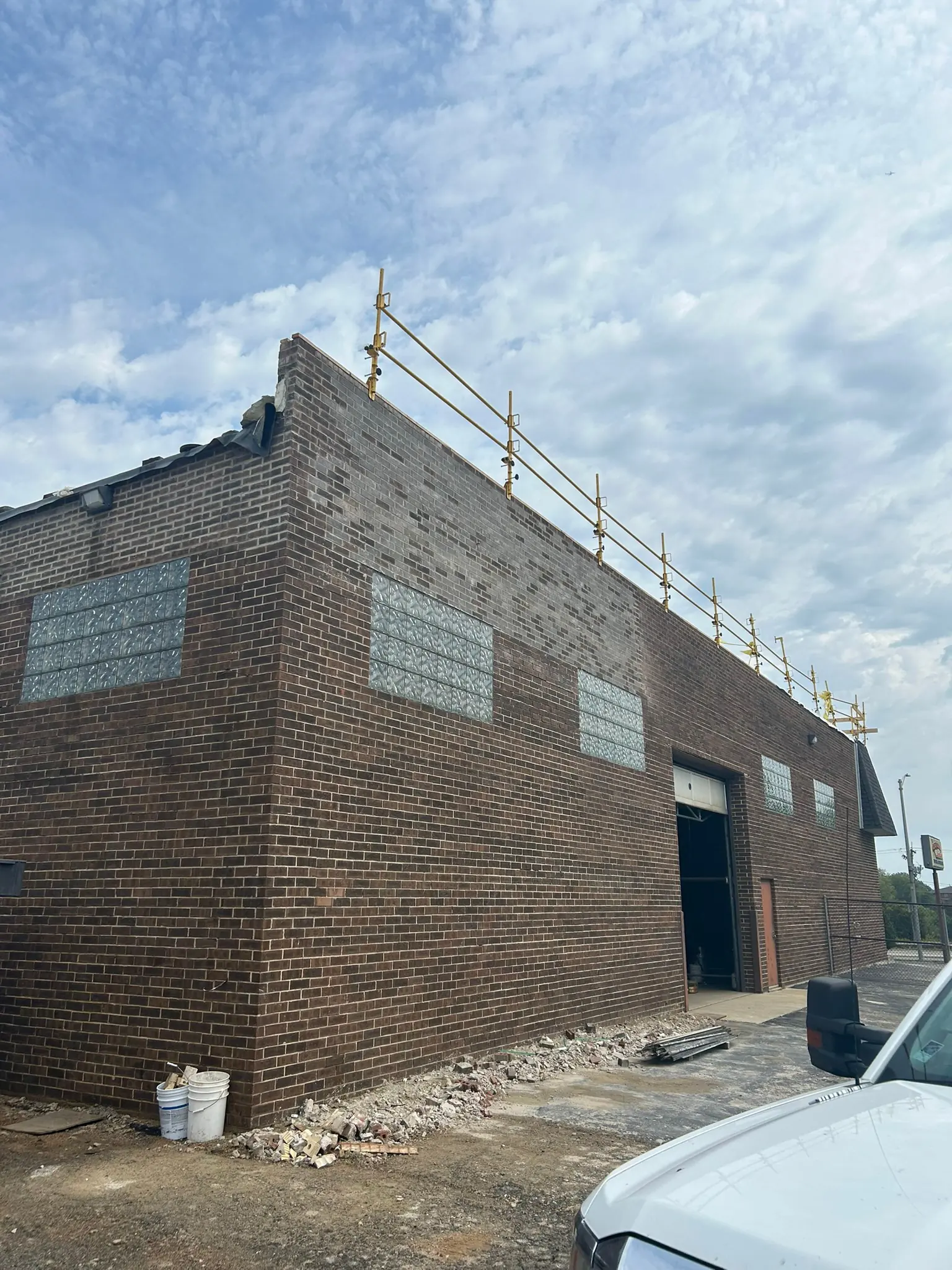
If you own a pre-1930 home on the South Side or in one of Chicago's older neighborhoods, there's a good chance you're standing on history. Greystones, two-flats, and brick bungalows from that era almost always sit on foundations built from limestone or rubble stone — irregular chunks of quarried rock laid up by hand and bedded in soft lime mortar. That lime mortar is the part that ages. Over decades it slowly washes out, turns sandy, and crumbles, and when it does the right answer is repointing with a compatible, breathable mortar — never a hard Portland patch. Get the mortar wrong and you can do more harm than the original problem.
We've been repairing these foundations across Chicagoland for decades, and the same patterns show up basement after basement. Here's what's actually happening down there, how to read the warning signs, and how a stone foundation should be repaired.
How Chicago's stone foundations were built
Before poured concrete became standard, masons built foundation walls out of whatever durable stone was available locally — most often dolomitic limestone quarried right around the Chicago area. The stones came in irregular shapes and sizes, so the wall was assembled like a puzzle: large stones set as the load-bearing courses, smaller stones and chips wedged into the gaps, and everything locked together with mortar in the joints.
That mortar was lime-based, not the Portland cement we use today. Lime mortar is intentionally soft and breathable. It flexes slightly with seasonal movement, and — critically — it lets moisture pass through and evaporate rather than trapping it inside the stone. The interior face was often finished with a parge coat, a thin smear of mortar that smoothed the wall and added a first line of defense against water. This system worked beautifully for a century. The catch is that lime mortar is sacrificial by design: it's meant to wear before the stone does, which means it eventually needs renewal.
Why the lime mortar fails
Three forces wear out a stone foundation in our climate, and they usually work together.
Water. Chicago's high water table and clay-heavy soil push moisture against foundation walls constantly. Lime mortar slowly dissolves and erodes under that steady contact, especially where downspouts dump near the wall or grading slopes back toward the house.
Freeze-thaw. Illinois winters drive water into the joints, then freeze it. The ice expands, pries the mortar apart, and the cycle repeats dozens of times each season. Over years this is what turns a firm joint into loose grit.
Lost parging. Once that protective interior parge coat flakes away — and it always does eventually — the raw joints are exposed and erosion accelerates. What was a slow process becomes a visible one.
Signs your stone foundation needs attention
You don't need to be a mason to spot trouble. Walk your basement with a flashlight and a key or screwdriver and look for:
- Sandy, crumbling joints — mortar that scrapes out like dry sand or that you can pick away with a fingernail.
- Gaps you can poke into — open voids between stones where the mortar has disappeared entirely.
- Mortar grit on the floor — small piles of sand-colored dust at the base of the wall.
- A damp or musty basement — persistent humidity, water stains, or that unmistakable cellar smell.
- Efflorescence — white, powdery mineral deposits on the stone, a sure sign water is moving through the wall.
- Bowing or leaning — sections of wall pushing inward, which signals the joints have lost enough integrity that the wall is moving. This one warrants a prompt professional look.
Folks in Beverly and Mount Greenwood call us about exactly these symptoms all the time — those neighborhoods are full of beautiful century-old greystones and bungalows, and stone foundations of that age simply reach a point where the mortar has run its course.
If you've noticed a couple of these signs, it's worth getting eyes on it before a small repointing job becomes a structural one. A free on-site estimate costs you nothing and tells you exactly where you stand.
Why hard Portland mortar and sealers make it worse
This is the single most important thing to understand about stone foundation repair: modern materials can destroy an old foundation. It feels counterintuitive — surely a harder, stronger mortar is better? — but the opposite is true.
Portland cement is dense, rigid, and far less breathable than the soft limestone around it. When you pack it into the joints of an old stone wall, moisture that used to evaporate harmlessly through the lime mortar gets trapped inside the stone instead. Come winter, that trapped water freezes, expands, and spalls the face of the stone — the rock itself starts crumbling, which is far worse than a worn joint. Hard mortar also won't flex with the wall's natural seasonal movement, so it cracks and pulls away while shifting stress onto the softer stone.
The same logic applies to slick waterproofing paints and sealers slapped on the interior face. They look like a fix, but they seal moisture into the wall, accelerate hidden deterioration, and peel within a season or two. The goal with a breathing stone wall is never to seal it shut — it's to manage and redirect water while letting the wall do what it was built to do.
The right way to repair a stone foundation
Done correctly, stone foundation repair restores the wall using the same logic the original masons relied on. Our approach looks like this:
- Rake out the failed mortar. We carefully cut and clear the crumbling joints back to sound material, removing loose grit and debris without disturbing the seated stones.
- Repoint with compatible mortar. We pack the joints with a softer, breathable mortar matched to the original lime-based mix — strong enough to hold, soft enough to flex and breathe. This is the same craft as tuckpointing on a brick wall, applied to irregular stone.
- Re-parge where needed. We restore the protective interior coat that shields the joints and helps shed moisture.
- Address the water. Repointing seals the wall, but lasting results mean getting water away from the foundation — checking grading, downspouts, and drainage so moisture isn't constantly loaded against the stone.
For homeowners who want the character and integrity of an older home preserved exactly, this overlaps closely with our historic masonry restoration work, where matching original materials and methods is the whole point.
When to call a pro
Hairline cosmetic gaps in an otherwise solid wall can wait. But if you can scrape out joints by hand, see gaps between stones, have a chronically wet basement, spot efflorescence, or notice any bowing, it's time for a professional assessment. Stone foundation work isn't a weekend project — matching the right mortar, raking joints without dislodging stones, and reading whether a wall is merely worn or genuinely moving all take experience. Guessing wrong with the wrong materials is how good foundations get ruined.
Emerald Masonry LLC has spent decades on Chicagoland foundations, and we treat your old greystone or rubble-stone wall with the materials and care it was built to have. We're a non-union, family-owned company, licensed, bonded, and insured, based right here in Palos Heights. If your basement is telling you something, let us take a look — our foundation masonry repair team will give you a straight answer and a free on-site estimate.
Call us at (708) 288-1696 or reach out through our site. We'll tell you honestly whether you need a simple repointing or something more — and we'll do it right the first time.
Frequently Asked Questions
Why shouldn't I use Portland cement to patch my old stone foundation?
Portland cement is harder and less breathable than the original lime mortar, so it traps moisture inside soft limestone and rubble stone instead of letting it escape. Trapped water then freezes, expands, and spalls the stone face, causing more damage than the failed joint you started with. The correct fix uses a softer, breathable mortar matched to the original.
How can I tell if my Chicago greystone foundation needs repointing?
Look for sandy, crumbling joints you can scrape out with a key or screwdriver, gaps between stones, a persistently damp or musty basement, white powdery efflorescence on the walls, and small piles of mortar grit on the floor. Any of these signals the lime mortar is washing out and the wall needs professional repointing.
Does repointing a stone foundation stop water from getting into my basement?
Repointing with compatible mortar seals the open joints where water and soil were working into the wall, which dramatically reduces intrusion. For full protection, it's usually paired with interior or exterior parging and corrected grading and drainage so water moves away from the foundation rather than sitting against it.
Is my old stone foundation still structurally sound if the mortar is crumbling?
Often yes — the stones themselves carry the load and can be perfectly solid even when the joints are failing. But crumbling mortar lets stones shift, water enter, and bowing begin, so it shouldn't be ignored. A free on-site inspection tells you whether you need routine repointing or more involved structural repair.