
Foundation Masonry Repair
Where the building meets the ground, water and movement do the most damage.
Overview
Foundation masonry — brick or concrete block below and at grade — sits in the harshest spot on the building: in contact with soil moisture, hit by runoff, and subject to settlement and frost movement. Deteriorated mortar, cracked or spalling block, bowing, and step cracks at the foundation level let water into basements and crawlspaces and signal movement that needs attention before it spreads upward.
We repair foundation masonry: repointing deteriorated joints, replacing spalled brick and cracked block, addressing the water and drainage causing the damage, and stabilizing where movement is active. Structural movement beyond masonry repair is identified honestly and coordinated with the right specialists.
Scope of Work
- Foundation repointing and joint repair
- Cracked and spalled block replacement
- Below-grade brick repair
- Parge coat repair and application
- Water-entry and drainage correction
- Crack assessment and stabilization
Quick Answer
Emerald Masonry LLC repairs brick and block foundation walls across Chicagoland — repointing at grade, replacing cracked and spalling units, and correcting the water causing the damage. Family-owned, licensed and insured, led by career masons with decades of hands-on Chicagoland experience. Call (708) 288-1696.
Warning Signs
When to Call Us
01
Deteriorated Mortar at Grade
Mortar joints at and just below grade take constant moisture and freeze-thaw. Recessed, soft, or missing mortar here lets water directly into the foundation wall.
02
Cracked or Spalling Block
Cracked concrete block or spalling brick at the foundation indicates moisture damage or movement. Left open, these become direct water paths into the basement.
03
Step Cracks in the Foundation
Diagonal stair-step cracks following the joints often indicate differential settlement. The crack pattern tells us where the movement is originating and whether it's ongoing.
04
Basement Moisture or Efflorescence
Damp interior foundation walls, white salt deposits, or musty smells point to water moving through the foundation masonry — usually from failed joints or grading and drainage issues outside.
Materials We Use
- Type S mortar for below-grade and structural joints
- Replacement concrete block and brick
- Parge and waterproof coatings
- Hydraulic cement for active seepage points
What Affects the Price
- Extent of deteriorated masonry
- Whether drainage/grading correction is needed
- Access and excavation requirements
- Active movement vs. static damage
Every building is different. We provide free on-site estimates so you get a real number for your property — call (708) 288-1696.
Making the Right Call
Masonry repair vs. structural underpinning
Most foundation masonry problems are repointing, unit replacement, and water correction. When cracks indicate active settlement, that's a structural matter beyond masonry — we identify it honestly instead of sealing over a moving wall.
Past Work
Project Gallery
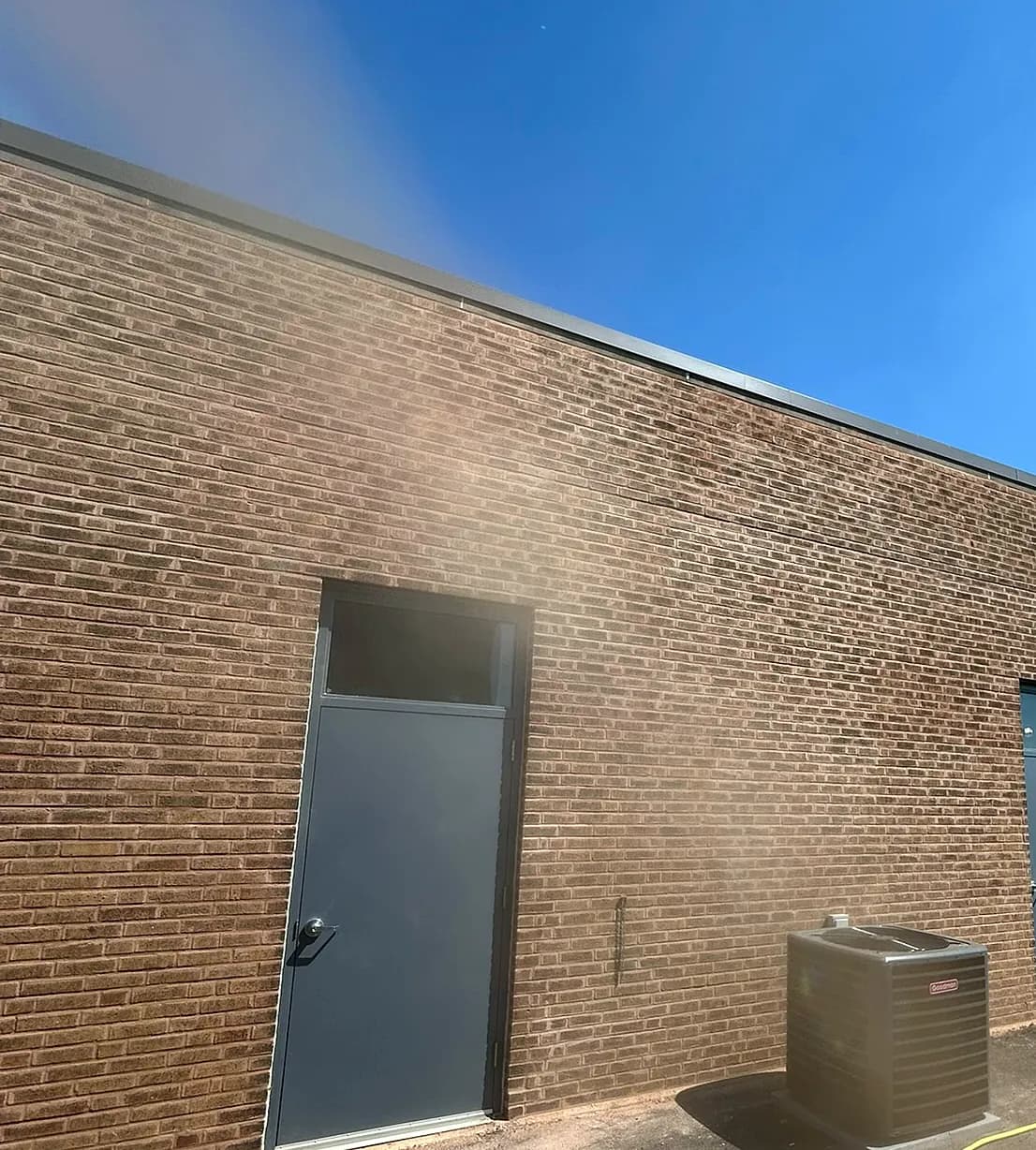
Masonry rebuilt at grade on a commercial building
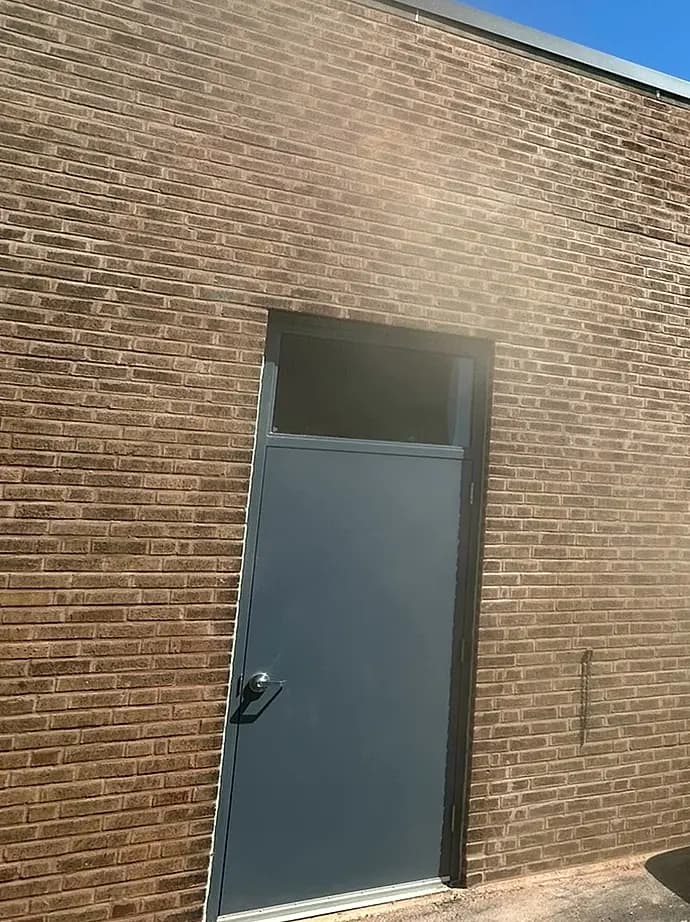
Spalled units replaced and repointed
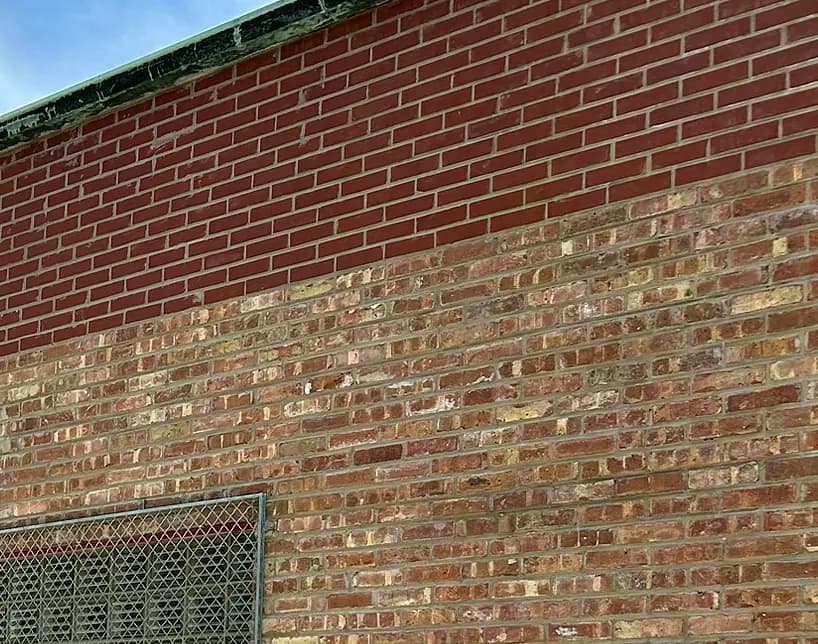
Repointing at the base of a commercial wall
FAQ
Common Questions
It depends on the type. A crack through the mortar joint only is often manageable with repointing. Wide, stair-step, or actively widening cracks can indicate settlement and need assessment before repair. We give an honest read on-site about what's cosmetic and what's structural.
Often, yes — by repointing failed joints, replacing damaged masonry, and correcting the grading or drainage feeding water to the wall. Where the problem is hydrostatic pressure or a failing drain tile, we'll tell you and coordinate the right approach rather than just sealing over it.
We handle foundation masonry repair — repointing, brick and block replacement, and stabilization. When movement points to a structural issue beyond masonry (piering, underpinning), we identify it honestly and coordinate with the appropriate specialist.
Soil moisture, poor drainage, and Chicago's freeze-thaw cycle. Water saturates the masonry at grade, freezes, and breaks it down; settlement and frost heave add movement that cracks joints and units.
Get Started
Request a Free Foundation Masonry Repair Estimate
Free on-site estimates for commercial and large-scale residential projects across Chicagoland. Upload diagnostic photos and we'll get back to you the same day.
Phone
(708) 288-1696Other Services
Service
Tuckpointing & Repointing
Stop water intrusion at the source — before it reaches the structure.
Service
Brick Repair & Replacement
Individual bricks fail. We replace them before the damage spreads.
Service
Chimney Repair & Rebuilds
The chimney is the most exposed masonry on the building. It shows first.
Service
Masonry Restoration
Large-scale deterioration requires a systematic approach — not a patch.
Service
Efflorescence Removal & Waterproofing
White stains are a symptom. Water in the wall is the problem.
Service
Commercial & Industrial Masonry
Commercial masonry requires a contractor who shows up, communicates, and delivers.
Service
Brick Replacement
When a brick can't be saved, the right replacement disappears into the wall.
Service
Lintel Repair & Replacement
Rusting steel lifts the brick above it. Caught early, it's a contained repair.
Service
Parapet Wall Repair
Exposed on three sides with no roof above it, the parapet fails first.
Service
Limestone & Sill Repair
Stone sills shed water for the whole wall — until they crack and start holding it.
Service
Masonry Caulking & Joint Sealant
The right joint moves with the building. Mortar there just cracks.
Service
Masonry Sealing & Waterproofing
Keep liquid water out while letting the wall breathe — sequence and product matter.
Service
Commercial Masonry Restoration
Large footprints, occupied buildings, and boards that need documentation.
Service
Residential Masonry Restoration
When a home needs more than one repair, a coordinated plan beats years of patching.
Service
Historic Masonry Restoration
Old buildings need soft mortar and a light hand — modern materials damage them.