
Historic Masonry Restoration · River Forest, IL
Historic Masonry Restoration in River Forest, IL — Sensitive Brick Repair for Prairie-Era Estates and Institutional Buildings
River Forest's built environment includes Prairie-style estates, early 20th century masonry at Dominican University, and dense historic residential blocks — some of the most architecturally significant brick construction in the Chicago suburbs. Emerald Masonry LLC provides sensitive masonry restoration that preserves the original character of River Forest's historic structures.
Quick Answer
River Forest's built environment includes Prairie-style estates, early 20th century masonry at Dominican University, and dense historic residential blocks — some of the most architecturally significant brick construction in the Chicago suburbs. Emerald Masonry LLC provides sensitive masonry restoration that preserves the original character of River Forest's historic structures.
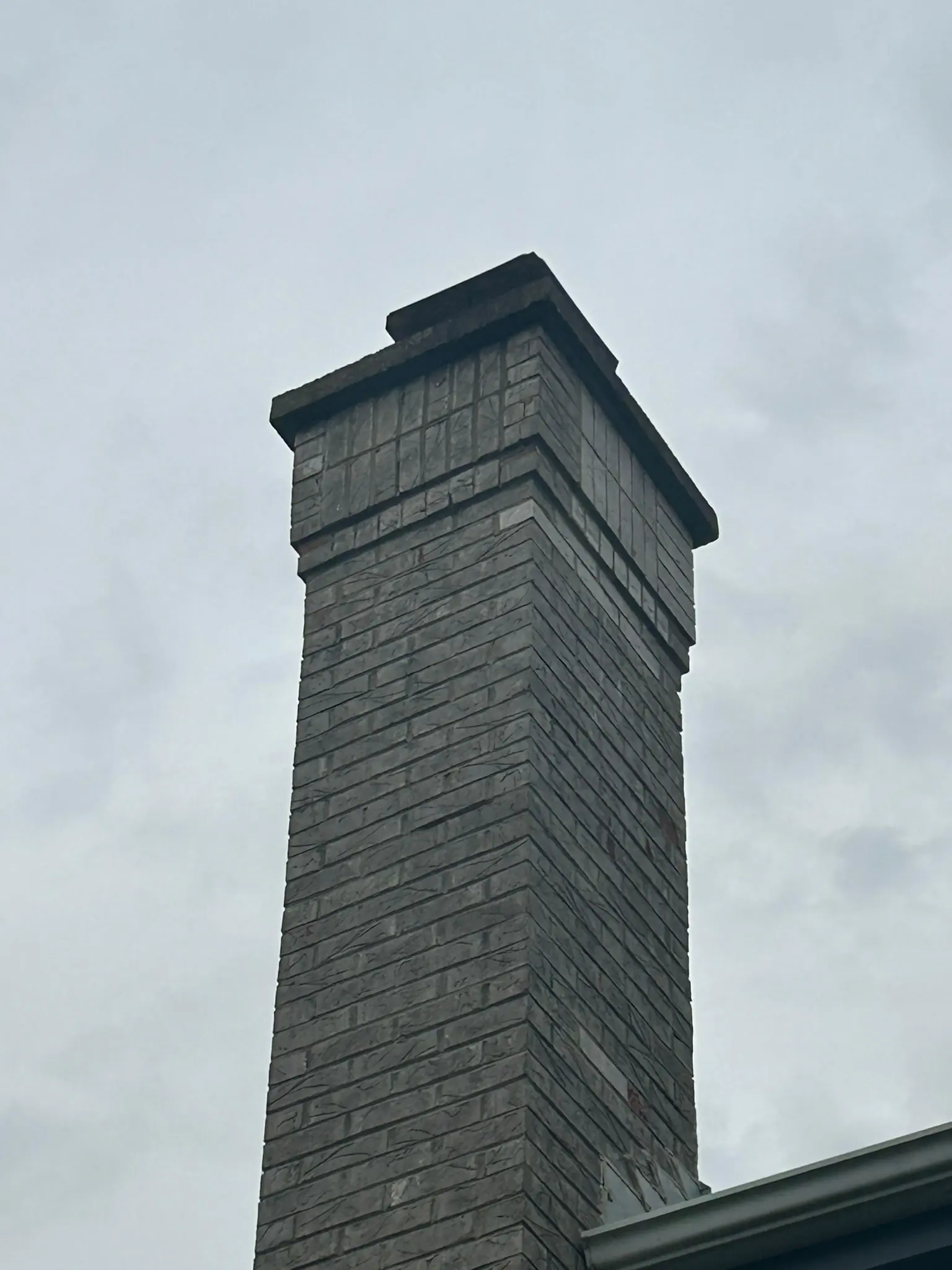
River Forest's Masonry Legacy
River Forest is a one-square-mile village at the western edge of Cook County, adjacent to Oak Park and separated from Elmwood Park by the Des Plaines River. Its development as an affluent residential community produced an architectural legacy that's unusual even by Chicagoland standards: a dense concentration of Prairie-era estates, early 20th century institutional buildings, and high-quality masonry construction ranging from 80 to 120 years old.
The village's built environment includes residential properties by major Prairie-style architects, the masonry buildings of Dominican University's campus, and residential blocks where original lime-mortar brick construction from the 1900s–1930s has been in continuous use for more than a century.
From a masonry standpoint, these buildings require a fundamentally different approach than standard tuckpointing work:
- Soft original brick — Prairie-era brick in the Chicago area was typically less vitrified and softer than postwar brick. It's more susceptible to damage from hard modern mortar and requires careful handling during joint cutting.
- Original lime mortar — Pre-1930s construction almost universally used true lime mortar, not the lime-Portland hybrid common from the 1940s forward. Lime mortar is softer, more flexible, and vapor-permeable. Repointing with hard modern mortar over a lime-mortar building causes spalling damage within years.
- Character-defining features — soldier courses, corbeled brickwork, ornamental brick details, arched openings, and period decorative work that define the building's architectural character require work methods that protect rather than disturb these elements.
- Institutional scale — The academic and institutional buildings on Dominican University's campus represent full-scope masonry assessments and multi-phase project management at a scale that requires systematic planning.
Why Standard Repointing Rules Don't Apply Here
The fundamental principle of historic masonry is that mortar is the sacrificial element. When a masonry wall moves — with temperature cycles, moisture, and long-term settlement — cracks should form in the mortar joints, not in the brick. This is by design: mortar is replaceable, original brick is not.
Hard mortar destroys soft brick. Type S mortar — the standard specification in modern contractor practice — has a compressive strength of 1,800 psi or higher. Original lime mortar in a pre-1930 building typically has a compressive strength of 400–600 psi. The brick in that building is equally soft. When you repoint with Type S mortar, the mortar is now harder than the brick. The next crack — inevitable in any masonry wall — forms in the brick face, not the joint. Spalled historic brick cannot be repaired to match; it must be replaced, and matching 100-year-old brick is often impossible.
Matching mortar strength is non-negotiable on historic buildings. We formulate or specify lime putty mortars or low-Portland lime-Portland blends for pre-1930 buildings in River Forest, based on the age and hardness of the existing brick and mortar. This sometimes requires custom mixes rather than off-the-shelf bagged products.
Joint cutting depth must be controlled. Old lime mortar often carbonates and rehardenes at depth. Cutting too deep risks damaging the original brick arris — the sharp edge of the brick face. We cut to the minimum depth needed to remove the failed outer mortar layer, typically 3/4", with hand tools used for finishing near brick edges.
Institutional Buildings in River Forest
The buildings on Dominican University's campus span several decades of construction — early 20th century masonry academic buildings, mid-century institutional additions, and auxiliary structures. Managing masonry maintenance on a multi-building campus requires:
- Multi-building condition assessment with written reports prioritizing work by urgency across buildings
- Phased pricing for multi-year maintenance budget planning
- Documentation that meets institutional facilities management standards for capital planning
- Scheduling that accommodates academic and operational calendars
For larger institutional scopes, we work directly with facilities managers and provide itemized written estimates broken down by building and scope category.
Residential Historic Work in River Forest
For residential historic properties — particularly homes built before 1940 — the most common situation is mortar that has been previously "restored" with inappropriate hard mortar. This produces a specific failure pattern: spalling at the brick edges adjacent to previously repointed joints, visible as chipping or surface delamination along joint lines. The hard mortar is intact; the brick adjacent to it is not.
When we assess a River Forest property with this damage history, we recommend:
- Removing the previously applied hard mortar from all affected joints
- Assessing which brick units have been damaged beyond the point of stability
- Sourcing matched reclaimed brick for replacement units (we work with regional reclaimed brick suppliers)
- Repointing with a lime-compatible mix matched to the original
For sample matching, we prepare a test panel — a small section of repointed wall — and allow it to cure before completing the full scope. This gives you a visual preview of the color and texture match before it goes on the whole building.
FAQ
How do I know if my River Forest home needs historic-grade mortar work or standard repointing?
The key criterion is construction date. Buildings from before approximately 1935 almost always require lime-compatible mortar. If your home was built in the 1920s and the mortar joints have never been professionally repointed, standard mortar would likely cause damage. Buildings from 1935–1950 are in a transitional zone — we assess existing mortar hardness before recommending a specification.
What happens if previous contractors already used hard mortar on part of my building?
The damage from previous hard-mortar repointing typically manifests as spalling at the brick edges adjacent to those joints. Limited spalling can sometimes be stabilized; significant face delamination usually requires brick replacement with matched material. We assess the extent of existing damage during the estimate so you have a full picture before work begins.
Does the Village of River Forest require permits or approval for historic masonry work?
River Forest's Architectural Appearance Commission (AAC) reviews exterior work on certain structures and may require permit applications for masonry scope on landmark-designated buildings. We're familiar with the local approval process and can provide technical documentation for permit applications, including mortar specifications and sample panels for review.
Can you work on buildings on the National Register of Historic Places?
Yes. Historic-grade masonry work on National Register properties follows Secretary of the Interior Standards, which are consistent with the lime-compatible mortar and minimum-intervention approach we use on all pre-1935 construction. We can provide documentation of our process and materials specifications for properties where preservation standards compliance needs to be documented.
Service Area
Emerald Masonry LLC serves River Forest and surrounding west suburban Cook County — including Oak Park, Forest Park, Elmwood Park, and Melrose Park. We're based in Palos Heights, roughly 18 miles south. Phone: (708) 288-1696 | emeraldmasonryil@gmail.com | Free on-site estimates.
For historic masonry restoration, tuckpointing, or a full masonry restoration evaluation in River Forest, contact us to schedule.
Ready to get started?
Free on-site estimates for commercial and large-scale projects.