
Masonry Sealing / Waterproofing · Homewood, IL
Masonry Sealing & Waterproofing in Homewood, IL — Protecting Brick From Water Damage
Emerald Masonry LLC provides breathable masonry sealing and waterproofing for brick homes and buildings in Homewood, IL. We repair failed joints first, then apply vapor-permeable repellents that shed water without trapping moisture inside the wall.
Quick Answer
Emerald Masonry LLC provides masonry sealing and waterproofing in Homewood, IL — applying breathable, vapor-permeable water repellents that protect brick from water damage after failed mortar joints are repaired. We are family-owned, led by career masons with decades of hands-on experience, licensed and insured, and offer free on-site estimates. Call (708) 288-1696.
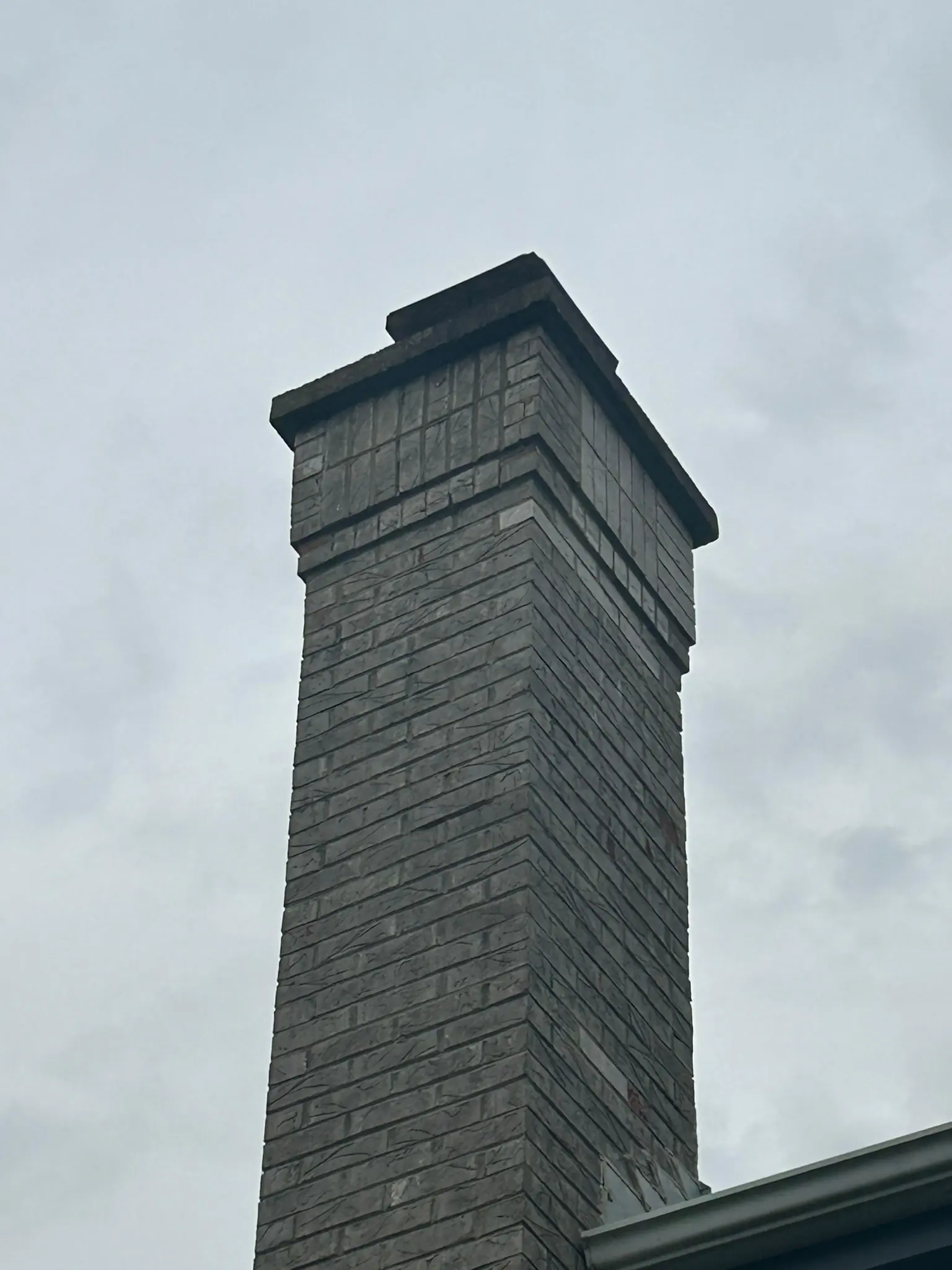
Masonry Sealing & Waterproofing in Homewood, IL
For breathable masonry sealing and waterproofing in Homewood, IL, call Emerald Masonry LLC at (708) 288-1696. We protect brick homes and buildings from water damage by repairing failed mortar joints first, then applying vapor-permeable water repellents that shed rain without trapping moisture inside the wall. We are family-owned, licensed and insured, and offer free on-site estimates.
Water is the single biggest enemy of brick masonry. Once it soaks into porous brick or runs through cracked mortar joints, it sets off a chain of damage — efflorescence, interior dampness, mold, mortar decay, and freeze-thaw spalling that can break the face right off your brick. The right waterproofing system stops that water before it gets in. The wrong one can make the problem worse. This page explains how masonry sealing works, when you need it, and how we do it for Homewood homeowners.
What Masonry Sealing and Waterproofing Actually Is
Masonry "sealing" is a confusing term because it describes two very different products. The kind that protects brick is a breathable, vapor-permeable water repellent — typically a silane/siloxane formula that penetrates into the brick and mortar and lines the pores so liquid water beads up and runs off, while water vapor can still pass through. The wall stays dry from the outside but is still able to dry itself out from the inside.
The kind that damages brick is a film-forming sealer — a glossy or plastic-like coating that sits on the surface and blocks water both ways. It looks like protection, but it traps any moisture already in the wall. When that trapped water freezes, it expands and pops the face off the brick. This is one of the most common causes of accelerated spalling on older homes.
The difference between protecting brick and destroying it often comes down to one thing: a breathable repellent lets the wall dry out, while a film-forming sealer traps moisture and accelerates spalling.
At Emerald Masonry, we only use breathable, vapor-permeable repellents — and we never apply them as a quick fix over masonry that needs repair.
Signs Your Brick Needs Waterproofing
Homewood's older brick housing stock shows water trouble in predictable ways. Watch for:
- Efflorescence — that white, chalky, crystalline residue on the brick face. It means water is moving through the masonry and carrying dissolved salts to the surface. (Here's why efflorescence keeps coming back when the underlying water source isn't fixed.)
- Damp or musty interior walls — water that has wicked through the wall to the inside, often near the basement, foundation line, or below windows.
- Spalling brick — flaking, chipping, or crumbling brick faces, a classic sign of freeze-thaw damage in our climate.
- Water staining and dark streaks — visible tracks where water runs down and into the wall.
- Porous, soft, or aging brick — older brick that soaks up water like a sponge and dries slowly.
If you see any of these, the wall is already taking on water. The sooner it's addressed, the less repair you'll need.
The Risk of Waiting
Water damage in masonry compounds. A small problem this spring becomes a structural problem in a few winters. Putting off waterproofing in the Chicago area invites:
- Freeze-thaw spalling — trapped water freezes, expands, and breaks the brick face apart. This is permanent damage; spalled brick must be replaced, not resealed.
- Interior water damage and mold — moisture that reaches drywall, framing, and finishes inside the home.
- Accelerated mortar decay — soft, washed-out joints that let in even more water and weaken the wall.
- Bigger repair bills — repointing and brick replacement cost far more than the proactive sealing that would have prevented them.
Waterproofing brick is preventive maintenance. Spalling brick is permanent damage — once the face breaks off, only replacement fixes it.
Our Process
We treat waterproofing as a system, not a single spray. Here's how an Emerald Masonry job runs in Homewood:
- Inspect. We look at the brick, mortar joints, sills, lintels, caps, and grade. We identify where water is actually getting in — because that's what has to be fixed, not just coated over.
- Repair and repoint failed joints FIRST. This is the step many homeowners skip, and it's the most important one. Cracked or failed mortar joints are the main entry path for water. We repair cracks and handle professional tuckpointing before any repellent goes on. If brick faces are already spalled, we discuss brick repair and replacement.
- Clean the surface. The repellent has to bond to clean, sound masonry. We clean off dirt, efflorescence, and contaminants so the product can penetrate properly.
- Apply the breathable repellent correctly. We apply a vapor-permeable silane/siloxane water repellent at the right coverage rate and saturation, working the product into the brick and joints so it penetrates rather than just coating the surface.
You can see the full scope of our masonry sealing and waterproofing services and how it fits with the rest of our restoration work.
Materials: Why Breathability Matters
We use silane and siloxane-based water repellents. These penetrate into the masonry and chemically line the pore structure, so the brick repels liquid water but stays open to water vapor. That breathability is the whole point: brick walls always carry some interior moisture, and they need to be able to release it. A breathable repellent lets that happen while keeping rain out.
A film-forming sealer does the opposite — it seals moisture in. That's why we never use one on brick. For Homewood's older, more porous brick especially, vapor permeability isn't a nice-to-have; it's what keeps the wall from spalling.
A silane/siloxane repellent blocks liquid water while letting water vapor escape. That balance is what protects brick without trapping the moisture that causes spalling.
What Affects the Price
Every wall is different, so we don't quote flat prices online. The factors that drive cost are:
- Square footage of wall to be treated.
- Surface condition and prep — how much cleaning the brick needs before sealing.
- Whether repointing or repair is required first — failed joints and cracks must be fixed before waterproofing, and that work is priced separately from the sealing itself.
A sound wall that just needs a protective repellent is straightforward. A wall with washed-out joints and spalled brick is a larger project. The only way to know which one you have is an inspection, which is why our estimates are free and on-site.
Serving Homewood and the South Suburbs
Homewood sits in south Cook County, where the housing stock includes a lot of older brick homes — bungalows, mid-century brick ranches, and traditional masonry construction that has weathered decades of Chicago seasons. That older brick tends to be more porous, and it takes the full brunt of our freeze-thaw cycles and heavy spring and summer rain. That combination — absorbent brick plus water plus repeated freezing — is exactly what waterproofing is built to defend against.
We serve Homewood and the surrounding south-suburban communities, and we understand how local conditions affect masonry here. Whether it's a single chimney, a porch, a foundation course, or a whole house, we'll inspect it and tell you honestly what it needs — including when it needs repair before sealing, and when it doesn't.
Emerald Masonry LLC is a family-owned, licensed and insured masonry contractor serving Chicago and the Chicagoland suburbs led by career masons with decades of hands-on experience in tuckpointing, chimney repair, brick repair and replacement, lintel and parapet repair, foundation and limestone/sill repair, caulking, power washing, sealing, and commercial, residential, and historic masonry restoration. Free on-site estimates — call (708) 288-1696.
Frequently Asked Questions
How much does masonry waterproofing cost in Homewood, IL?
The cost depends on the square footage of wall, the condition of the surface, and whether repointing or repairs are needed before sealing. A wall with failed joints will cost more because that work must be done first. We provide a free on-site estimate so you get an accurate price for your specific home.
Does sealing brick trap moisture inside the wall?
It can if the wrong product is used. Film-forming sealers create a surface skin that blocks water vapor and can trap moisture, leading to spalling. We use breathable, vapor-permeable silane/siloxane repellents that block liquid water while still letting the wall dry out.
Do I need tuckpointing before waterproofing?
Usually yes. Waterproofing is not a substitute for tuckpointing — failed mortar joints and cracks are the main path for water entry. Those must be repaired first, or the sealer will simply coat over an active leak.
How long does masonry sealing last?
A quality breathable water repellent typically protects brick for several years before reapplication, depending on the product, exposure, and surface condition. South-suburban walls that take heavy rain and freeze-thaw cycles may need attention sooner. We inspect the surface and recommend a realistic re-treatment schedule.
Protect Your Brick Before the Next Freeze
If you're seeing efflorescence, damp walls, or spalling on your Homewood home, don't wait for it to spread. Emerald Masonry LLC will inspect your masonry, repair what needs repairing, and apply a breathable repellent that actually protects your brick. Get your free estimate or call (708) 288-1696 today.
Ready to get started?
Free on-site estimates for commercial and large-scale projects.
Masonry Sealing / Waterproofing in Homewood, IL — Frequently Asked Questions
How much does masonry waterproofing cost in Homewood, IL?
The cost depends on the square footage of wall, the condition of the surface, and whether repointing or repairs are needed before sealing. A wall with failed joints will cost more because that work must be done first. We provide a free on-site estimate so you get an accurate price for your specific home.
Does sealing brick trap moisture inside the wall?
It can if the wrong product is used. Film-forming sealers create a surface skin that blocks water vapor and can trap moisture, leading to spalling. We use breathable, vapor-permeable silane/siloxane repellents that block liquid water while still letting the wall dry out.
Do I need tuckpointing before waterproofing?
Usually yes. Waterproofing is not a substitute for tuckpointing — failed mortar joints and cracks are the main path for water entry. Those must be repaired first, or the sealer will simply coat over an active leak.
How long does masonry sealing last?
A quality breathable water repellent typically protects brick for several years before reapplication, depending on the product, exposure, and surface condition. South-suburban walls that take heavy rain and freeze-thaw cycles may need attention sooner. We inspect the surface and recommend a realistic re-treatment schedule.
Masonry Sealing / Waterproofing in Nearby Areas
Learn more about our masonry sealing / waterproofing services across Chicagoland, or view all service areas.