
Masonry Sealing / Waterproofing · Wilmington, IL
Masonry Sealing & Waterproofing in Wilmington, IL — Keep River-Town Moisture Out of Your Brick
Emerald Masonry LLC seals and waterproofs brick homes and buildings in Wilmington, IL with breathable water repellents that keep water out while letting the wall dry. We repair mortar joints first, then apply the sealer — and always offer a free on-site estimate.
Quick Answer
Emerald Masonry LLC provides masonry sealing and waterproofing in Wilmington, IL. We apply breathable water-repellent sealers to brick homes and buildings, after repairing mortar joints first. Family-owned, licensed and insured, led by career masons with decades of hands-on experience. Call (708) 288-1696 for a free on-site estimate.
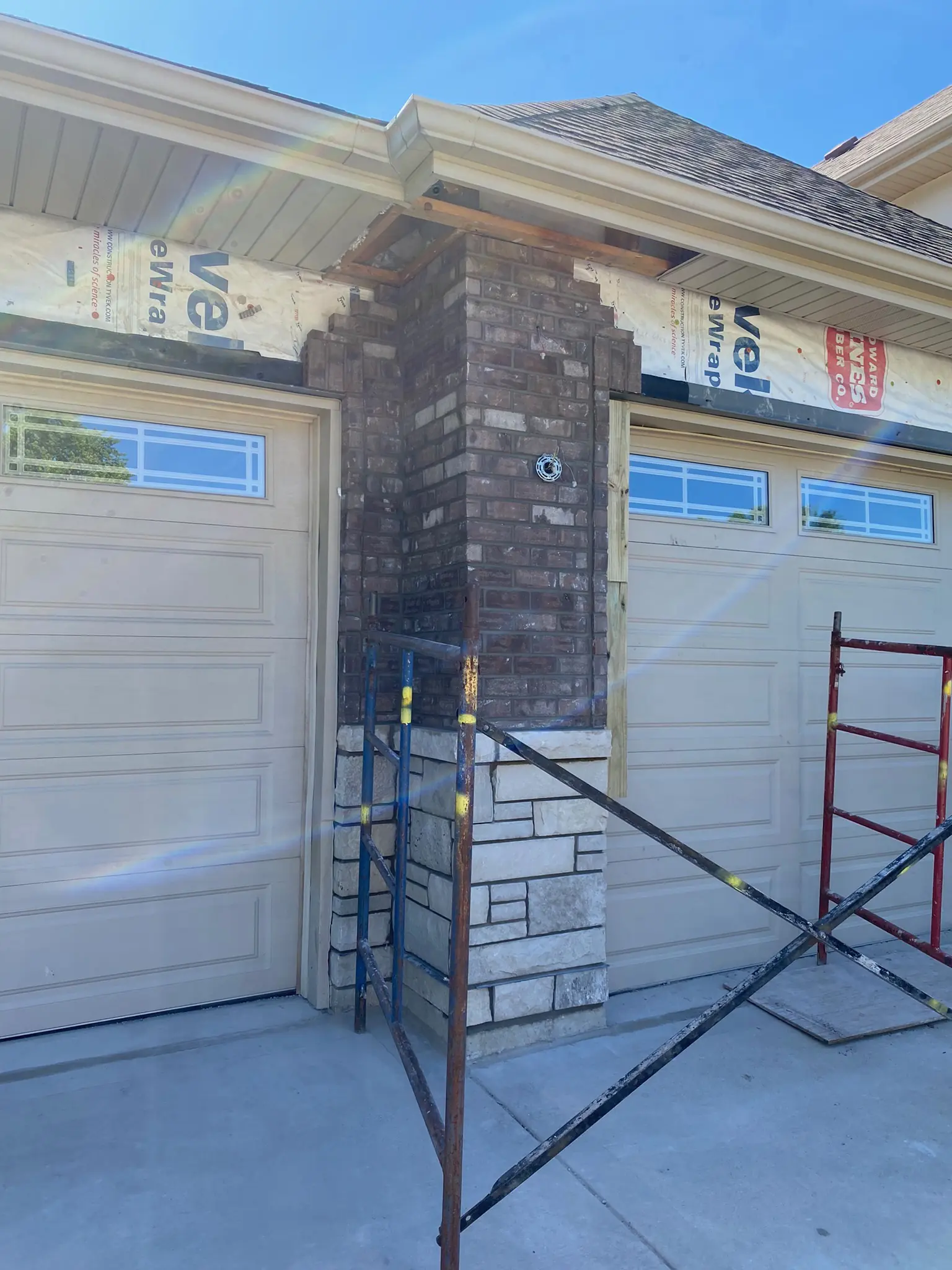
Who seals and waterproofs brick in Wilmington, IL?
Emerald Masonry LLC seals and waterproofs brick in Wilmington, IL — call (708) 288-1696 for a free on-site estimate. We apply breathable water-repellent sealers to brick homes, chimneys, and downtown buildings so rain and river-valley moisture stay out of the wall. Because Wilmington sits right on the Kankakee River, its older brick homes and storefronts take on a lot of moisture, and proper masonry sealing is one of the most cost-effective ways to protect them.
We're a family-owned, licensed and insured masonry contractor led by career masons with decades of hands-on experience, and every sealing job starts with an honest inspection — not a sales pitch.
What masonry sealing and waterproofing actually is
Masonry sealing means applying a breathable water repellent to the face of the brick and mortar. The best sealers — siloxane- and silane-type products — soak into the masonry and line the pores so liquid water beads up and runs off, while still allowing water vapor to escape from inside the wall.
That "breathability" is the whole point. Brick needs to dry. A good repellent keeps rain, snowmelt, and wind-driven moisture out, but it never turns the wall into a sealed box.
The goal isn't to shrink-wrap your brick. It's to keep liquid water out while letting the wall breathe and dry.
Why we never use film-forming coatings on brick
Some products form a shiny film or membrane on the surface. On brick, that's a mistake. Film-forming coatings trap moisture inside the wall, and when that trapped water freezes it pushes the brick face apart — a process called spalling. We only use breathable repellents that protect the masonry without sealing vapor in.
Sealing works only after the mortar joints are sound
This is the single most important thing to understand about waterproofing brick: sealer is not a repair.
A water repellent can only protect masonry that's already in good shape. If your mortar joints are cracked, open, or crumbling, water will pour straight through them no matter how good the sealer is — and you'll have paid to waterproof a wall that still leaks.
That's why our process always puts tuckpointing and brick repair first. We rebuild failing joints and replace damaged brick, then we seal. Skipping that step is how homeowners end up sealing water into the wall instead of out of it.
First we make the wall watertight. Then we make it water-repellent. In that order — never the other way around.
Signs your Wilmington brick needs sealing
You don't have to guess. These are the everyday signs that water is already getting into your masonry:
- Efflorescence — the white, chalky, powdery residue on the brick surface. It's mineral salt left behind as water moves through and evaporates out of the wall.
- Damp or musty interior walls — especially on exterior-facing walls, basements, or below chimneys.
- Saturated brick — brick that stays dark and wet-looking long after the rain stops isn't shedding water the way it should.
- Past water damage or peeling paint — signs the wall has been taking on moisture for a while.
- Crumbling or flaking brick faces — early freeze-thaw damage that will only get worse.
If you're seeing any of these in Wilmington, it's worth a free inspection before another winter.
The risk of waiting
In a freeze-thaw climate like Will County, water in your brick isn't a cosmetic problem — it's a countdown. Moisture soaks into the masonry, freezes, expands, and thaws over and over through the winter. Each cycle pushes the brick apart a little more.
The result is spalling (the brick face flaking or popping off), deteriorating mortar joints, and eventually water reaching the interior of your home. What starts as a little efflorescence can turn into structural brick replacement if it's ignored long enough. Sealing a sound wall now is far cheaper than rebuilding a damaged one later.
Our masonry sealing process
We keep it straightforward and do it in the right order:
- Inspect. We walk the entire wall and identify where water is getting in — open joints, cracked brick, failed caulking, chimney issues.
- Repair the joints first. Any failing mortar gets tuckpointed and damaged brick gets replaced. The wall has to be sound before anything else.
- Clean the surface. We clean off dirt, efflorescence, and debris so the repellent can penetrate properly.
- Apply a breathable sealer. We apply a siloxane/silane-type water repellent evenly across the masonry, giving it full coverage and proper penetration.
When it's done, water beads and rolls off — and the wall keeps breathing.
Materials we use
We use breathable siloxane- and silane-type water repellents designed specifically for brick and masonry. These penetrate the surface rather than coating it, which is exactly what brick needs. We do not use film-forming coatings, sealers that leave a plastic-looking sheen, or anything that traps vapor inside the wall. The right product depends on your brick type and exposure, and we'll recommend it during the estimate.
What affects the price of masonry sealing
Every wall is different, so we give a free on-site estimate rather than a phone quote. The main factors that affect cost include:
- The square footage of masonry being sealed.
- How much repair comes first — tuckpointing and brick replacement needed before sealing.
- Height and access — multi-story walls, chimneys, and hard-to-reach areas.
- The product selected for your brick and exposure.
- The overall condition of the existing masonry.
We'll walk the job with you, explain what we see, and give you a clear written estimate — no exact prices over the phone because no two walls are alike.
Wilmington, IL local detail
Wilmington is a Will County river town on the Kankakee River, and that setting shapes what its masonry deals with. Homes and the historic downtown storefronts along the river face high moisture exposure — humidity off the water, seasonal flooding potential, and wind-driven rain — all layered on top of Illinois freeze-thaw winters.
Many of Wilmington's brick homes and commercial buildings are older, with masonry that's had decades to weather. That combination of age, river moisture, and freeze-thaw is exactly the situation where breathable waterproofing pays off most — as long as the joints are repaired first. We know this area's building stock and weather, and we seal for the conditions it actually sees.
Trust signals
Emerald Masonry LLC is family-owned and non-union, with career masons of masonry experience. We're licensed, bonded and insured, and we back every recommendation with an honest on-site inspection. We won't upsell you into sealing a wall that needs repair first — we'll fix what needs fixing and seal what's ready to be sealed.
Emerald Masonry LLC is a family-owned, licensed and insured masonry contractor serving Chicago and the Chicagoland suburbs led by career masons with decades of hands-on experience in tuckpointing, chimney repair, brick repair and replacement, lintel and parapet repair, foundation and limestone/sill repair, caulking, sealing, and commercial, residential, and historic masonry restoration. Free on-site estimates — call (708) 288-1696.
Get a free masonry sealing estimate in Wilmington
If your brick is showing efflorescence, staying damp, or already flaking, don't wait for another freeze-thaw season to make it worse. Learn more about our masonry sealing service, or reach out today for a free on-site inspection.
Request your free estimate or call (708) 288-1696. We'll tell you honestly whether your wall needs repair first, sealing now, or both.
Ready to get started?
Free on-site estimates for commercial and large-scale projects.
Masonry Sealing / Waterproofing in Wilmington, IL — Frequently Asked Questions
Who does masonry sealing and brick waterproofing in Wilmington, IL?
Emerald Masonry LLC seals and waterproofs brick homes, chimneys, and commercial buildings throughout Wilmington and Will County. We are family-owned, licensed and insured, led by career masons with decades of hands-on masonry experience. Call (708) 288-1696 for a free on-site estimate.
Does sealing brick trap moisture inside the wall?
Not when it's done correctly. We use breathable siloxane- and silane-type water repellents that stop liquid water from entering while still letting water vapor escape. Film-forming coatings that seal the surface can trap moisture and cause damage, so we never use them on brick.
Do I need tuckpointing before my brick can be sealed?
Often, yes. Sealer only works over sound mortar joints — it can't bridge cracks or fill open, crumbling joints. We inspect first and repair any failing joints with tuckpointing or brick repair before applying the sealer, so water can't sneak in behind it.
How can I tell if my Wilmington brick needs waterproofing?
Watch for white chalky efflorescence on the surface, damp or musty interior walls, brick that stays dark and saturated after rain, or crumbling faces from past freeze-thaw damage. Any of these means water is getting in, and it's worth a free inspection.
How long does masonry sealer last?
A quality breathable water repellent typically protects brick for several years before it needs reapplication, depending on sun exposure, weather, and the condition of the masonry. We'll assess your wall during the estimate and recommend the right product and interval.
Masonry Sealing / Waterproofing in Nearby Areas
Learn more about our masonry sealing / waterproofing services across Chicagoland, or view all service areas.