
Foundation Masonry Repair · Chicagoland, IL
Brick Foundation vs. Block Foundation: How Masonry Repair Differs for Chicago Homes
Older Chicago homes often sit on solid brick foundations, while mid-century houses sit on concrete block. They fail in completely different ways — and that difference decides whether your repair is repointing, parging, crack sealing, or rebuilding.
2026-06-20
Quick Answer
Brick foundations fail at eroded lime mortar joints and soft, spalling brick; concrete-block (CMU) foundations fail at diagonal step cracks, horizontal bowing, and porous block. Both are repaired by repointing, sealing, parging, or rebuilding the affected section. Emerald Masonry LLC repairs both across Chicagoland — call (708) 288-1696.
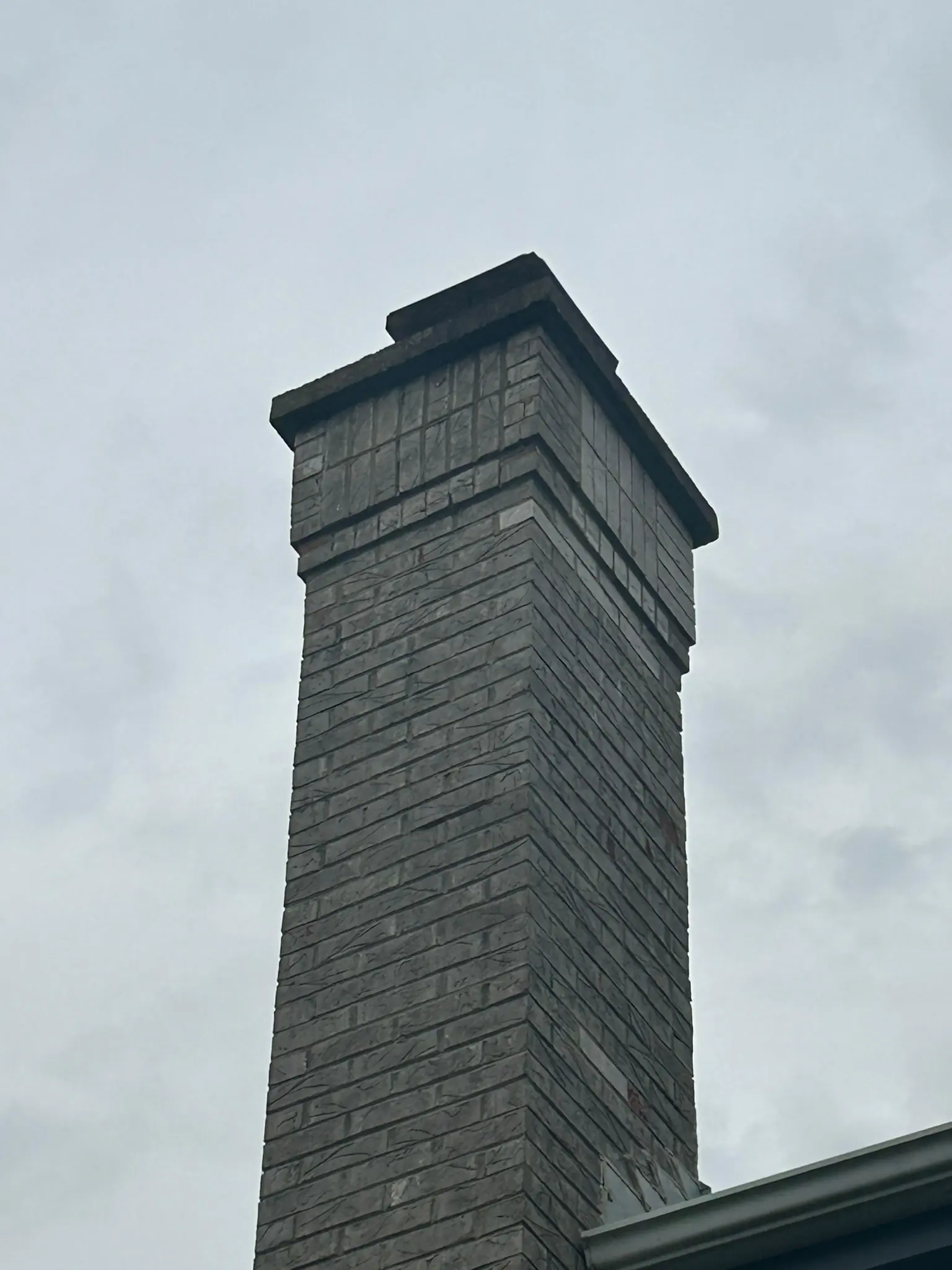
Brick foundations and concrete-block (CMU) foundations may both be masonry, but they fail in different ways and need different repairs. A brick foundation typically deteriorates at its mortar joints and through soft, spalling brick, so it's repaired by repointing, replacing brick, and parging. A concrete-block foundation tends to fail through diagonal step cracks, horizontal bowing from soil pressure, and water seeping through porous block — repaired by routing and sealing cracks, repointing, parging, and structural reinforcement when a wall is moving. At Emerald Masonry LLC, a family-owned contractor in Palos Heights, we repair both across the Chicago area — call us at (708) 288-1696 for a free estimate.
Knowing which type you have is the first step, because the wrong repair on the wrong foundation wastes money and often makes the problem worse.
The Two Foundation Types in Chicago-Area Homes
Walk through the south and southwest suburbs and you'll see two distinct eras of foundation construction below the visible brick of the house.
Older solid brick foundations. Many homes built before roughly the 1940s — common in older Chicago neighborhoods and established suburbs — sit on foundation walls made of multiple wythes (layers) of solid clay brick laid with lime-based mortar. These foundations are massive and, when maintained, remarkably long-lived. Their performance depends almost entirely on the health of the mortar joints and the condition of the brick itself.
Mid-century concrete masonry unit (CMU) foundations. The post-war housing boom that built out Oak Lawn, Tinley Park, Orland Park, and much of Palos Heights leaned heavily on concrete block. CMU foundations went up faster and cheaper than solid brick, using large hollow-core blocks stacked and mortared into a wall. The block is strong in compression but, because it's hollow and more porous than fired brick, it behaves very differently when soil and water push against it.
The same Chicago freeze-thaw climate punishes both — but it exploits different weaknesses in each.
How Brick Foundations Fail (and How They're Repaired)
A solid brick foundation rarely fails all at once. It erodes.
Eroded lime mortar joints. The original mortar on a pre-war brick foundation is lime-rich and intentionally softer than the brick. Over decades, weather, ground moisture, and freeze-thaw cycling wash and crumble it out of the joints. Once joints open up, water gets behind the face and the deterioration accelerates.
Soft and spalling brick. Older brick — especially the softer, lower-fired "common" brick often used below grade — absorbs water. When that water freezes inside the brick, it expands and pops the face off (spalling). You'll see flaking, crumbling, and brick that turns to powder when you scrape it.
Water through the joints. Because brick assemblies manage water primarily at the mortar joint, failed joints are the leading path for basement moisture in a brick foundation.
How we repair it:
- Tuckpointing and repointing — grinding out the failed mortar and refilling the joints with a properly matched mix. This is the backbone of brick foundation repair.
- Brick repair and replacement — cutting out spalled or crumbling brick and replacing it with sound units that match in size and density.
- Parging — applying a cementitious coat over the foundation face to shed water and protect the masonry, common on the exposed portion of an older foundation.
The critical detail on old brick is mortar matching. Lime-based historic brick needs a softer mortar (often Type O or natural hydraulic lime), not a hard modern Portland mix — more on why that matters below.
How Block (CMU) Foundations Fail (and How They're Repaired)
Concrete-block foundations fail along the lines of stress, and the crack pattern tells you a lot.
Diagonal step cracks. A crack that climbs the wall following the mortar joints in a stair-step pattern is the signature CMU failure. It usually points to differential settlement or soil movement and is the most common foundation crack we're called to assess.
Horizontal cracks and bowing. This is the serious one. When saturated or expansive soil presses laterally against a block wall, the wall can crack horizontally — often around mid-height — and begin to bow inward. A bowing block wall is a structural problem, not a cosmetic one, and it does not stop on its own. (Brick veneer above the foundation can show related distress; we cover that in why brick walls bow and bulge.)
Porous block and hollow-core water issues. CMU is more absorbent than fired brick, and the hollow cores can fill with water. The result is damp, efflorescence-streaked basement walls and seepage even without a dramatic crack.
How we repair it:
- Routing and sealing cracks — opening non-structural cracks into a clean channel and filling them with the appropriate sealant or mortar to stop water and stabilize the joint.
- Repointing — restoring the mortar joints between blocks where they've deteriorated.
- Parging — coating the block face to manage moisture across a porous wall.
- Structural evaluation and reinforcement — when a wall is bowing or cracking horizontally, the repair isn't cosmetic. It calls for a proper assessment and an engineered solution before any patching.
If you've spotted a stair-step crack or a damp block wall and aren't sure how serious it is, that's exactly the kind of thing we'll look at and explain in plain terms during a free estimate — foundation masonry repair starts with an honest diagnosis, not a sales pitch. Call (708) 288-1696.
When a Crack Is Cosmetic vs. Structural
Not every crack means trouble, but some absolutely do. As a general guide:
- Likely cosmetic: thin vertical hairline cracks from minor settling or shrinkage, isolated and not growing.
- Worth watching: small step cracks that aren't widening and aren't letting water in.
- Call a professional: diagonal step cracks that are opening up, any horizontal crack, walls that bow or lean, cracks wider than about a quarter inch, or cracks paired with sticking doors and windows.
The honest answer is that you can't always tell from the surface. A hairline that's stable is one thing; a hairline that's a symptom of a moving wall is another. When water and Chicago freeze-thaw get into any crack, a minor issue becomes a major one over a few winters.
Why Mortar Matching and Breathable Repair Matter Here
Chicago's freeze-thaw climate is unforgiving on foundations, and it's the reason repair quality matters so much more here than in milder regions. Every cycle of water entering masonry, freezing, and expanding pries at whatever is weakest.
This is why mortar matching isn't optional. On an old brick foundation, using a hard Portland mortar against soft historic brick concentrates freeze-thaw stress on the brick face and pops it off — the repair destroys the thing it was meant to protect. The new mortar has to match the strength and breathability of the original.
Breathability is the other half. Masonry foundations need to release the moisture they absorb. A sealing coat or repair that traps water inside the wall sets up exactly the freeze-thaw damage you were trying to prevent. Done right, repairs let the wall dry out; done wrong, they bake the problem in.
How a Masonry Contractor Approaches Each
When we evaluate a foundation, we first confirm what we're working with — solid brick or CMU block — because that drives everything. On brick, the focus is joint condition, brick soundness, mortar matching, and water management. On block, the focus is the crack pattern, signs of movement or bowing, and moisture behavior through the porous units.
Then we match the repair to the failure: repointing and brick replacement for deteriorated brick, crack sealing and parging for block, and a structural path when a wall is actually moving. We don't apply a one-size-fits-all patch, because the two materials don't respond to it the same way.
Emerald Masonry LLC is family-owned, led by career masons with decades of hands-on masonry experience, fully licensed, bonded, and insured. We work throughout Chicagoland — Palos Heights, Oak Lawn, Tinley Park, Orland Park, and the surrounding suburbs — and we'll tell you honestly whether your foundation needs a real repair or just a little maintenance.
Frequently Asked Questions
Is a brick foundation or a block foundation better?
Neither is universally better — both are durable when built and maintained correctly. Solid brick foundations are common on older Chicago homes and rely on healthy mortar joints, while concrete block (CMU) foundations are faster to build and stronger in compression but more vulnerable to lateral soil pressure. The right one depends on the era and design of the house.
How do I know if my foundation crack is serious?
Thin, vertical hairline cracks are usually cosmetic shrinkage or settling. Diagonal step cracks that follow the mortar joints, horizontal cracks, or any wall that bows, leans, or has widened gaps signal structural stress and need a professional evaluation. When in doubt, get it looked at before water and freeze-thaw make it worse.
Can a masonry contractor repair both brick and block foundations?
Yes. Emerald Masonry LLC repairs both solid brick and concrete-block (CMU) foundations across Chicagoland, including repointing, brick replacement, crack sealing, parging, and rebuilding failed sections. We assess which material you have and match the repair and mortar to it. Call (708) 288-1696 for a free estimate.
Get a Straight Answer on Your Foundation
Whether your home sits on an old solid-brick foundation or a mid-century concrete-block wall, the fix depends on knowing exactly how it's failing — and matching the repair to it. Emerald Masonry LLC has handled both for decades across the south and southwest suburbs.
Call (708) 288-1696 or email emeraldmasonryil@gmail.com for a free estimate. Emerald Masonry LLC · 7156 W. 126th St. Suite 136, Palos Heights, IL 60464 · https://emeraldmasonryil.com
Frequently Asked Questions
Is a brick foundation or a block foundation better?
Neither is universally better — both are durable when built and maintained correctly. Solid brick foundations are common on older Chicago homes and rely on healthy mortar joints, while concrete block (CMU) foundations are faster to build and stronger in compression but more vulnerable to lateral soil pressure. The right one depends on the era and design of the house.
How do I know if my foundation crack is serious?
Thin, vertical hairline cracks are usually cosmetic shrinkage or settling. Diagonal step cracks that follow the mortar joints, horizontal cracks, or any wall that bows, leans, or has widened gaps signal structural stress and need a professional evaluation. When in doubt, get it looked at before water and freeze-thaw make it worse.
Can a masonry contractor repair both brick and block foundations?
Yes. Emerald Masonry LLC repairs both solid brick and concrete-block (CMU) foundations across Chicagoland, including repointing, brick replacement, crack sealing, parging, and rebuilding failed sections. We assess which material you have and match the repair and mortar to it. Call (708) 288-1696 for a free estimate.