
Tuckpointing & Repointing · Chicagoland, IL
How Much Does Tuckpointing Cost in Illinois? A Straight Answer on the Factors That Set the Price
There's no flat per-foot number that honestly answers what tuckpointing costs in Illinois — the price is driven by linear footage, access, scope, mortar matching, and the condition of your brick. Here's how each factor moves the number, and how to read an estimate so you know exactly what you're paying for.
2026-06-18
Quick Answer
Tuckpointing cost in Illinois depends on linear footage of joints, access and height, whether the job is spot repointing or a full elevation, mortar matching, and brick condition — not a single flat rate. Emerald Masonry LLC gives free on-site estimates with a $5,000 minimum; call (708) 288-1696 for a quote based on your actual wall.
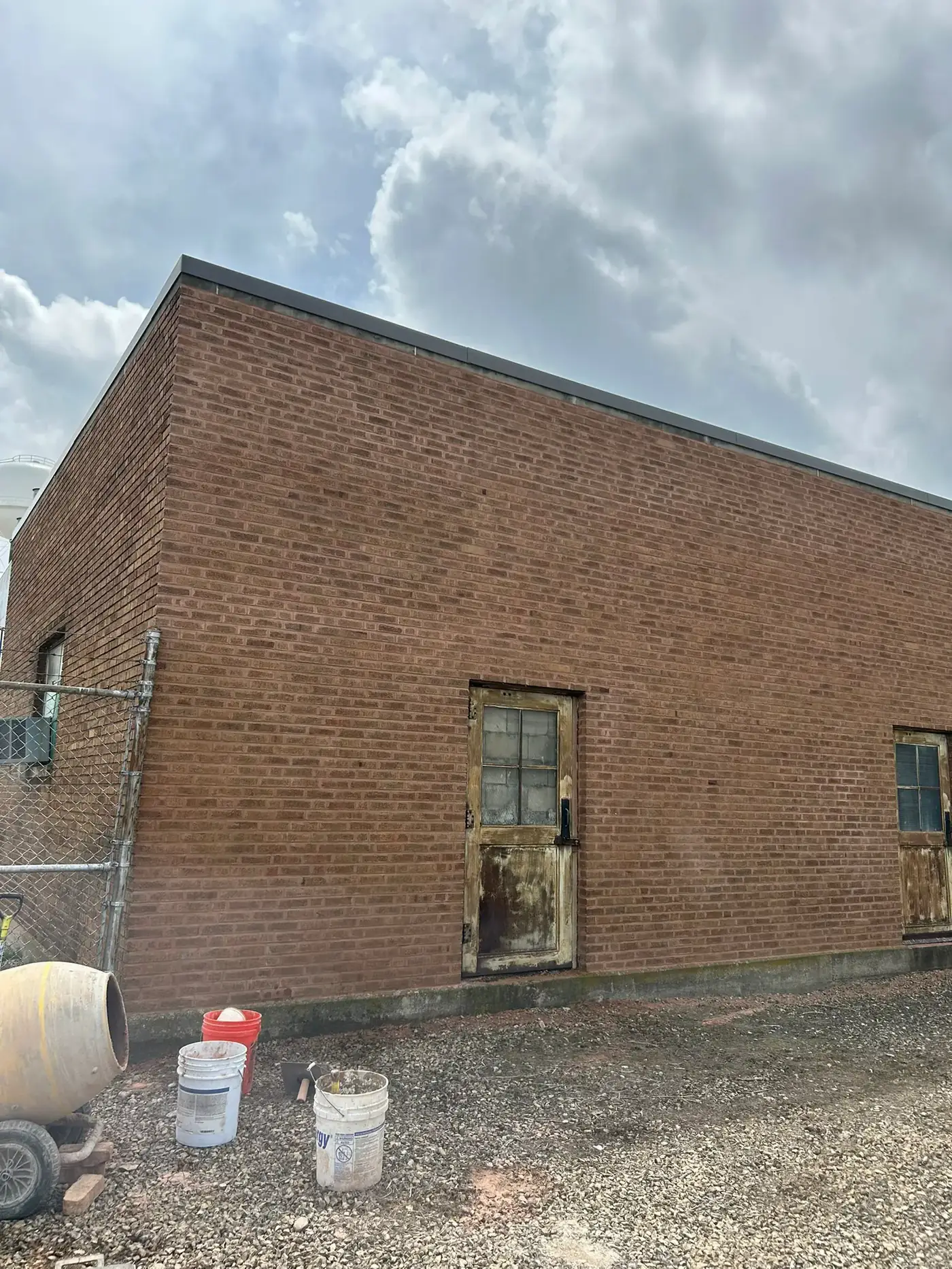
If you are trying to figure out what tuckpointing will cost on an Illinois building, the honest answer is that there is no single per-foot price that means anything until someone has looked at your wall. The cost is set by five things: how much joint actually needs repointing (linear footage), how hard the work is to reach (access and height), whether you are doing spot repairs or a full elevation, how much care goes into matching the mortar, and the condition of the brick itself. Get clear on those five factors and the wide range of numbers you have heard online suddenly makes sense.
This post walks through each cost driver in plain terms, explains why two contractors can quote the same building very differently, and shows you how to read an estimate so the price tells you what you are buying.
Why "Per Square Foot" Is the Wrong Question
Most online figures express tuckpointing as a price per square foot of wall. That is convenient for an article and almost useless for a real quote, because you are not paying to look at brick — you are paying to grind out failed mortar and pack new mortar into the joints. Two walls of identical square footage can need wildly different amounts of work depending on how much of the joint has actually failed.
A wall where only the south elevation and the area under a bad downspout need attention is a fraction of the labor of a wall where every joint on every face is shot. So when you see a per-foot range, treat it as a rough sanity check, not a quote.
The Five Factors That Actually Set the Price
1. Linear footage of joint to be repointed
This is the real unit of the work. A mason has to grind each failed joint to depth, clean it, and tuck fresh mortar in by hand. More linear feet of failing joint means more labor and more material, full stop. This is also why an accurate estimate starts with someone counting the elevations and the extent of failure, not eyeballing it from the truck.
2. Access and height
Reaching the work is sometimes a bigger cost than the work itself. A one-story garage you can repoint from the ground is cheap to access. A three-story Chicago greystone or a parapet on a commercial building on Cermak may need scaffolding, a boom lift, or swing staging — plus the permits, setup time, and safety measures that go with it. Height and access can move a quote substantially even when the actual square footage is modest.
3. Spot repointing vs. full tuckpointing
Spot (or selective) repointing addresses only the joints that have failed. Full tuckpointing renews an entire wall or elevation, sound joints and bad ones alike. Spot work costs less up front when failure is genuinely localized; full work costs more but is the better value when most of the wall is tired and you would otherwise be back next year. The scope you are quoted is one of the biggest reasons two estimates differ — which is exactly why it is worth understanding when patching saves money and when it wastes it before you compare bids.
4. Mortar matching — color and hardness
On an older Chicagoland building, mortar matching is not cosmetic fussiness; it affects both appearance and longevity. Matching the color (driven mostly by the sand and any pigment) keeps the repair from reading as a gray scar across warm old brick. Matching the hardness matters even more: mortar that is harder than the brick will not flex, and the brick spalls instead. Custom-matching the mix takes time and skill, and a quote that includes it honestly will cost a bit more than one that uses bagged gray mortar straight off the shelf.
5. Brick condition
Tuckpointing assumes the brick around the joints is sound. If the estimator finds spalled, cracked, or deteriorated brick, those units need to be cut out and replaced before or during the repointing. The more brick that needs swapping, the higher the price — but skipping it just means repointing around brick that is about to fail.
How to Read a Tuckpointing Estimate
A good estimate makes the five factors above visible. Look for:
- Scope by elevation. It should say which walls or sections are being repointed, not just "tuckpointing — $X."
- Spot vs. full stated plainly. You should know whether you are paying for the whole wall or selected joints.
- Access method. Ground work, scaffold, or lift should be named, since it is a real cost line.
- Mortar approach. Look for language about matching color and hardness to the existing wall.
- Brick replacement, if any. Damaged units should be called out, not buried.
When you compare two bids, confirm they describe the same scope before you look at the bottom line. A lower number is frequently a smaller scope — fewer elevations, spot instead of full, bagged mortar instead of matched — not a better price for the same work.
Why Emerald Quotes On-Site, Not Over the Phone
Emerald Masonry LLC gives free on-site estimates because the only way to price tuckpointing accurately is to read the actual wall — how much joint has failed, how it has to be reached, and what shape the brick is in. With 40-plus years across Chicagoland, our crews can tell quickly whether your building is a candidate for targeted spot repointing or a full elevation, and we will write the scope so you can see what drives the number. We are family-owned, non-union, licensed, bonded, and insured, with a $5,000 project minimum.
FAQ
Is there a standard per-square-foot price for tuckpointing in Illinois?
No honest contractor can quote a real per-foot rate sight unseen because the price depends on how much joint actually needs work, the height and access, and the brick's condition. Per-foot figures online are averages, not quotes. The only accurate number comes from an on-site look at your wall.
Why do tuckpointing quotes vary so much between contractors?
Quotes vary because contractors scope differently — one may price spot repointing while another prices a full elevation, and access methods and mortar matching differ in cost. Always confirm each bid covers the same scope before comparing prices. A low number often means a smaller scope, not a better deal.
Does Emerald Masonry have a minimum for tuckpointing jobs?
Yes, Emerald Masonry LLC has a $5,000 project minimum. This keeps mobilization, setup, and quality control worthwhile on every job. Estimates are free and done on-site.
What makes a tuckpointing estimate more expensive?
Higher elevations needing scaffolding or lifts, full-wall scope instead of spot repair, custom mortar color and hardness matching, and deteriorated brick that needs replacement all raise the price. Easy ground-level access and localized repairs keep it lower. The estimate should spell out which of these apply.
Get a Real Number for Your Building
The fastest way to stop guessing is to have someone read the wall. Schedule a free on-site tuckpointing estimate with Emerald Masonry or call (708) 288-1696 — we will walk your elevations, scope the work honestly, and give you a price tied to the factors above instead of a number off a chart.
Frequently Asked Questions
Is there a standard per-square-foot price for tuckpointing in Illinois?
No honest contractor can quote a real per-foot rate sight unseen because the price depends on how much joint actually needs work, the height and access, and the brick's condition. Per-foot figures online are averages, not quotes. The only accurate number comes from an on-site look at your wall.
Why do tuckpointing quotes vary so much between contractors?
Quotes vary because contractors scope differently — one may price spot repointing while another prices a full elevation, and access methods and mortar matching differ in cost. Always confirm each bid covers the same scope before comparing prices. A low number often means a smaller scope, not a better deal.
Does Emerald Masonry have a minimum for tuckpointing jobs?
Yes, Emerald Masonry LLC has a $5,000 project minimum. This keeps mobilization, setup, and quality control worthwhile on every job. Estimates are free and done on-site.
What makes a tuckpointing estimate more expensive?
Higher elevations needing scaffolding or lifts, full-wall scope instead of spot repair, custom mortar color and hardness matching, and deteriorated brick that needs replacement all raise the price. Easy ground-level access and localized repairs keep it lower. The estimate should spell out which of these apply.