
Brick Replacement
When a brick can't be saved, the right replacement disappears into the wall.
Overview
Brick replacement is what's needed when individual units have failed beyond repair — spalled faces, cracks through the body, hollow units, or bricks pushed out of plane. The work is part craft, part sourcing: the cut-out has to be clean so the surrounding brick isn't damaged, and the replacement has to match the original in size, color, and texture closely enough that the repair disappears.
We remove failed brick without disturbing sound neighbors, source the closest available match — including salvage for discontinued profiles — and set each unit in mortar matched to the existing joints. Where an exact match isn't on the market, we show you the closest options before we start.
Scope of Work
- Single-unit and section brick replacement
- Spalled and cracked brick removal
- Matching brick sourcing and salvage
- Re-anchoring with masonry ties where needed
- Mortar matching and joint tooling
- Replacement around lintels and openings
Quick Answer
Emerald Masonry LLC replaces failed, spalled, and cracked brick across Chicago and the suburbs, sourcing matching or salvaged units so the repair disappears into the wall. Family-owned, licensed and insured, led by career masons with decades of hands-on Chicagoland experience. Free on-site estimates — call (708) 288-1696.
Warning Signs
When to Call Us
01
Spalled or Flaking Faces
When the fired face of a brick has popped off, the porous interior is exposed and the unit absorbs water freely. Spalled brick can't be patched — it has to be cut out and replaced before adjacent units start to fail.
02
Cracks Through the Brick Body
A crack running through the brick itself (not just the joint) means the unit has lost integrity from stress, impact, or lintel movement. Cracked units are removed and replaced, not filled.
03
Hollow-Sounding or Loose Brick
Brick that sounds hollow when tapped, or that has shifted from its original plane, has separated from its mortar bed. These are replacement candidates and, near the top of a wall, a safety concern.
04
Mismatched Prior Repairs
Earlier replacements done with the wrong brick or mortar stand out and often perform poorly. We can re-do mismatched patches so the wall reads as one surface again.
Materials We Use
- Replacement brick matched to size, color, and texture
- Salvaged brick for discontinued or historic profiles
- Type N / Type S mortar matched to existing joints
- Stainless or hot-dipped masonry ties
What Affects the Price
- Number of units to replace
- Difficulty of sourcing a match
- Access and height of the work
- Whether the underlying cause also needs repair
Every building is different. We provide free on-site estimates so you get a real number for your property — call (708) 288-1696.
Making the Right Call
Brick replacement vs. tuckpointing
Tuckpointing renews the mortar; brick replacement renews the units themselves. If the brick faces are sound, you only need tuckpointing. If the brick is cracked or spalling, replacement is the only durable fix — and a wall often needs both.
Past Work
Project Gallery
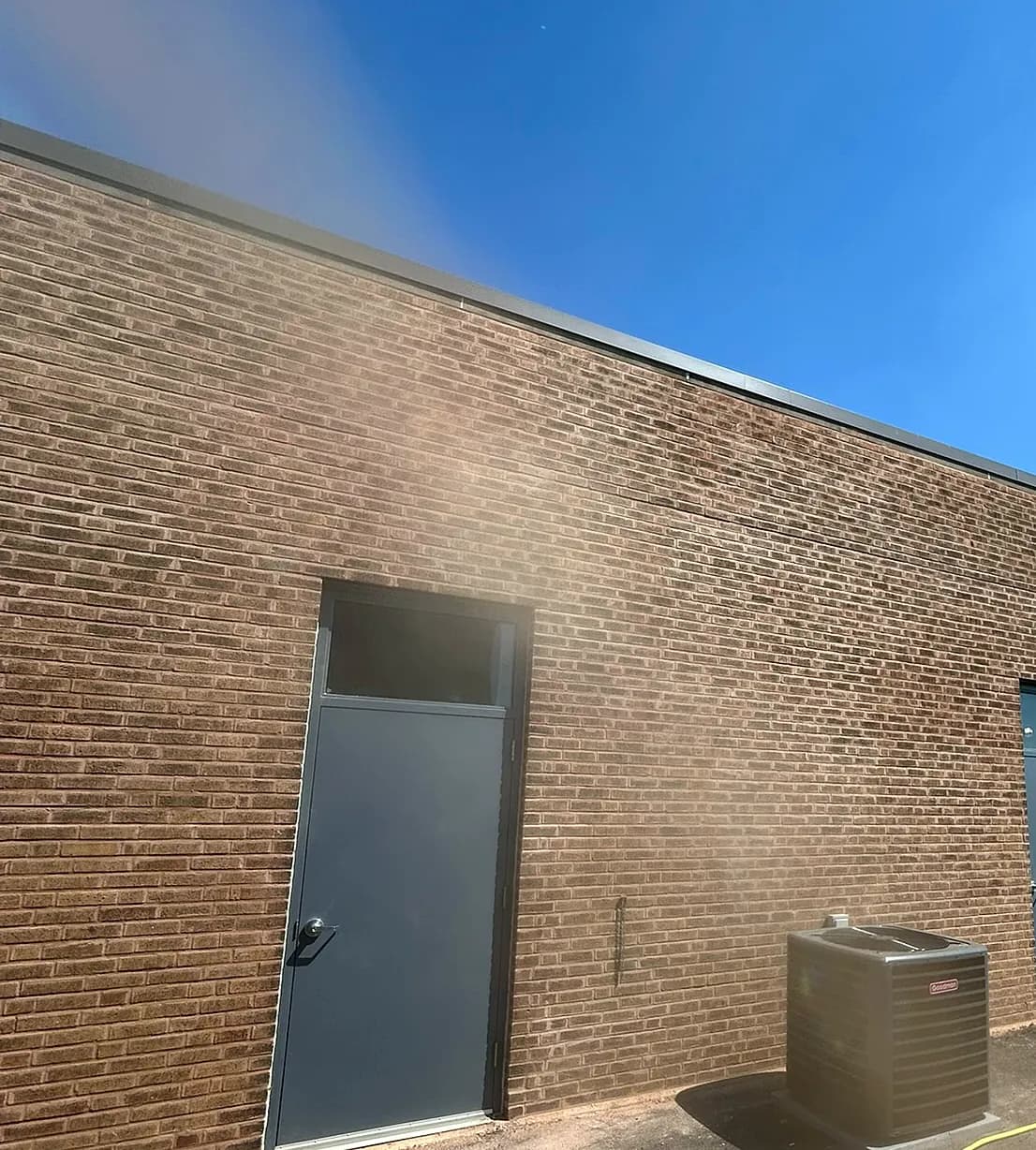
Failed units cut out and replaced on a commercial wall
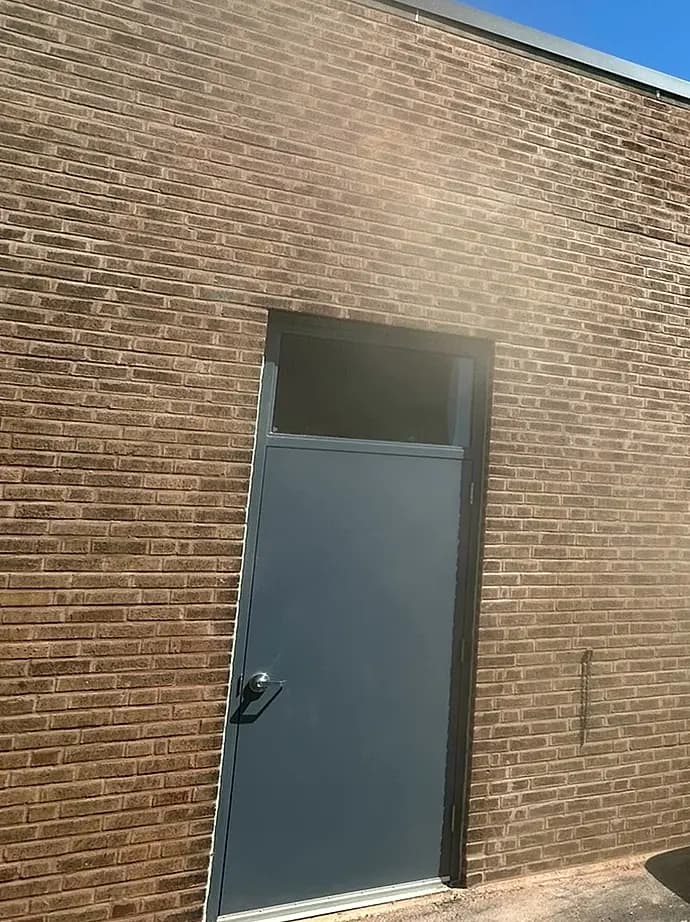
Replacement brick matched into the existing field
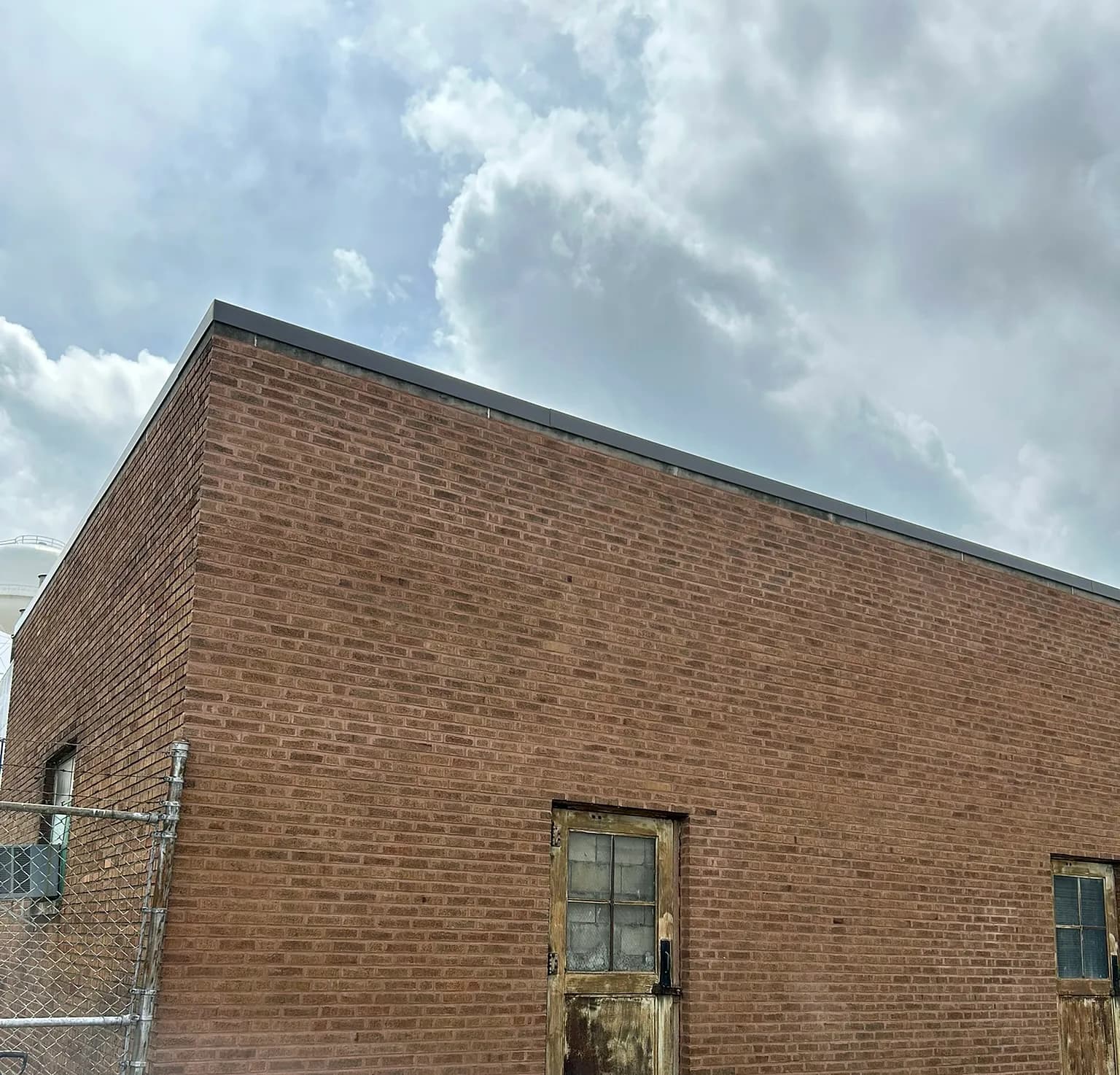
Corner rebuilt with matched brick and mortar
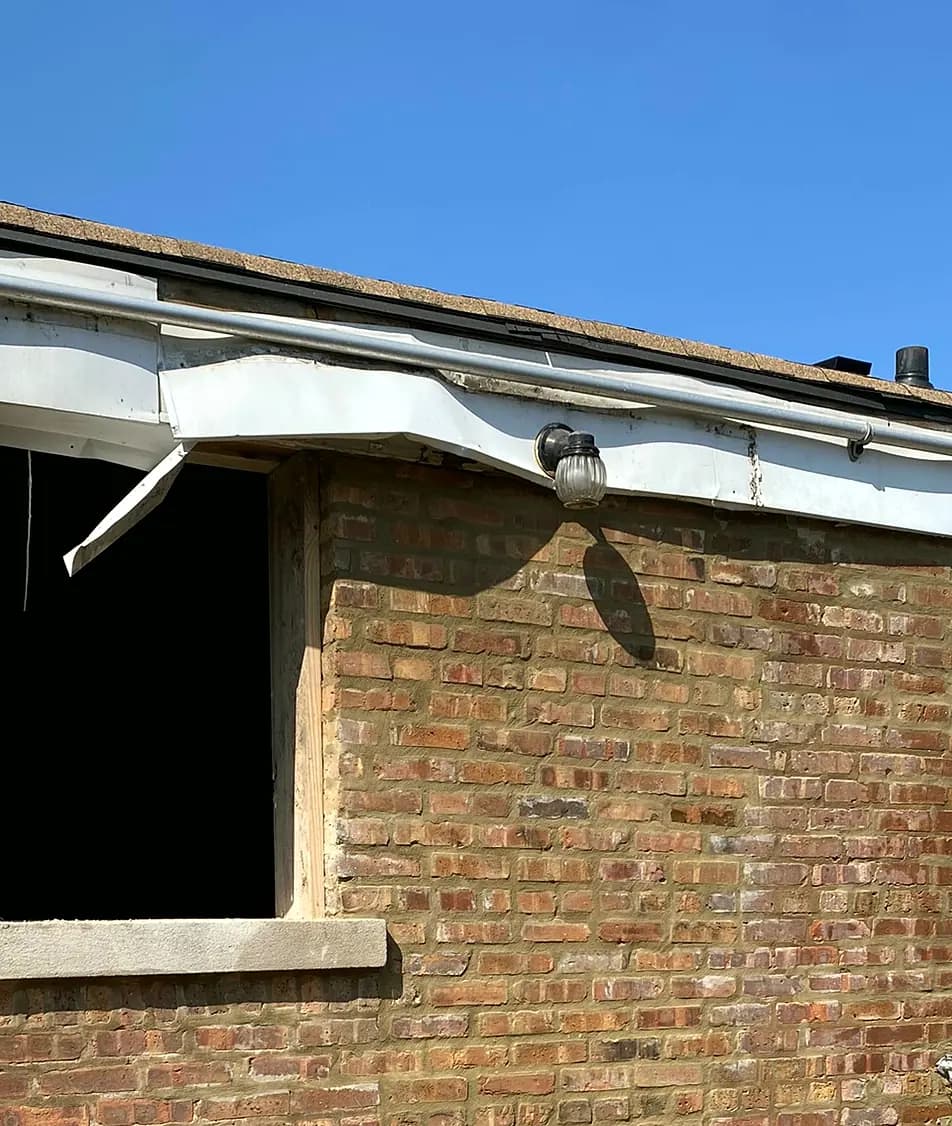
Brick reset above a repaired opening
FAQ
Common Questions
In most cases, yes — closely. We source from multiple suppliers and use salvaged brick for discontinued profiles. When an exact match isn't available, we show you the closest options before any work begins so there are no surprises.
If only the mortar joints are deteriorated and the brick faces are intact, tuckpointing is the right repair. If the brick itself is spalled, cracked, hollow, or displaced, those units need replacement. Many walls need both at once.
Done well, a replacement blends into the wall. The keys are matching the brick's size, color, and texture and matching the mortar color and joint profile. New brick may look slightly cleaner at first and weathers in over time.
Freeze-thaw is the main driver. Water enters a brick — usually through failed joints — then freezes and expands, breaking the face away. North-facing walls, parapets, and chimneys are the most exposed and tend to fail first.
Get Started
Request a Free Brick Replacement Estimate
Free on-site estimates for commercial and large-scale residential projects across Chicagoland. Upload diagnostic photos and we'll get back to you the same day.
Phone
(708) 288-1696Other Services
Service
Tuckpointing & Repointing
Stop water intrusion at the source — before it reaches the structure.
Service
Brick Repair & Replacement
Individual bricks fail. We replace them before the damage spreads.
Service
Chimney Repair & Rebuilds
The chimney is the most exposed masonry on the building. It shows first.
Service
Masonry Restoration
Large-scale deterioration requires a systematic approach — not a patch.
Service
Efflorescence Removal & Waterproofing
White stains are a symptom. Water in the wall is the problem.
Service
Commercial & Industrial Masonry
Commercial masonry requires a contractor who shows up, communicates, and delivers.
Service
Lintel Repair & Replacement
Rusting steel lifts the brick above it. Caught early, it's a contained repair.
Service
Parapet Wall Repair
Exposed on three sides with no roof above it, the parapet fails first.
Service
Foundation Masonry Repair
Where the building meets the ground, water and movement do the most damage.
Service
Limestone & Sill Repair
Stone sills shed water for the whole wall — until they crack and start holding it.
Service
Masonry Caulking & Joint Sealant
The right joint moves with the building. Mortar there just cracks.
Service
Masonry Sealing & Waterproofing
Keep liquid water out while letting the wall breathe — sequence and product matter.
Service
Commercial Masonry Restoration
Large footprints, occupied buildings, and boards that need documentation.
Service
Residential Masonry Restoration
When a home needs more than one repair, a coordinated plan beats years of patching.
Service
Historic Masonry Restoration
Old buildings need soft mortar and a light hand — modern materials damage them.