
Residential Masonry Restoration · Chicagoland, IL
What to Expect During a Residential Masonry Repair Project — From Estimate to Final Cleanup
If you've never hired a masonry contractor, the process can feel like a black box. Here's a step-by-step walkthrough of a residential masonry repair project — what happens at the estimate, how the work unfolds day to day, what the disruption is really like, and how a good contractor leaves your home.
2026-06-18
Quick Answer
A residential masonry repair project runs in clear stages: a free on-site estimate and written scope, scheduling and prep, mortar and brick matching, the actual repair (repointing, brick replacement, sealing), and a final cleanup and walkthrough. Knowing each step helps homeowners vet contractors and plan around the work. Emerald Masonry LLC offers free estimates — call (708) 288-1696.
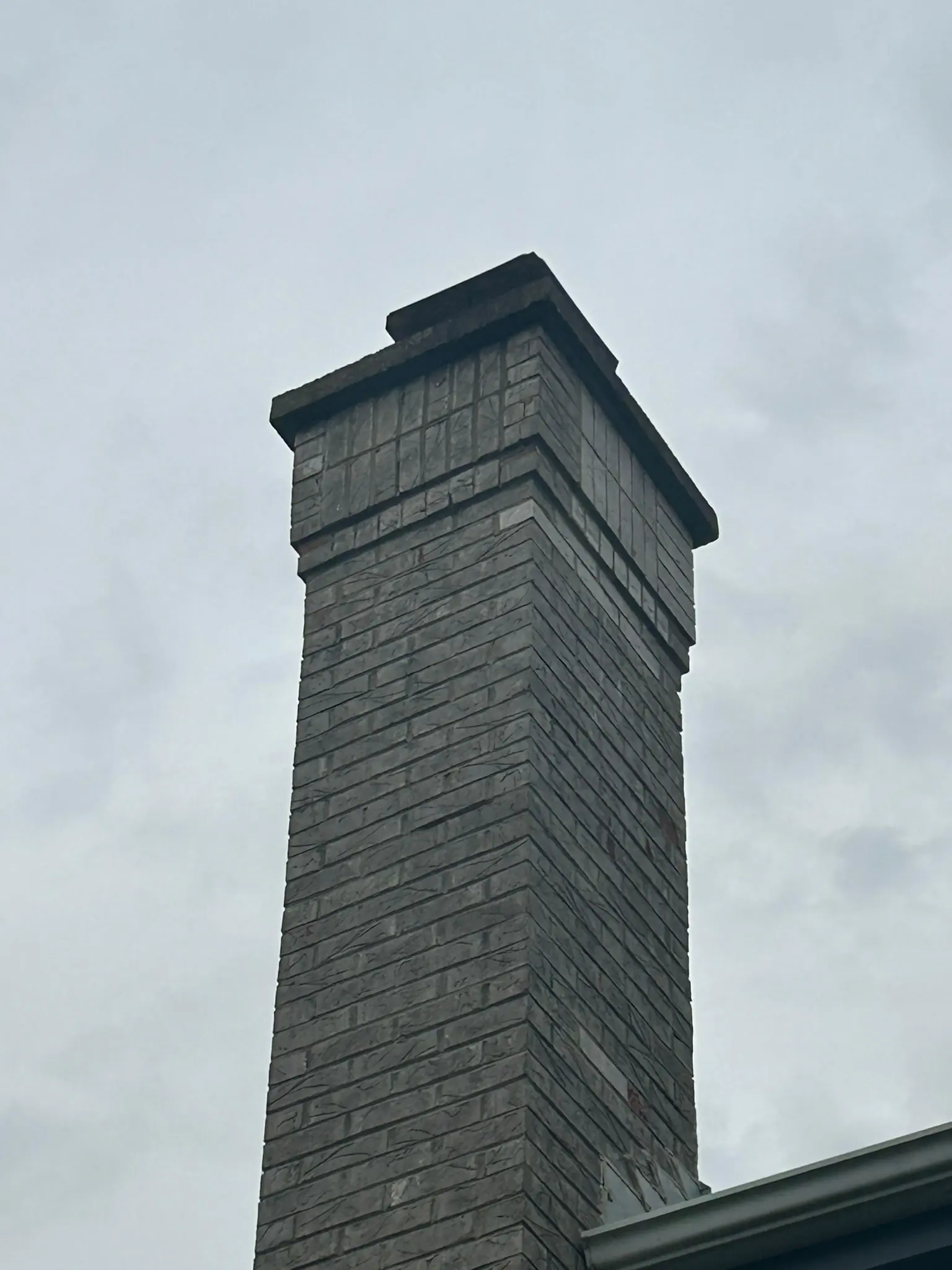
For most homeowners, hiring a masonry contractor is unfamiliar territory. You know your brick needs work, but you're not sure what actually happens once you say yes — how long it takes, how messy it gets, whether you need to be home, or how to tell if the finished job is any good. That uncertainty is where a lot of bad hiring decisions come from.
This is a step-by-step walkthrough of a normal residential masonry repair project, from the first phone call to the final walkthrough. Knowing what to expect does two things: it helps you plan around the work, and it gives you a yardstick for judging whether a contractor is doing things the right way.
Stage 1: The Estimate and Assessment
Everything starts with an on-site look. A masonry contractor cannot honestly quote a repair from a photo or a phone description — they need to see the brick, the joints, the elevations, and the conditions causing the problem.
During a good estimate visit, the contractor will:
- Walk the affected areas and often the whole exterior, since masonry problems are connected (a chimney issue and a wall issue may share a water source).
- Diagnose the cause, not just the symptom — failed joints, a rusting lintel, water intrusion, freeze-thaw spalling.
- Distinguish what's urgent from what can wait, and what's cosmetic from what's structural.
- Explain the recommended scope in terms you can understand.
You should come away with a written estimate that spells out exactly what will be repaired and where, the methods and materials, how mortar and brick will be matched, the price (or project minimum), and a realistic timeline. A reputable contractor's estimate is free and detailed. A one-line "tuckpointing — $X" quote tells you nothing and makes comparing bids impossible. (For more on this, our piece on how to read a masonry contractor's scope of work goes deeper.)
This is also the stage to confirm the basics: license, bonding, and insurance, and whether any permits are required for your scope.
Stage 2: Scheduling and Preparation
Once you approve the work, it gets scheduled — and with masonry, weather is part of the schedule. Mortar needs appropriate temperatures to cure properly (generally above freezing and ideally not in extreme heat), so reputable contractors won't promise a hard date in the dead of an Illinois winter for work that shouldn't be done then. A flexible, weather-aware timeline is a sign of someone who cares about the result, not someone stalling.
Before work starts, the crew will plan access — ladders, scaffolding, or a lift depending on height — and where they'll set up water and power. Good crews protect what's around the work area: plants, windows, walkways, and your landscaping. If scaffolding is going up or a lift is coming in, you'll know in advance.
Stage 3: Mortar and Brick Matching
This stage is mostly invisible to homeowners but it's where quality is won or lost. Before repointing or replacing anything, a careful contractor matches:
- Mortar color and sand to your existing joints
- Mortar hardness to the age of your masonry — critically important, because a too-hard modern mortar against softer older brick traps water and causes spalling
- Joint tooling profile so the finished joint looks like the original
- Replacement brick in size, color, and texture
Matching is the difference between a repair that disappears into the wall and one that looks like a gray scar forever. If a contractor never mentions matching, that's a warning sign.
Stage 4: The Repair Work
Now the actual masonry happens. The specifics depend on your scope, but common residential work unfolds like this:
- Repointing/tuckpointing: failed mortar is ground or cut out to proper depth (about twice the joint width), joints are cleaned, fresh matched mortar is packed in layers, and the joints are tooled to match. (Expect grinding noise and controlled dust during this phase.)
- Brick replacement: spalled or cracked bricks are removed cleanly and matched replacements are set with matching mortar.
- Root-cause repairs: a rusting lintel, failed sealant joints, or water-intrusion issues are addressed so the damage doesn't simply return.
- Sealing: where appropriate, clean, sound, dry masonry is sealed with a breathable product after repairs cure.
Most of this is exterior work, which means you can typically live in your home normally throughout. You'll notice activity on one side of the house at a time, some noise, and dust that should be controlled and cleaned. Interior disruption is uncommon unless you're having interior foundation work done.
Stage 5: Cleanup and Final Walkthrough
A masonry job isn't finished when the last joint is tooled — it's finished when the site is clean and you've seen the work. A good crew:
- Cleans up mortar debris, dust, and spent materials, and removes scaffolding/equipment
- Restores the area around the work, including protecting and re-setting anything that was moved
- Walks the finished job with you, explaining what was done and why
Use that walkthrough to check the quality. Joints should be fully packed and tooled consistently to match the surrounding work — not smeared, recessed, or gappy. Replacement brick should match. Mortar color should blend. The whole repair should read as intentional, like it was always part of the wall, not like a patch. Sound masonry work looks deliberate.
A Quick Vetting Checklist
Pulling it together, here's what separates a professional residential masonry project from a risky one:
- ✅ Free, on-site, detailed written estimate with scope, materials, and timeline
- ✅ Diagnosis of the cause, not just the symptom
- ✅ Explicit attention to mortar and brick matching (including hardness)
- ✅ Proof of license, bonding, and insurance
- ✅ Honest, weather-aware scheduling
- ✅ Clear handling of any required permits
- ✅ Cleanup and a walkthrough at the end
If a contractor checks those boxes, the project itself tends to go smoothly. If they skip them, the price might look good now and cost you later.
Bottom Line
A residential masonry repair isn't a mystery once you can see the stages: a thorough estimate, weather-aware scheduling, careful matching, the repair itself, and a clean finish with a walkthrough. Knowing the sequence lets you plan around the work — mostly exterior, mostly low-disruption — and gives you a real standard to hold your contractor to.
Emerald Masonry LLC is a family-owned, licensed and insured masonry contractor serving Chicago and the Chicagoland suburbs led by career masons with decades of hands-on experience in tuckpointing, chimney repair, brick repair and replacement, lintel and parapet repair, foundation and limestone/sill repair, caulking, power washing, sealing, and commercial, residential, and historic masonry restoration. Contact us for a free on-site estimate — or call (708) 288-1696.
Frequently Asked Questions
How long does a typical residential masonry repair take?
It depends entirely on scope. Spot repointing or a few replacement bricks may take a day or two; tuckpointing a full elevation can take several days; a chimney rebuild or larger restoration runs longer. Weather matters too, since masonry needs appropriate temperatures to cure. A good contractor gives you a realistic timeline in the written estimate.
How disruptive is masonry work to my daily life at home?
Most residential masonry is exterior work, so you can usually live in the home normally throughout. Expect some noise from grinding, scaffolding or ladders on one side of the house, and dust that's controlled and cleaned up. Crews work outside and access water and power as needed; interior disruption is rare unless the work is interior foundation repair.
What should be included in a masonry repair estimate?
A clear written scope of exactly what will be repaired and where, the methods and materials, mortar and brick matching, the project minimum or price, an estimated timeline, and proof of license and insurance. Vague one-line quotes make it impossible to compare bids or hold anyone to a standard. Insist on detail.
How do I know the masonry repair was done correctly?
Joints should be fully packed and tooled to match the surrounding work, replacement brick should match in color and texture, mortar color should blend rather than stand out, and the site should be clean. A reputable contractor walks the finished job with you, explains what was done, and stands behind it. Sound work looks intentional, not patched.
Frequently Asked Questions
How long does a typical residential masonry repair take?
It depends entirely on scope. Spot repointing or a few replacement bricks may take a day or two; tuckpointing a full elevation can take several days; a chimney rebuild or larger restoration runs longer. Weather matters too, since masonry needs appropriate temperatures to cure. A good contractor gives you a realistic timeline in the written estimate.
How disruptive is masonry work to my daily life at home?
Most residential masonry is exterior work, so you can usually live in the home normally throughout. Expect some noise from grinding, scaffolding or ladders on one side of the house, and dust that's controlled and cleaned up. Crews work outside and access water and power as needed; interior disruption is rare unless the work is interior foundation repair.
What should be included in a masonry repair estimate?
A clear written scope of exactly what will be repaired and where, the methods and materials, mortar and brick matching, the project minimum or price, an estimated timeline, and proof of license and insurance. Vague one-line quotes make it impossible to compare bids or hold anyone to a standard. Insist on detail.
How do I know the masonry repair was done correctly?
Joints should be fully packed and tooled to match the surrounding work, replacement brick should match in color and texture, mortar color should blend rather than stand out, and the site should be clean. A reputable contractor walks the finished job with you, explains what was done, and stands behind it. Sound work looks intentional, not patched.