
Masonry Caulking & Joint Sealant
The right joint moves with the building. Mortar there just cracks.
Overview
Not every joint in a masonry wall should be filled with mortar. Expansion and control joints, the gaps around windows and doors, and the transitions between dissimilar materials are designed to move — and they need a flexible sealant, not rigid mortar that cracks the first season. Failed, hardened, or missing sealant is a major and often-overlooked water entry point.
We remove failed sealant, properly prepare and back the joints, and install the correct flexible sealant for each location. Done right, caulking is a precise weatherproofing detail that protects the wall where rigid mortar can't.
Scope of Work
- Expansion and control joint sealant
- Window and door perimeter caulking
- Sealant removal and replacement
- Dissimilar-material transition joints
- Backer rod installation and joint prep
- Commercial facade joint sealing
Quick Answer
Emerald Masonry LLC replaces failed expansion-joint and window-perimeter sealant across Chicagoland, sealing the moving joints where rigid mortar can't go. Family-owned, licensed and insured, led by career masons with decades of hands-on Chicagoland experience. Free on-site estimates — call (708) 288-1696.
Warning Signs
When to Call Us
01
Cracked or Hardened Sealant
Old sealant that has hardened, cracked, or pulled away from the joint no longer keeps water out. Sealant has a service life and becomes brittle with UV and age.
02
Mortar in a Moving Joint
When an expansion or control joint was filled with rigid mortar, it cracks repeatedly because the joint is designed to move. These need to be cut out and sealed with flexible material instead.
03
Gaps Around Windows and Doors
Open or failed perimeter joints around openings are a direct water path into the wall and the interior. They're among the most common sources of window leaks.
04
Water Entry With Sound Mortar
When the brick and mortar look fine but water is still getting in, failed sealant at joints and transitions is often the culprit.
Materials We Use
- Polyurethane and silicone sealants rated for masonry
- Closed-cell backer rod for correct joint depth
- Color-matched sealant to brick or trim
- Primers for reliable adhesion
What Affects the Price
- Linear footage of joints
- Removal of old sealant and joint prep
- Joint type and sealant grade
- Access and building height
Every building is different. We provide free on-site estimates so you get a real number for your property — call (708) 288-1696.
Making the Right Call
Caulking vs. tuckpointing
Mortar belongs in standard, static brick joints; flexible sealant belongs in joints designed to move. Caulking a mortar joint or mortaring an expansion joint both fail fast — matching the material to the joint is the whole job.
Past Work
Project Gallery
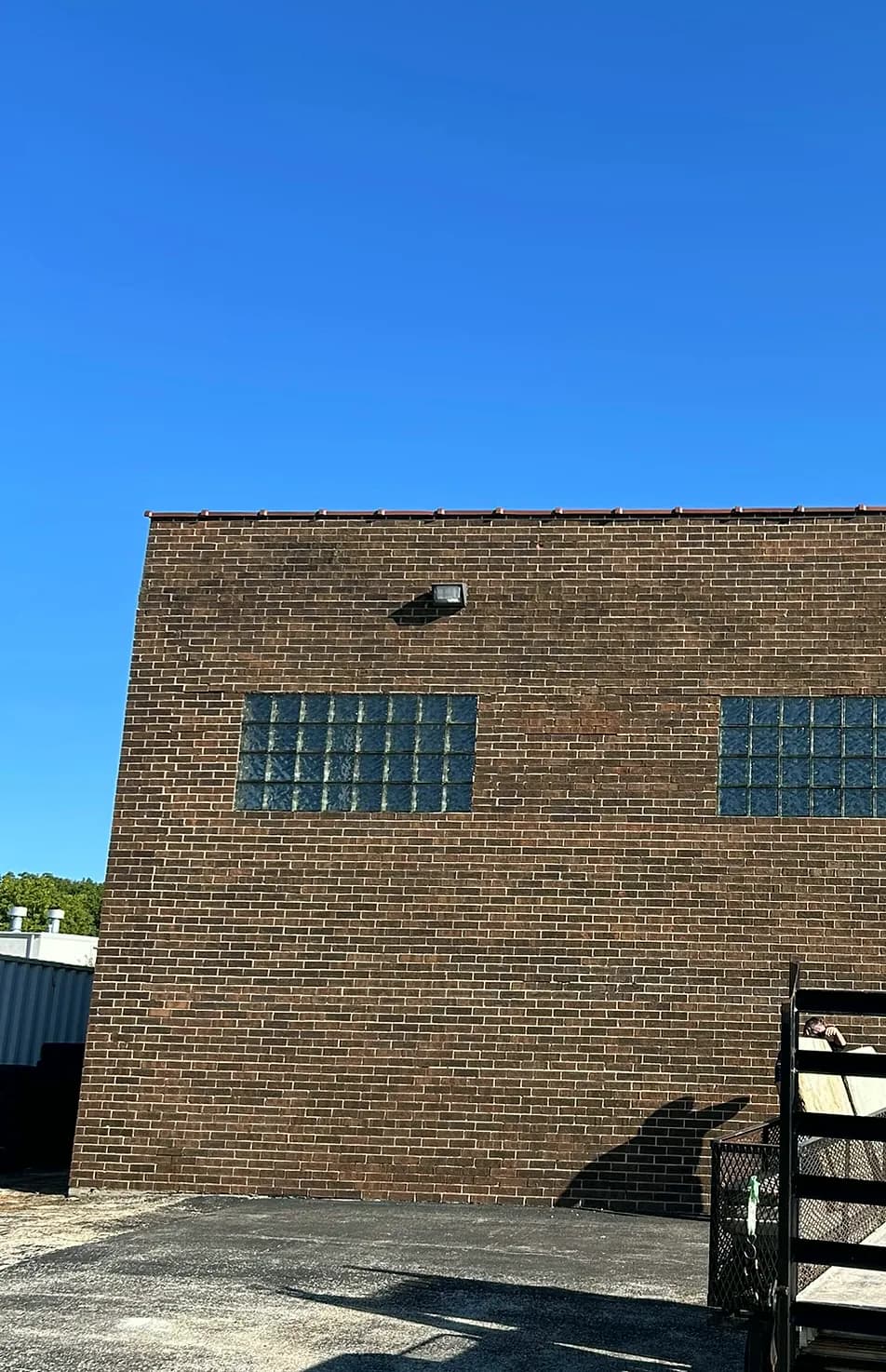
Perimeter sealant at window and glass-block openings
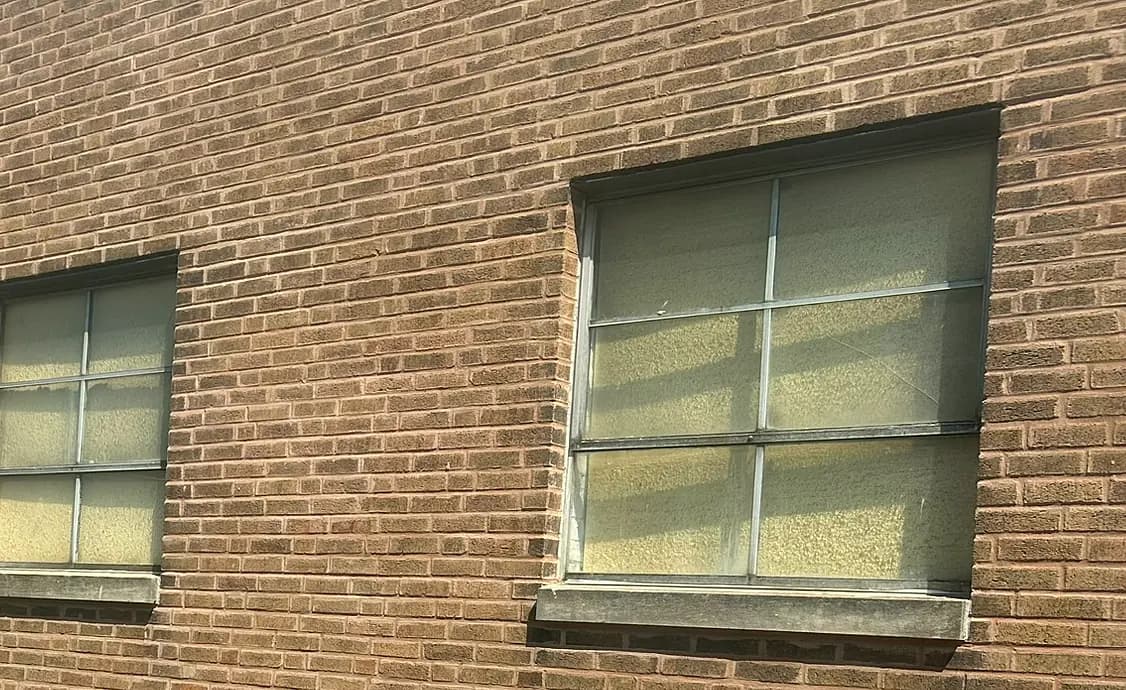
Window-perimeter joints sealed after masonry repair
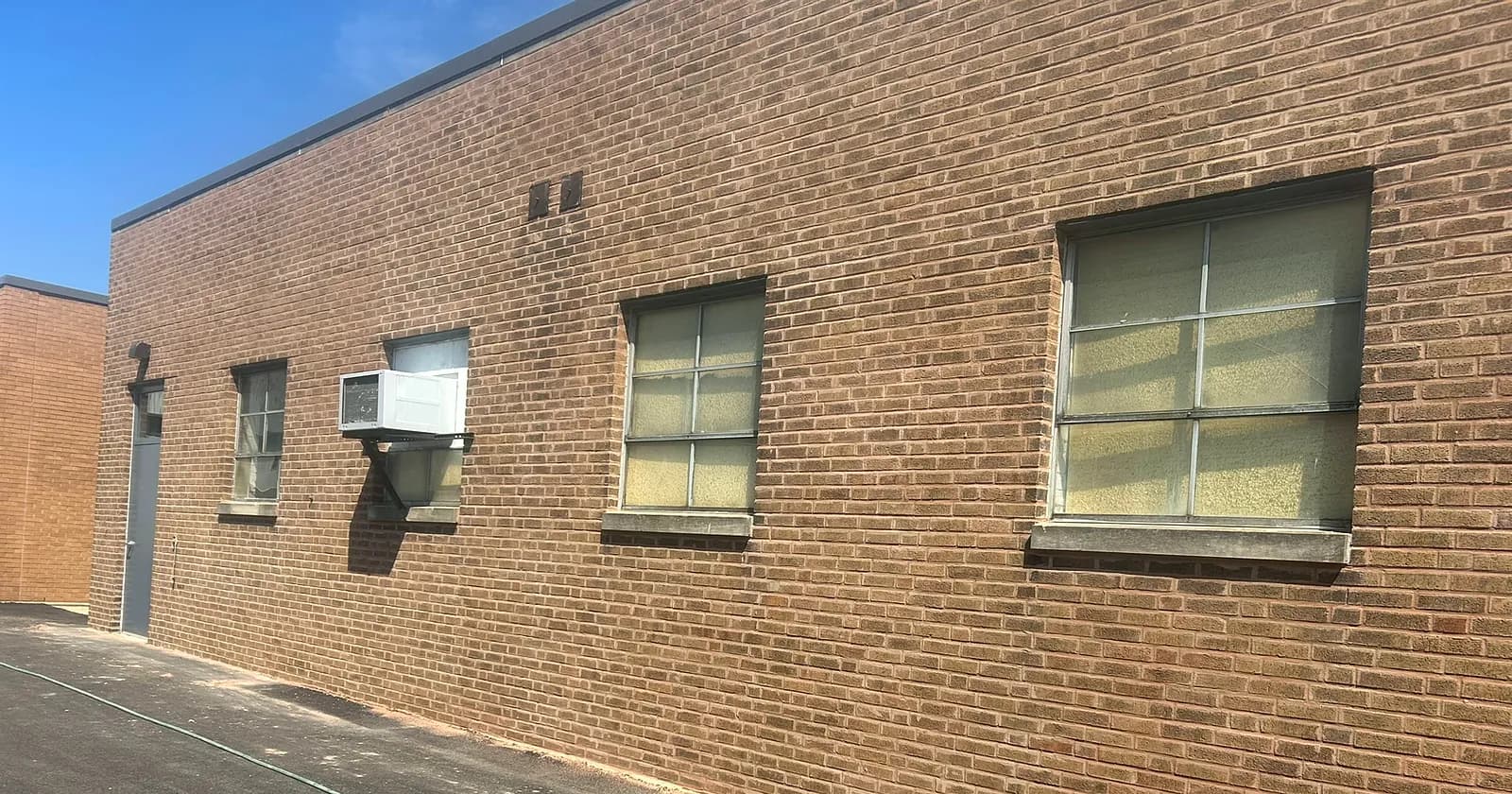
Expansion and control joints on a commercial elevation
FAQ
Common Questions
Tuckpointing replaces the rigid mortar in standard brick joints. Caulking installs flexible sealant in joints that are meant to move — expansion and control joints, and the perimeters around windows and doors. Using the wrong one in either place leads to cracking and leaks.
Quality sealant typically lasts around 10–20 years depending on the product, joint movement, and sun exposure. South- and west-facing joints and high-movement joints wear out sooner and should be checked periodically.
Failed perimeter sealant around the window is a common cause. The brick and mortar can be sound while the flexible joint that seals the window to the masonry has hardened and cracked, letting water straight in.
Yes. Sealant comes in a wide range of colors and we match it to the masonry or the trim so the joint reads cleanly rather than standing out.
Get Started
Request a Free Masonry Caulking & Joint Sealant Estimate
Free on-site estimates for commercial and large-scale residential projects across Chicagoland. Upload diagnostic photos and we'll get back to you the same day.
Phone
(708) 288-1696Other Services
Service
Tuckpointing & Repointing
Stop water intrusion at the source — before it reaches the structure.
Service
Brick Repair & Replacement
Individual bricks fail. We replace them before the damage spreads.
Service
Chimney Repair & Rebuilds
The chimney is the most exposed masonry on the building. It shows first.
Service
Masonry Restoration
Large-scale deterioration requires a systematic approach — not a patch.
Service
Efflorescence Removal & Waterproofing
White stains are a symptom. Water in the wall is the problem.
Service
Commercial & Industrial Masonry
Commercial masonry requires a contractor who shows up, communicates, and delivers.
Service
Brick Replacement
When a brick can't be saved, the right replacement disappears into the wall.
Service
Lintel Repair & Replacement
Rusting steel lifts the brick above it. Caught early, it's a contained repair.
Service
Parapet Wall Repair
Exposed on three sides with no roof above it, the parapet fails first.
Service
Foundation Masonry Repair
Where the building meets the ground, water and movement do the most damage.
Service
Limestone & Sill Repair
Stone sills shed water for the whole wall — until they crack and start holding it.
Service
Masonry Sealing & Waterproofing
Keep liquid water out while letting the wall breathe — sequence and product matter.
Service
Commercial Masonry Restoration
Large footprints, occupied buildings, and boards that need documentation.
Service
Residential Masonry Restoration
When a home needs more than one repair, a coordinated plan beats years of patching.
Service
Historic Masonry Restoration
Old buildings need soft mortar and a light hand — modern materials damage them.