
Efflorescence & Waterproofing · Lockport, IL
Efflorescence & Masonry Waterproofing in Lockport, IL — Stopping Water Before It Wrecks Your Brick
That white, chalky bloom on your brick is not just ugly — it's proof water is moving through the wall. Here's what efflorescence really tells you, why surface cleaning never fixes it, and how proper waterproofing in Lockport's climate actually works.
Quick Answer
That white, chalky bloom on your brick is not just ugly — it's proof water is moving through the wall. Here's what efflorescence really tells you, why surface cleaning never fixes it, and how proper waterproofing in Lockport's climate actually works.
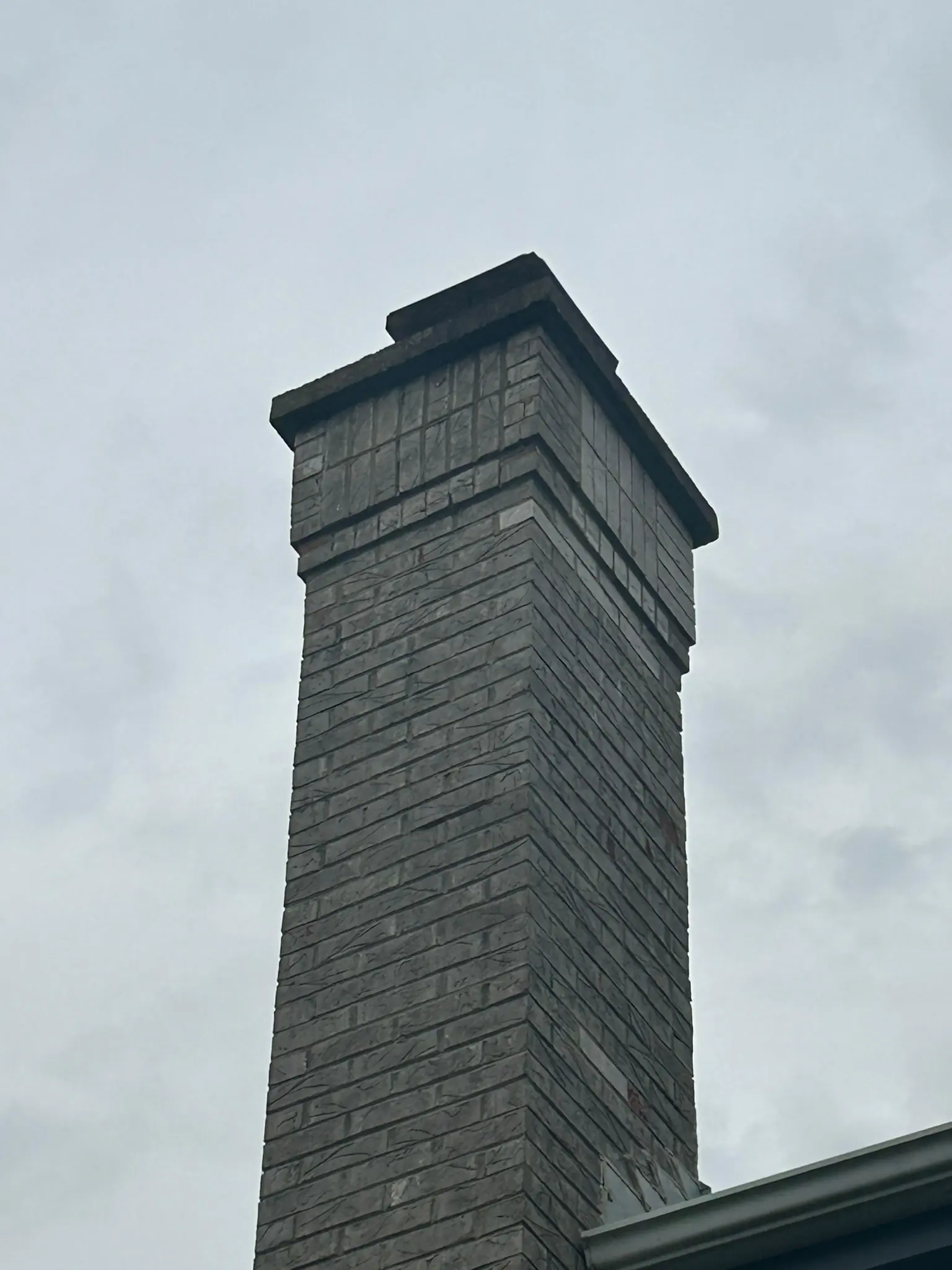
If you have a white, chalky, powdery film spreading across your brick or stone, you have efflorescence. Most people treat it as a cosmetic nuisance and scrub it off. But efflorescence is not really the problem — it is a symptom. It is physical proof that water is moving through your masonry, and unless you address that water, it comes back every time.
Emerald Masonry diagnoses and solves moisture problems in brick and stone buildings throughout Lockport and Will County. This page explains what efflorescence is actually telling you, why surface cleaning never lasts, and what real masonry waterproofing involves in our climate.
What Efflorescence Actually Is
Brick, mortar, stone, and concrete all contain naturally occurring soluble salts. On their own, those salts sit harmlessly inside the masonry. The trouble starts when water gets into the wall. Water dissolves the salts, carries them to the surface, and then evaporates — leaving the salt behind as that telltale white crust.
So every patch of efflorescence is a map of where water is entering and moving through your wall. The bloom itself wipes off. The water pathway that created it does not, which is exactly why scrubbing it away is a temporary fix at best.
Why It Matters in Lockport
Lockport sits along the historic I&M Canal corridor and has a building stock that runs from genuinely old limestone and brick structures downtown to newer subdivisions and commercial buildings spreading out from the core. The older masonry is especially vulnerable — soft, porous, and built before modern flashing and drainage details existed.
The bigger issue is the climate. The same water that brings salts to the surface also freezes inside the wall every winter. Will County runs through dozens of freeze-thaw cycles a season, and each freeze expands the trapped water and pries the masonry apart. So efflorescence is not just a sign of a stain to come — it is an early warning that the same water is setting your brick up for spalling, joint failure, and long-term decay.
Where the Water Is Coming From
Solving efflorescence and water intrusion means finding the entry point. The usual suspects:
- Failed mortar joints that let water straight into the wall
- Cracked or missing coping at the top of walls and parapets
- Bad or missing flashing at windows, lintels, and the roofline
- Clogged or absent weep holes that should be draining the wall cavity
- Grade and drainage problems that push ground water into the base of the wall
- Porous, unsealed masonry that simply soaks up driving rain
A real assessment traces the staining back to the source. Sealing a wall without fixing the entry point just traps the water and can make the damage worse.
Why Surface Cleaning Never Fixes It
Pressure-washing or scrubbing efflorescence off feels like a solution because the wall looks clean afterward. But you have only removed the symptom. The water is still getting in, still dissolving salts, and still depositing them on the surface — so the bloom returns, often within a season. Worse, aggressive power-washing can drive more water into the masonry and erode soft mortar and brick faces, accelerating the very decay you are worried about.
The right approach is to stop the water first, then clean, then protect.
How Proper Masonry Waterproofing Works
Waterproofing done correctly is a sequence, not a single product sprayed on a wall.
Step One: Fix the Entry Points
Before anything else, the water pathways get closed. That means repointing failed joints to full depth, repairing or replacing damaged brick, resetting coping, correcting flashing, and clearing or installing weep holes so the wall can drain. This is the step that actually solves the problem — everything else is protection on top of sound masonry.
Step Two: Clean Correctly
Efflorescence and staining get removed with appropriate masonry-safe cleaning methods — not brute-force pressure washing that damages the surface.
Step Three: Apply a Breathable Sealer
Here is the part most people get wrong: masonry needs to breathe. A film-forming, waterproof coating that seals the surface completely traps moisture inside the wall, where it freezes and causes spalling. The right product is a breathable, penetrating water repellent that stops liquid water from getting in while still letting water vapor escape. Applied to sound, dry masonry in the right conditions, it keeps the wall dry without sealing trouble inside it.
Done in that order — fix, clean, protect — waterproofing actually lasts.
Choosing a Waterproofing Contractor in Lockport
- They diagnose before they seal. Anyone who quotes "seal the wall" without finding the water source is treating a symptom.
- They use breathable products. Penetrating repellents, not film-forming coatings that trap moisture.
- They do the masonry repair too. Waterproofing and repointing go together; a contractor who only sprays sealer is half the solution.
- They are licensed, bonded, and insured.
Emerald Masonry has solved Chicagoland moisture problems for more than decades. We are family-owned, non-union, and licensed, bonded, and insured. We provide free on-site estimates and carry a ,000 project minimum.
Frequently Asked Questions
If I clean the efflorescence off, will it come back?
Almost certainly, unless you fix the water getting into the wall. Efflorescence is salt left behind by evaporating water, so as long as water keeps moving through the masonry, the salts keep coming to the surface. Cleaning is the last step, not the first — the water source has to be closed off or the bloom just returns.
Is efflorescence damaging my building or just ugly?
The white bloom itself is mostly cosmetic, but what it signals is not. The same water that creates efflorescence freezes inside the wall every winter and drives spalling, joint failure, and long-term decay. So treat efflorescence as an early warning that water is getting in — and that it is worth addressing before it causes structural damage.
Why shouldn't I just have the wall sealed with a waterproof coating?
Because a film-forming coating traps moisture inside the masonry. Water that is already in the wall — or that gets in elsewhere — cannot escape, freezes, and causes spalling behind a sealed surface. Masonry has to breathe, so the correct product is a penetrating, breathable water repellent applied after the repairs, not a surface film.
When is the best time to waterproof masonry in Lockport?
Spring through fall, on sound, dry masonry, in temperatures that let the repairs cure and the repellent set properly. Waterproofing a damp wall or applying it in cold conditions undermines the result. If you are seeing efflorescence now, the time to plan the work is before the next freeze-thaw season.
Serving Lockport and Will County
We handle efflorescence treatment and masonry waterproofing throughout Lockport and the surrounding Will County communities, including Crest Hill, Joliet, Romeoville, Homer Glen, Lemont, and New Lenox. From the older limestone and brick buildings along the canal corridor to newer commercial and residential properties, we stop water intrusion at the source and protect the masonry the right way.
Get a Free Moisture Assessment
If your brick is blooming white or water keeps finding its way in, get to the bottom of it before winter. Contact Emerald Masonry for a free on-site assessment in Lockport, or call (708) 288-1696. We will trace the water, fix the cause, and protect the wall so the problem stops coming back.
Ready to get started?
Free on-site estimates for commercial and large-scale projects.