
Residential Masonry Restoration · Oak Forest, IL
Residential Masonry Restoration in Oak Forest, IL — Phasing Work on a Real Budget
When the whole exterior needs work and the budget is one item a year, the order you do things in matters more than anything else. Emerald Masonry LLC scopes Oak Forest homes by element, ranks what is actually urgent, and tells you plainly what can wait.
Quick Answer
Emerald Masonry LLC provides residential masonry restoration in Oak Forest, IL — scoping the full exterior envelope by element, ranking repairs by urgency, and phasing brick, chimney, lintel, sill and joint work across budget years. Family-owned, licensed and insured, career masons with decades of Chicagoland experience, free estimates. Call (708) 288-1696.
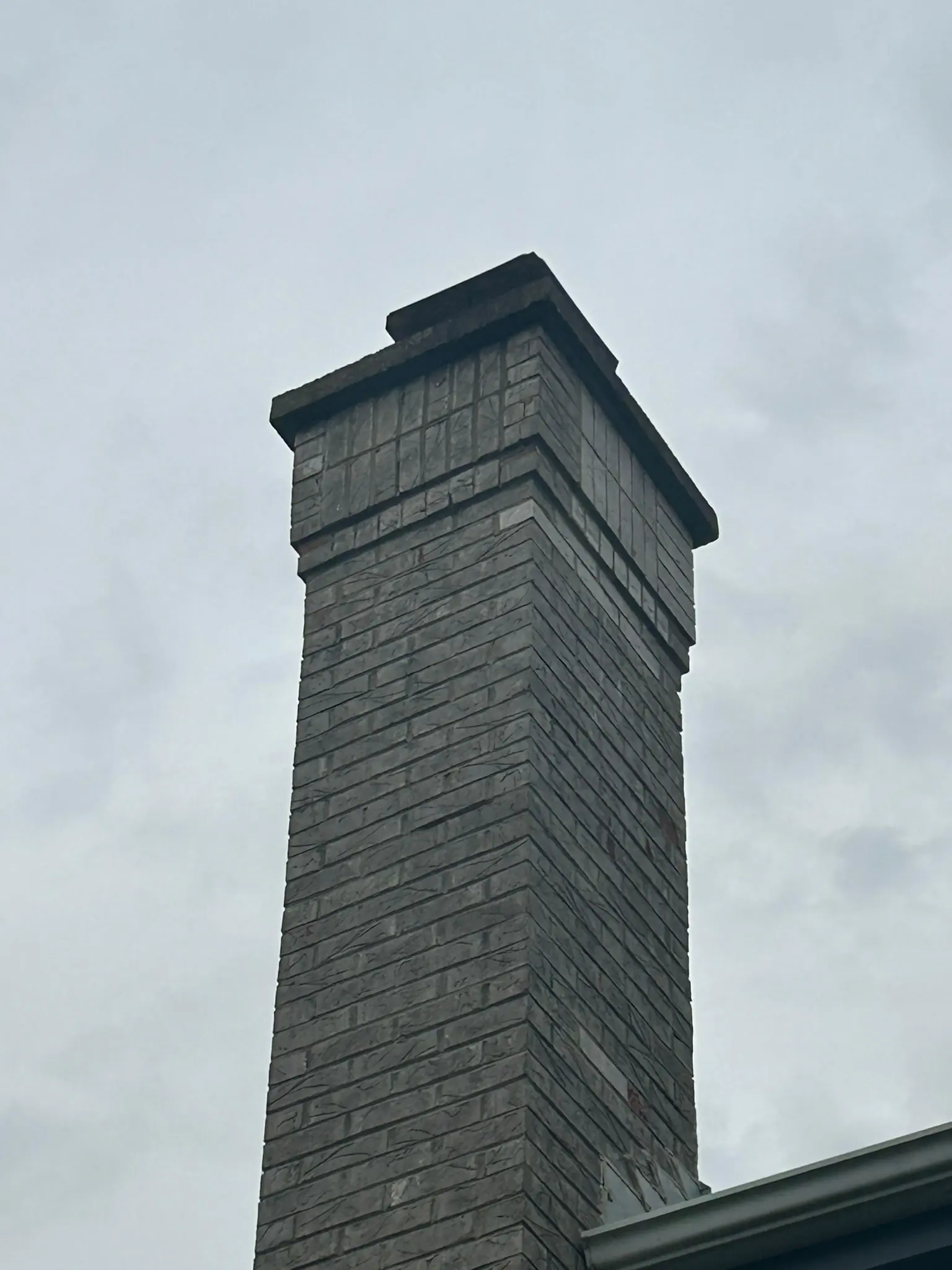
Residential Masonry Restoration in Oak Forest, IL
Residential masonry restoration in Oak Forest, IL means scoping the whole exterior — joints, brick, chimney, lintels and sills — then doing it in the right order, at a pace you can actually fund. Emerald Masonry LLC itemizes by element, ranks what is urgent, and tells you plainly what can wait a season. Family-owned, licensed, bonded and insured, career masons with decades of Chicagoland experience, free on-site estimates. Call (708) 288-1696.
Let us start with the question most Oak Forest homeowners are actually asking, which is not "what does masonry restoration cost."
It is: "The whole outside of my house needs work, I can afford one thing this year, and I don't know which thing."
That is a good question, it has a real answer, and almost nobody publishes it.
Ignore the Cost Ranges You Found Online
You have probably seen pages quoting masonry work by the hour or the square foot. Those numbers are not lies exactly, but applied to your specific house they are close to meaningless — and they anchor people badly.
Two walls of identical size can need completely different work. One wants surface repointing. The other wants joints ground to full depth, thirty spalled units cut out and replaced, and a corroding lintel addressed. Same square footage. Not remotely the same job.
What actually drives your number:
- How many elements are in scope — joints only, or joints plus chimney plus two lintels plus sills.
- Height and access — ground-level work versus staging on a two-story elevation or a chimney above the roofline.
- How hard the existing mortar is to grind out. Post-war Portland-based mortar takes longer than soft lime mortar.
- Whether brick needs matching, and whether a match exists in current production or requires salvage.
- What is found once work starts — a rusting lintel behind the brick, spalling worse than it looked from the ground.
- Season — cold-weather work needs protection and adds time.
A contractor who gives you a figure without seeing those has either padded it or will revise it later. Ask for the drivers instead.
The Order That Protects Your House
This is the part worth printing out.
1. Anything actively letting water in. Chimney crown and flashing, failed sills, open mortar joints on the weather-beaten elevation, failed caulking at window perimeters. Water is the mechanism behind essentially everything else on this list.
2. Corroding steel. Rust staining below a window means a steel lintel is rusting and expanding inside the wall. It gets worse every winter and eventually lifts the brick above the opening.
3. Damage the water already caused. Spalled brick, deteriorated joints, failed sills. Real repairs — but pointless before steps 1 and 2.
4. Protection. Breathable sealing where warranted, after joints are sound.
5. Cosmetic. Matching, cleaning, appearance.
Phasing by what is most visible is the expensive way to do this. The chimney crown you cannot see from the driveway is frequently what is causing the spalled brick you can.
What Oak Forest Homes Typically Need
Oak Forest filled in largely between the 1950s and 1970s, and the housing is consistent: brick ranches, Cape Cods, split-levels, bi-levels and Georgians, most with full brick fronts, brick-and-frame sides and attached garages.
That shared build era produces a shared repair list:
| Element | Why it comes up here | Typical urgency | |---|---|---| | Chimney | Exposed on four sides, no interior heat drying it | Usually first | | Lintels over wide openings | Post-war picture windows and garage doors are long spans | High if rust staining | | Sills | Horizontal surfaces that hold water once slope fails | Moderate to high | | Joints, south and west | Sixty-plus winters is a full mortar service life | Moderate | | Base course at grade | Splash-back plus winter road salt | Moderate | | Detached garage | No heat, minimal overhang, decades of deferral | Often worse than the house |
Joint failure on a 1962 house is not neglect. Mortar has a service life and Oak Forest's is expiring across the village at roughly the same time.
Mortar: Match the Era
The governing rule is that mortar must be softer than the brick it holds, so the joints take the stress and the brick does not. Mortar is the sacrificial layer — cheap to replace, unlike brick.
Oak Forest's post-war brick is denser and machine-made, laid with harder Portland-based mortar. That usually means Type N for above-grade repointing, with Type S where conditions genuinely warrant. A mix too soft erodes out early; a mix too hard spalls the faces. We match hardness first, then color, sand and joint profile.
The competing pages on this search do not mention mortar matching at all. It is the single most consequential technical decision in the entire job.
Signs Your Oak Forest Home Needs a Full Assessment
- Rust staining running down from a window, door or garage opening.
- A horizontal crack in the joint directly above an opening.
- Spalling brick faces — flaking, popping or crumbling.
- Mortar you can rake out with a screwdriver, or joints receded behind the brick.
- White efflorescence on the brick.
- A cracked chimney crown, rusted or tar-patched flashing, staining on the stack.
- Water stains inside near exterior walls or the chimney chase.
- Step cracks running diagonally through joints at corners.
- More than one of the above — which is the actual signal you need a scope rather than a single repair.
Our Process
- Free whole-envelope assessment. Every elevation, chimney, lintels, sills, joints, garage, grade, gutters and downspouts — photographed as we go.
- Identify every water path before scoping any repair.
- Written scope itemized by element, so each piece has its own number.
- Priority ranking — urgent, this season, can wait, cosmetic. Stated plainly.
- A phasing option if you want it, sequenced by what protects the house rather than what shows.
- Matched materials throughout — mortar matched for hardness, color and sand; replacement brick matched for size, texture and absorption.
- Photo documentation of completed work.
Materials We Use
Type N and Type S mortars for post-war masonry, matched replacement brick, new steel angle lintels primed and sized to span, cast and poured concrete chimney crowns with overhang and drip edge, stainless and galvanized caps, step and counter flashing, sealants and backer rod, and breathable masonry sealers only. Related services: tuckpointing, brick repair, chimney repair, lintel repair, limestone and sill repair and masonry sealing.
All at Once, or Phased?
Honest answer: per item, doing it all at once is cheaper, because setup, access and staging get paid for once rather than three times.
But that only helps if you can fund it. A well-sequenced three-year plan — water sources this year, steel next, damage after — protects the house better than deferring everything until one large project is affordable, because in the meantime the water keeps arriving.
We will price it both ways and let you choose.
Serving Oak Forest and the South Suburbs
Oak Forest sits in Cook County with no lake buffer, taking the full regional freeze-thaw swing — dozens of crossings of the freezing point each winter, each a load cycle on saturated masonry. Road salt attacks the lowest courses all season.
We work throughout 60452 — the residential grid around 159th Street, the neighborhoods near the Metra Rock Island station, the blocks toward Cicero and Central, and the churches and commercial properties along the main corridors. We also serve neighboring Tinley Park, Midlothian, Crestwood and Country Club Hills. Oak Forest owners frequently start with chimney repair and expand from there.
Emerald Masonry LLC is a family-owned, licensed and insured masonry contractor serving Chicago and the Chicagoland suburbs led by career masons with decades of hands-on experience in tuckpointing, chimney repair, brick repair and replacement, lintel and parapet repair, foundation and limestone/sill repair, caulking, sealing, and commercial, residential and historic masonry restoration. Free on-site estimates — call (708) 288-1696.
What Waiting Costs
Every deferred item makes the next one worse. Open joints wet the brick; wet brick spalls; the same water corrodes the lintels and ties inside the wall. By the time somebody calls about the thing they finally noticed, the scope is often three times what it would have been two winters earlier.
Which is the argument for assessing the whole envelope once, even if you only fix part of it this year. Knowing the list is free. Discovering it one item at a time is not.
Get a Free Whole-House Assessment in Oak Forest
Bring us the budget you actually have. We will tell you what it should buy first.
Call (708) 288-1696 or request your free estimate.
Ready to get started?
Free on-site estimates for commercial and large-scale projects.
Residential Masonry Restoration in Oak Forest, IL — Frequently Asked Questions
How much does masonry restoration cost in Oak Forest, IL?
Be skeptical of the generic ranges published online — a per-hour or per-square-foot figure applied to an unseen wall tells you nothing useful. Your number is driven by how many elements are involved, height and access, how hard the existing mortar is to grind out, and whether brick needs matching. Emerald Masonry itemizes the scope by element so you can see exactly what each piece costs.
What should I fix first if I can't do everything this year?
Anything actively letting water into the wall — chimney crown and flashing, failed sills, open joints on the weather-beaten elevation. Then corroding steel lintels, then the damage that water already caused, then cosmetic work. Fixing spalled brick while water still enters above it means paying for that brick twice.
Can the work be split across several years?
Yes, and for most Oak Forest homes that is the sensible approach. We itemize by element and rank by urgency so you can take the top item each season with a clear picture of what you are deferring. What we will not do is let you defer something that is actively getting worse without saying so.
My house is a 1960s brick ranch — what usually needs doing?
On Oak Forest's post-war stock the common list is the chimney, the steel lintels over wide picture-window and garage openings, sills, and joints on the south and west elevations. Sixty-plus winters is a full service life for a mortar joint, so joint failure by now is normal rather than a sign of neglect.
Do you work on modest homes or only large projects?
We work on ordinary Oak Forest houses constantly — brick ranches, Cape Cods, split-levels and bi-levels. A single-elevation repoint or one lintel is a perfectly normal job, and we would rather do the right item this year than oversell a whole-house package.
Is it cheaper to do everything at once?
Per item, usually yes, because setup, access and staging get paid for once instead of several times. But that only helps if you can fund it, and a well-sequenced three-year plan protects the house better than deferring everything until you can afford one big project. We will price both ways.
Residential Masonry Restoration in Nearby Areas
- Residential Masonry Restoration in Beverly, Chicago, IL
- Residential Masonry Restoration in Burbank, IL
- Residential Masonry Restoration in Elmwood Park, IL
- Residential Masonry Restoration in Evergreen Park, IL
- Residential Masonry Restoration in La Grange, IL
- Residential Masonry Restoration in Mount Greenwood, Chicago, IL
Other Masonry Services in Oak Forest, IL
Learn more about our residential masonry restoration services across Chicagoland, or view all service areas.