
Commercial Masonry Restoration · Chicagoland, IL
The Chicago Facade Inspection Ordinance: What Building Owners Need to Know About Masonry Compliance
Chicago requires periodic facade 'critical examinations' of taller buildings so deteriorating masonry doesn't fall onto the sidewalk below. Here's how the ordinance works in plain English, the masonry problems it flags, and how Emerald Masonry LLC handles the tuckpointing, brick, lintel, and parapet repairs that keep a facade compliant.
2026-07-21
Quick Answer
The Chicago facade inspection ordinance requires owners of taller buildings to have their exterior walls examined on a recurring cycle by a licensed architect or structural engineer and filed with the Department of Buildings, so failing masonry doesn't fall onto the public way. Emerald Masonry LLC performs the tuckpointing, brick, lintel, and parapet repairs those inspections turn up across Chicagoland. Free consultations — call (708) 288-1696. Verify current requirements with the City of Chicago Department of Buildings.
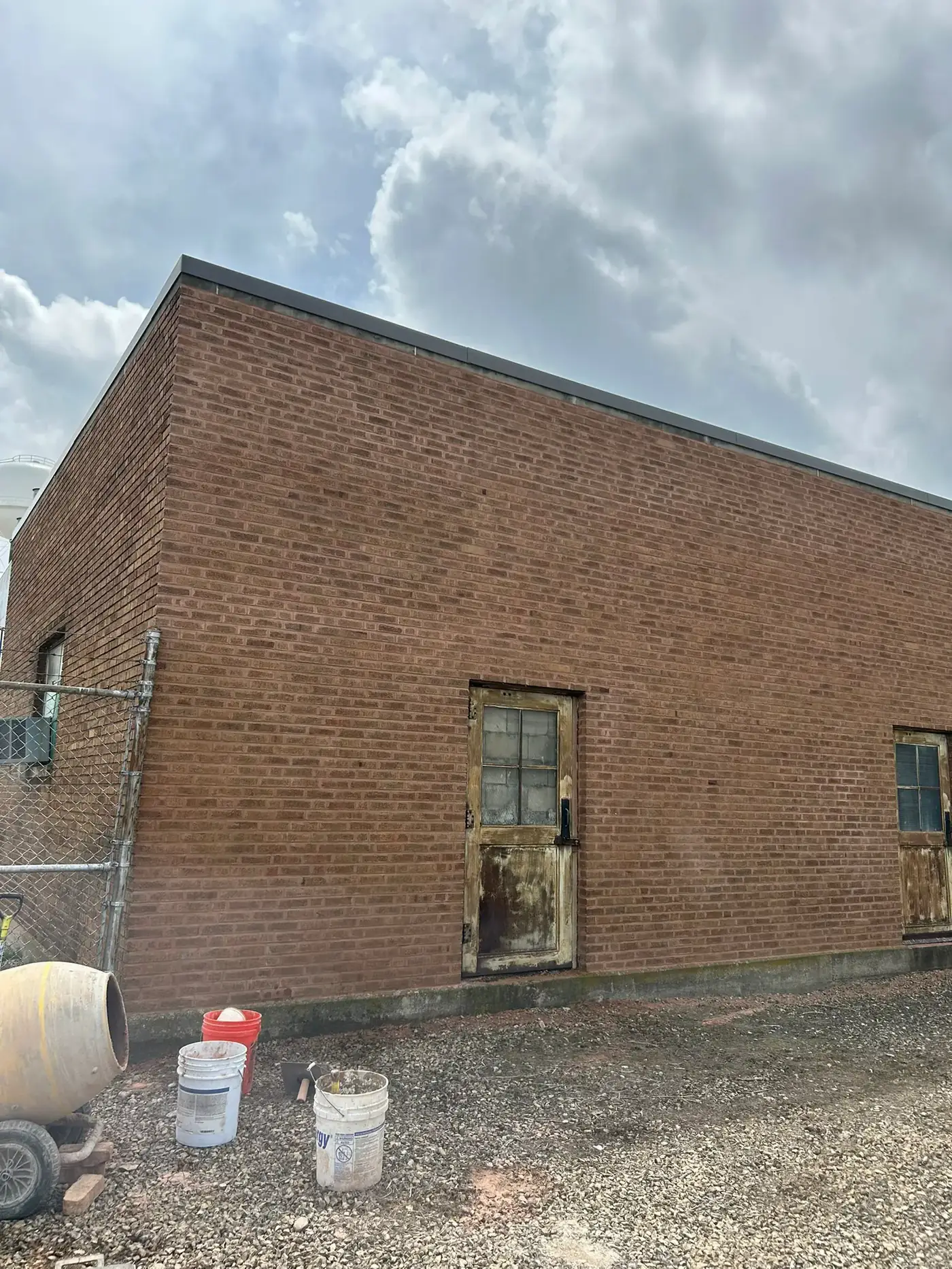
The Chicago Facade Inspection Ordinance: What Building Owners Need to Know About Masonry Compliance
The Chicago facade inspection ordinance requires owners of taller buildings to have their exterior masonry walls examined on a recurring cycle by a licensed structural engineer or architect, who files the findings with the City of Chicago Department of Buildings — the goal being to catch deteriorating brick, stone, and mortar before it falls onto the public sidewalk below. Emerald Masonry LLC is a family-owned, licensed and insured commercial masonry contractor serving Chicago and the Chicagoland suburbs, and we perform the tuckpointing, brick and stone repair, lintel, and parapet work that a facade examination turns up. If your building is facing a critical examination or you've received findings to address, call (708) 288-1696 for a free consultation.
One important note up front: the specific height thresholds, filing cycles, fees, and deadlines in the ordinance are set by the City of Chicago and have been revised over the years. Treat everything here as a plain-English orientation, not legal advice, and verify the current requirements directly with the Chicago Department of Buildings (or through your engineer or architect) before making compliance decisions.
What the facade ordinance is — and why it exists
A facade inspection ordinance is a public-safety law. Big-city masonry facades are heavy, they're decades or a century old, and they hang directly over sidewalks full of people. When mortar joints wash out, a lintel rusts, a parapet leans, or a piece of terra cotta lets go, gravity does the rest. Cities across the country — Chicago among them — adopted mandatory periodic facade examinations after fatal incidents of falling masonry made clear that "we'll fix it when we notice" is not good enough for a wall five, ten, or twenty stories in the air.
Chicago's version requires a critical examination of the exterior walls and enclosures of covered buildings, performed by a qualified design professional and reported to the Department of Buildings on a recurring basis. In practice the ordinance does two things: it forces a trained set of eyes onto the facade at regular intervals, and it creates a paper trail that holds owners accountable for acting on what those eyes find.
The freeze-thaw climate here makes the law especially relevant. Chicagoland masonry is soaked by rain and snow, then frozen and thawed dozens of times each winter. Water that gets into a joint or behind a brick expands roughly nine percent every time it freezes, prying the masonry apart a little more each cycle. A facade that looked fine five years ago can develop genuinely hazardous conditions in the span of one inspection cycle — which is exactly why the cycle exists.
Who the ordinance applies to
The ordinance is aimed at taller buildings, where a falling masonry unit has the height to do real harm. Chicago has long applied its full critical-examination requirement to buildings over roughly 80 feet tall, with a lighter requirement for a mid-height band beneath that threshold. The precise heights, the mid-height band, and the exemptions are defined by the city and have changed over time, so confirm where your specific building lands with the Department of Buildings.
Shorter commercial and residential buildings generally fall outside the mandatory-examination requirement — but that does not mean their masonry is exempt from the laws of physics. A two- or three-story storefront with a leaning parapet over a busy sidewalk is still a liability, and owners are still responsible for maintaining a safe exterior. Many of our suburban and mid-rise clients run voluntary facade maintenance on the same logic the ordinance is built on: catch it early, repair it on your schedule, and never let it reach "unsafe."
What a critical examination involves
A critical examination is more than a look from the street with binoculars. The licensed structural engineer or registered architect performing it is expected to get close-up access to representative portions of the facade — often from a swing stage, a boom lift, or scaffolding — so they can actually probe mortar, sound the brick, and inspect lintels, shelf angles, parapets, coping, sealant joints, and any ornamental stone or terra cotta up close. They document conditions, photograph defects, and file a report with the Department of Buildings classifying the facade's condition.
Emerald Masonry is not the party that performs or files this examination — that is your engineer's or architect's role and their professional sign-off. Where we frequently help is on the repair side and the access side: once findings exist, we price and perform the masonry restoration, and we're often the crew rigging the scaffolding or coordinating the swing stage that both the repair and any follow-up probing require.
The condition classifications
Chicago's reporting generally sorts a facade into one of three condition categories. The labels and exact triggers are the city's to define and can change, so verify current definitions — but the framework is consistent and worth understanding:
| Classification | What it generally means | What it typically triggers | |---|---|---| | Safe | No hazardous conditions found; the facade is sound for now. | Continue normal maintenance; comply on the next examination cycle. | | Safe with a repair-and-maintenance program (cautionary / ongoing maintenance) | Conditions exist that aren't immediately dangerous but will worsen if ignored. | A documented plan to repair and monitor specific conditions within set timeframes. | | Unsafe | Conditions present a present danger to the public below. | Immediate protection of the public way (barricades, sidewalk canopies/scaffolding) and prompt repair. |
The middle category is where most aging masonry buildings actually live. "Safe with a repair-and-maintenance program" is not a free pass — it's the city telling you the clock is running on specific defects. Owners who treat that classification seriously, and schedule the tuckpointing or parapet work before the next cycle, avoid sliding into an unsafe finding, which brings emergency protection costs, rush repairs, and far more disruption.
The masonry problems inspections commonly flag
Most facade findings come down to a familiar list of masonry defects. Here's what examinations typically identify and the repair each one calls for:
- Deteriorated or missing mortar joints — the most common finding by far. The fix is tuckpointing and repointing: grinding out the failed mortar to sound depth and repacking the joints with properly matched mortar so the wall sheds water again.
- Spalling, cracked, or loose brick — brick faces flaking or popping off after water got in and froze. Individual failed units are cut out and replaced through brick repair and replacement; larger failed areas may need rebuilding.
- Bulging or bowing walls — a sign the masonry has lost its bond to the structure behind it or that embedded steel is corroding and pushing it out. This is a serious structural finding that often means a partial rebuild.
- Failed steel lintels and shelf angles — the hidden steel over windows and at floor lines rusts, expands, and lifts the brick above ("rust jacking"), cracking the wall. This is addressed through lintel repair and replacement.
- Parapet and coping failure — the parapet is exposed on both faces plus the top, so it deteriorates first; leaning parapets, open joints, and failed coping are classic findings, resolved through parapet wall repair.
- Cracked or spalling terra cotta and stone — ornamental units and stone bands crack, delaminate, or loosen and are repaired, pinned, or replaced.
- Failed sealant and expansion joints, and water infiltration — hardened or missing sealant and clogged/failed flashing let water into the wall, driving most of the other problems.
Nearly all of these trace back to one root cause: water getting into the masonry and freezing. That's why a thorough restoration doesn't just patch the visible defect — it restores the wall's ability to keep water out and let it drain and dry.
What owners and property managers should do
The single best strategy is to stop treating the facade as a once-every-few-years fire drill and start treating it as an asset with a maintenance program. Owners and property managers who stay ahead of the ordinance tend to do the same handful of things:
- Know your building's status. Confirm with the Department of Buildings whether your building is in the full-examination or mid-height band, and when your next filing is due.
- Keep a repair-and-maintenance program. Budget for periodic tuckpointing, sealant renewal, and small brick and lintel repairs rather than deferring until a report forces the issue.
- Act on the middle classification. If your facade is "safe with a repair-and-maintenance program," schedule the work — that's the window where repairs are planned and affordable instead of rushed.
- Coordinate the two roles. Your engineer or architect examines and files; your masonry contractor repairs. Line up both, and let them work together off the same report and photos.
- Address water first. Gutters, downspouts, flashing, coping, and drainage are the upstream causes; fixing them makes every masonry repair last longer.
This is where Emerald Masonry fits. We're the commercial masonry restoration contractor that does the actual repairs an examination calls for — tuckpointing, brick and stone replacement, lintel and shelf-angle work, parapet and coping rebuilding, and waterproofing — to clear findings and keep the facade in compliant, sound condition. We work alongside your design professional, not in place of them, and we're candid about what genuinely needs doing now versus what can be programmed over a maintenance cycle.
What drives the cost and scope
Facade masonry restoration has no flat price, and any contractor who quotes one over the phone hasn't seen the wall. The real cost drivers are:
- Height and access. Reaching an 80-foot-plus facade means a swing stage, scaffolding, or a lift — real equipment and rigging cost before a single joint is cut. Access is frequently a large share of a tall-building facade job. (See scaffolding vs. lifts for commercial masonry.)
- Extent of deterioration. Spot tuckpointing a few elevations is a different job than repointing an entire facade or rebuilding a parapet run.
- The engineer's specified scope. The report defines what must be done; a "safe with maintenance" program is usually phaseable, while "unsafe" conditions demand immediate protection and repair.
- Material matching. Matching historic brick, stone, terra cotta, and mortar color and strength adds care and sourcing time — but it's what makes the repair both durable and invisible.
Because bids on this kind of work vary widely for legitimate reasons, it's worth understanding why commercial masonry bids differ before comparing numbers. Emerald provides a free on-site consultation and a written, itemized estimate tied to the actual scope. There is no cost to have us look.
Why this matters more in Chicagoland
Chicago's freeze-thaw climate is unusually hard on masonry. Between lake-effect moisture, wind-driven rain, road salt, and a winter of repeated freeze-thaw cycles, our facades take punishment that milder climates never see. Water finds the smallest opening — a hairline crack, an open joint, a failed sealant bead — soaks in, freezes, and levers the masonry apart. That's precisely why a facade can pass one cycle and develop hazardous conditions before the next, and why the ordinance's recurring examinations are more than bureaucratic box-checking here. Proactive maintenance isn't just compliance; in this climate it's the difference between a manageable repair and an emergency.
For multi-family and mixed-use owners, the same logic extends beyond the tall-building threshold — masonry maintenance on multi-family buildings and watching for the signs a commercial building needs tuckpointing and parapet failure keeps small problems from becoming reportable ones.
The bottom line
The Chicago facade inspection ordinance exists so that aging masonry gets professional eyes on it before it endangers the people below — and in a freeze-thaw city, that's a genuinely good idea, not just red tape. Your engineer or architect performs and files the critical examination; Emerald Masonry LLC performs the tuckpointing, brick and stone repair, lintel, parapet, and restoration work that resolves the findings and keeps your facade sound and compliant. We're a family-owned, licensed and insured masonry contractor led by career masons with decades of hands-on Chicagoland experience serving building owners, property managers, HOAs, churches, and insurers across the city and suburbs.
Confirm your building's current obligations with the Chicago Department of Buildings, then call Emerald Masonry at (708) 288-1696 or reach us through our contact page for a free consultation and a clear, itemized plan to address your facade's masonry.
This article is general education, not legal or engineering advice. Facade ordinance requirements are set by the City of Chicago and change over time — verify current thresholds, cycles, and deadlines with the Department of Buildings or your licensed design professional.
Frequently Asked Questions
What is the Chicago facade inspection ordinance?
It is a City of Chicago requirement that owners of taller buildings have their exterior walls periodically examined by a licensed structural engineer or architect and file the results with the Department of Buildings, so deteriorating masonry is caught before it can fall onto the sidewalk. The exact height thresholds and filing cycle are set by the city and change over time, so confirm the current rules with the Chicago Department of Buildings.
Which buildings have to comply?
The ordinance targets taller buildings — Chicago has long applied a full 'critical examination' requirement to buildings over roughly 80 feet, with a lighter requirement for a mid-height band beneath that. Heights, bands, and exemptions are defined by the city and have been revised over the years, so verify where your specific building falls with the Department of Buildings.
Who is allowed to perform the facade examination?
The critical examination must be performed and attested by a licensed structural engineer or registered architect, who files the report with the Department of Buildings. Emerald Masonry LLC is a masonry contractor, not the inspecting engineer — we perform the repairs the examination identifies and coordinate with your engineer or architect.
What are the facade condition classifications?
Facades are generally classified as safe, safe with a repair-and-maintenance program (sometimes called cautionary or ongoing maintenance), or unsafe. An unsafe classification requires immediate action to protect the public way and prompt repair. Confirm the current category definitions and deadlines with the Department of Buildings.
What masonry problems does a facade inspection usually flag?
Commonly: deteriorated or missing mortar joints, spalling and cracked or loose brick, bulging or bowing walls, failed steel lintels and shelf angles, parapet and coping failure, cracked or spalling terra cotta and stone, and failed sealant or expansion joints letting water in. Each has a defined masonry repair, from tuckpointing to partial rebuilding.
Does Emerald Masonry file the facade report or provide the engineering sign-off?
No. The examination and its filing are the responsibility of your licensed engineer or architect. Emerald Masonry performs the masonry restoration work — tuckpointing, brick and stone repair, lintel and parapet work — that resolves the conditions the report identifies, working alongside your design professional.
What does facade masonry restoration cost?
There is no flat price. Cost is driven by the building's height and how crews reach the work (scaffolding or a swing stage), the extent of deterioration, and the scope the engineer specifies. We provide a free on-site consultation and a written, itemized estimate. Call (708) 288-1696.
How can owners stay ahead of the ordinance?
Don't wait for an 'unsafe' finding. Keep a proactive repair-and-maintenance program, budget for periodic tuckpointing and sealant renewal, address water problems early, and line up a masonry contractor before your next examination cycle so repairs can be scheduled rather than rushed.