
Foundation Masonry Repair · Chicagoland, IL
How Trees and Their Roots Damage Masonry Foundations, Chimneys, and Walls
The mature trees that make older Chicago suburbs beautiful are also a leading hidden cause of masonry damage. Here's how roots, soil moisture, and overhanging limbs work against your foundation, chimney, and brick walls — and what to do about it.
2026-06-21
Quick Answer
Trees damage masonry in three main ways: roots and the soil-moisture swings they cause crack and shift foundation walls, overhanging limbs trap moisture and drop debris that accelerates chimney and roof masonry decay, and shaded damp walls hold water that feeds freeze-thaw spalling. Emerald Masonry LLC repairs the masonry and advises on the cause. Free estimates — call (708) 288-1696.
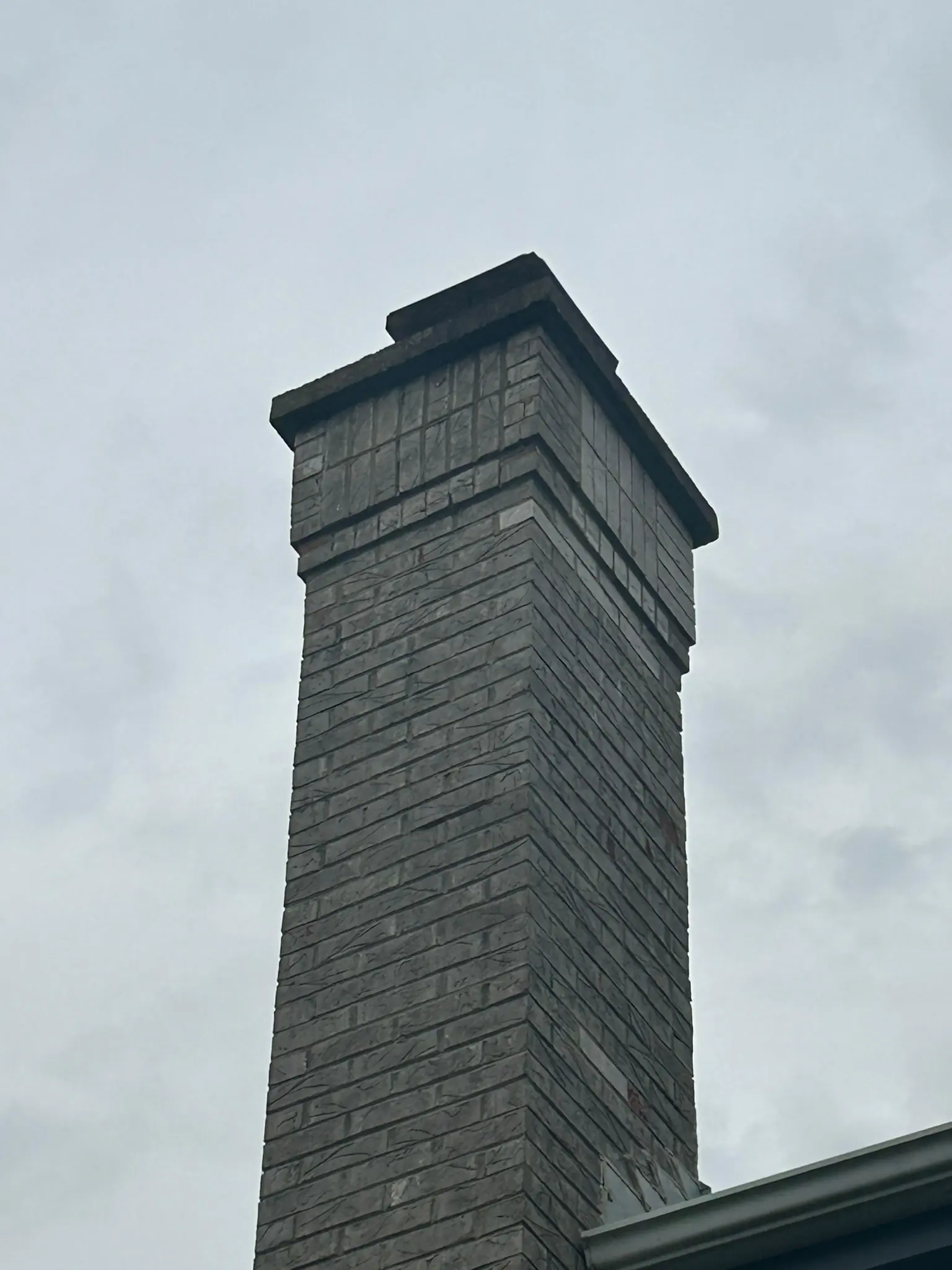
The big, mature trees lining the streets of Beverly, Oak Park, La Grange, and Naperville are one of the best things about older Chicago suburbs. They're also one of the most underappreciated causes of masonry damage we encounter. Homeowners almost never connect the crack in the basement wall or the spalling chimney to the beautiful oak in the parkway — but the connection is often direct, and understanding it changes how you protect both the tree and the house.
This isn't an argument for cutting down your trees. It's an explanation of the three distinct ways trees work against masonry, so you can spot the warning signs early and make smart decisions before a hairline crack becomes a wall rebuild.
The Big One: Roots, Soil, and Foundation Movement
Here's the surprise: tree roots rarely damage a foundation by physically pushing through it. A sound masonry wall is tougher than most roots. The real damage is indirect, and it runs through the soil.
A large tree is an enormous pump. On a hot summer day, a mature tree can draw hundreds of gallons of water out of the ground, and most of that comes from the soil near its roots — which often extend well past the canopy, frequently right up against and under a nearby foundation. In the Chicago area's clay-heavy soils, this matters enormously, because clay shrinks dramatically when it dries and swells when it's wet.
So the soil under one part of your foundation, close to a thirsty tree, dries and shrinks through the summer while soil elsewhere stays stable. That uneven moisture means uneven support, and uneven support means the foundation settles and moves differently across its length. The result shows up as step cracks climbing diagonally through the mortar joints, doors and windows that suddenly stick, and separation at corners. Then winter arrives, water gets into those new cracks, freezes, and widens them — and the masonry damage accelerates.
Roots do play a secondary direct role: they'll find and exploit an existing crack or gap, growing into it and gradually widening it. But the soil-moisture swing is usually the headline cause near large trees.
What to watch for
- New or widening step cracks in basement or foundation walls, especially on the side nearest a big tree
- Cracks that open and close with the seasons — a classic sign of clay soil moving
- Doors and windows that stick in summer and free up in other seasons
- Foundation movement concentrated near a single large, close tree
The Quiet One: Shaded, Damp Walls and Freeze-Thaw
Masonry needs to be able to dry out. The entire freeze-thaw problem in Chicago comes down to water sitting in brick and mortar when temperatures drop. Trees make this worse simply by casting shade and slowing evaporation.
A brick wall or chimney that's heavily shaded by a tree — especially on the north side, which already gets the least sun — stays damp longer after every rain and snowmelt. Damp masonry going into a freeze is exactly what spalls: the trapped water freezes, expands, and pops the face off the brick. Add a canopy that keeps the wall from drying and you've created a microclimate that ages the masonry faster than the same wall in the open would. (We cover the north-wall version of this in our post on why north-facing brick deteriorates faster.)
The Obvious One: Overhanging Limbs and Debris
The most visible way trees damage masonry is also the simplest. Limbs hanging over a roof and chimney:
- Drop leaves and debris that collect on the chimney crown, in the flashing, and against the parapet, holding moisture right where it does the most harm
- Keep the chimney shaded and damp, so it dries slowly and spalls faster
- Scrape and strike the stack and roofline in wind, and in storms can break off and hit the chimney directly
- Feed gutter clogs that send overflow cascading down brick walls
Keeping limbs trimmed back from the roof and chimney is one of the cheapest things a homeowner can do to extend the life of their masonry.
What to Actually Do About It
The instinct when you hear "tree is damaging the foundation" is to remove the tree. Sometimes that's right — but it's not automatic, and a poorly considered removal can cause its own problems: take out a big tree that's been drying the soil for decades and the clay can rebound and heave, moving the foundation the other way. The smart approach is to treat the tree and the masonry as one connected problem:
- Diagnose honestly. Is the tree actually driving the damage, or is it ordinary settlement, drainage, or failed joints? This is where a free on-site masonry assessment earns its keep.
- Fix the masonry properly. Step cracks get foundation masonry repair — repointing, crack repair, and rebuilding where needed. Spalled brick gets brick replacement. Chimney damage gets chimney repair.
- Address the moisture and debris. Improve drainage so water moves away from the foundation, keep gutters clear, and trim limbs back from the roof and chimney.
- Consult an arborist for the tree itself. Whether to remove, root-prune, or simply manage a tree is a decision best made with someone who knows trees — alongside the masonry fix, not instead of it.
Trees don't have to be the enemy of your masonry. The damage they cause is predictable, and once you understand it, it's manageable — repair the wall, manage the moisture, and keep the limbs clear.
Bottom Line
The mature trees that give older Chicagoland neighborhoods their character work against masonry in three ways: the soil-moisture swings their roots drive crack and shift foundations, their shade keeps walls and chimneys damp enough to spall, and their overhanging limbs and debris accelerate roofline and chimney decay. None of it means you have to lose the tree — but it does mean that a foundation crack or a spalling chimney near a big tree deserves a proper look at the cause, not just the symptom.
Emerald Masonry LLC is a family-owned, licensed and insured masonry contractor serving Chicago and the Chicagoland suburbs led by career masons with decades of hands-on experience in tuckpointing, chimney repair, brick repair and replacement, lintel and parapet repair, foundation and limestone/sill repair, caulking, power washing, sealing, and commercial, residential, and historic masonry restoration. If a tree may be working on your foundation or chimney, contact us for a free on-site assessment — or call (708) 288-1696.
Frequently Asked Questions
Can tree roots really crack a masonry foundation?
Yes, though often indirectly. Roots rarely punch through a sound wall, but they dry out and shrink the soil around a foundation, causing it to settle unevenly and crack — and they can exploit and widen existing cracks. In Chicago's clay soils, this soil-moisture effect is the bigger driver of foundation movement near large trees.
How far should a large tree be from my foundation?
A common guideline is to keep large species at least as far from the house as their mature height, though this varies by species and soil. The point isn't a magic number — it's that big, thirsty trees close to the house drive the soil-moisture swings that move foundations. An arborist and a mason together can assess a specific tree.
Do overhanging tree limbs damage a chimney?
They can. Limbs over a chimney keep the masonry shaded and damp so it dries slowly and spalls faster, drop leaves and debris that hold moisture against the crown and flashing, and in storms can strike the stack directly. Keeping limbs clear of the chimney is cheap insurance against accelerated masonry decay.
Should I remove a tree to stop foundation damage?
Not necessarily, and removing a large tree can sometimes cause its own soil-heave problems. The right move is to diagnose whether the tree is actually driving the damage, then address the masonry and the moisture conditions. We repair the foundation; an arborist advises on the tree — the two decisions work best together.
Frequently Asked Questions
Can tree roots really crack a masonry foundation?
Yes, though often indirectly. Roots rarely punch through a sound wall, but they dry out and shrink the soil around a foundation, causing it to settle unevenly and crack — and they can exploit and widen existing cracks. In Chicago's clay soils, this soil-moisture effect is the bigger driver of foundation movement near large trees.
How far should a large tree be from my foundation?
A common guideline is to keep large species at least as far from the house as their mature height, though this varies by species and soil. The point isn't a magic number — it's that big, thirsty trees close to the house drive the soil-moisture swings that move foundations. An arborist and a mason together can assess a specific tree.
Do overhanging tree limbs damage a chimney?
They can. Limbs over a chimney keep the masonry shaded and damp so it dries slowly and spalls faster, drop leaves and debris that hold moisture against the crown and flashing, and in storms can strike the stack directly. Keeping limbs clear of the chimney is cheap insurance against accelerated masonry decay.
Should I remove a tree to stop foundation damage?
Not necessarily, and removing a large tree can sometimes cause its own soil-heave problems. The right move is to diagnose whether the tree is actually driving the damage, then address the masonry and the moisture conditions. We repair the foundation; an arborist advises on the tree — the two decisions work best together.