
Chimney Repair · Naperville, IL
Chimney Repair in Naperville, IL — Crown Repair, Repointing, and Rebuilds Done Right
A chimney takes more weather than any other part of your house, and in Naperville's freeze-thaw climate it shows. Here's how chimney damage actually starts, what each level of repair involves, and how to tell whether you need a crown patch or a rebuild.
Quick Answer
A chimney takes more weather than any other part of your house, and in Naperville's freeze-thaw climate it shows. Here's how chimney damage actually starts, what each level of repair involves, and how to tell whether you need a crown patch or a rebuild.
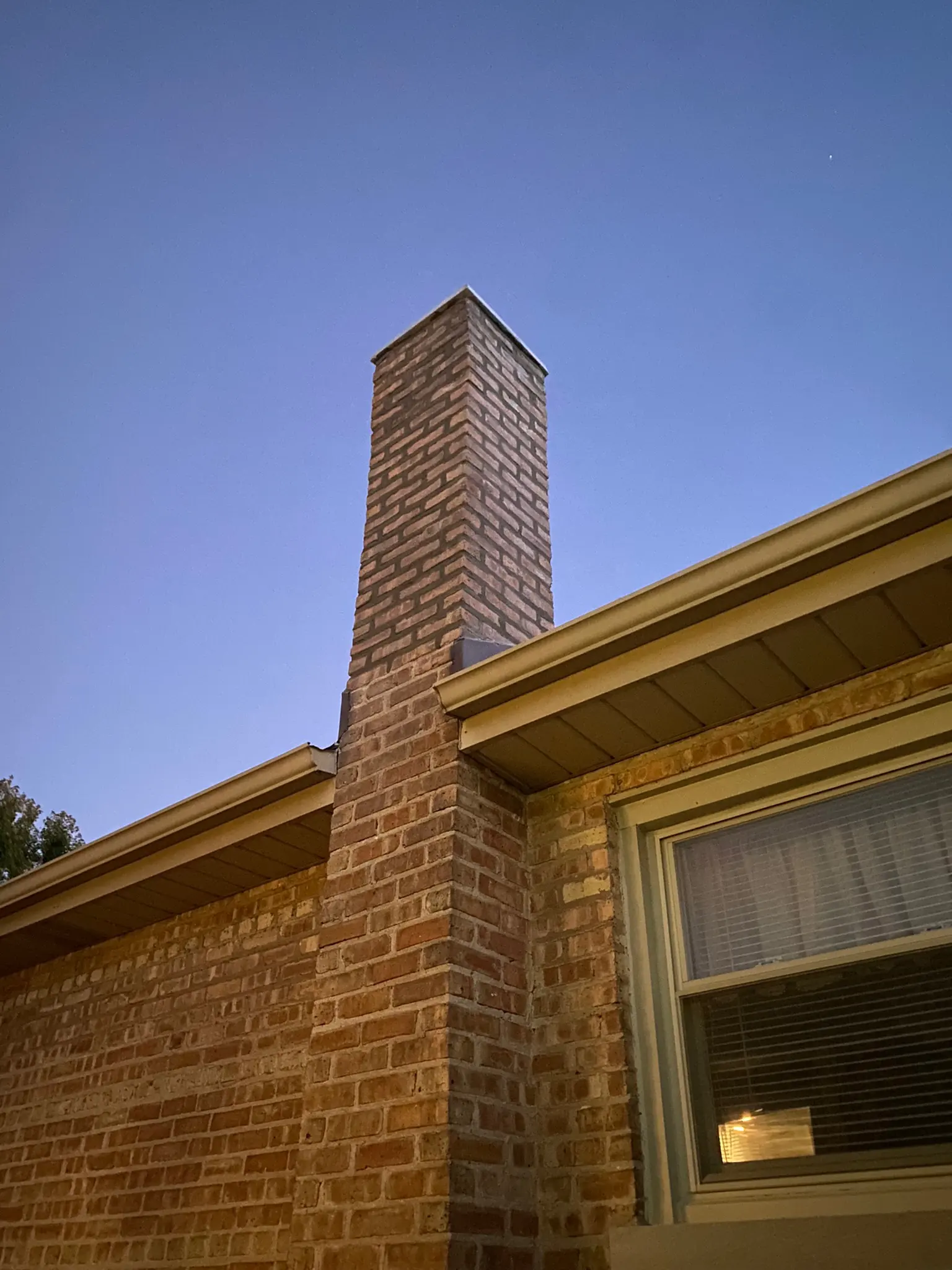
A chimney is a masonry tower that sits fully exposed above your roofline, taking sun, wind, rain, and snow on all four sides with nothing protecting it. On a Naperville home, that exposure plus the area's hard freeze-thaw winters means the chimney is usually the first masonry to deteriorate — often years before the rest of the house shows any wear at all.
Emerald Masonry repairs and rebuilds brick chimneys throughout Naperville and DuPage County. This page walks through what goes wrong with a chimney, the different levels of repair, and how to figure out which one your chimney actually needs.
Naperville Chimneys and the Climate They Live In
Naperville's housing stock is a wide mix. The historic core near downtown has brick homes going back well over a century, built with soft lime mortar and brick that needs gentle, knowledgeable handling. The vast subdivisions built from the 1980s through the 2000s use harder modern brick and Portland-based mortar, often with prefabricated crowns and metal flashing that were never built to last the life of the house.
Both kinds of chimney fail in Naperville's climate, just on different timelines. The single biggest driver is freeze-thaw. When water gets into the brick or the mortar joints and then freezes, it expands and forces the masonry apart a little more each cycle. Over a Chicago-area winter that happens dozens of times. The damage is slow, invisible at first, and then suddenly obvious.
How Chimney Damage Starts
Almost every chimney problem traces back to water getting in where it should not. The common entry points:
A Failed Crown
The crown is the concrete or mortar cap at the very top of the chimney that sheds water away from the flue and the brick. When it cracks — and thin, improperly sloped crowns always crack eventually — water runs straight down into the chimney structure. A failed crown is the most common starting point for serious chimney decay.
Open Mortar Joints
The mortar between the bricks weathers out over time, especially up high where exposure is worst. Open joints let water into the wall of the chimney, where it freezes, expands, and pushes the brick apart.
Bad Flashing
Flashing is the metal that seals the joint where the chimney passes through the roof. When it lifts, rusts, or was poorly installed, water gets in at the roofline — and that water often shows up as a ceiling stain that gets blamed on the roof when the chimney is the real culprit.
Spalling Brick
Once water is cycling through the masonry, the brick faces start to flake, pop, and crumble. That is spalling, and it is a sign that water has been getting in for a while. Spalled brick cannot be patched — it has to be replaced.
The Levels of Chimney Repair
Not every chimney needs the same work. Matching the repair to the actual condition is how you avoid both overspending and under-fixing.
Crown Repair or Replacement
If the structure is sound but the crown is cracked, the fix is to repair or rebuild the crown with a properly sloped, overhanging cap that throws water clear of the brick. This is often the highest-value chimney repair because it stops the most common source of water entry.
Tuckpointing and Repointing
When the joints are open but the brick is still good, we grind out the deteriorated mortar and repoint with mortar matched to the original in strength and color. Done to full depth, this restores the weather seal and keeps water out of the chimney core.
Brick Replacement
Spalled and cracked brick gets cut out and replaced with matching units. We source brick to match the existing color, size, and texture so the repair blends in rather than standing out.
Partial or Full Rebuild
When the upper section of a chimney is leaning, badly spalled, or has open joints throughout, the right answer is to take it down to a sound course and rebuild it. We salvage what we can, install a proper crown and flashing, and rebuild with matching brick and mortar so it performs like new.
What to Look For in a Chimney Contractor
- Masonry experience specifically. A chimney is a small structure where every detail — crown slope, joint depth, mortar match, flashing — matters. Hire a mason, not a general handyman.
- A real diagnosis. A good contractor inspects the crown, joints, flashing, and brick before quoting, and tells you which level of repair you actually need.
- Proper brick and mortar matching. Mismatched repairs look obvious and, with the wrong mortar, perform worse.
- License, bond, and insurance. Chimney work is at height. Confirm coverage before anyone gets on your roof.
Emerald Masonry brings more than decades of Chicagoland masonry experience to every chimney. We are family-owned, non-union, and fully licensed, bonded, and insured. We provide free on-site estimates and carry a ,000 project minimum.
Frequently Asked Questions
How do I know if my chimney needs a repair or a full rebuild?
If the structure is straight and the brick is sound, a crown repair plus repointing usually does the job. If the upper section is leaning, the brick is spalling across multiple courses, or the joints are open throughout, a partial or full rebuild is the honest call. We inspect before we quote so you are not paying for a rebuild you do not need — or settling for a patch that will not hold.
My ceiling is staining near the chimney. Is it the roof or the chimney?
It is often the chimney — specifically the crown or the flashing. Water can enter at the top or at the roofline and travel before it shows up inside. A masonry inspection can pinpoint whether the problem is the crown, the joints, or the flashing rather than guessing at the roof.
Why does my brick chimney have flaking, crumbling faces?
That is spalling, caused by water getting into the brick and freezing repeatedly. It means moisture has been entering for a while, usually through a cracked crown or open joints. The spalled brick has to be replaced, and the water source has to be fixed at the same time, or it will just happen again.
When is the best time to repair a chimney in Naperville?
Spring through fall, when temperatures let mortar cure properly. If you spot a problem in fall, that is the time to schedule so the work happens before winter rather than after another freeze-thaw season has made it worse.
Serving Naperville and DuPage County
We repair chimneys throughout Naperville and the surrounding DuPage and Will County communities, including Lisle, Woodridge, Bolingbrook, Plainfield, Aurora, Warrenville, and Wheaton. From century-old homes near downtown Naperville to subdivision houses out toward Route 59, we handle crown repair, tuckpointing, flashing, brick replacement, and full chimney rebuilds.
Get a Free Chimney Inspection
If your chimney is cracked, leaking, or shedding brick, get it looked at before the next freeze. Contact Emerald Masonry for a free on-site estimate in Naperville, or call (708) 288-1696. We will tell you exactly what your chimney needs — and nothing it does not.
Ready to get started?
Free on-site estimates for commercial and large-scale projects.