
Limestone & Sill Repair · Oak Park, IL
Limestone & Sill Repair in Oak Park, IL — Stone Restoration for Historic Homes & Greystones
Oak Park's historic homes and greystones rely on cut limestone sills and bands to shed water away from the masonry. When that stone cracks, spalls, or erodes, water finds its way in. Emerald Masonry LLC repairs and restores limestone sills with Dutchman repairs and stone-matched solutions.
Quick Answer
Emerald Masonry LLC provides limestone and sill repair in Oak Park, IL — restoring cracked, spalling, and eroded stone sills and band courses on historic homes and greystones using Dutchman repairs and careful stone matching. Family-owned, career masons with decades of Chicagoland experience, licensed, bonded, and insured. Free on-site estimates. Call (708) 288-1696.
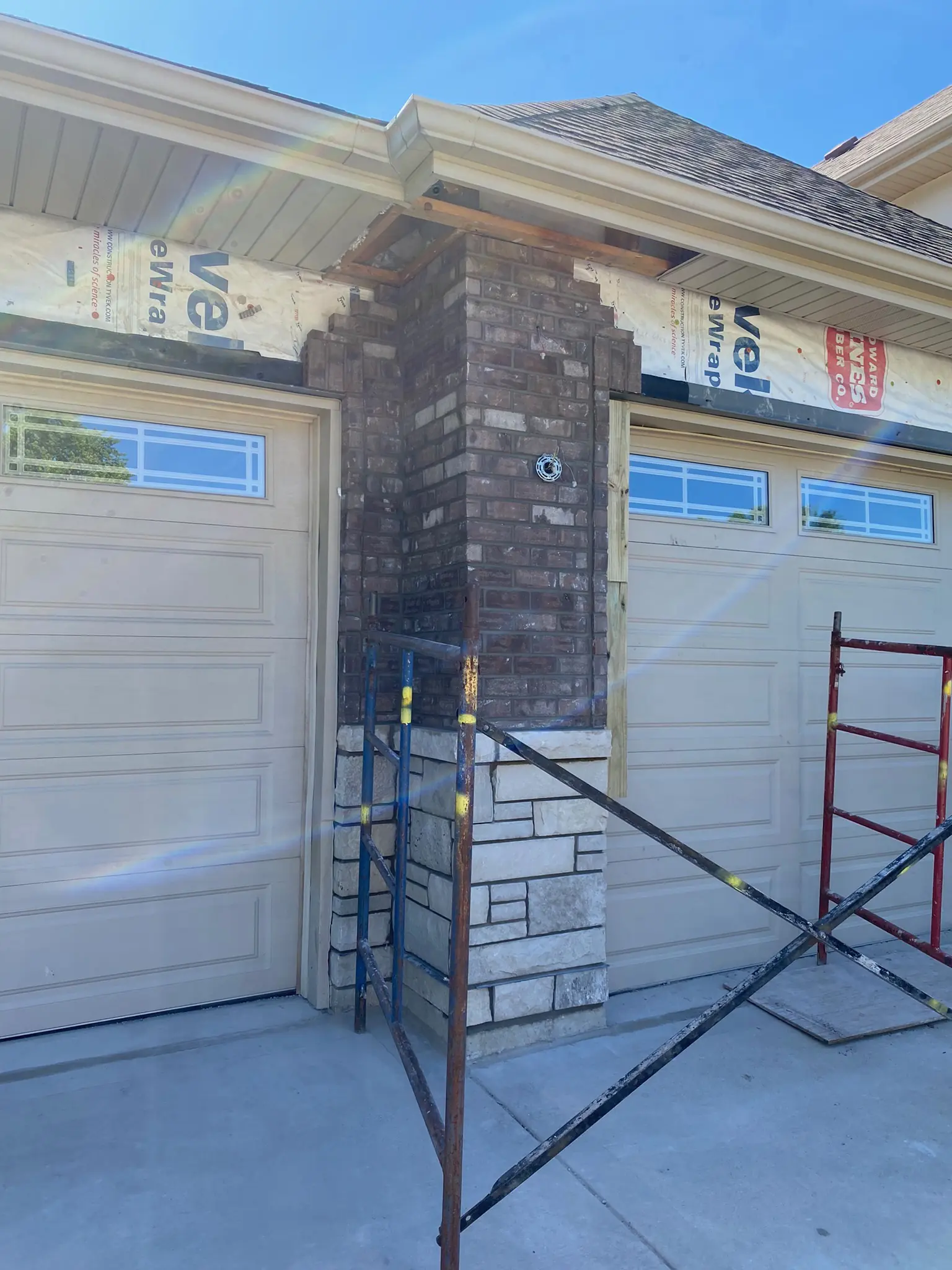
On Oak Park's historic homes and greystones, the limestone sills and band courses are doing a job most homeowners never think about: shedding water away from the brick and stone below them. When those sills crack, spall, or wash out, water starts working into the wall — and Emerald Masonry LLC restores them with Dutchman repairs and stone-matched work that respects the original architecture. For a free on-site assessment of your stone, call (708) 288-1696.
Cut limestone is one of the defining materials of Oak Park's building stock, and it was chosen for good reason: it's durable, beautiful, and sheds water when it's intact. But "durable" is not "permanent." After a hundred-plus winters, the sills that take the most weather are usually the first elements of a facade to fail.
Why Limestone Sills and Bands Matter
A window sill is a sloped piece of stone that carries rainwater off the window and throws it clear of the wall below. Band courses — the horizontal stone bands that run across a greystone facade — do similar work, breaking up the wall and directing water outward. As long as the stone is sound and the joints around it are sealed, the system keeps water out of the masonry.
The trouble is that these are sacrificial elements. They sit horizontally, hold water and snow, and absorb the most freeze-thaw punishment of anything on the building. When a sill fails, it stops shedding water — and instead funnels it straight into the wall and the masonry below the window. The cosmetic crack you see is usually the smaller half of the problem.
Signs Your Stone Needs Attention
- Cracks across the sill, especially full-width breaks that let water sit in the joint
- Spalling or flaking where the stone face is breaking off in sheets or chips
- Erosion and rounding of what were once crisp, sloped edges
- Open or failed joints between the sill and the surrounding masonry
- Staining or efflorescence on the brick or stone directly below a sill — a tell that water is getting past it
- Old cement patches that are cracking away from the original stone
The Cost of Waiting
Limestone repair is one of those jobs where waiting genuinely makes it worse and more expensive. A small crack that could have been sealed lets water into the stone's bedding planes. That water freezes, expands, and breaks off a corner. The next winter takes more. Meanwhile, water bypassing the failed sill runs into the wall beneath, eroding mortar joints and saturating brick that then spalls on its own. A timely Dutchman repair on one sill is a fraction of what it costs to rebuild a sill plus the brick course it ruined.
Our Restoration Process
We approach historic stone as conservation work, not demolition. Our typical process:
- Assessment — we examine each sill and band, identify which are sound, which need partial repair, and which are beyond saving.
- Dutchman repairs — for localized damage, the failed portion is cut out cleanly and a matching piece of new stone is shaped and set in, preserving the rest of the original.
- Full sill replacement — where a stone is broken through or extensively deteriorated, we replace it with matched stone, properly bedded and sloped to shed water.
- Joint repair and sealing — surrounding joints are repointed or re-caulked with appropriate, breathable materials so water sheds rather than gets trapped.
- Cleanup and matching — the finished repair blends with the existing facade in color and texture.
When the surrounding brick has also suffered, we fold in brick repair and tuckpointing so the whole elevation is watertight, not just the stone.
Materials and Technique
The wrong materials do real harm to historic stone. Hard portland-cement patches and modern non-breathable sealants trap moisture against soft limestone and accelerate spalling. We match new stone to the original — typically the Joliet-Lemont dolomitic limestone that gives Chicagoland greystones their character — and use breathable, lime-compatible mortars and appropriate joint sealants. The goal is a repair that moves and weathers with the building, not against it.
What Affects the Price
Every stone is different, so we don't post exact prices. The cost depends on how many sills and bands are involved, whether each needs a Dutchman repair or full replacement, the size and detail of the stone, working height and access, the condition of the surrounding masonry, and how closely the original stone needs to be matched. Emerald Masonry carries a $5,000 project minimum, and a free on-site estimate gives you a real figure for your specific facade.
Oak Park Stone: Local Context
Oak Park's building stock is unusually rich in cut stone. The village's late-19th and early-20th-century growth left blocks of greystones, Queen Annes, Prairie School homes, and brick two-flats — many built when Joliet-Lemont limestone was the regional stone of choice. That stone shows up everywhere as sills, lintels, water tables, and ornamental bands, particularly across the historic districts and the streets surrounding the Frank Lloyd Wright neighborhood.
A century-plus of Chicago freeze-thaw weather has taken its toll on the most exposed stone, and well-meaning past repairs in hard cement have often made things worse. The same vintage and the same stone failures appear right across the border in River Forest and Forest Park, and into Austin and the West Side greystone blocks. Restoring this stone correctly keeps both the building's water resistance and its historic character intact.
Frequently Asked Questions
What is a Dutchman repair on a limestone sill?
A Dutchman repair is a stone-conservation technique where the damaged portion of a sill is cut out cleanly and a matching piece of new stone is shaped and set in its place. It preserves the original character of an Oak Park greystone far better than patching, because you're replacing stone with stone rather than filling with cementitious material that ages and weathers differently.
Why do limestone sills crack and spall on Oak Park homes?
Sills sit at the bottom of windows and take the full brunt of rain, snow, and freeze-thaw cycling. Over a century, water gets into the stone's natural bedding planes and micro-cracks, freezes, and breaks pieces off. Past repairs done with the wrong sealant or hard cement patches often trap water and accelerate the damage rather than stopping it.
Can a deteriorated limestone sill be repaired, or does it need replacing?
Often it can be repaired. If only a portion of the sill is failing, a Dutchman repair restores it without removing the whole stone. If the sill is broken through or extensively deteriorated, full stone replacement may be the better long-term value. We assess each sill and recommend the approach that lasts, not just the cheapest patch.
Do you match new stone to the original limestone on greystones?
Yes. Matching color, texture, and stone type is central to restoration work on Oak Park's historic facades. We source and shape stone to blend with the original Joliet-Lemont limestone common on local greystones, and we set it with appropriate mortar and detailing so the repair sheds water and ages with the building.
Get a Free Limestone & Sill Estimate in Oak Park
If your stone sills are cracked, spalling, or no longer shedding water, having them looked at now protects both the masonry below and the character of the home. Contact Emerald Masonry for a free on-site estimate in Oak Park, or call (708) 288-1696. We're family-owned, led by career masons with decades of hands-on Chicagoland experience, licensed, bonded, and insured — and we treat historic stone with the care it deserves.
Ready to get started?
Free on-site estimates for commercial and large-scale projects.
Limestone & Sill Repair in Oak Park, IL — Frequently Asked Questions
What is a Dutchman repair on a limestone sill?
A Dutchman repair is a stone-conservation technique where the damaged portion of a sill is cut out cleanly and a matching piece of new stone is shaped and set in its place. It preserves the original character of an Oak Park greystone far better than patching, because you're replacing stone with stone rather than filling with cementitious material that ages and weathers differently.
Why do limestone sills crack and spall on Oak Park homes?
Sills sit at the bottom of windows and take the full brunt of rain, snow, and freeze-thaw cycling. Over a century, water gets into the stone's natural bedding planes and micro-cracks, freezes, and breaks pieces off. Past repairs done with the wrong sealant or hard cement patches often trap water and accelerate the damage rather than stopping it.
Can a deteriorated limestone sill be repaired, or does it need replacing?
Often it can be repaired. If only a portion of the sill is failing, a Dutchman repair restores it without removing the whole stone. If the sill is broken through or extensively deteriorated, full stone replacement may be the better long-term value. We assess each sill and recommend the approach that lasts, not just the cheapest patch.
Do you match new stone to the original limestone on greystones?
Yes. Matching color, texture, and stone type is central to restoration work on Oak Park's historic facades. We source and shape stone to blend with the original Joliet-Lemont limestone common on local greystones, and we set it with appropriate mortar and detailing so the repair sheds water and ages with the building.
Limestone & Sill Repair in Nearby Areas
Other Masonry Services in Oak Park, IL
Learn more about our limestone & sill repair services across Chicagoland, or view all service areas.