
Limestone / Sill Repair · La Grange Park, IL
Limestone Sill Repair in La Grange Park, IL — Save the Stone Before It Soaks Your Wall
Emerald Masonry LLC repairs and replaces failing Indiana limestone sills, headers, water tables, and porch caps on La Grange Park's 1920s–1950s brick homes. We save original stone where we can with Dutchman repairs, and replace it when we can't. Free on-site estimates.
Quick Answer
Emerald Masonry LLC provides limestone sill repair in La Grange Park, IL — restoring spalled, cracked, and delaminating Indiana limestone sills, headers, water tables, and porch caps on the village's brick Georgians, colonials, Tudors, and bungalows. Family-owned, licensed and insured, career masons with decades of Chicagoland experience. Free on-site estimates — call (708) 288-1696.
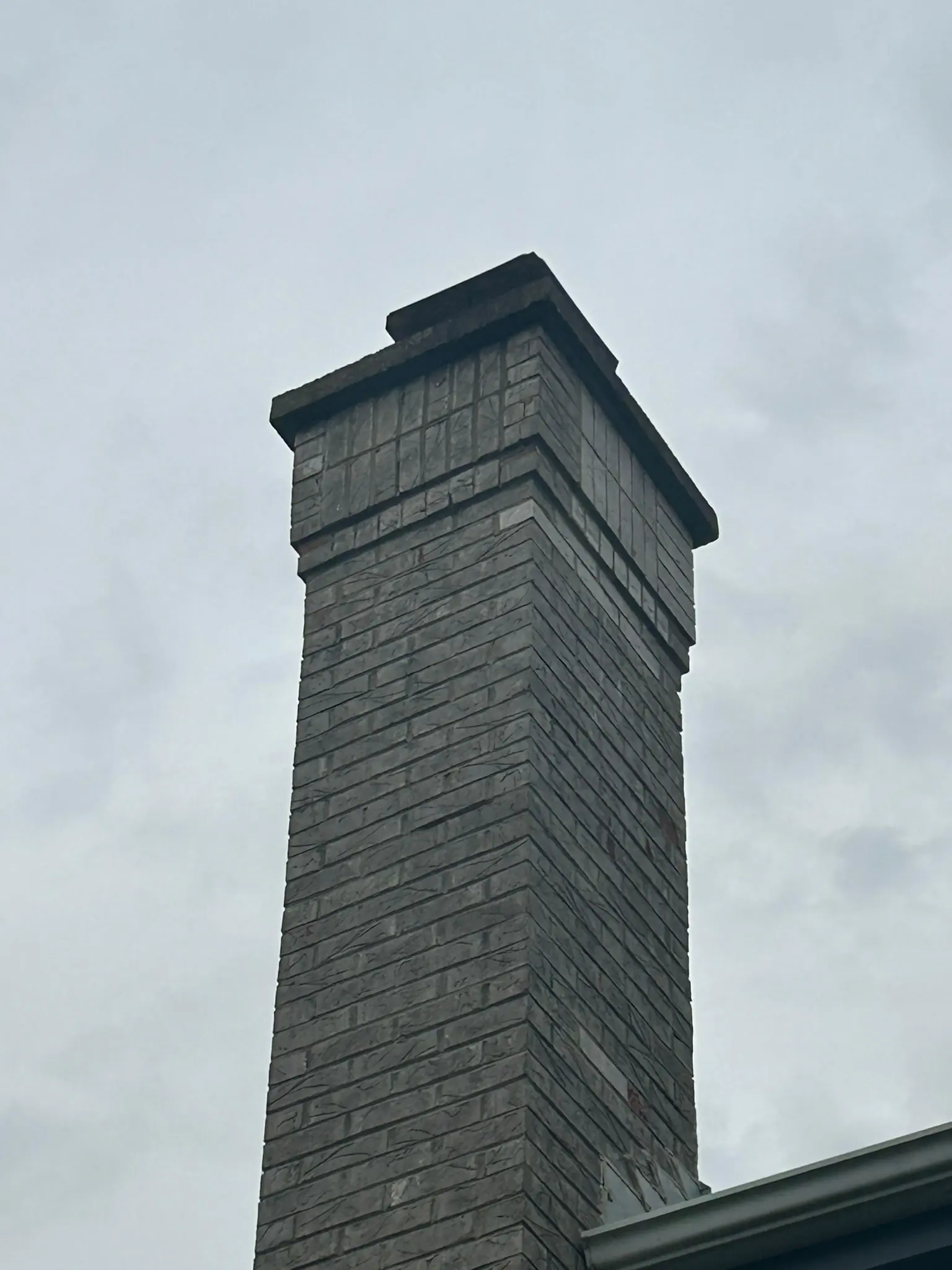
Limestone Sill Repair in La Grange Park, IL
Emerald Masonry LLC provides limestone sill repair in La Grange Park, IL — restoring the spalled, cracked, and delaminating Indiana limestone sills, headers, water tables, and porch caps found on nearly every brick home in the village. We save original stone wherever it can be saved, replace it honestly when it can't, and stop the water intrusion the failing sill has been feeding. Family-owned, licensed, bonded, and insured, led by career masons with decades of hands-on Chicagoland experience. Free on-site estimates — call (708) 288-1696.
The Stone That Fails First on a La Grange Park Home
Drive down Kensington, Brainard, or any of the streets north of 31st and you'll see the same detail over and over: a brick Georgian, colonial, Tudor, or bungalow built somewhere between the 1920s and the 1950s, with crisp bands of pale Indiana limestone at the window sills, the door header, the water table at the foundation line, and the porch cap.
That limestone was the right choice — it's a beautiful, durable stone, and it's why those houses still look the way they do a century later. But it is also, reliably, the first thing on the house to fail. Not the brick. Not the roof. The stone.
The reason is geometry. Brick walls are vertical, so they shed water. A sill is horizontal, so it holds water. Rain lands on it, sits in the pores of the stone, and then Cook County does what Cook County does: the temperature drops through freezing and back again, over and over, all winter. The trapped water expands every time it freezes, and it works the stone apart from the inside.
How Limestone Sills Fail
When we're called out for limestone sill repair in La Grange Park, this is what we find, in rough order of how often we see it:
- Spalling and flaking faces — the surface of the stone shedding in sheets or crumbs, leaving a rough, sugary face.
- Delamination along the bedding plane — limestone is a sedimentary stone with natural layers, and saturated stone splits along them. This is the failure that takes a sill from "worn" to "gone."
- Cracked or broken sills — often straight through, often under a window mullion where load concentrates.
- Open or failed joints at the sill ends, where old caulk has hardened and pulled away, opening a direct path into the wall.
- Rust jacking — a steel anchor or a steel lintel embedded under or behind the stone corrodes, swells to many times its original thickness, and splits the limestone from within. There's no repairing the stone without addressing the steel.
- Sills sloped backward — settled or improperly set stone that now pitches water toward the house instead of away.
- Lost drip edges — the groove cut into the underside of the sill's front lip, whose only job is to break surface tension so water drips clear of the wall. When that groove wears away or fills with paint and grime, water curls back under the sill and runs down the brick face.
That last one is the quiet killer, and it's the one homeowners never know to look for.
A Failing Sill Is a Funnel Pointed at Your Wall
Here's the part worth understanding before you decide whether this repair can wait: a failed limestone sill doesn't just look bad — it reverses its own function. A sound sill throws water away from the building. A spalled, back-pitched, drip-edge-less sill collects water and routes it into the wall and around the window opening.
Which is why the sill is rarely the only thing we're looking at by the time someone calls. Look below a failing sill and you'll usually find the evidence: streaked and stained brick, mortar joints washing out in the courses directly underneath, efflorescence blooming on the face. Look inside and you'll find the other half of it — water stains on the plaster below the window, a swollen or rotting window frame, sometimes a sash that's stopped operating.
The stone is where the water gets in. Repointing the brick below it without fixing the sill above it is a repair with a countdown on it.
Repair or Replace: The Dutchman Repair, Explained
Homeowners usually assume a damaged sill means the whole stone comes out. Often it doesn't.
A Dutchman repair is the stonemason's answer to partial failure: we saw out only the deteriorated section of the sill, square and clean, then cut a new piece of matched limestone to fit that void exactly and set it in place. The sound original stone stays. The failed portion is gone. Done well, you have to know where to look to see it.
Here's how we decide between the three real options:
| Approach | When it's the right call | |---|---| | Dutchman repair (partial stone replacement) | The sill is structurally sound overall, but one area — commonly an end or a corner — has spalled, broken, or delaminated. Most repairable sills land here. | | Full sill replacement | The stone is cracked end to end, delaminating across its full face, back-pitched beyond correction, or split by rusting steel beneath it. There isn't enough sound stone left to build on. | | Color-matched stone-repair mortar | Small, shallow surface losses and chips on an otherwise sound sill — a legitimate fix at that scale, and honest work when it's appropriate. We won't use it to skin over a sill that's actually failing, because it will fall off and you'll have paid twice. |
We'll tell you which one you're looking at, and we'll tell you when a sill genuinely doesn't need to be touched yet.
Matching the Stone — and Letting It Move
Limestone repair lives or dies on two details that a general handyman almost never gets right.
The match. Indiana limestone varies in color, grain, and finish. We match all three, and we recut the drip edge in the new stone so the repaired sill actually sheds water the way the original was designed to. A sill without a drip edge is a sill that will fail again.
The joint. The joints at the ends of a sill are not supposed to be packed with hard mortar. Stone expands and contracts, and a rigid joint gives it nowhere to go — so the stone cracks instead. We seal sill ends with a proper flexible joint sealant, which keeps water out and lets the stone move. Getting this backwards is one of the most common reasons a "repaired" sill cracks again a few winters later. Our caulking and joint sealant work exists for exactly this reason.
And when there's corroded steel under the stone, we deal with the steel. A beautiful new sill set on top of a rusting, swelling lintel is a repair with an expiration date — see our lintel repair and replacement service for what that involves.
What Drives the Cost of Limestone Sill Repair
We don't quote stone sight-unseen, and you should be skeptical of anyone who does. What actually moves the number:
- How many sills are failing, and whether they're isolated or a whole elevation.
- Size and thickness of the stone — a heavy porch cap or water table course is a different job than a standard window sill.
- Access and height — a second-story sill on a Georgian may need staging that a first-floor sill doesn't.
- Dutchman versus full replacement — how much sound stone we can keep.
- Matching difficulty — color, grain, and finish matching on a distinctive original stone takes more sourcing.
- What's underneath — if a corroded lintel or anchor caused the failure, that steel has to be addressed or the new stone fails too.
You get an itemized, exact number after we've actually looked at it. The on-site estimate is free.
Working in La Grange Park
La Grange Park sits in a pocket of the west suburbs — bordered by La Grange, Brookfield, Western Springs, and Riverside — where the housing stock is old enough to have real stone detailing and well-kept enough that homeowners want it preserved rather than stripped off. That's our favorite kind of work. We do the same across the village line in La Grange, Western Springs, and Brookfield.
Emerald Masonry LLC is a family-owned, licensed and insured masonry contractor serving La Grange Park, Chicago, and the Chicagoland suburbs led by career masons with decades of hands-on experience in limestone and sill repair, tuckpointing and repointing, chimney repair, brick repair and replacement, lintel and parapet repair, foundation repair, caulking, sealing, and historic masonry restoration. We work for homeowners, property managers, HOAs, churches, and insurance companies. Free on-site estimates — call (708) 288-1696.
Get Your La Grange Park Limestone Sills Looked At
If the stone under your windows is flaking, cracked, or streaking the brick below it, it's already moving water into your wall — and it doesn't get better on its own over a Chicago winter. Let us take a look and tell you honestly what needs stone, what needs a Dutchman, and what can wait.
Call Emerald Masonry LLC at (708) 288-1696 or request your free on-site estimate.
Ready to get started?
Free on-site estimates for commercial and large-scale projects.
Limestone / Sill Repair in La Grange Park, IL — Frequently Asked Questions
How much does limestone sill repair cost in La Grange Park, IL?
There is no flat rate — the number depends on how many sills are failing, their size and thickness, how high off the ground they sit, and whether each one needs a Dutchman patch or a full stone replacement. A single first-floor sill is a very different job than every window on a two-story Georgian. We give you an itemized number after a free on-site look — call (708) 288-1696.
Can a cracked limestone sill be repaired, or does it need to be replaced?
It depends on how much sound stone is left. If the sill is cracked or spalled in one area but structurally solid overall, we can usually cut out the failed section and set in a matched piece of new limestone — a Dutchman repair. If the stone is cracked through end to end, delaminating across its whole face, or split by a rusting anchor beneath it, replacement is the honest answer.
Why are my window sills crumbling and flaking?
Sills are horizontal, so they hold water instead of shedding it. That water soaks into the limestone, freezes through Cook County's winter cycles, and pops the face of the stone off in layers — spalling and delamination along the stone's natural bedding plane. A worn or clogged drip edge accelerates it by letting water run back into the wall instead of dripping clear.
Do failing limestone sills actually damage the rest of my house?
Yes — that's why they matter far more than they look. A failed sill stops shedding water and starts funneling it into the wall and around the window, which shows up as interior water stains, rotted window frames, and deteriorating brick and mortar in the courses below the opening. Fixing the sill is what stops the damage below it.
Will the new stone match my existing limestone?
That's the whole job. We match Indiana limestone by color, grain, and surface finish, recut the drip edge so the sill sheds water the way it was designed to, and seal the sill ends with a flexible joint rather than hard mortar so the stone can move without cracking again.
Limestone / Sill Repair in Nearby Areas
Learn more about our limestone / sill repair services across Chicagoland, or view all service areas.