
Efflorescence & Waterproofing · Elmhurst, IL
Efflorescence and Waterproofing in Elmhurst, IL — Finding the Water, Not Just the Stain
Efflorescence is not a stain problem. It is a receipt — proof that water is moving through your wall and evaporating out. Cleaning it off without finding the source just means you get another one next spring.
Quick Answer
Emerald Masonry LLC handles efflorescence and waterproofing in Elmhurst, IL — identifying the water source behind white mineral staining, correcting it, and applying breathable vapor-permeable sealers only where they help. Family-owned, licensed and insured, career masons with decades of Chicagoland experience, free estimates. Call (708) 288-1696.
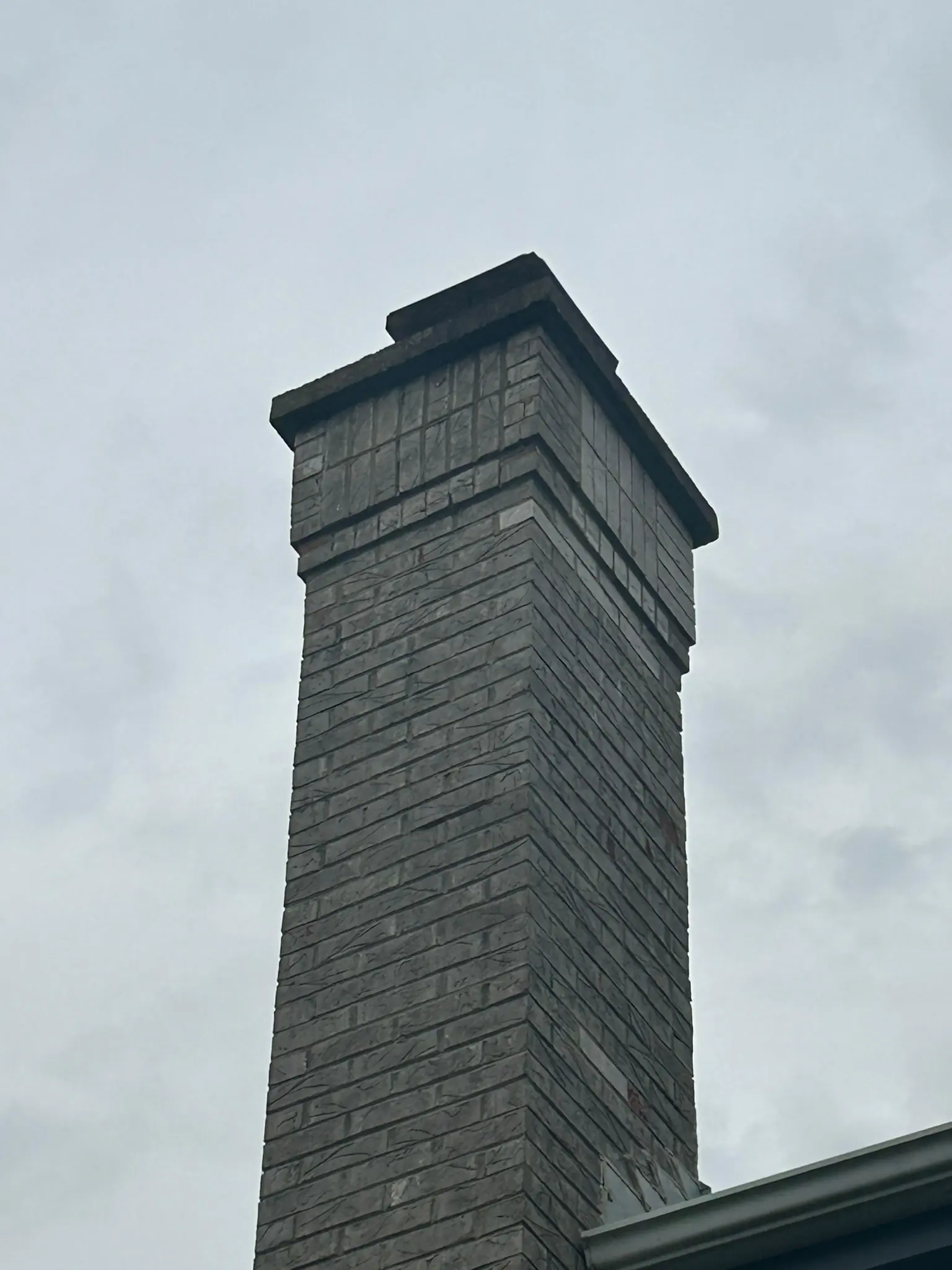
Efflorescence and Waterproofing in Elmhurst, IL
Efflorescence and waterproofing in Elmhurst, IL starts with a reframe: the white staining on your brick is not the problem — it is the evidence. Emerald Masonry LLC traces the water path behind it, corrects the source, and applies breathable, vapor-permeable sealer only where it genuinely helps. Family-owned, licensed, bonded and insured, career masons with decades of Chicagoland experience, free on-site estimates. Call (708) 288-1696.
Here is the useful way to think about it.
Efflorescence is a receipt. Water entered your masonry, dissolved mineral salts inside it, travelled to the surface, and evaporated — leaving the salts behind as a chalky white bloom. Every deposit is documentation that water moved through that specific part of the wall.
Which means the stain is genuinely helpful. It is telling you where to look.
Why Cleaning It Off Solves Nothing
Homeowners scrub it, and it comes back next spring, and they scrub it again.
That loop continues because the deposit is downstream of the actual issue. Until the water path changes, the wall keeps performing the same process: absorb, dissolve, migrate, evaporate, deposit.
Worse, the water doing that is the same water that drives freeze-thaw damage — dozens of crossings of the freezing point each DuPage winter, each one expanding moisture trapped inside saturated masonry. So a wall that keeps efflorescing is a wall that is also, quietly, spalling its brick faces and opening its joints.
Treat recurrence as a diagnosis, not a chore.
Reading Where the Water Is Coming From
| Where the efflorescence is | Most likely source | |---|---| | A vertical band down one section | Leaking or overflowing gutter seam above | | Directly below a window | Failed sill that has lost slope or joints | | Bottom two or three courses | Splash-back at grade; winter road salt | | Around a chimney | Cracked crown or failed flashing | | Interior basement wall | Grade, downspout discharge, water in soil | | Spread across a shaded elevation | Slow drying plus deteriorated joints | | At the base of veneer | Blocked weep holes trapping cavity water | | On new mortar after a repair | Curing water — usually temporary |
That last row matters: fresh mortar commonly blooms during curing and typically diminishes over the first months. If it persists past that, it has stopped being a curing artifact.
Signs Worth Acting On
- Recurring white bloom in the same place year after year.
- Efflorescence alongside spalling brick faces — water has been in there a while.
- Interior basement walls with powdery deposits.
- Damp or musty basement air with no plumbing source.
- Mortar joints receded or raking out on the affected elevation.
- Staining that appears after every heavy rain rather than persistently.
- Blistering paint on a coated wall — trapped moisture.
- Heavy crusty deposits low on the wall — often salt from winter de-icing.
Sealing: When It Helps, and When It Hurts
We should be direct, because this is the service most often sold to people who do not need it.
A breathable, penetrating sealer reduces how much water the brick face absorbs while still letting vapor escape outward. Used correctly, on a wall whose joints are sound, it is genuinely useful.
A film-forming coating or paint creates a surface skin that blocks vapor. Moisture that gets in behind it — through a failed sill, a chimney, a gap at a window — cannot dry, so it freezes inside the brick and spalls the face off from behind.
| | Breathable penetrating sealer | Film-forming coating / paint | |---|---|---| | How it works | Penetrates, repels liquid water | Skin on the surface | | Vapor | Passes through — wall still dries | Blocked — moisture trapped | | On Chicagoland masonry | Appropriate where warranted | Causes the spalling it was meant to prevent | | Failure mode | Gradually stops repelling; reapply | Blistering, peeling, brick spalling from behind |
And no sealer of any kind fixes open joints. Water enters primarily through failed mortar, not through the brick face. Sealing a wall with deteriorated joints seals the water in.
Our Process
- Free on-site assessment. We map where the deposits are, read what that pattern says about the water path, and check joints, sills, flashing, chimney, gutters, downspouts, grade and weep holes.
- Correct the water source. Repointing, sill repair, flashing, caulking, gutter and grade correction — whatever the assessment identifies.
- Clean appropriately. Dry brushing for light deposits; masonry-specific cleaners for heavier ones, with the wall pre-wetted and thoroughly rinsed. Never sandblasting or high-pressure washing, which strip the fired face off brick and make absorption permanently worse.
- Let it dry and reassess. Salts already inside the wall can keep surfacing for a while after the source is closed.
- Seal only if warranted, with a vapor-permeable product, after a test patch.
Materials We Use
Penetrating silane and siloxane water repellents selected for the substrate, masonry-specific cleaners chosen by deposit type, matched Type N and Type S mortars plus lime-modified mixes for older Elmhurst masonry, sealants and backer rod at perimeters, and through-wall flashing where the detail requires it. Everything we apply is vapor-permeable. Related work: tuckpointing, limestone and sill repair, chimney repair, brick repair and masonry sealing.
What Drives Cost
- Repairs needed first — usually the larger portion of the total.
- Square footage and number of elevations for cleaning and sealing.
- Height and access — ground level versus staging or a lift.
- Surface preparation required, including deposit removal.
- Product specified for the substrate.
- Drainage work — gutters, downspouts, grade correction.
Sealing itself is generally modest. If somebody quotes sealing as a large standalone number on a wall with failing joints, get a second opinion.
Serving Elmhurst and DuPage County
Elmhurst has a masonry mix that makes this a recurring issue. The older neighborhoods hold Victorians, Foursquares, Tudors, Colonial Revivals and 1920s brick — soft, absorbent masonry laid with lime mortar that is now a century old. Later blocks add post-war brick and modern veneer.
DuPage has no lake moderation, so freeze-thaw cycling is aggressive. Elmhurst's mature tree canopy keeps north and east elevations damp long after storms, and heavy leaf load overwhelms gutters — the single most common water source behind local efflorescence.
We work throughout 60126 — the older residential streets around Wilder Park and the Metra line, the neighborhoods near Elmhurst University, the post-war blocks, and the churches and commercial buildings downtown. We also serve neighboring Villa Park, Lombard, Oak Brook and Bensenville. Elmhurst owners frequently pair this with tuckpointing, chimney repair or historic masonry restoration.
Emerald Masonry LLC is a family-owned, licensed and insured masonry contractor serving Chicago and the Chicagoland suburbs led by career masons with decades of hands-on experience in tuckpointing, chimney repair, brick repair and replacement, lintel and parapet repair, foundation and limestone/sill repair, caulking, sealing, and commercial, residential and historic masonry restoration. Free on-site estimates — call (708) 288-1696.
Prevention
- Keep gutters clear and downspouts extended well away from the wall — the highest-return item by a wide margin.
- Slope grade away from the foundation and control splash at the base.
- Repair sills, chimney crowns and flashing promptly.
- Repoint failing joints with mortar matched softer than the brick.
- Keep weep holes open on veneer.
- Never paint absorbent brick or apply a film-forming coating.
- Watch where the bloom appears — it is a free annual diagnostic.
Get a Free Assessment in Elmhurst
If white staining keeps returning on the same wall, let us find out where the water is getting in — then decide whether sealing is even part of the answer.
Call (708) 288-1696 or request your free estimate.
Ready to get started?
Free on-site estimates for commercial and large-scale projects.
Efflorescence & Waterproofing in Elmhurst, IL — Frequently Asked Questions
What is efflorescence and is it harmful?
It is mineral salt carried out of the masonry by water and left on the surface as that water evaporates. The deposit itself is cosmetic and generally harmless, but what it proves is not — it means water is actively moving through your wall, which is the mechanism behind freeze-thaw spalling and joint failure.
Can I just wash efflorescence off?
Light deposits often brush off dry, and heavier ones respond to masonry-specific cleaners. But it will return until the water source changes, so cleaning without diagnosing is a maintenance loop rather than a repair. The staining is the useful part — it tells you where to look.
Will sealing the brick stop efflorescence?
Not on its own, and the wrong sealer makes it worse. Water is entering through joints, sills, flashing or grade, and a surface coating does not close those paths — it just makes it harder for the wall to dry. Fix the water source first, then consider a breathable sealer if one is warranted.
How much does waterproofing cost in Elmhurst, IL?
Sealing itself is usually a modest line item; the repairs that should precede it drive the number — repointing, sill work, flashing, gutters. Cost tracks square footage, elevations, height and surface preparation. Emerald Masonry assesses in person and will tell you if sealing is not warranted.
Why does efflorescence keep coming back on the same wall?
Because that wall has a persistent water path nobody has closed. Common culprits in Elmhurst are a leaking gutter above, a failed sill, deteriorated joints on a shaded elevation, or grade holding water against the foundation. The recurrence is a clue, not a nuisance.
Is efflorescence in my basement different?
The mechanism is the same but the water source usually is not. Interior basement efflorescence typically points to grade, downspout discharge, or water in the soil against the foundation rather than to rain on the facade. That makes exterior drainage the first thing to correct.
Efflorescence & Waterproofing in Nearby Areas
Other Masonry Services in Elmhurst, IL
Learn more about our efflorescence & waterproofing services across Chicagoland, or view all service areas.