
Masonry Sealing / Waterproofing · Crest Hill, IL
Masonry Sealing in Crest Hill, IL — Breathable Protection, After the Repairs
Sealing is the last step in a masonry job, not a substitute for one. On Crest Hill's mix of post-war brick and concrete block, the right product matters — and block absorbs very differently from brick.
Quick Answer
Emerald Masonry LLC provides masonry sealing in Crest Hill, IL — breathable, vapor-permeable water repellents applied to brick, block and stone after mortar joints are repaired, never film-forming coatings that trap moisture. Family-owned, licensed and insured, career masons with decades of Chicagoland experience, free estimates. Call (708) 288-1696.
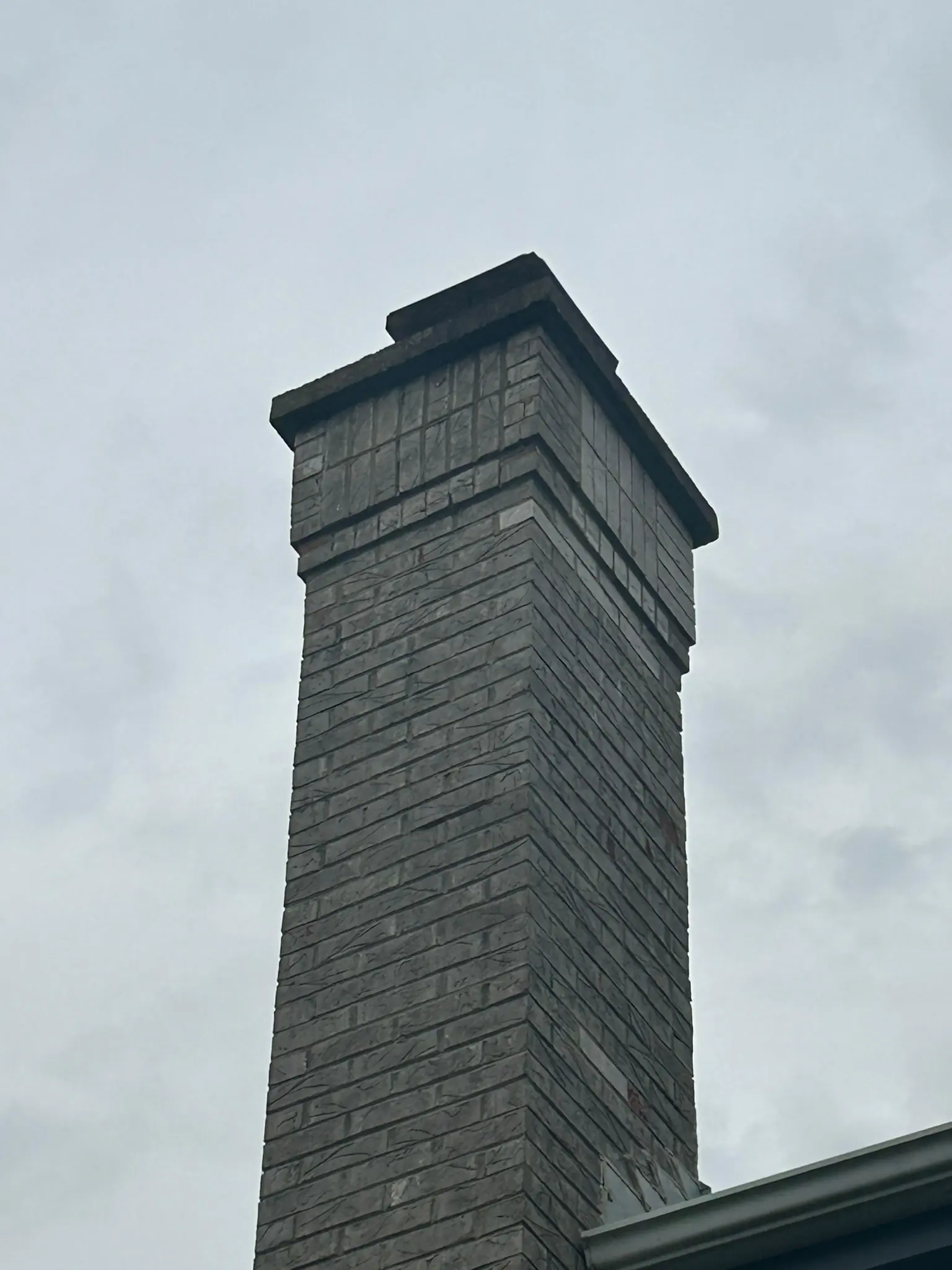
Masonry Sealing in Crest Hill, IL
Masonry sealing in Crest Hill, IL means applying a breathable, vapor-permeable water repellent to brick, block or stone — after the mortar joints are sound, and only where it genuinely helps. Emerald Masonry LLC repairs first and seals second, and will tell you when a wall does not need sealing at all. Family-owned, licensed, bonded and insured, career masons with decades of Chicagoland experience, free on-site estimates. Call (708) 288-1696.
We should say the uncomfortable part first, because this is the service most often sold to people who do not need it.
Sealing a wall with open mortar joints does not waterproof it. It seals the water in.
Water gets into masonry primarily through failed joints, not through the face of the brick. Coat the surface while the joints are still open and you have changed nothing about the entry path — but you have made it harder for the wall to dry. That is worse than doing nothing.
Brick and Block Behave Differently
This matters in Crest Hill more than in most towns, because the local building stock is genuinely mixed — post-war residential brick alongside a substantial amount of concrete block in the commercial, industrial and institutional properties along the Route 30 and Weber Road corridors.
| | Brick | Concrete block (CMU) | |---|---|---| | Surface | Fired skin resists water | Absorbent through the whole face | | Main water path | Mortar joints | Joints and the unit itself | | Absorption rate | Lower | Considerably higher | | Sealer coverage | Standard rate | Higher rate; often two passes | | Movement | Expansion joints | Control joints sealed with flexible sealant | | Common coating error | Painting | Painting, and sealing over cracked block |
Block is the one people get wrong. It drinks water in a way brick does not, so it appears to need sealing more urgently — and it is also the material most likely to have been painted repeatedly, trapping moisture in an already absorbent unit.
On a block wall, sealing is genuinely useful after cracks are repaired and control joints are properly sealed with flexible sealant. Applied before that, it is cosmetic.
Breathable Sealer vs. Film-Forming Coating
| | Breathable penetrating sealer | Film-forming coating / paint | |---|---|---| | How it works | Penetrates, repels liquid water | Skin on the surface | | Vapor | Passes through — wall still dries | Blocked — moisture trapped | | Appearance | Essentially invisible | Visible sheen or color change | | On Chicagoland masonry | Appropriate where warranted | Causes the spalling it was meant to prevent | | Failure mode | Gradually stops repelling; reapply | Blistering, peeling, faces spalling from behind |
A masonry wall in this climate has to dry outward. Trap moisture behind a film and water that inevitably gets in — through a failed sill, a chimney, a gap at a window — has nowhere to go. It freezes inside and breaks the face off from behind.
When Sealing Actually Helps
- After repointing, on a wall with sound joints, as added protection on a weather-beaten elevation.
- On concrete block, once cracks and control joints are addressed.
- On highly absorbent masonry that takes on water readily.
- On chimneys, exposed on four sides with no interior drying them.
- At grade and splash zones, where road salt and splash-back keep masonry saturated.
- On horizontal stone — sills, water tables, caps — that hold water rather than shedding it.
- On a south or west elevation taking the most driving rain.
When Sealing Is the Wrong Answer
- When the joints have failed. Repoint first. Always.
- When you have efflorescence and have not found the water source.
- When brick is already spalling. Replace the failed units first.
- When a chimney crown, flashing or sill is the actual leak.
- Blanket-sealing modern brick veneer, which is designed to drain through flashing and weep holes.
- On cracked block where the crack, not the surface, is the path.
- When somebody proposes it instead of repointing. That is the clearest signal to get another opinion.
Our Process
- Free on-site assessment. Joint condition, unit absorption, existing coatings, efflorescence, cracks, control joints, and where water is entering.
- Repair first. Joints, brick or block, sills, chimney, flashing as the assessment requires.
- Address control joints on block walls with backer rod and flexible sealant — not mortar.
- Surface preparation. Gentle cleaning only; masonry must be clean and dry. Never sandblasting or high-pressure washing, which strip the fired face off brick and open block further.
- Test patch on an inconspicuous area to confirm appearance and absorption.
- Application at the correct rate for the substrate — block generally takes more than brick — in appropriate temperature and moisture conditions.
- Cure and inspection.
Materials We Use
Penetrating silane and siloxane water repellents selected for the substrate — brick, concrete block, limestone and cast stone all behave differently — plus matched mortars for the repointing that precedes sealing, and backer rod and flexible sealant for control joints. Everything we apply is vapor-permeable. We do not use film-forming waterproof coatings, elastomeric wall coatings or masonry paint on exterior walls. Related work: tuckpointing, brick repair, caulking and joint sealant and commercial masonry restoration.
What Drives Cost
- Square footage and number of elevations.
- Substrate — block generally requires a higher application rate than brick.
- Height and access — ground level versus staging or a lift.
- Surface preparation required, including any cleaning.
- Repairs needed first — usually the larger portion of the total.
- Product specified for the substrate.
- Control-joint work on block walls.
Sealing itself is generally a modest line item. If somebody quotes sealing as a large standalone number on a wall with failing joints, that is worth a second opinion.
Serving Crest Hill and Northern Will County
Crest Hill sits in Will County with no lake buffer, taking the full regional freeze-thaw swing — dozens of crossings of the freezing point each winter, which is hard on any absorbent masonry and hardest on block. Heavy clay soils move seasonally. Road salt and de-icer at drives, walks and truck aprons attack the lowest courses aggressively, and salt crystallization does damage similar to freezing.
The city's building mix runs from post-war residential brick through the subdivisions to concrete block and mixed masonry on the commercial, industrial and institutional properties along the main corridors — which is why the substrate question comes up here more than in a purely residential town.
We work throughout 60403 and also serve neighboring Joliet, Lockport, Romeoville and Shorewood. Crest Hill owners frequently pair sealing with CMU block repair.
Emerald Masonry LLC is a family-owned, licensed and insured masonry contractor serving Chicago and the Chicagoland suburbs led by career masons with decades of hands-on experience in tuckpointing, chimney repair, brick repair and replacement, lintel and parapet repair, foundation and limestone/sill repair, caulking, sealing, and commercial, residential and historic masonry restoration. Free on-site estimates — call (708) 288-1696.
The Honest Summary
Sealing is a genuinely useful finishing step on the right wall at the right time. It is not waterproofing, it is not a substitute for repointing, and applied to the wrong wall it actively causes damage.
If a contractor proposes sealing your masonry without first looking at your joints, your sills and your control joints, they are selling a product rather than solving your problem.
Get a Free Masonry Assessment in Crest Hill
We will tell you whether sealing helps your wall, whether repairs need to come first, or whether you do not need either right now.
Call (708) 288-1696 or request your free estimate.
Ready to get started?
Free on-site estimates for commercial and large-scale projects.
Masonry Sealing / Waterproofing in Crest Hill, IL — Frequently Asked Questions
Does sealing brick actually stop water getting in?
A breathable sealer reduces how much water the surface absorbs, but it does nothing about open mortar joints — and joints are the main path water uses. Sealing a wall with failed joints traps moisture inside rather than keeping it out. Repointing first, then sealing, is the only sequence that works.
How much does masonry sealing cost in Crest Hill, IL?
Sealing itself is usually a modest line item driven by square footage, elevations, height, access and surface preparation. The repairs that should precede it typically drive the total. Emerald Masonry gives free on-site estimates and will tell you if sealing is not warranted.
Does concrete block need different sealing than brick?
Yes. Block is absorbent through its whole face rather than protected by a fired skin, so it takes on considerably more water and generally needs a higher application rate. It also cracks differently, so control joints get sealed with flexible sealant rather than treated as part of the surface.
What is the difference between a breathable sealer and a waterproof coating?
A breathable, vapor-permeable sealer penetrates the masonry and repels liquid water while letting vapor escape outward. A film-forming coating or paint creates a surface skin that blocks vapor, so moisture that gets in behind it cannot dry — and it spalls the face from behind. Only the first belongs on Chicagoland masonry.
How often does sealing need to be redone?
Penetrating water repellents have a finite service life and gradually lose effectiveness, with sun-exposed south and west elevations degrading fastest. Rather than resealing on a fixed calendar, we check whether the wall still sheds water and whether the joints beneath are still sound. Resealing over failing joints is wasted money.
Should I seal if I have efflorescence?
Not until the water source is found. Efflorescence is mineral salt left behind as water passes through the masonry and evaporates, so it proves water is actively moving through the wall. Sealing over it treats the symptom and can make the trapped-moisture problem worse.
Masonry Sealing / Waterproofing in Nearby Areas
Other Masonry Services in Crest Hill, IL
Learn more about our masonry sealing / waterproofing services across Chicagoland, or view all service areas.