
Tuckpointing & Repointing · Homer Glen, IL
Tuckpointing in Homer Glen, IL — Mortar Joint Repair on Large-Lot Brick Homes
Homer Glen's homes are mostly brick veneer on big wooded lots, and veneer fails differently from solid masonry — the joints, ties, flashing and weep holes all matter. Emerald Masonry LLC repoints them correctly and checks the drainage path behind the brick.
Quick Answer
Emerald Masonry LLC provides tuckpointing in Homer Glen, IL — grinding out failed mortar joints and repointing brick veneer homes, chimneys and outbuildings with color- and hardness-matched mortar. Family-owned, licensed and insured, career masons with decades of Chicagoland experience, free estimates. Call (708) 288-1696.
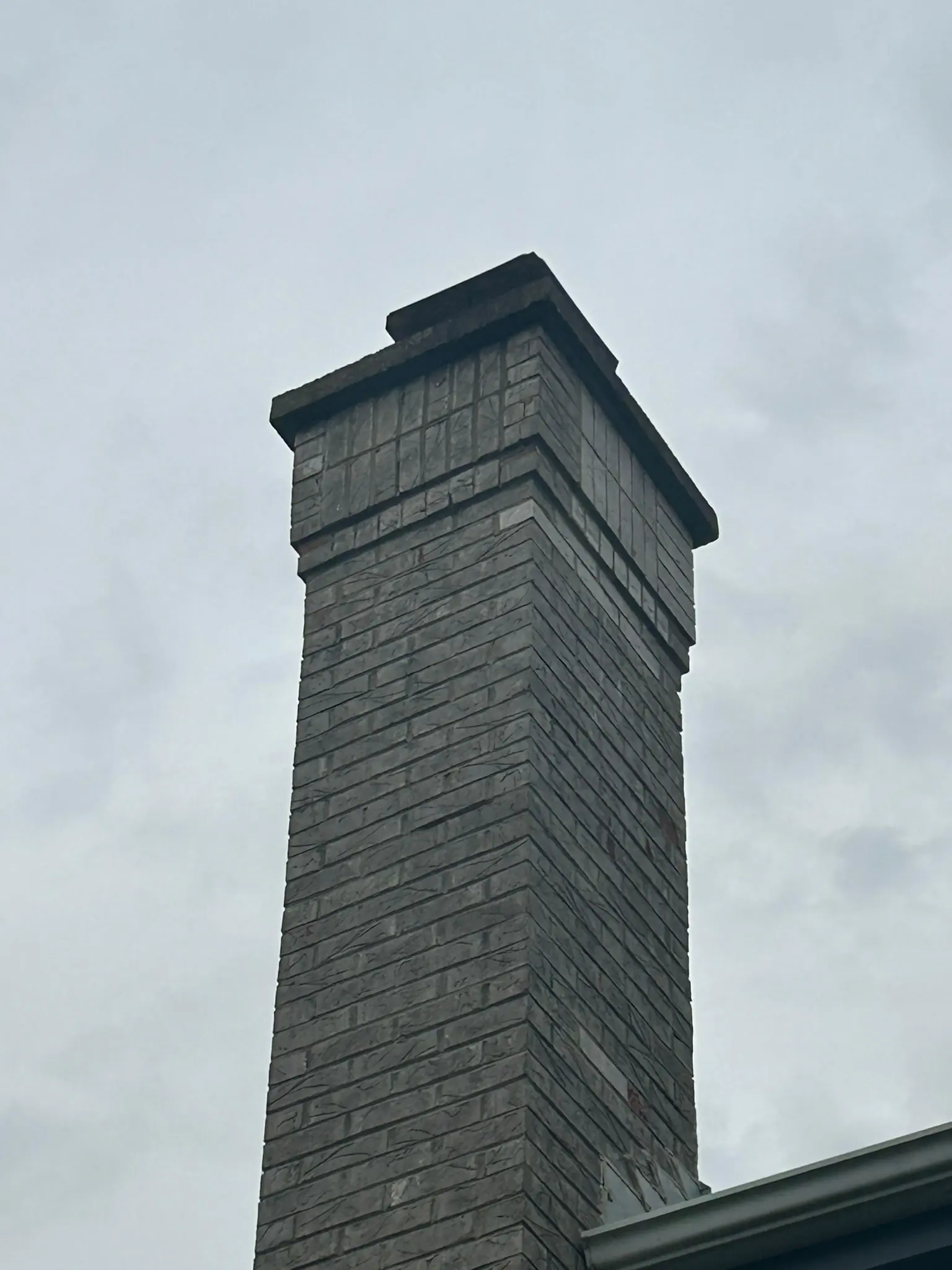
Tuckpointing in Homer Glen, IL
Tuckpointing in Homer Glen, IL is the repair that removes failed mortar from your brick joints and replaces it with mortar matched to the color and hardness of your original masonry. Emerald Masonry LLC does this work across Will County — family-owned, licensed, bonded and insured, led by career masons with decades of hands-on Chicagoland experience and free on-site estimates. If your mortar is sandy, receded or cracking, call (708) 288-1696.
Homer Glen is a different masonry environment from the older suburbs we work in, and the difference changes the job.
The village is relatively young as an incorporated community and its housing is largely brick veneer built from the 1970s through the 2000s, on large, heavily wooded lots — a very different wall from the solid multi-wythe masonry of a 1920s Chicago bungalow. Repointing veneer well means understanding what is behind the brick, not just what is between it.
Veneer vs. Solid Masonry — Why It Matters
| | Solid multi-wythe masonry | Brick veneer | |---|---|---| | Structure | The wall itself is structural | Decorative skin over framed or block backup | | Thickness | Several courses deep | One course, with an air cavity behind | | Water strategy | Absorbs and dries outward | Drains down the cavity and out | | Depends on | Mortar and unit condition | Joints plus ties, flashing, weep holes | | Hidden failure points | Few | Corroding ties, blocked weeps, bad flashing | | Typical era here | Pre-1940 | 1960s onward — most of Homer Glen |
A brick veneer wall is designed to leak. That sounds wrong, but it is the design: water gets past the brick, runs down the back face, hits through-wall flashing, and exits through weep holes in the bottom course. The system works as long as that drainage path is clear.
Which leads to the single most common way veneer repointing goes wrong: a crew mortars the weep holes shut because they look like missing mortar. That converts a drained wall into a bucket. We leave weeps open, and we check that they are actually open before we finish.
What Tuckpointing Does
Mortar is engineered as the sacrificial part of a masonry wall — deliberately softer than the brick, so it absorbs movement and moisture stress and wears out first. Replacing mortar is cheap; replacing brick is not.
Repointing is the structural half: grinding or raking failed mortar out to a sound depth, then packing fresh mortar in layers. Tuckpointing, as most homeowners use the term, includes tooling that joint so the repair matches the profile the house was built with. We do both as one operation.
Once joints open, water runs behind the brick face instead of off it. In a Will County winter it freezes, expands about nine percent, and works the wall apart from the inside.
Signs Your Homer Glen Home Needs Tuckpointing
- Mortar you can dig out with a screwdriver — the fastest honest test.
- Receded joints sitting behind the brick face, having lost the depth needed to shed water.
- Sandy grit on sills, steps and along the foundation.
- Step cracks running diagonally through joints, often at corners.
- Efflorescence — chalky white bloom — which on veneer usually means water is not draining properly.
- Blocked or missing weep holes in the bottom course.
- Spalling brick faces, flaking or popping.
- Rust staining below a window — a corroding steel lintel.
- An open-jointed chimney, exposed on four sides and always the fastest-failing masonry on the property.
Why Wooded Lots Change the Picture
Homer Glen's large, mature-tree lots are the village's best feature and they are hard on masonry.
Shade means slow drying. North and east elevations under heavy canopy stay damp for days after a storm, going into every freeze-thaw cycle saturated. It is common here to find one elevation with sound joints and the shaded side visibly failing.
Canopy means clogged gutters. Leaf load overwhelms gutters, they overflow, and the water runs down the wall — which is why so much local damage is concentrated in a vertical band beneath one gutter section.
Organic growth follows the moisture. Algae and moss on shaded brick are a symptom of the same wetness that is working on the joints.
And the clay moves. Will County's heavy clay swells and shrinks seasonally, which shows up as step cracking at corners and openings.
Our Process
- Free on-site assessment — every elevation, plus chimney, outbuildings, sills, lintels, grade, gutters, weep holes and flashing.
- Mortar matching — color, sand and, critically, hardness.
- Grinding and raking to a sound depth, typically two to two and a half times the joint width. Never skimmed over.
- Cleaning the joints so new mortar bonds to clean masonry.
- Repointing in layers, packed and compacted with no voids behind the face.
- Tooling to match the original joint profile.
- Weep hole verification — confirmed open and draining before we call it done.
- Cleaning and proper cure, protected as conditions require.
Materials We Use
Type N and Type S mortars selected to the wall, blended sands for accurate color, matched replacement brick where units have failed, stainless ties where veneer work requires them, and breathable masonry sealers only — never film-forming coatings that trap moisture in a cavity wall. Related work often includes brick repair, chimney repair, lintel repair and masonry sealing.
What Drives Cost in Homer Glen
- Extent and linear footage — larger homes mean more wall than a comparable in-town house.
- Height and access — two-storey elevations, chimneys above the roofline, and staging.
- Site access — long driveways, mature landscaping and deep setbacks affect setup.
- Existing mortar hardness — how long it takes to grind out.
- Matching difficulty — unusual brick colors common in later construction.
- Additional damage found — spalled brick, a rusting lintel, bad flashing or a failed chimney crown.
- Season and cure conditions.
We do not quote by the square foot sight unseen. Free on-site estimate, written scope, honest number.
Serving Homer Glen and Southern Will County
We work throughout 60491 — the subdivisions off 143rd and 151st, the large-lot properties along Bell and Parker Road, the older homes on the historic corridors, and the churches and commercial properties on the main routes.
We also serve neighboring Lockport, Orland Park, Mokena and New Lenox. Homer Glen owners frequently pair repointing with chimney repair, lintel repair or foundation masonry repair.
Emerald Masonry LLC is a family-owned, licensed and insured masonry contractor serving Chicago and the Chicagoland suburbs led by career masons with decades of hands-on experience in tuckpointing, chimney repair, brick repair and replacement, lintel and parapet repair, foundation and limestone/sill repair, caulking, sealing, and commercial, residential and historic masonry restoration. Free on-site estimates — call (708) 288-1696.
What Waiting Costs
Deferred repointing does not stay a repointing problem. Open joints admit water; freeze-thaw spalls the brick faces, corrodes the steel lintels and ties inside the wall, and eventually loosens masonry. On veneer specifically, the ties are the quiet risk — they are what hold the brick skin to the building, and they are corroding on the same timeline as everything else the water reaches.
Get a Free Tuckpointing Estimate in Homer Glen
If your mortar is crumbling or receding, or you have a shaded elevation that never seems to dry out, get it assessed before another winter.
Call (708) 288-1696 or request your free estimate.
Ready to get started?
Free on-site estimates for commercial and large-scale projects.
Tuckpointing & Repointing in Homer Glen, IL — Frequently Asked Questions
How much does tuckpointing cost in Homer Glen, IL?
There is no flat rate — cost tracks how much of the wall needs repointing, the height and access, whether chimneys and outbuildings are included, and how hard the existing mortar is to grind out. Homer Glen's larger homes often mean more linear footage than a comparable in-town house. Emerald Masonry gives free on-site estimates with a written scope.
Is tuckpointing different on brick veneer than on solid brick?
The joint work itself is similar, but what sits behind the brick is not. Veneer is a single decorative layer over a framed or block backup, drained by flashing and weep holes, so repointing has to leave those weeps open and working. A crew that mortars over the weep holes turns a drained wall into a wall that holds water.
How do I know if my Homer Glen home needs tuckpointing?
Press a screwdriver into a mortar joint — if it digs in or crumbles, the joint has failed. Also look for mortar receded behind the brick face, sandy grit along the foundation, and step cracks running diagonally through the joints. On wooded Homer Glen lots the shaded north and east elevations usually go first.
What are weep holes and why do they matter?
Weep holes are the small openings in the bottom course of a brick veneer wall that let water that got behind the brick drain back out. They are not a defect and they should never be sealed. Blocked weeps are one of the most common causes of trapped moisture, efflorescence and spalling on newer brick homes.
Can you repoint just the chimney or one elevation?
Yes — spot repointing is common, particularly on chimneys and weather-beaten elevations. What matters is that the repair follows the damage to its natural edges rather than stopping at an arbitrary line, and that the mortar is matched so the patch does not stand out. We will tell you plainly whether spot work is enough.
My house is only 25 years old — can it already need tuckpointing?
It can, especially at specific spots rather than the whole wall. Newer veneer often fails first at chimneys, at the water table near grade, under a leaking gutter, or wherever flashing was poorly detailed during construction. Age matters less than where the water has been going.
Tuckpointing & Repointing in Nearby Areas
Other Masonry Services in Homer Glen, IL
Learn more about our tuckpointing & repointing services across Chicagoland, or view all service areas.