
Tuckpointing & Repointing · Joliet, IL
Tuckpointing in Joliet, IL — Repointing for Will County's Older Brick & Limestone
Joliet's older East Side homes, Cathedral Area brick, and downtown limestone buildings all depend on sound mortar joints to stay weathertight. Emerald Masonry LLC provides professional tuckpointing and repointing for residential, commercial, and historic masonry throughout Joliet and Will County.
Quick Answer
Emerald Masonry LLC provides professional tuckpointing and repointing in Joliet, IL and across Will County — removing failed mortar from brick homes, commercial facades, and historic Joliet limestone, then repacking with properly matched mortar to stop water intrusion. Family-owned, licensed and insured, with free on-site estimates. Call (708) 288-1696.
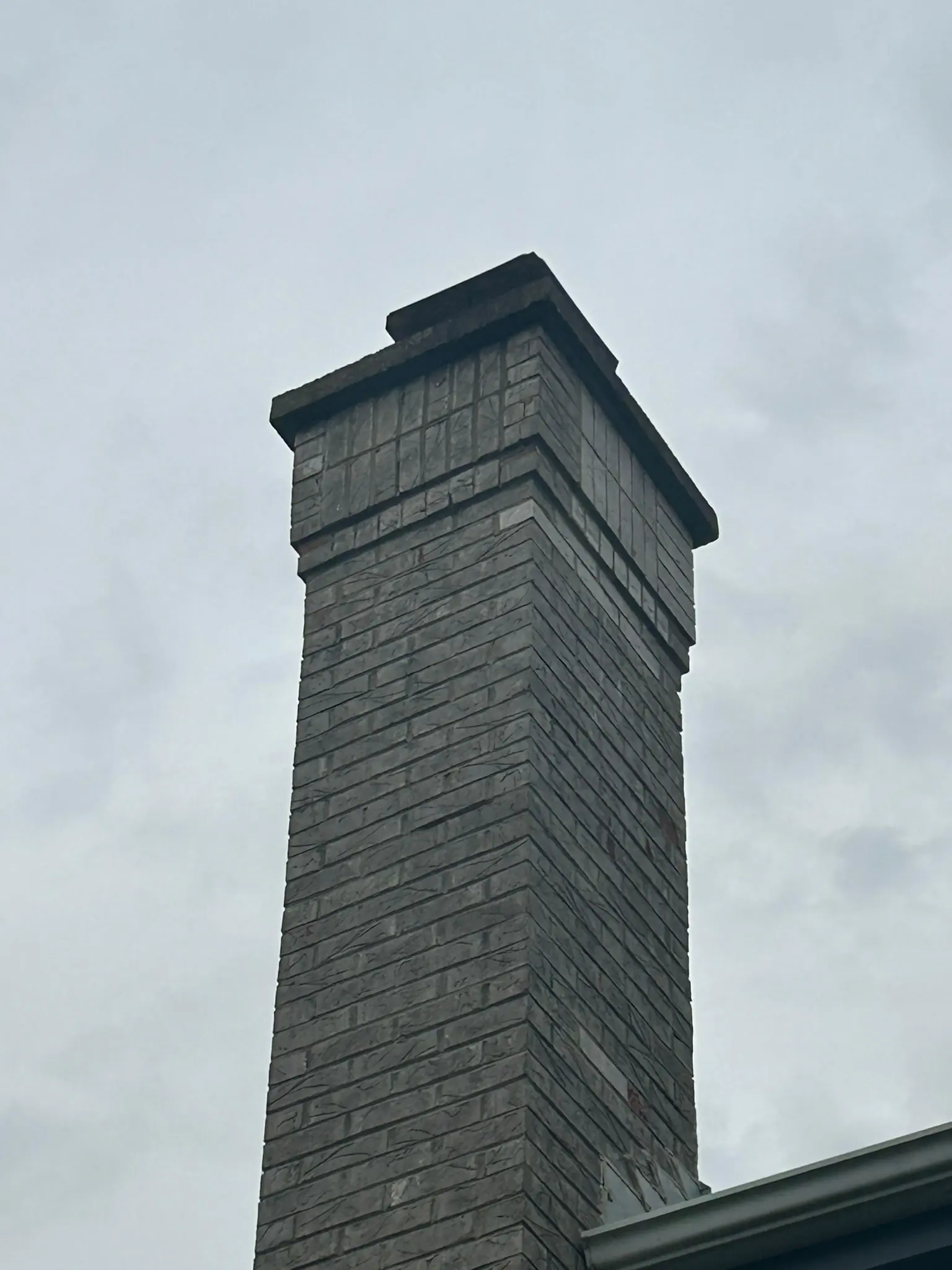
If you own an older brick home on Joliet's East Side, a limestone building downtown, or a commercial facade along Collins Street, the single most important thing protecting that masonry from Will County winters is its mortar joints. Tuckpointing — removing deteriorated mortar and repacking the joints with fresh, properly matched mortar — is how Emerald Masonry LLC keeps Joliet brick and limestone weathertight. When the mortar fails, water gets in, and in this climate water is what destroys masonry. Call (708) 288-1696 for a free on-site assessment.
Tuckpointing (also called repointing) is not cosmetic touch-up. It is the structural maintenance that brick and stone walls are designed to receive periodically. Mortar is meant to be the sacrificial, replaceable part of a wall — softer than the masonry around it, so it weathers first and can be renewed without disturbing the brick or stone. Done on schedule and with the correct mortar, repointing can extend the life of a Joliet masonry wall by decades.
What Failing Mortar Looks Like in Joliet
Most Joliet homeowners and property managers notice a symptom before they notice the joints. The early warning signs are recognizable:
- Recessed joints — mortar that has eroded ¼ inch or more behind the brick or stone face, leaving a visible shadow line.
- Powdery, crumbling mortar — joints that turn to sand when scratched with a key. Very common on Joliet's pre-1950 housing stock and on older institutional buildings.
- Hairline cracks at openings — stair-step or vertical cracks tracking through joints near windows, doors, and building corners.
- Efflorescence and water staining — white crystalline deposits or dark damp marks on the masonry, both signs that joints are absorbing water instead of shedding it.
- Spalling brick or flaking limestone — faces popping or sheeting off, which means moisture has already been getting behind the masonry.
Why Waiting Costs More in Will County
Joliet sees roughly 40–60 freeze-thaw cycles in a typical winter. Each cycle, water that has seeped into an open joint freezes, expands, and pries the joint a little wider — then thaws and goes deeper. Left alone, failed mortar stops being a mortar problem and becomes a brick or stone problem: spalled faces, displaced units, water inside the wall assembly, and eventually interior damage. Repointing a joint is straightforward and affordable; replacing spalled brick or restoring a damaged limestone face is neither. The cheapest version of this repair is almost always the one done early.
Our Tuckpointing Process
Every project starts with an inspection — we walk the elevation and probe joints in several locations to gauge how deep the deterioration runs and whether any units need replacement first.
Step 1 — Joint preparation. Deteriorated mortar is cut out to roughly ¾ inch (or to sound material) using grinders, oscillating tools, or hand chisels chosen to protect the masonry faces. Sound underlying mortar stays.
Step 2 — Cleaning. Joints are blown out with compressed air and brushed clean. New mortar will not bond to dust, so this step is not optional.
Step 3 — Mortar specification. This is where most tuckpointing goes wrong. Mortar must be matched to the masonry — equal to or slightly softer than the surrounding brick or stone. Joliet's older brick is typically a soft, porous unit that needs a Type O or lime-rich blend, and Joliet limestone needs a soft lime-based mortar. A hard Portland mix on soft brick or historic stone transfers stress to the face and pops it off within a few seasons.
Step 4 — Packing and tooling. Fresh mortar is packed in lifts to the full joint depth, then tooled to match the existing profile (concave on most Joliet residential brick; flush or raked on some older commercial and limestone work).
Step 5 — Final check. After cure, we re-probe the new joints for voids or weak spots before closing out.
Materials We Use
We carry a range of mortar types — Type N, Type O, and lime-rich historic blends — plus a library of mortar colors for matching. For Joliet's downtown dolomitic limestone (the locally quarried "Athens marble" found in many historic buildings), we use soft, breathable lime-based mortars specifically so the stone can release moisture rather than trap it. Where brick units have already spalled, we source closely matched replacement brick before repointing the surrounding joints.
What Drives the Cost of Tuckpointing in Joliet
We never quote masonry by phone, but the factors that move the price are consistent, so you can understand an estimate before you ever get one:
- Linear footage of joint that needs cutting and repacking — the single biggest driver.
- Depth and extent of deterioration — light spot repointing versus full-elevation repointing, and whether brick or stone replacement is needed first.
- Mortar matching — standard color matching versus historic limestone work that requires custom lime mortar and sample testing.
- Access — single-story ladder work versus two-story homes, chimneys, or multi-story commercial facades needing scaffold or a lift.
- Elevation exposure — north- and weather-facing walls often have more concentrated damage.
Serving Joliet and Will County
Joliet's masonry is unusually varied for one city: turn-of-the-century brick two-flats and bungalows on the East Side and in the Cathedral Area, locally quarried limestone landmarks downtown, mid-century Will County brick ranches, and commercial blocks that have stood for generations. Each needs a slightly different mortar approach, which is exactly why phone quotes don't work and why the wrong mortar does so much harm here.
Emerald Masonry LLC is a family-owned, licensed and insured masonry contractor serving Chicago and the Chicagoland suburbs led by career masons with decades of hands-on experience in tuckpointing, chimney repair, brick repair and replacement, lintel and parapet repair, foundation and limestone/sill repair, caulking, sealing, and commercial, residential, and historic masonry restoration. Free on-site estimates — call (708) 288-1696.
We handle straightforward residential tuckpointing and repointing, specialized limestone and sill repair for Joliet's historic stone, and brick repair and replacement where units have already failed. Based in Palos Heights, we work throughout Will County — Joliet, Lockport, Crest Hill, Shorewood, New Lenox, and the surrounding communities.
Call (708) 288-1696 or request a free tuckpointing estimate. We'll inspect the building on site, walk it with you, and put a written scope and price in your hands before any work begins.
Ready to get started?
Free on-site estimates for commercial and large-scale projects.
Tuckpointing & Repointing in Joliet, IL — Frequently Asked Questions
How much does tuckpointing cost in Joliet, IL?
Tuckpointing in Joliet is priced by the linear footage of joint, the depth and extent of deterioration, the mortar match required, and the access needed (ladders versus scaffold or a lift). Historic limestone repointing costs more because it demands a soft lime-based mortar and careful color matching. We provide a written price only after an on-site inspection — joint condition varies too much to quote by phone.
Is repointing Joliet limestone different from repointing brick?
Yes. Joliet's historic dolomitic limestone (often called 'Athens marble') must be repointed with a soft, lime-rich mortar — never a hard Portland-cement mix, which traps moisture and spalls the stone face. We match both the mortar strength and the joint profile so repairs protect the stone instead of damaging it.
How do I know if my Joliet brick home needs tuckpointing?
Look for mortar joints that have eroded back behind the brick face, joints that crumble to powder when probed, hairline cracks at window heads or corners, and white efflorescence or dark water staining on the brick. In Will County's freeze-thaw climate, open joints worsen every winter, so early repointing is the cheaper fix.
Can you spot-repoint just the failed areas?
Often yes. When the overall wall is sound but mortar has failed in specific spots — under sills, at parapet caps, or on a weather-facing elevation — selective repointing is the right call. We identify what needs attention now versus what can wait, rather than pushing a full repoint that isn't warranted.
Do you handle chimney and commercial tuckpointing in Joliet?
Yes. We repoint residential chimneys, two-story brick homes, and commercial and institutional facades along Joliet's downtown and Collins Street corridors. Multi-story work is staged with our own lifts and scaffold rather than subcontracted, which keeps quality and scheduling under our control.
Tuckpointing & Repointing in Nearby Areas
Other Masonry Services in Joliet, IL
Learn more about our tuckpointing & repointing services across Chicagoland, or view all service areas.