
Residential Masonry Restoration · Chicagoland, IL
Chicago Bungalow Bay Window Masonry Repair: The Front Bay, Its Limestone and Its Lintels
The projecting front bay is the signature of the classic 1910s–1930s Chicago bungalow, and it is also where the house's masonry works hardest. Here is how the bay is built, where it fails, and how to repair it without losing the original face brick and limestone.
2026-10-12
Quick Answer
On a classic 1910s–1930s Chicago bungalow, the projecting front bay fails first at its limestone sills and water table, the steel lintels over the bay windows, the flashing where the bay roof meets the brick, and the joint where the bay ties into the main wall. Emerald Masonry LLC repairs bungalow bays across Chicagoland: (708) 288-1696.
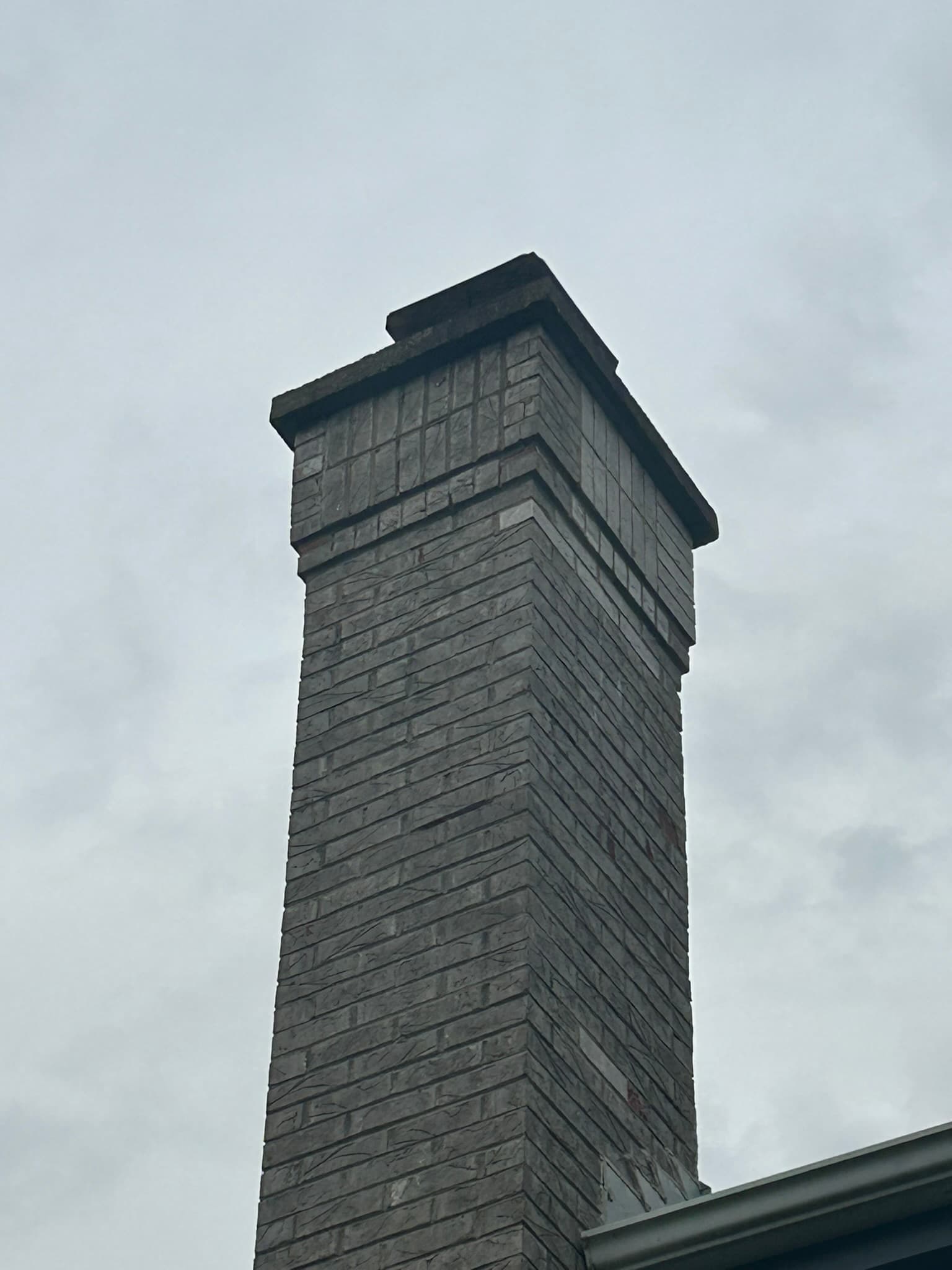
Chicago bungalow bay window masonry repair almost always comes down to the same five places: the limestone sills and water table under the bay windows, the steel lintels spanning those windows, the flashing where the bay's small roof meets the brick, the joint where the bay ties into the main wall, and the foundation the bay sits on. On a classic 1910s–1930s bungalow, the bay is the most exposed, most detailed and most frequently patched part of the house. Emerald Masonry LLC repairs bungalow bays and facades across Chicago and the southwest suburbs. Free on-site assessments: (708) 288-1696.
The projecting front bay is what makes a Chicago bungalow look like a Chicago bungalow. Tens of thousands of them line the Bungalow Belt on the city's Northwest, Southwest and South sides and spill into the first-ring suburbs: Oak Lawn, Evergreen Park, and the Berwyn and Cicero side of the city line. These homes were built well, in solid brick with real limestone, but most are now a century old. Their front bays have had a hundred Chicago winters, and many have also had decades of well-meant but wrong repairs.
The front bay is a small building stuck to the front of a bigger one. It has its own roof, its own windows, often its own foundation — and its own masonry problems.
This guide is about that early-era bungalow. If your house went up after the Second World War, see our guide to masonry problems in post-WWII brick bungalows instead; the brick, mortar and detailing are different.
How the Chicago bungalow front bay is built
Solid brick, face brick in front
A 1910s–1930s Chicago bungalow is solid masonry: two or more wythes of brick bonded together, carrying the floors and roof. There is no drained air space behind the brick as there is on a later veneer house. Water that enters the wall has to dry out through the mortar and brick, which is why the mortar matters so much.
Builders put their best brick where people would see it. The street facade, and especially the bay, is usually face brick — harder-fired, more uniform, often textured or in blended dark reds, browns and purples. The sides and back are often Chicago common brick: softer, salmon-to-buff, less regular. That split matters when you repair, because the two bricks behave and weather differently.
The bay itself
The bay is a projecting three-sided (octagonal) or rectangular box of brick, typically with:
- A limestone water table or base course near grade that throws water off the wall.
- Limestone sills under a row of windows, sometimes one long sill across the whole bay.
- Steel angle lintels over each window opening, sometimes faced with a limestone or soldier-course brick head.
- Corbelled brick and decorative courses — projecting brick bands, diamond or basket-weave panels, contrasting headers.
- A small hipped or flat roof over the bay, tied into the main wall with step or counter flashing.
- A foundation that is sometimes shallower or separately poured from the main house foundation.
Every one of those details is a place where water is collected, shed, or trapped.
Causes and warning signs of bay masonry failure
Open or eroded joints in the limestone
Limestone sills and water tables are laid in mortar beds with end joints between stones. Those joints are flat, face the sky and catch every rain. When the mortar erodes, water runs straight into the wall below the window. Look for open end joints, gaps under the front edge of a sill, and spalling brick directly below a sill — the brick is often blamed, but the sill is the cause.
Sills that have lost their slope or drip
A sill should slope away from the window and have a drip groove under its front edge so water falls clear of the brick. Settlement, frost heave and old repairs can flatten or back-pitch a sill, and paint or mortar smears can fill the drip. Water then tracks back along the underside and into the brick face.
Rust-jacked lintels over the bay windows
The steel angles over bay windows were rarely galvanized. As they rust, the steel expands several times its original thickness and lifts the brick above it. Signs include horizontal cracks along the line of the window head, stepped cracks rising from the window corners, rust staining, and bricks that have shifted out of plane over the opening.
A crack where the bay meets the main wall
Because the bay often sits on a separate or shallower footing and has a different roof load, it can settle, heave or rotate slightly relative to the house. A vertical crack at the bay-to-wall junction is common. What matters is whether it is stable or moving: widening, crack faces offset in or out, or the bay visibly leaning or bowing outward all need attention.
Bay roof flashing failures
The small bay roof meets the brick in a line of flashing. On the right detail, a counterflashing is set into a raked-out mortar joint and folded down over the roofing. On many bungalows it was surface-mounted with caulk, or its joint has eroded. Leaks show as water stains on the bay ceiling, wet window heads, and efflorescence on the brick just above the bay roof.
Eroded, smeared or wrong mortar on the facade
Original front-facade joints were usually finely tooled in a soft, lime-rich mortar, sometimes coloured to suit the face brick. Common warning signs:
- Crumbling or recessed mortar joints, deepest on the weather side of the bay.
- Smeared "buttered" repairs where mortar was spread over the brick face instead of packed into raked joints.
- Grey, hard Portland-cement repointing in a different colour, with spalling brick edges next to it.
- Efflorescence — white salt deposits — under sills, below the bay roof, and at the water table.
Damaged corbels and decorative courses
Projecting brick bands and corbels have more exposed surface and a flat top that holds water and snow. They are often the first brick to spall, and loose projecting units can fall.
Tuckpointing vs. brick replacement vs. rebuild on a bungalow bay
| Condition | Usual repair | Why | |---|---|---| | Eroded joints, sound brick | Tuckpointing / repointing | The mortar is meant to wear first; renewing it protects the brick | | A few spalled or cracked bricks | Selective brick replacement with matched face brick | Removes damaged units without disturbing the bay | | Open sill end joints, worn beds | Sill repointing and end-joint sealing | Stops water at the source | | Sill cracked through or back-pitched | Limestone sill reset or replacement | Restores slope, drip and support | | Rusted lintel lifting brick | Lintel replacement with shoring, flashing and relaid brick | The steel keeps expanding until it is removed | | Bay-to-wall crack, stable | Repoint and monitor | Movement has stopped; seal the joint against water | | Bay leaning, foundation moving | Foundation repair, partial rebuild, engineer involved | The cause is below grade |
For most century-old bungalows, the honest answer to "do I need tuckpointing or brick replacement" is: mostly tuckpointing, plus targeted brick, sill and lintel work where the bay is actually failing.
How a professional repairs a bungalow front bay
- Inspect the whole bay. We look at the water table, every sill and end joint, each lintel, the bay roof flashing, the bay-to-wall joint, corbels, and the grade and downspouts below. Cracks are photographed and, where needed, measured to see whether they move.
- Diagnose the water path. Most bay damage is water damage. Before replacing brick under a sill, we confirm whether the sill or its joints are the source.
- Shore and replace failing lintels. Brick above a rusted opening is supported, the brick and steel removed, and a new galvanized or primed steel angle set with proper bearing at each end, with flashing and end dams above it. The brick is relaid to match.
- Repair or reset the limestone. End joints are raked and repointed or sealed with the right sealant, beds renewed, drip grooves cleared, and failed stones reset to slope or replaced with matched limestone.
- Fix the bay roof flashing. A joint is cut and the counterflashing set into it and pointed in, rather than caulked to the brick face.
- Tuckpoint the facade. Joints are carefully raked or ground to depth without widening them or chipping the face brick, then repointed with a matched mortar and tooled to the original profile.
- Replace damaged brick. Spalled units are cut out and replaced with matched face brick; corbels are reset and anchored where they have loosened.
- Address movement. If the bay is leaning or the foundation is moving, a structural engineer assesses it and we carry out the foundation masonry repair or partial rebuild they specify.
- Clean up and protect. Mortar smears are removed, sills and joints checked, and fresh work protected while it cures.
Materials and techniques for early-era bungalows
Mortar
| Mortar | Where it fits on a bungalow | Caution | |---|---|---| | Lime-rich / Type O or lime mortar | Soft common brick, historic face brick, limestone beds | Slower cure; needs the right weather | | Type N | Most face-brick repointing on bungalows | Match colour and sand | | Type S | Below-grade and structural work only | Too hard for most century-old facade brick |
The rule is simple: the mortar must be softer and more breathable than the brick. Hard mortar in a soft wall forces freeze-thaw stress into the brick, and the brick faces pop off.
Mortar colour and joint profile
Bungalow fronts were often laid with coloured or tinted mortar and a specific joint: concave, struck, or a fine raised or recessed bead. We match colour, sand texture and tooling with cured sample patches before repointing a whole elevation. See our guide to matching replacement brick and mortar.
Face brick vs. Chicago common brick
| | Face brick (front / bay) | Chicago common brick (sides / back) | |---|---|---| | Firing | Harder, more uniform | Softer, variable | | Colour | Blended reds, browns, purples, textured | Salmon, buff, yellow | | Repair source | Salvaged face brick or close new match | Salvaged commons are widely available | | Mortar | Lime-rich or Type N | Lime-rich or soft Type N |
Limestone
Bay sills and water tables are usually Indiana limestone. Repairs use stone repair mortar tinted to match for small losses, Dutchman inserts for larger ones, and new cut stone where a piece is beyond repair. Limestone should never be sandblasted or cleaned with harsh acid.
Steel
New lintels are galvanized or primed and painted steel angles sized to the span, with adequate bearing each side and flashing above.
What drives the cost of bungalow bay repair
Emerald does not quote prices without seeing the house, because the same symptom can have very different causes. The main cost factors:
- How many problems are in play — a sill joint, versus lintels, flashing and tuckpointing together.
- Lintel count and span across the bay windows.
- Limestone condition — repoint and seal, patch, reset, or replace with new cut stone.
- Area of tuckpointing and how much of the facade has been badly repointed before.
- Brick matching — salvaged face brick versus new.
- Access — porch roofs, landscaping, steps and gangways around the bay.
- Foundation or structural work if the bay is moving.
We give a free on-site assessment and an itemised scope so you can see what is urgent and what can wait.
DIY vs. hiring a professional mason
Repointing a bungalow bay looks like a weekend job. It usually isn't. The common DIY and handyman mistakes are exactly the ones we spend time undoing:
- Hard grey mortar in soft brick, causing spalling within a few winters.
- Caulk smeared over cracks above a rusted lintel, hiding the problem while the steel keeps expanding.
- Mortar spread over sills and drip grooves, sending water back into the wall.
- Grinders that widen joints and chip the edges of original face brick.
- Waterproof sealers brushed over a solid masonry wall, trapping moisture.
The front bay is the face of the house. It is worth getting right once.
Chicago and Bungalow Belt context
Chicago's climate is hard on the bay. The region sees dozens of freeze-thaw cycles most winters, with wet springs and lake-influenced storms. The bay's flat sills, projecting corbels and small roof all hold water, and the bay is usually the most exposed part of the front elevation.
Across the Bungalow Belt — from Chicago's Southwest Side into Oak Lawn, Evergreen Park and the first-ring suburbs — many bungalows have also been through a century of repairs: cement patches, painted limestone, surface-mounted flashing and mismatched brick. Part of a good repair is recognising which of those to undo. Bungalows in historic districts or landmark areas may also need review before exterior changes, so we check that early.
Maintenance and prevention for your bungalow bay
- Look at the bay every spring — sills, lintel lines, the bay-to-wall joint and the bay roof flashing.
- Keep gutters and downspouts working so roof water is not dumped onto the bay or its foundation.
- Keep soil, mulch and planters below the water table and sloped away from the bay.
- Keep sill drips clear — no paint, caulk or mortar in the groove.
- Mark and date any crack at the bay-to-wall joint so you can see if it moves.
- Don't seal or paint the brick without professional advice; solid walls need to breathe.
- Repoint sill end joints and flashing joints as soon as they open — the cheapest repair on the bay.
Related services
- Tuckpointing for the face-brick facade and bay
- Limestone and sill repair for sills and water tables
- Lintel repair for rusted steel over the bay windows
- Brick replacement with matched face brick
- Historic masonry restoration for century-old bungalows
- Foundation masonry repair for settling or leaning bays
Conclusion
The front bay is the most beautiful part of a Chicago bungalow and the hardest-working. Its limestone sheds water, its lintels carry brick over wide windows, its little roof meets the wall in a line of flashing, and the whole bay is tied to a house that moves a little differently from it. Repair it in the right order — water source first, failing steel next, then mortar and brick matched to the original — and the bay will last another century.
Emerald Masonry LLC is a family-owned, licensed, bonded and insured masonry contractor based in Palos Heights, established in 2024 and led by career masons with decades of hands-on Chicagoland experience. We repair bungalow bays, limestone, lintels and facades across Chicago, Oak Lawn, Evergreen Park and the surrounding suburbs. Call (708) 288-1696 or request a free on-site assessment.
Frequently Asked Questions
Why is there a crack where my bungalow's front bay meets the house?
The bay is a projecting box of masonry that often sits on its own, shallower foundation and moves slightly differently from the main wall. A thin, stable crack at that junction is common; a crack that widens, runs the full height, or comes with a bay that leans outward means the bay foundation or its tie to the main wall needs assessment.
Can the limestone sills on my bungalow bay be repaired instead of replaced?
Often, yes. Sills with sound stone and open end joints, worn mortar beds or minor surface loss can be repointed, resealed at the ends and patched with a matched stone repair mortar. A sill that is cracked through, has lost its slope, or is delaminating in layers usually needs a new limestone piece cut to match.
What holds up the brick above my bay windows?
On most bungalow bays, a steel angle lintel spans each window opening, sometimes behind a decorative limestone or brick face. When that steel rusts it expands, lifting and cracking the brick above, which shows as horizontal cracks and stepped cracks from the window corners.
Why does my bay leak at the ceiling even though the brick looks fine?
The usual culprit is the flashing where the small bay roof meets the brick wall above it. If the counterflashing was never set into a mortar joint, or the joint has eroded, water runs behind the roofing and down into the bay ceiling or window heads.
Can you match the original face brick on a 1920s bungalow?
Usually closely, but rarely exactly from new stock. The best match for a few bricks is salvaged brick, often taken from a less visible wall and replaced there with a near-match; for larger areas we compare size, colour, texture and firing range before ordering, and we always match the mortar colour, hardness and joint profile.
Should the front of my bungalow be tuckpointed with Type S mortar?
No. Original bungalow face brick and limestone were laid in softer, lime-rich mortar, and repointing with a hard Type S mix makes the joint stronger than the brick, so freeze-thaw damage moves into the brick faces. A lime-rich mix or Type N matched to the original is the right choice in most cases.
How much does bungalow bay masonry repair cost?
It depends on what is failing — sills, lintels, flashing, the bay-to-wall joint, tuckpointing area or foundation work — plus access, how much brick has to come down, and how closely brick and limestone must be matched. Emerald Masonry LLC gives a free on-site assessment and an itemised written scope; call (708) 288-1696.
Who repairs Chicago bungalow masonry near Oak Lawn and Evergreen Park?
Emerald Masonry LLC, a family-owned, licensed, bonded and insured masonry contractor based in Palos Heights, repairs bungalow bays, limestone trim, lintels and facades across Chicago, Oak Lawn, Evergreen Park and the southwest suburbs. Call (708) 288-1696.