
Chimney Repair · Chicagoland, IL
Crumbling Chimney Base in the Basement: Causes, Repairs and When It's Serious
White powder, sand on the floor, soft bricks, a damp smell: the bottom of a chimney in a Chicago-area basement can look alarming. Here's what causes a crumbling chimney base, how to tell whether it's serious, and how it gets repaired.
2026-11-05
Quick Answer
A crumbling chimney base in the basement is usually caused by moisture: water entering at the chimney top, or furnace and water heater exhaust condensing inside the flue. Repair means fixing that source, then replacing damaged brick and repointing. Emerald Masonry LLC, a family-owned Chicagoland contractor, gives free on-site assessments: (708) 288-1696.
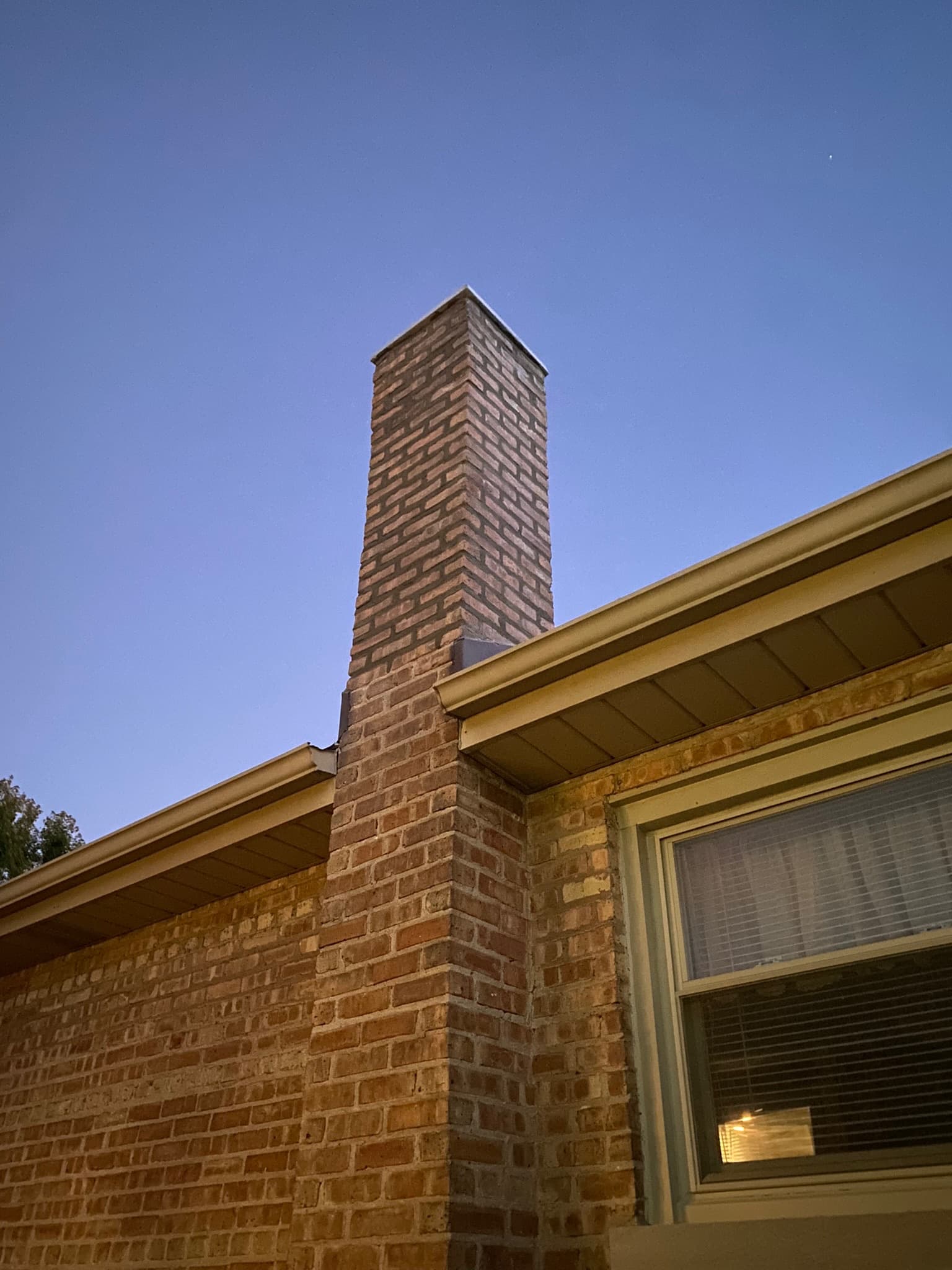
Crumbling Chimney Base in the Basement: Causes, Repairs and When It's Serious
A crumbling chimney base in the basement is almost always a moisture problem. Water is getting in at the top of the chimney, or exhaust from a furnace or water heater is condensing inside the flue, and the wet masonry is breaking down where it all ends up: at the bottom. The fix is to stop that source, then replace the damaged brick and repoint. Emerald Masonry LLC, a family-owned masonry contractor serving Chicago and the Chicagoland suburbs, repairs chimneys from base to crown. Free on-site assessments: (708) 288-1696.
Homeowners tend to find this during a basement cleanup or when a furnace is replaced: a pile of sand on the floor, white fuzz on the bricks, or a brick that crumbles when touched. This guide explains what is going on, how to tell how serious it is, and what the repair involves.
The bottom of the chimney is where the problem shows up. It is rarely where the problem starts.
How a chimney base works
A masonry chimney is a tall, heavy stack of brick that runs from its own footing below the basement floor to above the roof. Inside are one or more flues, usually lined with clay tile on houses built from the mid-century onward, and sometimes unlined on much older homes. The furnace and water heater often connect through a metal vent pipe into the side of the chimney.
Near the bottom, many Chicago-area chimneys have a cleanout door, a small metal door for removing debris. Below the fireplace on some homes, there is an ash pit. Those openings, along with the vent pipe connection, are weak points in the masonry.
The base has two jobs: it carries the full weight of everything above it, and it sits at the bottom of a column of masonry that may have been wet for decades.
What causes a chimney base to crumble
Water from the top
A cracked chimney crown, a missing chimney cap, worn mortar joints and spalled brick above the roof all let rain and snow in. Masonry is porous, so that water travels down through the brick and mortar and down the flue. Failed chimney flashing adds more water where the chimney passes through the roof. If the top looks bad, the bottom is often the second place you will find damage.
Flue gas condensation
This is the one many homeowners have never heard of. Furnace and water heater exhaust contains water vapor and mildly acidic compounds. In a warm, properly sized flue, they leave as vapor. In a cold or oversized flue, they condense on the inside of the chimney, soak into the masonry and slowly attack the mortar.
Condensation became more common when older furnaces were replaced. An old furnace sent lots of hot exhaust up the chimney. When a new high-efficiency furnace vents out the side wall instead, the water heater can be left alone on a big flue, sometimes called an orphaned water heater. That small exhaust stream cools and condenses before it gets out. If your chimney base started going downhill in the years after a furnace change, this may be why, and it should be checked by a qualified HVAC or chimney professional.
Unlined or damaged flues
On a chimney with no liner, or with cracked and missing tiles, exhaust and condensation reach the brick directly. Debris from a failing liner can also pile up at the bottom of the flue and block the path of the exhaust, which is a safety issue as well as a masonry one.
Ground moisture
Basement walls and floors can bring in dampness from below, and a chimney base sitting on a wet slab can draw it up. Downspouts discharging by the chimney wall, or poor grading on that side of the house, make it worse.
Old, soft materials and past patches
Older chimneys often contain soft common brick and lime-rich mortar, which tolerate moisture poorly once they stay wet. Hard cement patches and coatings from earlier repairs can trap water behind them and make the brick crumble faster.
Settlement
Less often, a chimney's footing settles. This shows up as cracks at the base, a gap between the chimney and the wall or floor framing, or a lean at the top.
Warning signs and what they mean
| What you see | What it usually means | How urgent | |---|---|---| | White powder or fuzz | Efflorescence; water moving through masonry | Investigate the source soon | | Sand and mortar on the floor | Mortar joints breaking down | Schedule an assessment | | Soft, flaking bricks in a small area | Moisture damage, often with hard patches nearby | Schedule an assessment | | Soft or missing brick over a wide area | Loss of bearing capacity | Prompt inspection | | Dark, wet patches or dripping | Active water or condensation | Prompt inspection | | Rusted cleanout door or vent connection | Long-term moisture | Check venting promptly | | Vertical or diagonal cracks at the base | Movement or settlement | Prompt inspection | | Chimney leaning or pulling away at the roof | Possible structural issue | Call right away |
A safety note: Debris in the flue, a rusted vent pipe, or signs of exhaust backing up mean the appliance venting needs checking by a qualified professional right away. Keep working carbon monoxide alarms in the home. If an alarm sounds, leave the house and call your gas company or the fire department.
How a chimney base is repaired
Every chimney differs, but a proper repair follows this order.
- Inspect top to bottom. Check the crown, cap, brick and flashing at the roof, then the base, cleanout and vent connection in the basement.
- Identify the moisture source. Decide whether it is water from above, condensation, ground moisture or a mix.
- Coordinate the flue. Have a sweep or liner specialist and HVAC contractor check the flue and venting, and agree on any relining or vent changes.
- Fix the top first. Rebuild the crown, add a cap, tuckpoint or rebuild above the roof, and repair flashing.
- Support as needed. If significant brick is being removed at the base, sections are replaced in small stages, with temporary support where required.
- Remove the damaged material. Cut out soft brick and failed mortar, and remove old cement patches where they can be taken off without further damage.
- Rebuild with compatible materials. Lay new or salvaged brick and repoint with mortar suited to the chimney.
- Replace the cleanout door and seal the vent connection properly, where needed.
- Let it dry and monitor it. Efflorescence may linger while the masonry dries out, then should fade over time if the source is fixed.
Materials and techniques
| Item | Good practice | Avoid | |---|---|---| | Mortar | Mix compatible with the brick, often Type N or a lime-rich mix on older soft brick | Hard, high-cement mixes on soft brick | | Brick | Sound replacement brick suited to the location | Salvaged brick that is already soft or damaged | | Surface treatment | Leave the brick able to dry | Basement paint, cement coatings, waterproof sealers | | Crown | Overhanging crown with a drip edge | Thin cement wash | | Top protection | Chimney cap sized to the flues | Open flues | | Liner | Liner sized to the connected appliances | Oversized or damaged liner left in service |
For more on mortar, see lime vs portland mortar and Type N vs Type S mortar.
Repair it or remove it?
If nothing uses the chimney any longer, removing it may be worth considering, particularly if the part above the roof is also in poor condition. That is not always simple or cheaper: it involves roof and floor patching, and may affect walls or finishes along the way. Our guide on whether to remove a chimney instead of repairing it walks through the decision. If a chimney still vents an appliance, it cannot be taken out until that venting has been rerouted by a qualified HVAC contractor.
What drives the cost
Nobody can price this accurately over the phone, because so much depends on what is causing the damage:
- Amount of damage: spot repointing, a few bricks or a rebuilt section of the base.
- Temporary support and staged rebuilding on heavier chimneys.
- Work at the top: crown, cap, tuckpointing, rebuild, flashing.
- Flue and venting work, such as a new liner.
- Basement access, including finished walls or ceilings that have to be opened, and tight mechanical rooms.
Emerald Masonry LLC gives a written, itemized estimate after a free on-site assessment.
DIY vs hiring a pro
Sweeping up, photographing the damage, and checking that your carbon monoxide alarms work are all good homeowner tasks. Cutting out brick at the base of a chimney is not. That base holds up several tons of masonry, and the right repair sequence depends on what is above it. Painting or coating the bricks is a particular trap: it hides the symptom, traps moisture and makes the next repair larger.
Chicagoland context
Chicago-area chimneys get a hard combination: dozens of freeze-thaw cycles a winter at the top, and long heating seasons running exhaust through the flue. Many brick bungalows, Georgians, two-flats and post-war ranches here have central or end-wall chimneys that have been through several furnace swaps. Some of those chimneys were built with soft Chicago common brick inside, where it does not show but where it reacts badly to long-term dampness. We see the same pattern across the city and in suburbs such as Oak Lawn, Evergreen Park, Burbank, Palos Heights and La Grange: a furnace replacement some years back, a chimney top that has not been looked at, and a pile of sand at the bottom.
See why Chicago common brick crumbles and why the top of your chimney fails first for more. For local work, see our Oak Lawn chimney repair, Evergreen Park chimney repair and Burbank chimney repair pages.
Maintenance and prevention
- Inspect the top every year, with binoculars from the ground or through a mason's roof check.
- Keep a cap on the chimney and repair crown cracks early.
- Have the flue and venting checked when you replace a furnace or water heater, and ask specifically about the flue size for what is left.
- Keep the base accessible. Do not box it in without fixing the moisture first; finished walls hide problems.
- Skip paint and sealers on basement chimney brick.
- Direct downspouts away from the chimney wall and keep grading sloped away.
- Clean the cleanout on the schedule your sweep recommends.
Related services
- Chimney repair for crowns, caps, rebuilds and base repairs.
- Tuckpointing and repointing with compatible mortar.
- Brick replacement for damaged sections.
- Foundation masonry repair if the surrounding basement walls are affected.
Also useful: chimney sweep vs masonry contractor and dryer vents and furnace exhaust damage to brick.
Conclusion: fix the water, then the brick
A crumbling chimney base looks like a basement problem, but it usually starts at the roof or inside the flue. Repairing the bricks without stopping the moisture only buys a few years. The lasting fix runs top to bottom: protect the top, sort out the venting, and rebuild the base in compatible materials.
Emerald Masonry LLC is a family-owned masonry contractor serving Chicago and the Chicagoland suburbs, led by career masons with decades of hands-on Chicagoland experience, in chimney repair and rebuilds, tuckpointing and repointing, brick repair and replacement, lintel and limestone sill repair, foundation masonry, caulking, sealing, and residential, commercial and historic masonry restoration. Established 2024; licensed, bonded and insured. Free on-site assessments — call (708) 288-1696.
Sand and soft brick at the bottom of your chimney? Call (708) 288-1696 or book a free on-site assessment.
Frequently Asked Questions
Why is the chimney crumbling in my basement?
Almost always because of moisture. Rain and snow enter at the chimney top and run down, or exhaust from a furnace or water heater condenses inside the flue and soaks into the masonry. The dampness dissolves mortar and damages brick, and the debris collects at the bottom.
Is a crumbling chimney base dangerous?
It can be. The base carries the full weight of the chimney, so soft or missing brick over more than a small area, cracks, or a chimney that has started to lean needs prompt inspection. Damage can also mean a problem with how exhaust vents, so have the flue checked as well.
What is the white powder on my basement chimney?
It is usually efflorescence, salts carried out of the masonry by moisture and left behind when the water evaporates. The powder itself is not harmful to the brick, but it shows that water is moving through the chimney. Brushing it off will not solve it, because it returns until the water source is fixed.
Can I just patch the chimney base with mortar or cement?
A surface patch hides the damage but does not stop the moisture, and a hard cement patch or coating can trap water and speed up the decay. Remove the damaged material, fix the moisture source and rebuild with compatible brick and mortar.
Who should I call, a chimney sweep, an HVAC company or a mason?
Often more than one. A mason repairs the brick and mortar, top and bottom. A chimney sweep or liner specialist inspects and lines the flue, and an HVAC contractor checks the venting of the furnace and water heater.
Do I still need my chimney if I have a high-efficiency furnace?
It depends. High-efficiency furnaces usually vent through a side wall, but a water heater or other appliance may still use the chimney, and venting it alone can cause condensation, so a liner may be needed. If nothing uses it, repairing or removing it are both options.
How much does it cost to repair a chimney base?
It depends on how much brick is damaged, how many courses need replacing, access in the basement, whether temporary support is needed, and what work the top of the chimney or flue needs. Emerald Masonry LLC gives a written, itemized estimate after a free on-site look.
Who repairs crumbling chimney bases near Chicago?
Emerald Masonry LLC, a family-owned masonry contractor based in Palos Heights, repairs chimneys from the base to the crown across Chicago and the Chicagoland suburbs. Call (708) 288-1696 for a free on-site assessment.