
Brick Repair & Replacement · Chicago Ridge, IL
Brick Repair in Chicago Ridge, IL — Spalling, Cracking, and Replacement for Mid-Century Brick Homes and Commercial Buildings
Chicago Ridge's mid-century brick homes and its commercial corridor are now old enough that brick — not just mortar — is starting to fail. Emerald Masonry LLC replaces spalled and cracked brick and matches it to the existing wall so the repair disappears into the building.
Quick Answer
Chicago Ridge's mid-century brick homes and its commercial corridor are now old enough that brick — not just mortar — is starting to fail. Emerald Masonry LLC replaces spalled and cracked brick and matches it to the existing wall so the repair disappears into the building.
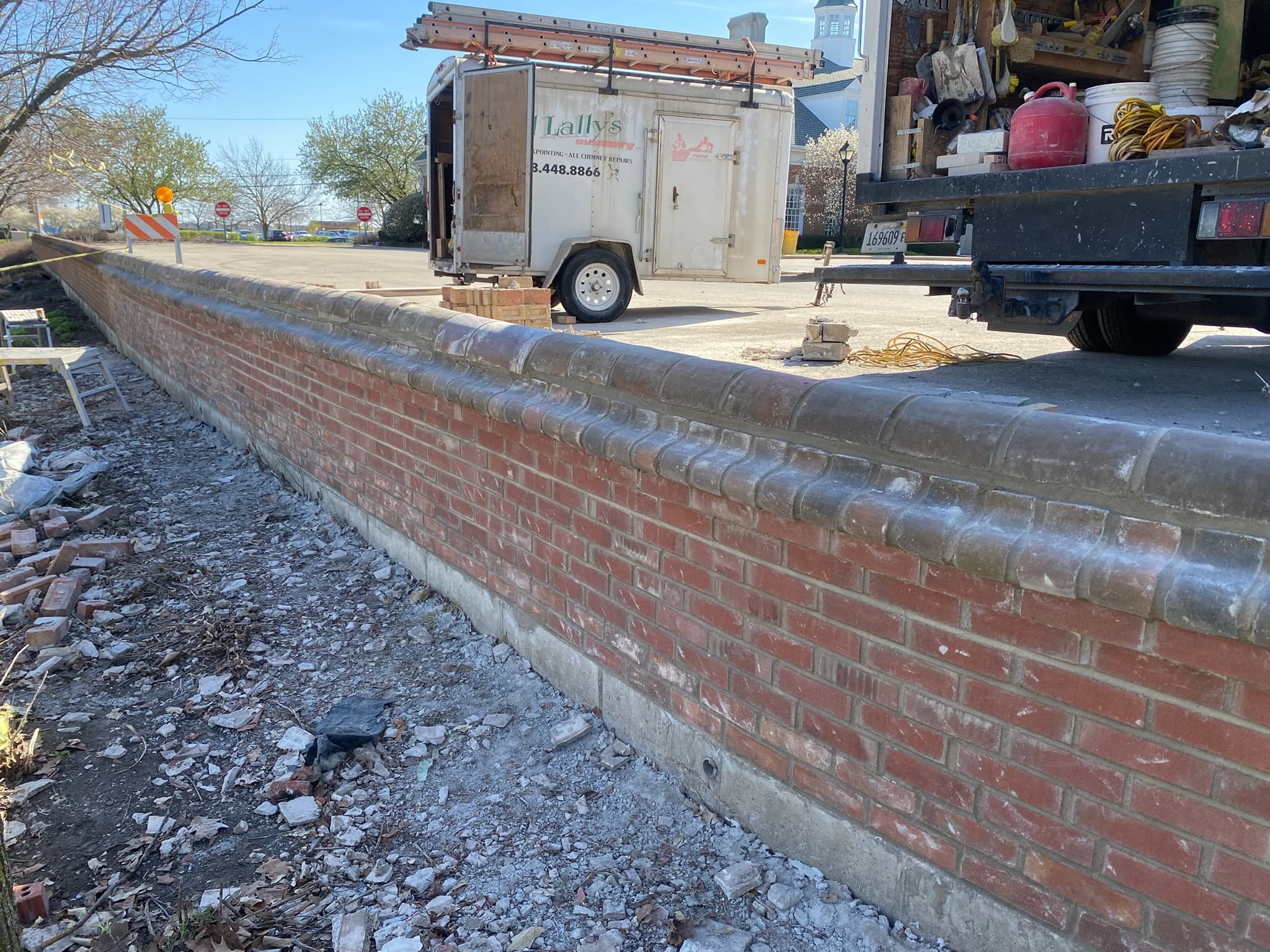
When the Brick Itself Starts to Go
Chicago Ridge is a small, built-out southwest Cook County suburb wedged between Oak Lawn and Worth, developed mostly in the post-war decades and anchored commercially by the Chicago Ridge Mall and the retail along Ridgeland Avenue and 95th Street. Its building stock is solidly mid-century — brick ranches and split-levels in the neighborhoods, and brick-and-block commercial buildings along the corridors. That stock has now been standing through fifty to seventy Chicago-area winters, and it's reaching the stage where the brick itself, not just the mortar, needs repair.
That's an important distinction. Tuckpointing fixes the mortar joints. Brick repair deals with the units themselves — brick that has spalled, cracked, shifted, or fallen out. Once a wall reaches the point where individual brick faces are flaking off or cracking through, repointing alone won't save it. Those brick have to be cut out and replaced. Emerald Masonry LLC does that work on homes and commercial buildings across Chicago Ridge, and we do it so the repair matches the wall around it.
Why Brick Fails in Chicago Ridge
Brick is durable, but it isn't permanent, and a handful of specific things drive it to fail in this climate.
Spalling from freeze-thaw
This is the most common cause we see. When water gets into a brick — through failed mortar joints, a bad cap, or a saturated wall — and then freezes, it expands inside the brick and pops the face off. You'll see flaking, crumbling, and brick faces missing entirely, most often low on the wall near grade where splashback and road salt concentrate. Spalling is a moisture problem showing up as a brick problem.
Cracking
Cracks run through brick for several reasons: building settlement, a rusting steel lintel expanding above a window or door, missing or failed expansion joints, or structural movement. The pattern of the cracking tells us the cause — a stair-step crack following the joints points one direction, a straight crack through the brick faces points another. Reading that correctly is the difference between a real fix and a cosmetic patch.
Rusting lintels lifting the brick
Over the openings in a brick wall sits a steel lintel. As it rusts it expands — a process called rust jacking — and lifts and cracks the brick courses above it. On Chicago Ridge's commercial buildings especially, with their long runs of storefront and window openings, this is a frequent source of cracked and displaced brick.
Old repairs done wrong
We also see brick failing around previous repairs that used the wrong mortar or mismatched brick — patches that trapped water or stressed the surrounding masonry and accelerated the very failure they were meant to fix.
How We Repair and Replace Brick
The goal of a good brick repair is that you can't tell it happened. Getting there takes more than swapping in whatever brick is on the truck:
- We find the cause first. If brick is spalling, something is letting water in. We address that — joints, caps, flashing, lintels — so the new brick doesn't fail the same way.
- We match the brick. Color, size, and texture all have to match the existing wall, especially on older mid-century brick that's no longer made. Sourcing the right replacement — from suppliers, salvage, or a hidden area of the building — is the part that makes or breaks the look of the repair.
- We cut out cleanly and rebuild. Failed brick is cut out without damaging the surrounding sound masonry, and the new units are set with matched mortar in the correct profile.
- We handle the structure behind it. Where a rusted lintel is the cause, replacing a few brick without replacing the lintel just buys a few months. We deal with the steel so the repair holds.
For walls where the mortar is also worn, brick repair usually pairs with tuckpointing so you reset the whole elevation at once instead of coming back for the joints later.
Signs You Need Brick Repair, Not Just Tuckpointing
- Brick faces are flaking, crumbling, or popping off (spalling).
- You can see cracks running through brick, not just along the mortar joints.
- Brick are loose, shifted, bulging, or missing.
- Brick courses above a window or door are cracked or lifting — a lintel sign.
- There's a section of wall that's been patched before and is failing again.
Frequently Asked Questions
What's the difference between brick repair and tuckpointing? Tuckpointing repairs the mortar joints between the brick. Brick repair deals with the brick units themselves — replacing ones that have spalled, cracked, or fallen out. A wall with worn joints but sound brick needs tuckpointing; a wall with failing brick faces needs brick replacement, and often both together.
Can you match my building's existing brick? That's the core of doing it well. We match color, size, and texture as closely as the material allows, and on older Chicago Ridge brick that's discontinued, we source from salvage or pull matching units from a concealed part of the building. A good brick repair should blend in.
Why does my brick keep spalling in the same spot? Because something is feeding water to that area — usually a failed joint, a bad cap, a grading issue, or splashback at grade. Replacing the brick without fixing the water source means it spalls again. We find and address the cause as part of the repair.
Do you do commercial brick repair too? Yes. We work on commercial and mixed-use buildings along the Chicago Ridge corridors as well as residential homes, including lintel-driven cracking and storefront masonry.
Serving Chicago Ridge and Southwest Cook County
Emerald Masonry LLC is a family-owned, non-union masonry contractor based in Palos Heights with more than 40 years of Chicagoland experience. We're licensed, bonded, and insured, and we serve homeowners, property managers, HOAs, churches, and commercial owners across Chicago Ridge and the neighboring southwest suburbs — Oak Lawn, Worth, Alsip, Bridgeview, Palos Heights, and Hometown. We carry a $5,000 project minimum and provide free on-site estimates.
If brick on your Chicago Ridge home or building is spalling, cracking through, or coming loose, the unit damage won't reverse on its own — and it spreads. Contact Emerald Masonry for a free on-site brick repair estimate. Call (708) 288-1696 or email emeraldmasonryil@gmail.com.
Ready to get started?
Free on-site estimates for commercial and large-scale projects.