
Brick Repair & Replacement · Aurora, IL
Brick Repair in Aurora, IL — Structural Repairs for Commercial and Residential Brick Buildings
Aurora's dense inventory of older brick buildings demands repair contractors who understand how Chicago-area masonry ages — not just how to patch it. Emerald Masonry LLC provides structural brick repair, spalling remediation, and selective replacement for commercial and residential properties throughout Aurora and Kane County.
Quick Answer
Aurora's dense inventory of older brick buildings demands repair contractors who understand how Chicago-area masonry ages — not just how to patch it. Emerald Masonry LLC provides structural brick repair, spalling remediation, and selective replacement for commercial and residential properties throughout Aurora and Kane County.
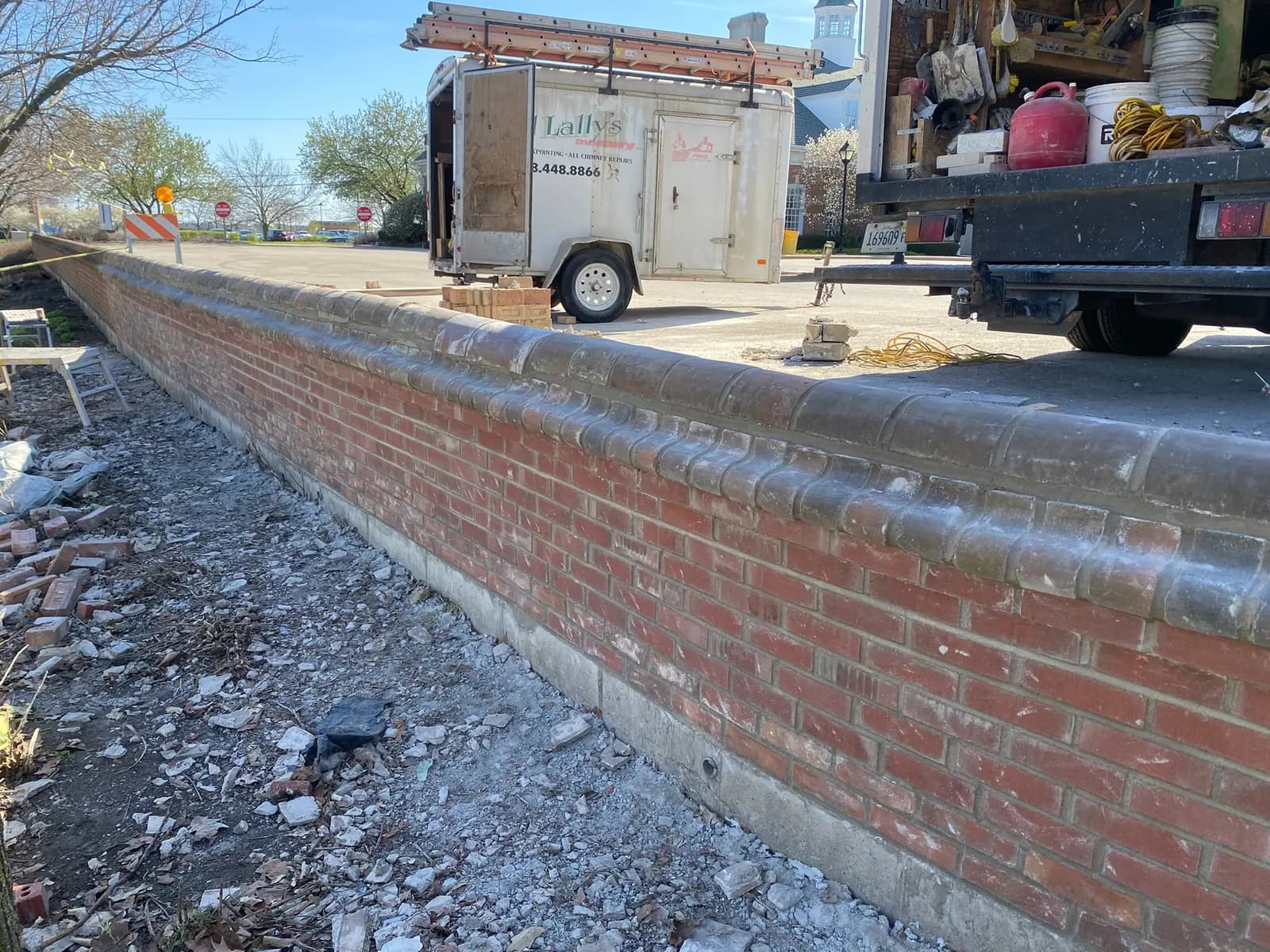
Aurora has more brick buildings per square mile than most cities its size in the Chicago metro. The downtown core along Galena Boulevard and New York Street dates to the 1870s through 1920s. The residential blocks east and west of downtown filled in heavily through the 1940s and 1950s. The result is a city with a large, aging brick inventory — and a corresponding demand for contractors who can repair it correctly.
Not all brick damage is the same. Cosmetic cracking looks alarming but may be stable. Spalling that exposes the brick's interior, on the other hand, accelerates rapidly once freeze-thaw cycles begin. Getting the diagnosis right determines whether you spend a few thousand dollars or significantly more.
Emerald Masonry LLC has been repairing brick buildings throughout Chicagoland for decades. We work on commercial facades, residential two-flats, institutional buildings, and industrial properties throughout Aurora and the broader Kane County area.
Why Brick Fails in Aurora Buildings
Aurora's building stock ages across several distinct eras, and each era has its own failure patterns.
Pre-1940s buildings used softer, more porous brick fired to lower temperatures. This brick was designed to work with lime-based mortar — it expands and contracts in tandem with the mortar during freeze-thaw cycles. When these buildings were repointed in later decades with hard Portland cement mortar, the mismatch created a problem: the rigid new mortar can't flex, so the brick itself absorbs stress and eventually the face pops off. Spalling in Aurora's historic building stock is often a consequence of previous repairs done with the wrong material.
Mid-century commercial buildings from the 1950s–1970s used harder machine-pressed brick but were often built with thinner facade wythes and minimal flashing at window heads. Lintels corrode, the brick above sags, and cracks propagate vertically or diagonally from window corners. Left alone, this pattern leads to displaced brick and water infiltration.
Residential construction from the same period — the ranch homes and split-levels on Aurora's west side — often shows chimney deterioration and brick spalling at grade level where snow sits against the foundation ledge.
What Brick Repair Actually Involves
Selective brick replacement is the most common repair we perform. Individual units that are spalled, cracked through, or structurally compromised are cut out, the surrounding mortar is removed cleanly, and replacement brick is set in properly specified mortar with full bed and head joints. We source replacement brick to match existing — color, texture, and coursing — because unmatched repairs stand out for decades.
Crack repair depends on whether the crack is active or stable. Stable cracks — those that have stopped moving — are typically cleaned, toothed, and repointed with matching mortar. Active cracks require investigation of the underlying cause before any repair. Common culprits in Aurora's commercial buildings include corroded lintels above window openings, settlement at building corners, and failed flashing at shelf angles.
Spalling remediation involves removing all loose and delaminating brick faces, assessing the extent of underlying brick deterioration, and replacing or stabilizing the affected courses. On older buildings, we select mortar composition to match the original rather than defaulting to Type S or N Portland mix.
Full wythe replacement is required when damage extends through multiple courses or the structural integrity of a wall section is compromised. This is less common but occasionally necessary on buildings with severe freeze-thaw damage over multiple seasons.
The Inspection Step Most Contractors Skip
Before we write a repair scope, we probe the wall. That means testing mortar hardness, checking for hollow-sounding brick behind sound faces, inspecting lintel conditions above every opening, and examining flashings and weep holes. Many brick repairs fail within five years because the contractor addressed what was visible — the spalled unit — without diagnosing the water source that caused the damage.
Aurora's commercial properties along Ogden Avenue, Route 30, and the Route 59 corridors often have built-up roofing tied into parapet walls with inadequate flashing. Water tracking down through the parapet for years can spall dozens of brick courses by the time it becomes obvious. We find the source before we repair the damage.
Brick Sourcing for Aurora's Historic Properties
Matching brick for Aurora's older buildings — particularly the downtown commercial stock — requires sourcing from salvage yards or matching to current production runs that come close in color and texture. We've worked with multiple regional suppliers and salvage sources to match Chicago common brick, clinker brick, and older pressed face brick.
A poor color match on a heritage building isn't just cosmetic — in some cases it can affect compliance with local historic preservation guidelines. We carry brick samples to the site and compare in natural light before ordering.
FAQ
How do I know if cracked brick is a structural emergency? Diagonal cracks from window corners, cracks that run through multiple courses, or brick that has visibly displaced outward from the wall plane are all signs that warrant prompt professional assessment. Hairline cracks in mortar joints and minor surface crazing can typically wait for a scheduled estimate. When in doubt, call — we'll tell you honestly whether it needs immediate attention or can be planned into a scheduled repair.
Can brick repair be done in winter? We work year-round in the Chicago area, but active masonry repair requires mortar temperatures to stay above 40°F during application and curing — typically for 7 days. In winter, that means tenting and heating the work area. For non-emergency repairs, late March through November is the preferred window in Kane County.
My building has newer repairs that look wrong — the mortar is a different color and the brick is cracking nearby. What happened? This is a classic sign of mortar incompatibility. If a previous contractor used Type S or N Portland cement mortar on a pre-1950s building with softer brick, the mortar is harder than the brick. Stress concentrates at the brick face instead of the joint, causing spalling. Correcting it requires removing the incompatible mortar and repointing with a properly specified mix — typically a Type O or NHL (natural hydraulic lime) blend for older Aurora buildings.
Do I need a permit for brick repair in Aurora? Minor repairs — patching individual units, repointing joints — typically don't require a permit. Work involving structural elements, significant volume, or alterations to historic facades may require a permit from the City of Aurora Building Division. We handle permit coordination when it's required as part of our project scope.
Service Area from Aurora
We serve Aurora, North Aurora, Batavia, Geneva, St. Charles, Sugar Grove, Montgomery, Oswego, Yorkville, and surrounding communities in Kane and Kendall counties. For larger commercial properties in the I-88 corridor, we can mobilize equipment and crew for multi-day projects.
For properties needing broader masonry work beyond brick repair, see our masonry restoration and commercial masonry services.
Call Emerald Masonry LLC at (708) 288-1696 or request a free on-site brick assessment. We'll walk your building, document the full extent of damage, and provide a written scope and estimate at no charge.
Ready to get started?
Free on-site estimates for commercial and large-scale projects.